
Blog
Shree Somnath Temple: The Eternal Jyotirlinga of Faith and Power

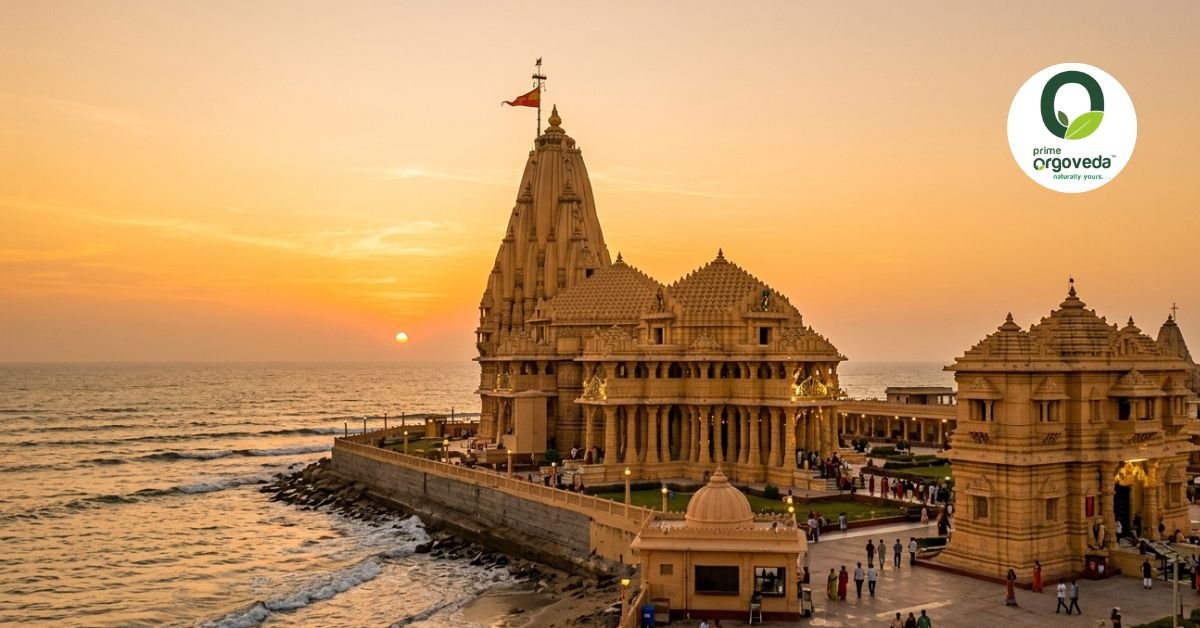
The Somnath Mandir stands as one of the most sacred and revered pilgrimage sites in India, symbolizing unwavering faith and spiritual शक्ति. Located on the serene shores of the Arabian Sea in Gujarat, this ancient temple is dedicated to Lord Shiva and holds immense importance in Hindu tradition. Known as the first among the twelve Jyotirlingas, the Jyotirlinga Somnath represents the infinite power and divine presence of Lord Shiva, attracting millions of devotees every year.
With a history spanning thousands of years, the Somnath Temple is not just a place of worship but a powerful testament to resilience, devotion, and cultural heritage. Its spiritual aura, combined with breathtaking coastal surroundings, offers devotees a deeply divine and peaceful experience.
Spiritual Significance of the First Jyotirlinga
The Somnath Temple holds immense spiritual importance as the first and foremost among the twelve Jyotirlingas of Lord Shiva. The Somnatha Jyotirlinga is believed to be a divine manifestation of Shiva as an infinite pillar of light, symbolizing his eternal and limitless nature. Devotees consider this sacred shrine a gateway to spiritual awakening, where prayers are said to dissolve past karmas and bring inner peace.
The Somnath Mahadev Temple is revered as a powerful center of divine energy, where the presence of Lord Shiva is felt deeply by pilgrims. Worshipping here is believed to grant blessings of health, prosperity, and ultimately liberation (moksha). The temple’s sacred vibrations and rituals create an atmosphere that connects devotees directly with the cosmic forces of the universe.
Adding to its spiritual depth, the Somnath Square is often associated with the belief that the temple stands at a unique geographical location with no landmass between it and the South Pole, symbolizing its uninterrupted connection with the infinite cosmos. This belief further enhances the temple’s significance as a place where the earthly and the divine seamlessly meet.
Mythological Story Behind Somnath Temple
The mythological origins of the Somnath Temple are rooted in ancient Hindu scriptures, which trace back to the story of the Moon God, Chandra. According to legend, Chandra was married to the 27 daughters of King Daksha, but he favored only one wife, Rohini. Angered by this partiality, Daksha cursed Chandra, causing him to lose his radiance and gradually fade away.
Desperate to regain his lost glory, Chandra sought help from Lord Shiva and performed intense penance at the sacred site where the temple now stands. Pleased with his devotion, Lord Shiva lifted the curse partially, allowing Chandra to wax and wane, thus restoring balance in the cosmic cycle. In gratitude, Chandra built the first temple dedicated to Lord Shiva, which later became known as Somnath—“The Lord of the Moon.”
This divine story forms the spiritual foundation of the temple, and even today, devotees chant Jay Somnath as an expression of faith and devotion. The temple’s mythology also connects spiritually with other sacred shrines like Dwarkadhish Somnath Mandir, forming an important pilgrimage circuit in Gujarat.
Pilgrims visiting this holy site often seek not just blessings but also a peaceful somnath temple stay, allowing them to immerse themselves in the spiritual energy and timeless legends that surround this sacred land.
Historical Journey: Destruction and Reconstruction
The Somnath Temple has a long and powerful past that reflects both devotion and resilience. The history of the Somnath Temple is marked by repeated cycles of destruction and reconstruction, making it one of the most iconic symbols of faith in India. Over centuries, the temple faced invasions and was destroyed multiple times by foreign rulers, yet it was rebuilt again and again by devoted kings and followers of Lord Shiva.
Despite these challenges, the spiritual significance of the temple never faded. The old Somnath temple is believed to have originally been built by the Moon God, Chandra, and later rebuilt in gold, silver, and stone by various rulers across different eras. Each reconstruction carried forward the same divine essence and strengthened the belief of devotees.
The location of the Somnath temple on the western coast of Gujarat, facing the vast Arabian Sea, has always added to its historical and spiritual importance. It stood not only as a place of worship but also as a beacon of cultural pride and unwavering faith.
The present structure of the Somnath Temple was reconstructed in 1951 under the leadership of Sardar Vallabhbhai Patel, symbolizing the revival of India’s rich heritage after independence. Today, it stands tall as a reminder that true faith can never be destroyed—it only rises stronger with time.
Architecture and Temple Design
The Somnath Temple is a magnificent example of traditional Hindu temple architecture, reflecting the grandeur and spiritual depth of ancient India. The present structure of the Shri Somnath Temple is built in the Chalukya style, also known as “Kailash Mahameru Prasad” style, which symbolizes the cosmic mountain—considered the abode of the divine.
One of the most remarkable aspects of the temple is its intricate carvings, विशाल shikhara (spire), and beautifully sculpted pillars that showcase exceptional craftsmanship. The temple stands majestically on the shores of the Arabian Sea, creating a stunning visual where architecture meets nature. Inside the गर्भगृह (sanctum), the original Somnath Jyotirlinga is worshipped as a powerful representation of Lord Shiva’s eternal presence.
Another unique feature of the temple is the famous “Baan Stambh” (Arrow Pillar), which indicates that there is no landmass between this point and the South Pole, symbolizing the temple’s uninterrupted connection with the infinite universe.
The temple is managed and maintained by the Shree Somnath Trust, which ensures the preservation of its architectural beauty and spiritual sanctity. Today, Somnath Temple stands not only as a place of worship but also as a timeless masterpiece of devotion, design, and divine energy.
Somnath Temple Timings and Darshan Details
The Somnath Temple welcomes devotees every day with well-organized darshan timings, allowing pilgrims to experience the divine presence of Lord Shiva peacefully. The temple generally opens early in the morning and remains accessible until night, giving visitors ample time for worship and spiritual reflection.
Darshan usually begins around 6:00 AM and continues until 9:30 PM, with short intervals for rituals and aarti. The temple conducts three main aartis daily—morning, noon, and evening—each offering a deeply spiritual experience filled with chanting and devotion. Visiting during aarti time is considered especially auspicious for devotees seeking blessings from the sacred Somnath Jyotirling.
Understanding the Somnath history enhances the darshan experience, as devotees realize the immense faith and resilience behind this holy shrine. The temple management ensures smooth crowd flow, especially during peak seasons and festivals, making the visit comfortable for pilgrims.
While planning your trip, you may also come across nearby places like Somnath Farm, which offer peaceful accommodation and a natural environment for devotees who wish to extend their spiritual journey. Overall, visiting Somnath Temple is a well-organized and soul-enriching experience that blends devotion, history, and divine energy.
Aarti and Rituals at Somnath Temple
The daily aarti and rituals at Somnath Temple are deeply spiritual experiences that connect devotees with the divine presence of Lord Shiva. The sacred Somnath Jyotirlinga temple follows traditional Hindu rituals that have been practiced for centuries, preserving the purity and sanctity of worship.
Every day begins with the early morning aarti, where priests perform Abhishekam to the holy Somnath lingam using water, milk, honey, and sacred offerings while chanting Vedic mantras. This ritual is believed to purify the soul and invoke divine blessings. The temple conducts three main aartis—morning, midday, and evening—each offering a unique spiritual atmosphere filled with devotion and positive energy. Agarbatti for Pooja is commonly used during these rituals to create a soothing and sacred fragrance that enhances the devotional environment.
The evening aarti is especially mesmerizing, as the temple resonates with bells, chants, and the rhythmic sounds of devotional hymns dedicated to Somnath Mahadev. Devotees gather in large numbers to witness this powerful ritual, which creates a divine connection between the devotee and Bhagwan Shiva.
Apart from aarti, special rituals and poojas are performed on auspicious days like Mahashivratri and Mondays, which are considered highly sacred for Lord Shiva worship. Participating in these rituals allows devotees to experience deep spiritual peace and seek blessings for prosperity, health, and liberation.
Best Time to Visit Somnath Temple
The best time to visit Somnath Temple is between October and March, when the weather is pleasant and ideal for darshan and sightseeing. During these months, the coastal climate remains cool and comfortable, allowing devotees to explore the temple and nearby attractions without discomfort.
The winter season is especially favorable, as the temperature ranges between 10°C and 25°C, making it perfect for attending aarti and experiencing the spiritual ambiance. Visiting during this time also gives pilgrims a chance to deeply connect with the temple’s rich heritage, including insights into the Somnath Mandir history, which adds meaning to the journey.
Festivals like Mahashivratri are considered highly auspicious to visit Somnath, as the temple comes alive with grand celebrations, भक्तों की भीड़, and powerful spiritual energy. However, it is also the busiest time, so planning in advance is recommended.
For a more peaceful experience, early mornings and weekdays are ideal for darshan. Travelers can also refer to the Somnath Temple official website for updated timings, events, and guidelines before planning their visit.
The temple is located in the sacred region of Somnath, which holds immense religious importance and offers a serene coastal environment. For those planning an extended trip, there are many options for staying near Somnath Temple, ranging from budget accommodations to comfortable hotels, ensuring a convenient and fulfilling pilgrimage experience.
How to Reach Somnath Temple (Travel Guide)
Reaching Somnath Temple is convenient, as it is well-connected by air, rail, and road networks across India. Pilgrims from different parts of the country can easily plan their journey to this sacred destination.
By Air:
The nearest airport is in Diu, located about 85 km from Somnath. From there, taxis and buses are readily available to reach the temple comfortably.
By Train:
The nearest railway station is Veraval, just around 7 km from Somnath Temple. It is well-connected to major cities like Ahmedabad, Rajkot, and Mumbai, making train travel a popular option for devotees.
By Road:
Somnath is well-connected by highways, and regular bus services operate from cities across Gujarat. Private taxis and self-drive options are also convenient for travelers who prefer a flexible journey.
For pilgrims planning an overnight visit, there are many options for rooms near Somnath Temple, ranging from budget stays to premium accommodations. Choosing a Somnath stay near the temple allows easy access to early morning darshan and aarti.
Travelers can also make a Somnath room booking online in advance to avoid last-minute hassles, especially during peak seasons and festivals. Among popular stays, hotels like Lords Inn Somnath offer comfortable facilities for devotees visiting the temple.
With multiple travel options and good connectivity, reaching Somnath Temple is smooth and convenient, making it accessible for devotees from all over the country.
Nearby Attractions to Visit
A visit to Somnath Temple can be made even more enriching by exploring the many spiritual and scenic attractions nearby. These places enhance the overall pilgrimage experience and allow devotees to connect more deeply with the divine heritage of the region.
One of the most popular nearby attractions is Triveni Sangam, where the sacred rivers Hiran, Kapila, and Saraswati meet. It is considered highly auspicious to take a holy dip before visiting the temple. Another significant place is Bhalka Tirth, believed to be the site where Lord Krishna left his earthly body.
Devotees can also visit ISKCON Temple Somnath, a peaceful spiritual center dedicated to Lord Krishna, often referred to as ISKCON Somnath by visitors. The temple offers a calm and devotional atmosphere ideal for meditation and prayer.
For those interested in understanding the broader spiritual context, learning about the first jyotirlinga and exploring concepts like the 12 jyotirlinga in Gujarati can add deeper meaning to the journey.
Tourists staying in the area will find it convenient to explore these attractions while enjoying a comfortable somnath stay near the temple, making their pilgrimage both spiritually fulfilling and travel-friendly.
Festivals Celebrated at Somnath Temple
Somnath Temple is a vibrant center of devotion, especially during festivals when the entire परिसर comes alive with spiritual energy, rituals, and celebrations. The Jyotirlinga Somnath Temple becomes a hub of भक्तों, where thousands gather to seek blessings and witness grand ceremonies.
The most significant festival celebrated here is Mahashivratri, dedicated to lord somnath, where devotees observe fasts, perform night-long prayers, and participate in special aartis. The temple is beautifully decorated, and the atmosphere is filled with chants of “Har Har Mahadev,” creating a deeply divine experience.
Other important festivals include Kartik Purnima and the Shravan month (Sawan), which are considered highly auspicious for Lord Shiva worship. During these times, the Shree Somnath Jyotirlinga Temple witnesses an increased number of pilgrims who come to perform special पूजा and rituals.
For devotees interested in regional spiritual knowledge, understanding concepts like jyotirlinga in Gujarati adds cultural depth to their visit, connecting them with local traditions and beliefs.
Overall, festivals at Somnath Temple are not just events—they are powerful spiritual experiences that strengthen devotion and bring people closer to the divine.
Important Travel Tips for Devotees
Visiting the Somnath Temple is a spiritually enriching experience, and a few practical tips can help make your journey smooth and fulfilling.
First, it is advisable to check official guidelines and updates provided by the Shree Somnath Trust before your visit. This ensures you are aware of darshan timings, special पूजा schedules, and any travel advisories.
While visiting Shri Somnath, devotees are encouraged to dress modestly and maintain decorum inside the temple premises, as it is a sacred place of worship. Carrying minimal belongings is recommended, as security checks are strictly followed.
Understanding the spiritual background, including the Somnath Jyotirlinga history, can enhance your overall experience and deepen your connection with the temple. Devotees often spend time in meditation and prayer to fully absorb the divine atmosphere.
If you are exploring other sacred connections, learning about the Somanatheshwara Temple Jyotirlinga traditions can provide broader insight into Lord Shiva’s worship across India.
Lastly, plan your visit during early morning hours or weekdays to avoid heavy crowds, and always follow temple rules to ensure a peaceful and respectful darshan experience.
Accommodation Options Near Somnath Temple
Finding comfortable accommodation near Somnath Temple is easy, as the area offers a wide range of options to suit every budget—from economical dharamshalas to premium hotels. Staying close to the temple allows devotees to attend early morning darshan and aarti without hassle.
Many accommodations are located near the Somnath Jyotirlinga location, making it convenient for pilgrims to access the temple within minutes. Budget-friendly dharamshalas and guest houses are managed by trusts and local organizations, offering clean and simple facilities for devotees.
The Shree Somnath Trust also provides well-maintained guest houses at affordable prices, ensuring a comfortable stay with basic amenities. These options are ideal for those seeking a peaceful and spiritual environment near the temple.
For travelers exploring nearby pilgrimage routes like Nageshwar to Somnath, there are several mid-range and luxury hotels available that offer modern facilities and easy transportation access. Devotees can choose accommodations based on their travel plans and comfort preferences.
Online booking has made it easier to reserve rooms in advance, especially during peak seasons. Whether you are looking for a simple stay or a more comfortable hotel experience, options around the Somnath Mandir Jyotirling cater to all needs.
Overall, accommodation facilities near the temple are well-developed and managed efficiently, often under the guidance of the Somnath Mandir Trust, ensuring a safe, clean, and भक्त-friendly environment for all visitors.
Rules and Guidelines for Visitors
Visiting the Somnath Temple is a sacred experience, and following certain rules helps maintain the spiritual sanctity and smooth functioning of the temple.
Devotees are expected to dress modestly and respectfully while entering the temple premises. Traditional attire is preferred, and revealing clothes should be avoided. Silence and discipline must be maintained inside the temple to preserve the peaceful environment for worship.
Mobile phones, cameras, and electronic items are usually not allowed inside, so visitors are advised to deposit them at designated counters. Footwear must be removed before entering the temple परिसर.
For those planning a darshan in advance, options like Somnath Temple online booking and Somnath Temple booking can help avoid long queues, especially during peak seasons and festivals. These services ensure a more organized and convenient visit.
Travelers coming from distant locations can plan their journey efficiently, including options like the Somnath Temple by air, which connects nearby airports to the temple town.
While exploring nearby spiritual places such as Swaminarayan Temple Somnath, often referred to as Somnath Swaminarayan Mandir, visitors should follow similar guidelines of respect and discipline.
By adhering to these simple rules, devotees can enjoy a smooth, respectful, and spiritually fulfilling visit to one of India’s most sacred temples.
Interesting Facts About Somnath Temple
Somnath Temple is not just a place of worship—it is filled with fascinating facts that highlight its spiritual, historical, and geographical importance.
One of the most interesting aspects is its stunning Somnath temple sea view, as the temple stands right on the shores of the Arabian Sea, offering breathtaking scenery along with a divine atmosphere. The sound of waves combined with temple bells creates a truly unique spiritual experience.
The temple has inspired countless artists over centuries, and many beautiful representations, like the Somnath temple painting, showcase its grandeur and sacred aura. These artworks reflect the temple’s deep cultural and religious significance.
Another fascinating fact is the temple’s strategic location, which forms part of an important pilgrimage circuit. Devotees often travel from Somnath to Dwarkadhish and also visit routes like Somnath to Nageshwar Jyotirlinga, completing a spiritually enriching journey across Gujarat’s sacred sites.
Additionally, the temple is believed to stand at a point where there is no landmass between it and the South Pole, symbolizing its uninterrupted connection with the infinite universe. This unique geographical belief adds to the mystical charm of Somnath Temple.
These interesting facts make Somnath not just a pilgrimage destination, but a place where history, spirituality, nature, and culture come together beautifully.
Why is the Somnath Temple a Must-Visit Pilgrimage?
Somnath Temple is not just a destination—it is a powerful spiritual experience that every devotee and Somnath tourist should witness at least once in their lifetime. As the first Jyotirlinga of Lord Shiva, it holds immense religious importance and offers a deep sense of peace and divine connection.
One of the key reasons to visit Somnath is its perfect blend of spirituality, history, and natural beauty. The temple’s coastal location, combined with its rich past, creates a unique environment where devotion meets tranquility. Pilgrims often include routes like the statue of unity to Somnath in their journey, making it part of a broader spiritual and cultural exploration of Gujarat.
Nearby attractions such as Surya Temple Somnath, often referred to as the Sun Temple Somnath, add to the overall experience, offering more opportunities for devotion and sightseeing.
The temple is also admired for its grand architecture and spiritual aura, sometimes described as the grand Daksh Somnath, reflecting its majestic presence and timeless significance.
Ultimately, visiting Somnath Temple is not just about darshan—it is about experiencing faith, history, and divine energy in one of India’s most sacred places.
Conclusion
A visit to Somnath Temple is truly a journey of spiritual awakening, where faith, history, and divine energy come together in perfect harmony. From exploring every detail of Somnath Temple to experiencing its powerful rituals and serene surroundings, every moment spent here leaves a lasting impression on the soul.
The temple’s significance as the first jyotirlinga of lord shiva makes it one of the most sacred pilgrimage destinations in India. Devotees not only come here for darshan but also to understand all about the Somnath Temple, including its rich mythology, inspiring history, and timeless spiritual importance.
Surrounded by various sacred sites and temples near Somnath, the entire region offers a deeply fulfilling religious experience for pilgrims and travelers alike.
In the end, Somnath Temple is more than just a place—it is a symbol of eternal faith, resilience, and divine power that continues to inspire millions across the world.

Categories
- 1xbet
- 20bet
- 888 casino
- Agarbatti
- all slots casino 1 dollar deposit
- amunra
- azurslot
- bcgame
- bdmbet
- best australian payid casino
- best online casino
- betbeast
- betfury
- betlabel
- betobet
- betonred
- betvictor
- bezpecne zahranicni casino
- billy billion
- bizzo casino
- blackjack ballroom
- blazebet
- boomerang
- buran
- campobet
- captain cooks
- casinia
- casino
- casino bez vkladu
- casino classic
- casino en ligne paypal
- casino kingdom
- casino rocket
- casino that accepts interac
- casino trustly
- casino utan svensk licens
- casino zonder crucks
- casumo
- cazeus
- cocobet
- colosseum
- Computer Sambrani
- cosmobet
- crownplay
- cryptoleo
- Dhoop Cones
- Dhoop Cups
- Dhoop Sticks
- dolly
- dragonia casino
- drakaris
- duospin
- Facewash
- fairspin
- Festivals
- frumzi
- gamblezen
- golden tiger
- goldenbet
- gransino
- gxmble
- hell spin
- hellspin
- house of jack
- igralnice online
- Incense Sticks
- iwild
- jackbit
- just casino
- kinbet
- kryptosino
- legiano
- loto quebec casino en ligne
- lovedog
- lovepets
- lucky
- lucky dreams
- lucky nugget
- lucky ones
- luxury casino
- magius
- malina
- melbet
- mirax
- mostbet
- mro
- mrpacho
- myempire
- mystake
- n1 casino
- najboljše spletne igralnice
- national casino
- need for spin
- neon54
- nine
- nine casino
- nostalgia casino
- online casino zahranicni
- online igralnice
- onlyspins
- ozwin
- parimatch
- payid withdrawal casino
- paypal casino canada
- paysafe online casino
- pistolo
- platinum play
- playamo
- playcroco
- playfortuna
- poli payment casino
- posido
- prezzy card online casino
- pubs casino
- review
- ripper
- river belle
- robocat
- rocketplay
- rocketpot
- rolletto
- rolling slots
- roobet
- ruby fortune
- runduvideo
- Sambrani Cups
- Sambrani Powder
- seven sultans
- Shampoo
- skycrown
- slota
- slots gallery
- slotsgem
- slotwolf
- snatch
- Soap
- spinanga
- spinbara
- spinbetter
- spinight
- spinit
- spins of glory
- spinyoo
- sportaza
- staycasino
- stelario
- stonevegas
- Temple
- thrill
- thunderpick
- tsars
- vavada
- vave
- vegashero
- velobet
- vklad paysafecard casino
- vox casino
- wazamba
- william hill
- winbay
- wingaga
- winshark
- wishwin
- wiz slots
- wonaco
- zahranicni casino online
- zizobet
- zoccer
- zoome casino
- zulabet
- Внутряки
- Сплиты
 Agarbatti
 Computer Loban
 Dhoop Sticks
 Dhoop Cones
 Loban Powder
 Dhoop Cups
 Soap
Soap Facewash
 Shampoo