
Blog
Parthasarathy Temple Chennai: A Complete Guide for First-Time Visitors

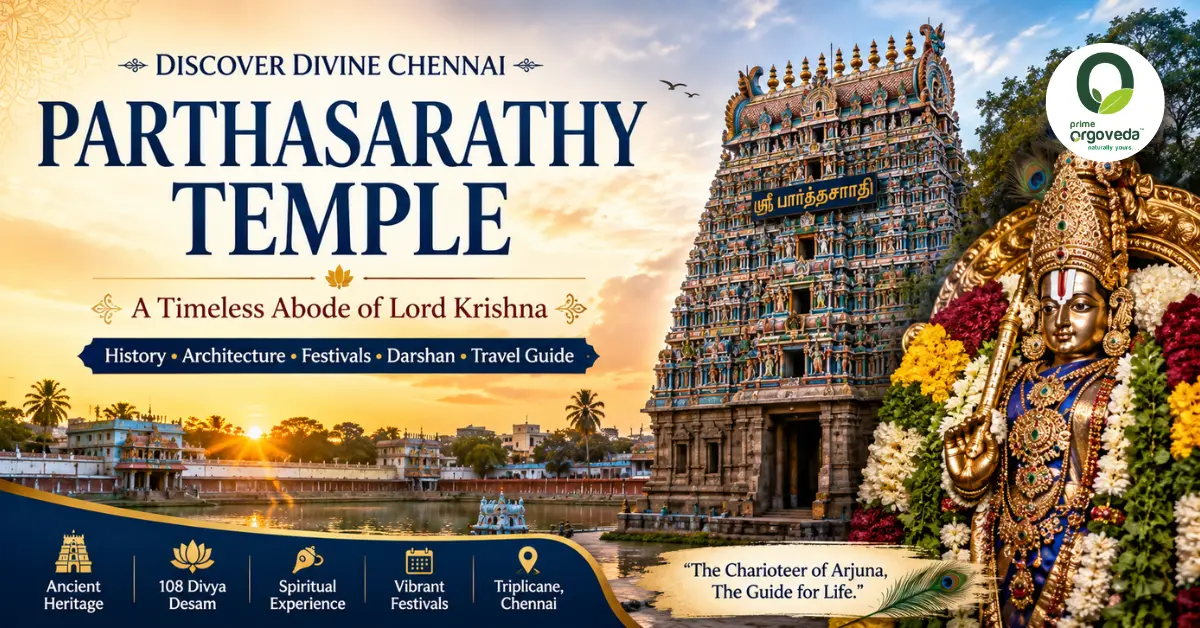
Parthasarathy Temple is one of the oldest and most revered Hindu temples in Chennai, Tamil Nadu. Located in the historic neighborhood of Triplicane, this sacred shrine is dedicated to Lord Parthasarathy, a form of Lord Krishna who served as the charioteer (“Partha Sarathy”) to Arjuna during the Kurukshetra War described in the Mahabharata. The temple holds immense religious significance for devotees of Lord Vishnu and is regarded as one of the 108 Divya Desams, the sacred Vishnu temples praised by the Alvars, the Tamil poet-saints.
Believed to have been originally built during the Pallava dynasty in the 8th century, Parthasarathy Temple showcases a rich blend of spiritual heritage, Dravidian architecture, and centuries-old traditions. Its towering gopurams, intricately carved pillars, and vibrant religious ceremonies attract thousands of devotees and tourists throughout the year.
The temple complex is unique because it houses shrines dedicated to multiple forms of Lord Vishnu, making it an important center of Vaishnavite worship. Daily rituals, special pujas, and grand festivals such as Vaikunta Ekadasi and Brahmotsavam create a deeply spiritual atmosphere that leaves a lasting impression on visitors.
Whether you are a pilgrim seeking divine blessings, a history enthusiast interested in ancient South Indian architecture, or a traveler exploring Chennai’s cultural treasures, Parthasarathy Temple offers a memorable and enriching experience. This guide will help first-time visitors understand the temple’s history, significance, rituals, and practical travel information for a smooth and meaningful visit.
History and Origins of Parthasarathy Temple
The history of Parthasarathy Temple in Chennai is deeply rooted in ancient South Indian tradition and Vaishnavite devotion. Located in Triplicane, the temple is widely believed to have been originally constructed during the 8th century by the Pallava dynasty, who were known for promoting temple architecture and Hindu religious culture across Tamil Nadu.
Over the centuries, the temple underwent several expansions and renovations under different ruling dynasties, including the Cholas, Pandyas, and later the Vijayanagara Empire. Each period contributed to the temple’s architectural refinement and structural development, resulting in the grand and intricate complex seen today.
The temple is dedicated to Lord Vishnu in the form of Parthasarathy, meaning “charioteer of Arjuna.” This divine form represents Lord Krishna as described in the Mahabharata, symbolizing guidance, righteousness, and devotion. The presence of this form makes the temple especially significant for followers of Vaishnavism.
Another important aspect of the temple’s origin is its association with the Alvars, the revered Tamil saint-poets of the Bhakti movement. The temple is classified as one of the 108 Divya Desams, which are sacred Vishnu temples praised in the hymns of the Alvars. This connection enhances its spiritual importance and historical value.
Inscriptions found in and around the temple indicate contributions from various rulers and devotees over time, reflecting continuous patronage and faith. The temple has thus evolved not just as a place of worship, but also as a living monument of Chennai’s cultural and religious heritage.
Today, Parthasarathy Temple stands as a testament to centuries of devotion, architectural excellence, and historical continuity, attracting pilgrims, scholars, and tourists from across the world.
Who Is Lord Parthasarathy?
Lord Parthasarathy refers to a revered form of Lord Krishna, worshipped as the divine charioteer of Arjuna in the epic Mahabharata. The name “Parthasarathy” is derived from Sanskrit, where “Partha” refers to Arjuna (son of Pritha/Kunti) and “Sarathy” means charioteer. Thus, Parthasarathy signifies “the one who drives the chariot of Partha.”
In this form, Lord Krishna is not only seen as a divine guide but also as a symbol of wisdom, duty, and righteousness. During the Kurukshetra war, Krishna served as Arjuna’s charioteer and delivered the sacred teachings of the Bhagavad Gita, which remain a cornerstone of Hindu philosophy. This moment represents the triumph of dharma (righteousness) over adharma (unrighteousness), making Lord Parthasarathy a powerful spiritual figure for devotees.
At Lord Parthasarathy, this divine form is the presiding deity of the famous Parthasarathy Temple in Chennai. The idol is depicted with a moustache and holding a conch, reflecting a unique iconography that distinguishes it from other forms of Lord Krishna. This representation emphasizes his role as a protector and guide rather than a playful or youthful form.
Devotees worship Lord Parthasarathy seeking clarity, strength, and guidance in difficult situations, believing that he continues to guide humanity just as he guided Arjuna on the battlefield. His presence in the temple symbolizes divine counsel, moral strength, and unwavering support for those who follow the path of righteousness.
Religious Significance of Parthasarathy Temple
The religious significance of Parthasarathy Temple in Chennai is deeply rooted in Vaishnavite tradition and Tamil devotional history. Dedicated to Lord Vishnu in his form as Lord Parthasarathy, the temple represents the divine role of Krishna as the charioteer of Arjuna in the Mahabharata, symbolizing guidance, righteousness, and protection.
One of the most important aspects of its spiritual importance is that the temple is classified as one of the 108 Divya Desams, the sacred Vishnu temples glorified in the hymns of the Alvars, the Tamil saint-poets of the Bhakti movement. These hymns, known as the Divya Prabandham, elevate the temple to a highly revered status among Vaishnavites, making it a key pilgrimage site.
The temple is also significant because it enshrines multiple forms of Lord Vishnu within the same complex, including Lord Ranganatha, Lord Narasimha, and Lord Rama. This rare combination reflects the completeness of Vishnu worship and allows devotees to experience different divine manifestations in one sacred space.
At Parthasarathy Temple, daily rituals and traditional pujas are performed according to ancient Agama traditions. These rituals maintain a continuous spiritual atmosphere, reinforcing the belief that the temple is a living embodiment of divine presence rather than just a historical monument.
Festivals such as Vaikunta Ekadasi and Brahmotsavam further enhance the temple’s religious importance. During these events, thousands of devotees gather to participate in processions, chanting, and special darshans, creating a powerful expression of collective devotion.
For devotees, the temple is not only a place of worship but also a spiritual center that inspires discipline, devotion, and inner peace. It is believed that visiting the temple and worshipping Lord Parthasarathy helps remove obstacles, strengthens faith, and guides individuals toward a righteous path in life.
Architectural Highlights of Parthasarathy Temple
The architecture of Parthasarathy Temple in Chennai is a remarkable example of traditional Dravidian temple design, reflecting centuries of cultural evolution and royal patronage. Located in Triplicane, the temple complex showcases intricate craftsmanship, towering structures, and sacred spatial planning that together create a powerful spiritual environment.
One of the most striking features is the Rajagopuram, the grand entrance tower that rises above the surrounding streets. Built in classic Dravidian style, it is richly decorated with detailed stucco figures depicting gods, goddesses, and mythological scenes. This towering gateway serves both as a symbolic transition from the material world to the sacred space and as a visual landmark of the temple.
Inside the complex, the temple consists of multiple mandapams (pillared halls), each supported by finely carved stone pillars. These pillars often feature detailed sculptures of deities, warriors, and mythological narratives, reflecting the artistic excellence of the Pallava, Chola, and Vijayanagara influences that shaped the temple over time.
The sanctum sanctorum (garbhagriha) is relatively modest in size but highly sacred, housing the main deity, Lord Parthasarathy. Unlike the towering exterior structures, the inner sanctum emphasizes simplicity and divine focus, drawing devotees into a deeply spiritual experience.
Another important architectural highlight is the presence of multiple shrines within the same complex. Unlike many temples that focus on a single deity, Parthasarathy Temple houses shrines for different forms of Lord Vishnu, including Lord Ranganatha, Lord Narasimha, and Lord Rama. This multi-shrine layout enhances both its religious significance and architectural complexity.
The temple tank, known as the Kairavini Pushkarini, is another essential feature. Traditionally used for ritual purification, it also adds to the aesthetic and environmental balance of the temple surroundings.
Overall, the architecture of Parthasarathy Temple stands as a living testimony to South Indian temple craftsmanship, blending devotion, history, and artistic brilliance into a unified sacred space.
Main Deities and Shrines Within the Temple
The Parthasarathy Temple in Chennai is unique because it does not worship a single form of Lord Vishnu alone. Instead, it is a vibrant Vaishnavite complex that houses multiple deities and shrines, each representing different divine manifestations, making it one of the most spiritually rich temples in South India.
1. Lord Parthasarathy (Main Deity)
The presiding deity of the temple is Lord Parthasarathy, a form of Lord Krishna as the charioteer of Arjuna in the Mahabharata. This form symbolizes guidance, righteousness, and divine wisdom. The main idol is distinctive because Lord Krishna is depicted with a moustache, holding a conch, and bearing marks believed to represent injuries from the Kurukshetra war.
2. Sri Venkata Krishna (Moolavar Form)
The primary sanctum also houses Lord Venkata Krishna, another important form of Vishnu. This deity is often regarded as the original sanctum deity, worshipped in a standing posture along with his divine companions.
3. Goddess Vedavalli Thayar
The consort of Lord Vishnu is worshipped here as Goddess Vedavalli Thayar (Lakshmi). Her shrine is an essential part of the temple complex, and she is revered as the embodiment of prosperity, compassion, and divine grace.
4. Lord Ranganatha (Reclining Vishnu)
A separate shrine is dedicated to Lord Ranganatha, a reclining form of Vishnu resting on the serpent Adishesha. This form represents cosmic balance and divine rest.
5. Lord Narasimha
The temple also houses a shrine for Lord Narasimha, the fierce half-man, half-lion avatar of Vishnu, symbolizing protection and the destruction of evil forces.
6. Lord Rama
A dedicated shrine for Lord Rama is present within the complex, along with Sita, Lakshmana, Bharata, and Shatrughna, representing ideal kingship, virtue, and dharma.
7. Andal and Alvars Shrines
The temple includes shrines for Andal, the only female Alvar saint, and other Alvar saints who contributed to the Tamil Vaishnavite tradition. Their presence highlights the temple’s deep connection to the Bhakti movement.
8. Additional Deities and Saints
Other important figures worshipped in the temple include Hanuman, Garuda, Ramanuja, Manavala Mamunigal, and Vedanta Desikar, all of whom play significant roles in Vaishnavite philosophy and tradition.
At Parthasarathy Temple, the arrangement of multiple shrines within one complex reflects the completeness of Vishnu worship, allowing devotees to experience different divine forms in a single sacred space.
Together, these deities and shrines make the temple not only a place of worship but also a living representation of Vaishnavite theology, devotion, and cultural heritage.
Temple Timings and Darshan Information
The Parthasarathy Temple in Triplicane, Chennai follows a traditional daily schedule that is closely aligned with Vedic rituals and Vaishnavite practices. The temple is open to devotees in two main sessions every day, allowing visitors to plan their darshan conveniently.
Daily Darshan Timings
- Morning Session: 6:00 AM to 12:00 PM
- Evening Session: 4:00 PM to 9:00 PM
During these hours, devotees can have darshan of Lord Parthasarathy along with other deities such as Lord Ranganatha, Lord Narasimha, and Goddess Vedavalli Thayar.
Key Ritual Timings (Daily Poojas)
- 5:50 AM – Thirumanjanam (Sacred bath rituals)
- 6:00 AM – Vishwaroopa Darshan (First darshan of the Lord)
- 6:15 AM – Thiruvaradhanam
- 8:00 AM – Kalasanthi Pooja
- 11:00 AM – Uchikala Pooja
- 12:00 PM – Temple closure (midday break)
- 4:00 PM – Temple reopens
- 6:00 PM – Evening rituals
- 7:30 PM – Night pooja
- 9:00 PM – Temple closing (Arthajamam)
Darshan Experience Tips
- Early morning (6:00–8:00 AM) is the most peaceful time for darshan
- Evening hours (6:00–8:00 PM) are ideal for lighted temple atmosphere and rituals
- Fridays, weekends, and festival days may have longer queues
- Mobile phones are generally not allowed inside the sanctum area
- Traditional dress is recommended for entry
Special Note
During major festivals like Vaikunta Ekadasi and Brahmotsavam, the temple timings may be extended and darshan arrangements may change due to heavy crowds.
Best Time to Visit Parthasarathy Temple
The best time to visit Parthasarathy Temple in Chennai is influenced by weather conditions, crowd levels, and temple rituals, ensuring a smooth and peaceful darshan experience.
Best Season (Ideal Months)
- November to February is the most recommended time to visit.
- The weather is cooler and more comfortable for walking around the temple complex and exploring Triplicane.
- According to travel guides, this period offers the best overall sightseeing experience in Chennai.
Best Time of the Day
- Early Morning (6:00 AM – 8:00 AM)
- Peaceful atmosphere
- Fresh start with Vishwaroopa darshan
- Fewer crowds
- Evening (6:00 PM – 8:00 PM)
- Beautiful temple lighting
- Active rituals and chants
- Spiritual and vibrant ambience
Many visitors prefer these two time slots for the most fulfilling darshan experience.
Best Days to Visit
- Weekdays (Tuesday to Thursday) → relatively fewer crowds
- Avoid weekends if you prefer a calmer experience
- Festival days (Vaikunta Ekadasi, Brahmotsavam) are spiritually powerful but extremely crowded
Special Festival Periods (Optional Experience)
- Vaikunta Ekadasi (Dec–Jan) → grand rituals, long queues, highly auspicious
- Brahmotsavam (Apr–May) → vibrant celebrations and temple processions
Tips for Better Visit Timing
- Avoid 12:00 PM – 4:00 PM (temple closed + hot weather)
- Arrive early for smooth darshan and less waiting
- Plan nearby visits (Marina Beach / Triplicane walk) in the evening
Daily Rituals and Worship Practices at Parthasarathy Temple
The daily rituals at Parthasarathy Temple in Chennai follow the traditional Vaishnavite Agama system, which has been preserved for centuries. These rituals are performed with strict discipline, chanting of Vedic hymns, and elaborate offerings, creating a deeply spiritual atmosphere throughout the day.
Early Morning Rituals
The day begins very early with sacred ceremonies dedicated to awakening the deity:
- Suprabhatam / Vishwaroopa Darshan – The first darshan of Lord Parthasarathy, symbolizing the divine awakening.
- Thirumanjanam (Abhishekam) – Ritual bathing of the deity with water, milk, sandal, and other sacred substances.
- Alankaram – The deity is beautifully decorated with silk garments, flowers, and ornaments.
These early rituals are considered highly auspicious, and devotees believe that attending them brings peace and divine blessings.
Mid-Morning Worship
- Kalasanthi Pooja – A formal ritual involving Vedic chanting, offerings of food (naivedyam), and deepa aradhana (lamp worship).
- Devotees participate by offering prayers and receiving theertham (holy water) and prasadam (sacred food).
Midday Rituals
- Uchikala Pooja – The noon worship is performed with elaborate rituals and offerings.
- After this, the temple usually closes for a short afternoon break.
Evening Rituals
When the temple reopens in the evening, the atmosphere becomes calm and devotional:
- Sayaraksha Pooja – Evening rituals with lamps and chanting.
- Deepa Aradhana – The temple is illuminated with oil lamps, creating a serene spiritual ambience.
- Devotees gather for darshan of Lord Parthasarathy and other deities.
Night Rituals
- Arthajama Pooja – The final worship of the day before the deity is ceremonially put to rest.
- The deity is symbolically “put to sleep,” marking the end of daily worship.
Special Worship Practices
At Parthasarathy Temple, the rituals also include:
- Chanting of Divya Prabandham hymns by temple priests
- Recitation of Vedic mantras during each pooja
- Offerings of traditional South Indian food items as naivedyam
- Processions of the deity during special occasions and festivals
Spiritual Significance
Each ritual is not just ceremonial but deeply symbolic. They represent:
- The cycle of life (awakening, activity, rest)
- Continuous connection between devotees and the divine
- Preservation of ancient Tamil Vaishnavite traditions
For devotees, participating in or witnessing these rituals is believed to bring mental clarity, spiritual strength, and divine protection.
Major Festivals Celebrated at Parthasarathy Temple
The Parthasarathy Temple in Triplicane, Chennai is famous for its vibrant and spiritually powerful festivals that follow the Vaishnavite tradition. These celebrations attract thousands of devotees every year and transform the temple into a grand center of devotion, music, rituals, and processions.
Vaikunta Ekadasi
One of the most important festivals at the temple is Vaikunta Ekadasi, dedicated to Lord Vishnu.
- Celebrated in the Tamil month of Margazhi (December–January)
- The highlight is the Sorgavasal (gateway to heaven) opening
- Devotees believe that passing through this gate brings moksha (liberation)
- The temple witnesses massive crowds and continuous chanting of “Govinda Govinda”
Vaikunta Ekadasi is considered the most spiritually significant event of the year at Parthasarathy Temple.
Brahmotsavam Festival
The grand annual festival of the temple is the Brahmotsavam, celebrated with great devotion.
- Held during Chittirai (April–May)
- Includes multiple days of rituals and processions
- Deities are taken out in beautifully decorated vahanams (temple vehicles)
- Streets of Triplicane come alive with music, chanting, and devotion
Theppam (Float Festival)
The Theppam Utsavam is a visually stunning water festival.
- Celebrated in the Tamil month of Masi (February–March)
- Deities are placed on a decorated float in the temple tank
- Devotees gather around the water tank for darshan
- Symbolizes divine grace flowing to devotees
Panguni Uthiram
- Celebrated in March–April (Panguni month)
- Associated with divine weddings and blessings
- Special rituals for Lord Vishnu and Goddess Lakshmi
Other Important Festivals
- Krishna Janmashtami – Birth of Lord Krishna
- Navaratri – Dedicated to Goddess Vedavalli Thayar
- Pavitrotsavam – Ritual purification festival
- Adhyayanotsavam (Pagal Pathu & Raapathu) – Recitation of Divya Prabandham hymns
Spiritual Importance
These festivals are not just celebrations but deep expressions of devotion. Each event reflects:
- The teachings of Vaishnavism
- The glory of Lord Vishnu’s avatars
- The cultural heritage of Tamil Nadu
- The unity of devotees from all walks of life
Festivals at Parthasarathy Temple transform the temple into a vibrant spiritual hub throughout the year, making it one of Chennai’s most important religious destinations.
How to Reach Parthasarathy Temple
Parthasarathy Temple in Triplicane, Chennai is located in a central and well-connected part of the city, making it easy to reach by bus, metro, train, and road transport. Here’s a complete travel guide for first-time visitors.
By Metro
- The nearest metro station is Government Estate (Blue Line)
- Another convenient option is LIC Metro Station
- From either station, the temple is about 5–10 minutes by auto or cab
- Metro is one of the fastest and most comfortable ways to avoid city traffic
By Train (MRTS / Suburban Rail)
- The nearest rail access point is Thiruvallikeni (Triplicane) MRTS Station
- Distance: just a 5–10 minute walk to the temple
- This is the most convenient option for local train travelers in Chennai
By Bus
- Triplicane is well-connected by Chennai city buses (MTC)
- Frequent routes pass through or near the temple area
- Get down at:
- Triplicane Bus Stop
- Ice House / Marina area stops
- From the stop, the temple is usually a short walk
By Auto / Cab
- Easily available from all major areas like:
- Chennai Central
- Egmore
- Marina Beach
- T. Nagar
- Direct drop to Parthasarathy Temple entrance
- Best option for comfort, especially for families and elderly visitors
By Air
- Nearest airport: Chennai International Airport (approx. 17–18 km)
- Travel options from airport:
- Metro + auto
- Cab (fastest and most convenient)
- Travel time: 40–60 minutes depending on traffic
By Road
- Located in Triplicane, near Marina Beach
- Well-connected via:
- Anna Salai
- Kamarajar Salai (Beach Road)
- Parking is limited due to busy surroundings, so public transport is recommended
Entry Fees and Visitor Guidelines – Parthasarathy Temple
The Parthasarathy Temple in Triplicane, Chennai is a traditional Vaishnavite temple with free public access, but it follows strict cultural and devotional guidelines for visitors.
Entry Fees
- Entry Fee: No entry fee (completely free for darshan)
- Special Poojas/Sevas: Available at nominal charges (varies by ritual)
- Donation: Optional (devotees may contribute voluntarily)
- Footwear storage / cloakroom: Small nominal fee may apply in some counters
The temple is open to all devotees for general darshan without any ticket system
Visitor Guidelines
Dress Code (Very Important)
- Men: Dhoti / trousers with shirt (traditional attire preferred)
- Women: Saree, half-saree, or salwar kameez
- Avoid:
- Shorts
- Sleeveless tops
- Short skirts or western revealing clothing
Traditional and modest clothing is strongly recommended for entry.
Temple Conduct Rules
- Maintain silence in prayer areas
- Switch off or keep mobile phones silent
- Do not eat or drink inside the temple premises
- Respect rituals and queues during darshan
Photography Rules
- Photography is not allowed inside the sanctum (garbhagriha)
- In outer areas, rules may vary, but devotees are generally discouraged from taking photos during worship
General Guidelines
- Footwear must be removed before entering
- Wash hands and feet before darshan (recommended tradition)
- Non-Hindus may have limited access beyond certain areas depending on temple rules
- Follow queue systems during peak hours and festivals
Important Tip
During festival days like Vaikunta Ekadasi and Brahmotsavam, expect:
- Heavy crowds
- Longer waiting time
- Strict queue management
Dress Code and Temple Etiquette – Parthasarathy Temple
Visiting Parthasarathy Temple in Triplicane, Chennai is not just a sightseeing experience but a spiritual journey. The temple follows traditional Vaishnavite customs, so maintaining proper dress and behavior is very important for a respectful darshan.
Dress Code Guidelines
Recommended Attire
- Men: Dhoti, veshti with shirt, or formal full-length trousers
- Women: Saree, half-saree, or salwar kameez with dupatta
- Children: Modest, full-coverage clothing
Not Allowed / Discouraged
- Shorts or knee-length pants
- Sleeveless tops or tank tops
- Mini skirts or revealing western wear
- Torn or overly casual clothing
Traditional attire is strongly encouraged, especially during festivals and special poojas.
Temple Etiquette Rules
Maintain Silence and Respect
- Speak softly inside temple premises
- Avoid unnecessary noise or group disturbance during rituals
- Maintain a calm and devotional atmosphere
Footwear and Cleanliness
- Footwear must be removed before entering the temple
- Use designated footwear stands
- Wash hands and feet if possible before darshan
Mobile Phone Usage
- Keep phones on silent mode
- Avoid photography inside sanctum areas
- Do not record rituals without permission
Behavior Inside the Temple
- Do not touch idols unless permitted
- Follow queue systems during darshan
- Respect priests and ongoing rituals
- Offer prayers without rushing or blocking others
Offering Practices
- Offer flowers, coconuts, or prasadam through designated channels
- Avoid throwing items directly at deities
- Follow instructions for special sevas or archana
Special Considerations
At Parthasarathy Temple, etiquette becomes even more important during:
- Vaikunta Ekadasi
- Brahmotsavam
- Weekend peak hours
During these times, crowds are large, so discipline and patience are essential for a smooth darshan experience.
Nearby Attractions to Explore
A visit to Parthasarathy Temple can be combined with several fascinating attractions in and around Triplicane, allowing travelers to experience Chennai’s rich blend of spirituality, history, culture, and coastal beauty. Whether you are a pilgrim or a tourist, these nearby destinations can enhance your visit.
Marina Beach
Located just a short distance from the temple, Marina Beach is one of the longest urban beaches in the world. Visitors can enjoy a peaceful walk along the shoreline, admire the sunrise or sunset, and experience Chennai’s vibrant seaside atmosphere. The beach is also home to several memorials and cultural landmarks.
Vivekananda House
Situated near Marina Beach, Vivekananda House is a historic landmark associated with Swami Vivekananda’s visit to Chennai in 1897. The museum features exhibits on his life, teachings, and contributions to Indian spirituality, making it an inspiring stop for visitors interested in history and philosophy.
Santhome Basilica
One of Chennai’s most significant religious landmarks, Santhome Basilica is built over the tomb of St. Thomas the Apostle. Its stunning Neo-Gothic architecture and peaceful atmosphere make it a popular destination for both pilgrims and tourists.
Government Museum Chennai
Located in Egmore, the Government Museum is one of the oldest museums in India. It houses an extensive collection of sculptures, archaeological artifacts, bronze idols, paintings, and historical exhibits that offer insights into South India’s rich cultural heritage.
Triplicane Market Streets
The bustling streets around the temple are filled with traditional shops selling flowers, devotional items, handicrafts, books, jewelry, and local snacks. Exploring these markets provides a glimpse into the everyday cultural life of Chennai.
Kapaleeshwarar Temple
Situated in nearby Mylapore, Kapaleeshwarar Temple is another iconic Chennai landmark. Dedicated to Lord Shiva, the temple is renowned for its magnificent Dravidian architecture, colorful gopuram, and vibrant religious festivals.
Semmozhi Poonga
For those seeking a break from the city’s busy streets, Semmozhi Poonga offers beautifully landscaped gardens, walking paths, and a variety of plant species. It is an ideal place to relax after a day of sightseeing.
Traditional South Indian Eateries
Triplicane and Mylapore are famous for their authentic South Indian cuisine. Visitors can enjoy classic dishes such as idli, dosa, pongal, filter coffee, and traditional sweets at local restaurants and eateries.
Suggested Half-Day Itinerary
- Begin with an early morning darshan at Parthasarathy Temple.
- Explore the surrounding Triplicane streets and local markets.
- Visit Marina Beach and Vivekananda House.
- Enjoy a traditional South Indian breakfast or lunch.
- End your trip with a visit to Kapaleeshwarar Temple or Santhome Basilica.
Together, these nearby attractions make a visit to Parthasarathy Temple much more than a religious experience, offering a deeper appreciation of Chennai’s spiritual heritage, colonial history, and vibrant local culture.
Local Food and Shopping Around Triplicane
A visit to Parthasarathy Temple is incomplete without exploring the vibrant food scene and bustling shopping streets of Triplicane. One of Chennai’s oldest neighborhoods, Triplicane offers a unique blend of traditional South Indian cuisine, devotional markets, and local shopping experiences that reflect the city’s rich cultural heritage.
Must-Try Local Foods
South Indian Breakfast Delicacies
Triplicane is renowned for its authentic South Indian breakfast options. Visitors can savor:
- Soft idlis with sambar and chutney
- Crispy dosas served with a variety of accompaniments
- Pongal flavored with ghee and black pepper
- Vada, a popular savory snack
- Traditional filter coffee
Many eateries in the area have been serving these dishes for generations, making them a favorite among both locals and tourists.
Traditional Tamil Meals
For lunch, several restaurants offer wholesome South Indian meals served on banana leaves. These meals typically include rice, sambar, rasam, poriyal, kootu, appalam, pickles, and curd, providing an authentic taste of Tamil Nadu cuisine.
Street Food and Snacks
The streets around Triplicane are lined with vendors selling:
- Sundal (seasoned chickpeas)
- Murukku and other traditional snacks
- Fresh fruit juices
- Seasonal sweets and savory treats
Famous Filter Coffee Experience
No trip to Triplicane is complete without enjoying a cup of freshly brewed South Indian filter coffee. Served in traditional stainless-steel tumblers, it is known for its rich aroma and distinctive flavor.
Shopping Around Triplicane
Temple and Devotional Items
The streets surrounding Parthasarathy Temple are filled with shops selling:
- Fresh flower garlands
- Incense sticks and dhoop
- Brass lamps and puja accessories
- Religious books and devotional music
- Pictures and idols of Hindu deities
These items make excellent souvenirs for pilgrims and visitors.
Traditional Clothing and Textiles
Visitors can find a variety of traditional South Indian attire, including:
- Silk sarees
- Cotton sarees
- Dhotis and veshtis
- Ethnic wear and accessories
Many nearby markets offer quality products at reasonable prices.
Handicrafts and Souvenirs
Triplicane’s local shops also feature:
- Handcrafted wooden items
- Brass and bronze artifacts
- Decorative home décor
- Traditional Tamil Nadu handicrafts
These unique products showcase the artistic traditions of the region.
Religious and Cultural Bookstores
Several bookstores in the area specialize in:
- Hindu scriptures
- Tamil literature
- Spiritual guides
- Devotional songbooks and calendars
These stores are popular among devotees and culture enthusiasts alike.
Shopping Tips for Visitors
- Visit during the morning or evening to avoid peak afternoon heat.
- Carry cash, as some small shops may not accept digital payments.
- Compare prices before purchasing souvenirs or handicrafts.
- Be mindful of crowds during weekends and festival seasons.
A Complete Cultural Experience
The food and shopping experiences around Triplicane perfectly complement a visit to Parthasarathy Temple. From enjoying authentic South Indian delicacies and aromatic filter coffee to browsing colorful market stalls filled with devotional items and handicrafts, visitors can immerse themselves in the living culture and traditions of Chennai.
Tips for First-Time Visitors to Parthasarathy Temple
Visiting Parthasarathy Temple for the first time can be a memorable spiritual and cultural experience. To make the most of your visit, it is helpful to plan ahead and follow a few simple guidelines that ensure a smooth and respectful darshan.
Arrive Early for a Peaceful Darshan
The best time to visit is during the early morning hours, preferably between 6:00 AM and 8:00 AM. The temple is less crowded, the atmosphere is serene, and visitors can participate in the morning rituals while enjoying a more relaxed darshan experience.
Dress Modestly and Traditionally
As Parthasarathy Temple is an important Vaishnavite shrine, visitors are encouraged to wear modest and respectful clothing.
- Men: Dhoti, veshti, or full-length trousers
- Women: Saree, salwar kameez, or other traditional attire
- Avoid shorts, sleeveless tops, and revealing outfits
Remove Footwear Before Entering
Footwear is not permitted inside the temple premises. Dedicated footwear stands are available near the entrance for visitors’ convenience.
Respect Temple Rules
Maintain silence and avoid disturbing worshippers during prayers and rituals.
- Keep mobile phones on silent mode
- Avoid photography in restricted areas
- Follow instructions given by temple staff and priests
Observe Rituals with Respect
Even if you are unfamiliar with temple customs, take time to observe the rituals and traditions respectfully. Watching the chanting, lamp offerings, and daily poojas can provide a deeper understanding of the temple’s spiritual significance.
Plan Around Festival Crowds
Major festivals such as Vaikunta Ekadasi and Brahmotsavam attract thousands of devotees. While these celebrations offer a unique cultural experience, first-time visitors seeking a quieter visit may prefer weekdays outside festival periods.
Use Public Transport When Possible
Parking near the temple can be limited, especially during weekends and special occasions. Using the MRTS, metro, auto-rickshaws, or taxis can save time and reduce travel stress.
Stay Hydrated and Comfortable
Chennai’s weather can be warm for much of the year. Carry a water bottle, wear comfortable footwear for walking outside the temple, and plan sightseeing activities during cooler parts of the day.
Explore the Surrounding Area
After your darshan, take time to explore Triplicane’s vibrant streets, local markets, and nearby attractions such as Marina Beach, Vivekananda House, and Kapaleeshwarar Temple. This adds cultural and historical depth to your visit.
Participate in Temple Offerings
If you wish, you can offer flowers, coconuts, or make a small donation as part of your worship. These offerings are usually available from shops located near the temple entrance.
Learn About the Temple’s History
Reading about Lord Parthasarathy, the Mahabharata connection, and the temple’s status as one of the 108 Divya Desams can make your visit more meaningful and spiritually enriching.
Approach your visit with patience, reverence, and an open mind. Whether you come as a devotee, history enthusiast, or traveler, Parthasarathy Temple offers a unique opportunity to experience Chennai’s rich spiritual heritage, ancient traditions, and timeless devotion.
Interesting Facts About Parthasarathy Temple
Parthasarathy Temple is one of Chennai’s most iconic spiritual landmarks, known not only for its religious importance but also for its fascinating history, architecture, and unique traditions. Here are some interesting facts that make this ancient temple truly special.
1. One of Chennai’s Oldest Temples
Parthasarathy Temple is believed to have been originally built during the Pallava period in the 8th century, making it one of the oldest surviving temples in Chennai. It has remained an active place of worship for over a thousand years.
2. A Sacred Divya Desam
The temple is one of the 108 Divya Desams, the most sacred Vishnu temples praised by the Alvars, the Tamil saint-poets. This status makes it an important pilgrimage destination for Vaishnavite devotees across India.
3. Lord Krishna Appears as a Charioteer
Unlike most Krishna temples where the deity is depicted as a child or flute-playing cowherd, Lord Parthasarathy is worshipped as the charioteer of Arjuna from the Mahabharata. This form symbolizes wisdom, guidance, and righteousness.
4. The Deity Has a Moustache
One of the temple’s most distinctive features is that Lord Parthasarathy is depicted with a moustache. This uncommon representation reflects his role as a mature warrior and charioteer during the Kurukshetra War.
5. Battle Marks on the Idol
According to temple tradition, the idol of Lord Parthasarathy bears marks believed to represent injuries sustained during the Mahabharata war. These marks symbolize Krishna’s participation in protecting dharma.
6. Multiple Forms of Vishnu in One Temple
The temple complex houses shrines dedicated to several forms of Lord Vishnu, including Lord Ranganatha, Lord Narasimha, Lord Rama, and Lord Varadaraja. This makes it unique among many South Indian temples.
7. Association with the Alvars
Several Alvar saints are believed to have visited and sung hymns in praise of the temple. Their devotional compositions continue to be recited during temple rituals and festivals.
8. The Temple Tank Has Religious Significance
The sacred temple tank, known as Kairavini Pushkarini, is considered highly auspicious. Devotees believe that taking part in rituals associated with the tank brings spiritual purification and blessings.
9. A Living Example of Dravidian Architecture
The temple showcases classic Dravidian architectural elements, including towering gopurams, intricately carved pillars, spacious mandapams, and beautifully sculpted deities that reflect centuries of artistic excellence.
10. Grand Annual Festivals Attract Thousands
Major festivals such as Vaikunta Ekadasi, Brahmotsavam, and Theppam (Float Festival) attract thousands of devotees every year. During these celebrations, the temple becomes a vibrant center of faith, culture, and tradition.
11. Located in Historic Triplicane
The temple stands in the heart of Triplicane (Thiruvallikeni), one of Chennai’s oldest neighborhoods. The area has long been a center of Tamil culture, literature, religion, and community life.
12. A Blend of Spirituality and Heritage
Beyond its religious importance, Parthasarathy Temple serves as a living museum of South Indian history, preserving centuries-old rituals, inscriptions, architecture, and cultural traditions that continue to thrive today.
Did You Know?
The name “Parthasarathy” literally means “Charioteer of Partha (Arjuna)”, highlighting Lord Krishna’s role as the divine guide who delivered the teachings of the Bhagavad Gita on the battlefield of Kurukshetra.
These fascinating facts make Parthasarathy Temple much more than a place of worship—it is a treasure trove of history, devotion, architecture, and cultural heritage that continues to inspire visitors from around the world.
Why Parthasarathy Temple Is an Important Vaishnavite Pilgrimage Site
Parthasarathy Temple in Chennai holds a special place in the hearts of Vaishnavites and is regarded as one of the most significant pilgrimage destinations dedicated to Lord Vishnu in South India. Its spiritual importance stems from its ancient history, sacred status, association with the Alvars, and unique representation of Lord Krishna as Parthasarathy, the divine charioteer of Arjuna.
One of the Sacred 108 Divya Desams
The foremost reason for the temple’s importance is its recognition as one of the 108 Divya Desams, the holiest Vishnu temples praised in the hymns of the Alvars. These temples are considered especially sacred because they have been glorified through centuries of devotional literature and worship.
For Vaishnavites, visiting the Divya Desams is regarded as a spiritually rewarding journey, and Parthasarathy Temple occupies a prominent place among these revered shrines.
Dedicated to Lord Krishna as Parthasarathy
Unlike many Vishnu temples that focus on Lord Vishnu in his traditional forms, this temple is dedicated to Lord Krishna as Parthasarathy—the charioteer and guide of Arjuna in the Mahabharata.
This form symbolizes:
- Divine guidance during life’s challenges
- The triumph of righteousness (dharma)
- Wisdom and spiritual knowledge
- The teachings of the Bhagavad Gita
Devotees visit the temple seeking clarity, courage, and direction in their personal and spiritual lives.
Deep Connection with the Alvars
Parthasarathy Temple is closely associated with the Alvars, the Tamil saint-poets whose devotional hymns helped shape the Bhakti movement in South India. Their verses praising the temple continue to be recited during worship, preserving a living connection to centuries of Vaishnavite tradition.
This association elevates the temple’s status as a center of devotion, scholarship, and spiritual heritage.
Home to Multiple Forms of Lord Vishnu
The temple complex is unique because it houses shrines dedicated to several manifestations of Lord Vishnu, including:
- Lord Parthasarathy (Krishna)
- Lord Ranganatha
- Lord Narasimha
- Lord Rama
- Lord Varadaraja
This allows devotees to worship multiple divine forms within a single sacred complex, making the pilgrimage especially meaningful.
Preserver of Ancient Vaishnavite Traditions
For centuries, the temple has followed traditional Vaishnavite rituals, Vedic chanting, and Agama-based worship practices. Daily poojas, recitations of Divya Prabandham hymns, and elaborate festivals continue to be performed according to ancient customs.
As a result, the temple serves as a living center for preserving and promoting Vaishnavite culture and philosophy.
Grand Festivals Strengthen Devotional Significance
Festivals such as:
- Vaikunta Ekadasi
- Brahmotsavam
- Theppam (Float Festival)
- Adhyayanotsavam
draw thousands of devotees from across India. These celebrations reinforce the temple’s role as a major pilgrimage destination and a vibrant hub of community worship.
A Place of Spiritual Transformation
Many devotees believe that visiting Parthasarathy Temple brings:
- Inner peace and mental clarity
- Divine blessings and protection
- Relief from obstacles and difficulties
- Strengthened faith and devotion
The temple’s sacred atmosphere encourages reflection, prayer, and a deeper connection with the teachings of Lord Krishna.
Parthasarathy Temple is far more than an ancient religious monument. As one of the 108 Divya Desams, a revered center of Vaishnavite worship, and a temple deeply connected to the Bhagavad Gita and the Alvars, it remains one of South India’s most important pilgrimage sites. Its enduring spiritual legacy continues to inspire millions of devotees who seek divine guidance, devotion, and enlightenment.
Spiritual Benefits of Visiting Parthasarathy Temple
For centuries, Parthasarathy Temple in Chennai has been a sacred destination for devotees seeking divine blessings, spiritual growth, and inner peace. Dedicated to Lord Parthasarathy, the form of Lord Krishna who guided Arjuna in the Mahabharata, the temple symbolizes wisdom, righteousness, and unwavering faith. Many devotees believe that a visit to this holy shrine offers numerous spiritual benefits that positively influence both personal and spiritual life.
Strengthens Faith and Devotion
One of the most significant benefits of visiting Parthasarathy Temple is the opportunity to deepen one’s devotion to Lord Vishnu and Lord Krishna. Participating in prayers, rituals, and darshan helps devotees strengthen their faith and cultivate a closer connection with the divine.
Promotes Inner Peace and Mental Calmness
The temple’s serene atmosphere, sacred chants, and centuries-old rituals create an environment that encourages meditation and reflection. Many visitors experience a sense of calmness and emotional balance after spending time in the temple, away from the stresses of daily life.
Inspires Wisdom and Right Guidance
Lord Parthasarathy is revered as the divine charioteer who imparted the teachings of the Bhagavad Gita to Arjuna. Devotees believe that worshipping this form of Krishna helps them gain clarity, make wise decisions, and navigate life’s challenges with confidence and righteousness.
Encourages a Life of Dharma
The temple serves as a reminder of the importance of dharma (righteous conduct). Through its spiritual teachings and symbolism, visitors are inspired to lead a life based on honesty, compassion, discipline, and moral values.
Seeks Divine Protection and Blessings
Many devotees visit the temple to pray for protection from difficulties, obstacles, and negative influences. Lord Parthasarathy is regarded as a compassionate guide who supports devotees during challenging times and helps them remain steadfast on the right path.
Fosters Gratitude and Humility
Offering prayers, participating in rituals, and witnessing the devotion of fellow worshippers encourage feelings of gratitude and humility. These qualities are considered essential for spiritual growth and self-improvement.
Connects Devotees to Sacred Traditions
The recitation of Vedic hymns and Divya Prabandham verses allows visitors to experience the rich spiritual heritage of the Vaishnavite tradition. This connection to centuries-old devotional practices creates a profound sense of belonging and continuity.
Purifies the Mind and Spirit
According to traditional beliefs, visiting sacred temples and participating in worship can help purify the mind of negative thoughts and distractions. Devotees often leave the temple feeling spiritually refreshed and renewed.
Builds a Sense of Community
Temples are not only places of worship but also centers of community and shared devotion. Participating in festivals, rituals, and group prayers fosters a sense of unity and spiritual fellowship among devotees.
Enhances the Pilgrimage Experience
As one of the 108 Divya Desams, Parthasarathy Temple holds immense significance for Vaishnavites. Visiting the temple is considered a spiritually rewarding pilgrimage that brings devotees closer to the divine and strengthens their commitment to a life of devotion.
A visit to Parthasarathy Temple offers much more than a religious experience. It provides an opportunity for self-reflection, spiritual learning, and inner transformation. Whether seeking peace, guidance, protection, or a deeper connection with Lord Krishna, devotees continue to find inspiration and solace within the sacred walls of this historic temple. The timeless teachings associated with Lord Parthasarathy remind visitors to live with faith, wisdom, and unwavering devotion.
Frequently Asked Questions (FAQs)
1. Where is Parthasarathy Temple located?
Parthasarathy Temple is located in Triplicane (Thiruvallikeni), Chennai, Tamil Nadu, near Marina Beach. It is one of the city’s most famous and historically significant Hindu temples.
2. Who is the main deity of the temple?
The main deity is Lord Parthasarathy, a form of Lord Krishna worshipped as the divine charioteer of Arjuna in the Mahabharata.
3. Why is Parthasarathy Temple famous?
The temple is famous for being one of the 108 Divya Desams, the sacred Vishnu temples praised by the Alvars. It is also known for its ancient history, Dravidian architecture, and unique depiction of Lord Krishna with a moustache.
4. What are the temple timings?
The temple is generally open during the following hours:
- Morning: 6:00 AM to 12:00 PM
- Evening: 4:00 PM to 9:00 PM
Timings may vary during festivals and special occasions.
5. Is there an entry fee to visit the temple?
No. General entry and darshan at Parthasarathy Temple are free of charge. However, special poojas and sevas may require separate fees.
6. What is the best time to visit the temple?
The ideal time to visit is between November and February, when Chennai experiences pleasant weather. Early mornings and evenings are best for a peaceful darshan.
7. What is the dress code for visitors?
Visitors are encouraged to wear modest and traditional attire.
- Men: Dhoti, veshti, or full-length trousers
- Women: Saree, salwar kameez, or other traditional clothing
Shorts, sleeveless tops, and revealing outfits should be avoided.
8. Are non-Hindus allowed to visit the temple?
Non-Hindus are generally welcome to visit the temple premises, but access to certain inner areas may be restricted according to temple regulations.
9. Is photography allowed inside the temple?
Photography is usually restricted inside the sanctum and certain sacred areas. Visitors should follow the temple’s guidelines and seek permission where necessary.
10. How can I reach Parthasarathy Temple?
The temple is easily accessible by:
- MRTS train (Thiruvallikeni Station)
- Chennai Metro (Government Estate or LIC Station)
- City buses
- Auto-rickshaws and taxis
- Chennai International Airport (approximately 17–18 km away)
11. What are the major festivals celebrated at the temple?
Important festivals include:
- Vaikunta Ekadasi
- Brahmotsavam
- Theppam (Float Festival)
- Panguni Uthiram
- Krishna Janmashtami
- Adhyayanotsavam
12. What makes the temple unique among Vishnu temples?
The temple houses multiple shrines dedicated to different forms of Lord Vishnu, including Lord Parthasarathy, Lord Ranganatha, Lord Narasimha, Lord Rama, and Lord Varadaraja, making it unique among many South Indian temples.
13. Can devotees perform special poojas or archana?
Yes. Devotees can participate in special poojas, archana, and sevas by contacting the temple administration and obtaining the required tickets.
14. How much time is needed for a visit?
A typical darshan takes about 30–60 minutes on regular days. Visitors who wish to explore the temple architecture, attend rituals, and visit nearby attractions may spend 2–3 hours or more.
15. Why is Parthasarathy Temple considered an important pilgrimage site?
As one of the 108 Divya Desams and a temple closely associated with Lord Krishna, the Bhagavad Gita, and the Alvars, it is regarded as one of the most important Vaishnavite pilgrimage destinations in South India.
16. Are there places to eat and shop near the temple?
Yes. Triplicane is known for its traditional South Indian restaurants, filter coffee houses, devotional shops, flower markets, and handicraft stores, offering visitors a rich cultural experience.
17. What spiritual benefits do devotees associate with visiting the temple?
Devotees believe that visiting the temple helps strengthen faith, bring inner peace, provide divine guidance, remove obstacles, and deepen one’s connection with Lord Krishna and Vaishnavite traditions.
18. Is Parthasarathy Temple suitable for family visits?
Absolutely. The temple is a family-friendly destination that offers spiritual, historical, and cultural experiences for visitors of all ages.
19. What is the significance of the name “Parthasarathy”?
“Parthasarathy” means “Charioteer of Partha (Arjuna).” It refers to Lord Krishna’s role as Arjuna’s guide during the Kurukshetra War and symbolizes divine wisdom and guidance.
20. What should first-time visitors keep in mind?
Arrive early, dress modestly, follow temple etiquette, respect photography restrictions, and take time to appreciate the temple’s history, architecture, and spiritual significance for a truly enriching experience.
Conclusion
Parthasarathy Temple stands as one of Chennai’s most treasured spiritual landmarks, seamlessly blending devotion, history, architecture, and culture into a truly enriching experience. As one of the revered 108 Divya Desams, the temple holds immense significance for Vaishnavite devotees and continues to attract pilgrims from across India and beyond.
Dedicated to Lord Parthasarathy, the divine form of Lord Krishna who guided Arjuna in the Mahabharata, the temple offers visitors an opportunity to connect with timeless teachings of faith, wisdom, and righteousness. Its ancient origins, magnificent Dravidian architecture, sacred rituals, and vibrant festivals make it much more than a place of worship—it is a living testament to Chennai’s rich spiritual heritage.
Whether you are seeking divine blessings, exploring South India’s temple traditions, admiring centuries-old craftsmanship, or simply looking for a peaceful retreat from the bustle of city life, Parthasarathy Temple provides a deeply meaningful and memorable experience. The temple’s serene atmosphere, devotional practices, and strong connection to the Bhakti tradition leave a lasting impression on every visitor.
Combined with nearby attractions, traditional food experiences, and the cultural charm of Triplicane, a visit to Parthasarathy Temple offers a complete journey into the heart of Chennai’s religious and historical legacy.
For first-time visitors and seasoned pilgrims alike, Parthasarathy Temple remains a must-visit destination—a sacred place where spirituality, tradition, and history continue to thrive, inspiring generations with the enduring message of devotion and divine guidance.


 Agarbatti
 Computer Loban
 Dhoop Sticks
 Dhoop Cones
 Loban Powder
 Dhoop Cups
 Soap
Soap Facewash
 Shampoo