
Blog
Kapaleeshwarar Temple Chennai: A Complete Guide for First-Time Visitors

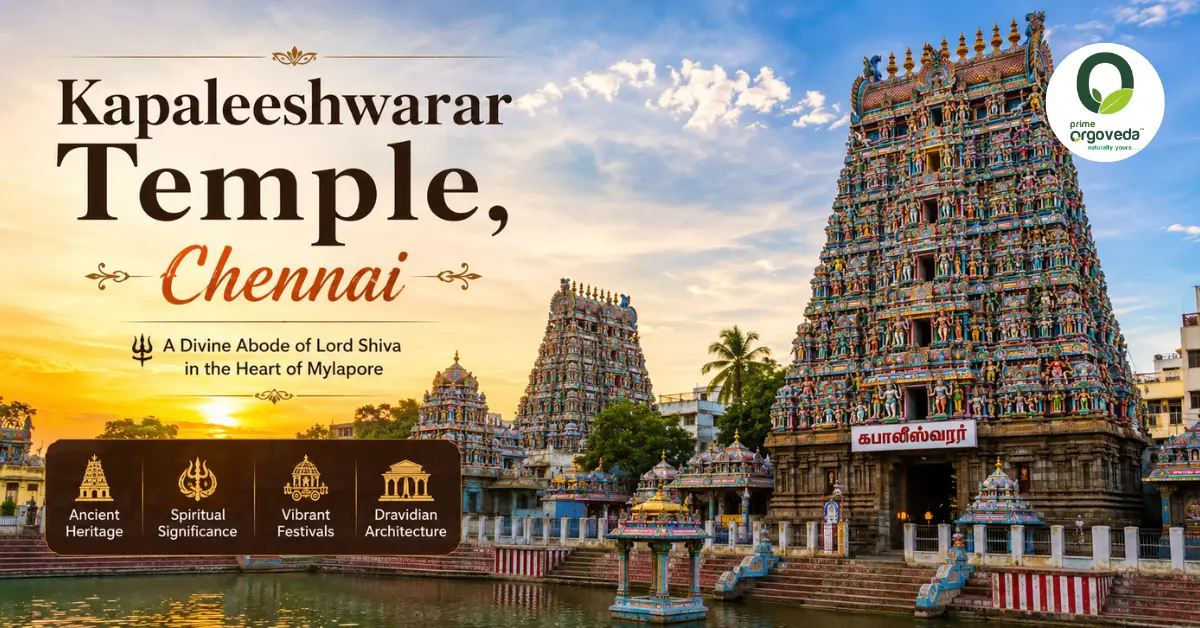
Kapaleeshwarar Temple is one of the most revered and iconic Hindu temples in Chennai, Tamil Nadu. Located in the historic neighborhood of Mylapore, this ancient temple is dedicated to Lord Shiva, worshipped here as Kapaleeshwarar, and Goddess Parvati, worshipped as Karpagambal. Renowned for its magnificent Dravidian architecture, vibrant festivals, and deep spiritual significance, the temple attracts thousands of devotees and tourists every year.
Believed to have a history spanning several centuries, Kapaleeshwarar Temple stands as a symbol of Tamil culture, devotion, and architectural excellence. Its towering gopuram (gateway tower), adorned with colorful sculptures depicting Hindu deities and mythological stories, is a remarkable sight that captivates visitors from around the world.
The temple is not only a place of worship but also a cultural landmark that reflects the rich heritage of Chennai. Daily rituals, traditional music, religious ceremonies, and grand annual festivals create an atmosphere of devotion and celebration throughout the year. Among its most famous events is the Panguni Peruvizha festival, which draws large crowds and showcases the vibrant traditions of Tamil Nadu.
For first-time visitors, Kapaleeshwarar Temple offers a unique opportunity to experience South India’s spiritual essence, admire exquisite temple architecture, and learn about the legends associated with Lord Shiva and Goddess Karpagambal. Whether you are a devotee seeking blessings, a history enthusiast, or a traveler exploring Chennai’s cultural treasures, a visit to Kapaleeshwarar Temple promises an enriching and memorable experience.
Where Is Kapaleeshwarar Temple Located?
Kapaleeshwarar Temple is situated in the heart of Mylapore, one of Chennai’s oldest and most culturally rich neighborhoods in Tamil Nadu, India. The temple is conveniently located on North Mada Street, a bustling area known for its traditional markets, religious significance, and vibrant local life.
The temple lies approximately 8 kilometers from Chennai Central Railway Station and about 16 kilometers from Chennai International Airport, making it easily accessible for both local and out-of-town visitors. Its central location also places it close to several popular attractions, including Marina Beach, San Thome Basilica, and the Luz shopping district.
Temple Address
Kapaleeshwarar Temple
North Mada Street, Mylapore,
Chennai – 600004,
Tamil Nadu, India.
Nearby Transportation Options
- Nearest Metro Station: Thirumayilai MRTS Station and Mylapore Metro connectivity points.
- Nearest Railway Station: Chennai Central Railway Station.
- Nearest Airport: Chennai International Airport.
- Bus Connectivity: Regular MTC buses operate from various parts of Chennai to Mylapore.
The temple’s location in the historic Mylapore area allows visitors to combine their spiritual journey with cultural exploration, traditional shopping, and authentic South Indian cuisine, making it a must-visit destination in Chennai.
The Fascinating History of Kapaleeshwarar Temple
Kapaleeshwarar Temple is one of Chennai’s most treasured historical and spiritual landmarks, with origins that date back several centuries. Dedicated to Lord Shiva as Kapaleeshwarar and Goddess Parvati as Karpagambal, the temple is deeply rooted in the religious and cultural heritage of Tamil Nadu.
Historical records and local traditions suggest that the original temple was built by the Pallava dynasty between the 7th and 9th centuries CE. However, historians believe that the original structure was located closer to the seashore and may have been destroyed during foreign invasions or natural calamities. The present temple is believed to have been reconstructed in the 16th century by the Vijayanagara rulers, who played a significant role in reviving many Hindu temples across South India.
The temple has long been associated with the Bhakti movement and the Tamil Shaivite saints known as the Nayanmars. Several hymns in the sacred Tevaram literature, composed by saints such as Appar and Thirugnana Sambandar, praise the deity of Mylapore, highlighting the temple’s importance as a major center of Shiva worship for centuries.
One of the most cherished legends connected to the temple tells of Goddess Parvati performing penance in the form of a peacock (mayil in Tamil) to seek Lord Shiva’s blessings. This story is believed to have given the locality its name, Mylapore, meaning “the town of the peacock.” The temple continues to preserve this legend through its rituals, sculptures, and traditions.
Throughout its history, Kapaleeshwarar Temple has served not only as a place of worship but also as a center for art, music, literature, and community life. The temple’s annual festivals, cultural events, and religious ceremonies have helped preserve Tamil traditions for generations.
Today, Kapaleeshwarar Temple stands as a magnificent example of Dravidian architecture and a living testament to Chennai’s rich spiritual heritage. Its towering gopuram, intricate carvings, and enduring traditions continue to attract devotees, historians, and travelers from around the world, making it one of the most significant temples in South India.
Legend of Lord Kapaleeshwarar and Goddess Karpagambal
The spiritual significance of Kapaleeshwarar Temple is deeply connected to the sacred legend of Lord Kapaleeshwarar (Lord Shiva) and Goddess Karpagambal (Goddess Parvati). This timeless story has been passed down through generations and remains central to the temple’s identity and traditions.
According to Hindu mythology, Goddess Parvati once became distracted while Lord Shiva was explaining the profound truths of the universe. Displeased by her lack of attention, Lord Shiva cursed her to be born on Earth in the form of a peacock. To seek forgiveness and reunite with her divine consort, Goddess Parvati descended to Earth and performed intense penance beneath a sacred Punnai tree in Mylapore.
Taking the form of a peacock, she worshipped a Shiva Lingam with complete devotion and unwavering faith. Pleased by her sincere prayers and dedication, Lord Shiva appeared before her and lifted the curse. He accepted her once again as his divine consort, blessing her with eternal grace. Because the Goddess worshipped Shiva in the form of a peacock, the area became known as Mylapore, derived from the Tamil word Mayil, meaning peacock.
Lord Shiva is worshipped here as Kapaleeshwarar, while Goddess Parvati is revered as Karpagambal. The name Karpagambal is inspired by the celestial wish-fulfilling tree, Karpaga Vriksha, symbolizing the Goddess’s boundless compassion, protection, and ability to fulfill the sincere wishes of her devotees.
The temple’s architecture and sculptures beautifully depict scenes from this divine legend. Visitors can find carvings and artistic representations of the peacock worshipping Lord Shiva, serving as a reminder of the power of devotion, humility, and spiritual perseverance.
This sacred story continues to inspire millions of devotees who visit Kapaleeshwarar Temple seeking blessings for harmony, prosperity, wisdom, and spiritual growth. The legend not only explains the origin of Mylapore’s name but also highlights the eternal bond between Lord Shiva and Goddess Parvati, making the temple one of the most revered centers of worship in South India.
Architectural Highlights of the Temple
Kapaleeshwarar Temple is a magnificent example of traditional Dravidian architecture, showcasing the artistic brilliance and craftsmanship of South India’s temple builders. The temple’s grand structures, intricate carvings, and vibrant sculptures reflect centuries of religious devotion and cultural heritage. Every corner of the temple tells a story from Hindu mythology, making it a visual and spiritual delight for visitors.
The Majestic Rajagopuram
One of the most striking features of Kapaleeshwarar Temple is its towering eastern Rajagopuram (main gateway tower). Rising to a height of over 120 feet, this magnificent structure is adorned with hundreds of colorful sculptures depicting Hindu gods, goddesses, saints, celestial beings, and scenes from sacred scriptures. The multi-tiered gopuram serves as a symbolic gateway from the material world into the divine realm and is visible from various parts of Mylapore.
Intricate Sculptures and Carvings
The temple is renowned for its detailed stone carvings and beautifully crafted pillars. These sculptures portray episodes from the lives of Lord Shiva, Goddess Parvati, and other deities, along with stories from Hindu epics such as the Ramayana and Mahabharata. The artistic precision displayed in these carvings reflects the rich cultural and religious traditions preserved through generations.
Sacred Shrines and Mandapams
Within the temple complex are several shrines dedicated to various deities, including Lord Murugan, Ganesha, and the sixty-three Nayanmar saints. Spacious mandapams (pillared halls) are used for religious ceremonies, cultural performances, and festival celebrations. The pillars feature exquisite carvings that highlight the architectural excellence of the Vijayanagara period.
The Temple Tank (Kapali Theertham)
Located adjacent to the temple, the sacred temple tank, known as Kapali Theertham, is an important part of the complex. The tank is used during religious ceremonies and festival processions and is believed to possess spiritual significance. During major festivals, devotees gather around the tank to participate in sacred rituals and witness traditional celebrations.
The Sanctum Sanctorum
At the heart of the temple lies the sanctum sanctorum, where Lord Kapaleeshwarar is worshipped in the form of a Shiva Lingam. Designed according to ancient Agama principles, the sanctum creates an atmosphere of peace and reverence. Nearby, the shrine of Goddess Karpagambal attracts devotees seeking blessings for prosperity, wisdom, and well-being.
Vibrant Dravidian Design
The temple’s architecture embodies the classic characteristics of Dravidian temple design, including towering gopurams, enclosed courtyards, pillared halls, sacred water bodies, and richly decorated shrines. The harmonious blend of spirituality and artistry makes Kapaleeshwarar Temple one of Chennai’s most admired architectural landmarks.
For first-time visitors, the temple offers more than a place of worship—it provides a fascinating glimpse into South India’s architectural heritage, religious traditions, and artistic legacy that have flourished for centuries.
Main Deities Worshipped at Kapaleeshwarar Temple
Kapaleeshwarar Temple is primarily dedicated to Lord Shiva and Goddess Parvati, who are worshipped here as Kapaleeshwarar and Karpagambal, respectively. Alongside the main deities, the temple also houses several shrines dedicated to other important Hindu gods and revered saints, making it a significant center of worship for devotees from all walks of life.
Lord Kapaleeshwarar
The presiding deity of the temple is Lord Shiva, worshipped in the form of a sacred Shiva Lingam known as Kapaleeshwarar. The name “Kapaleeshwarar” is derived from the Sanskrit word Kapala, meaning skull, and is associated with one of Lord Shiva’s many divine manifestations. Devotees visit the shrine seeking blessings for spiritual growth, inner peace, protection, and the removal of obstacles from their lives.
The sanctum sanctorum housing Lord Kapaleeshwarar is the spiritual heart of the temple, where daily rituals, abhishekams, and special poojas are performed with great devotion.
Goddess Karpagambal
Goddess Parvati is worshipped here as Karpagambal, one of the most revered forms of the Divine Mother. The name Karpagambal is inspired by the celestial wish-fulfilling tree, Karpaga Vriksha, symbolizing abundance, compassion, and prosperity.
Devotees pray to Goddess Karpagambal for family well-being, success, good health, wisdom, and fulfillment of sincere wishes. Her shrine is known for its serene atmosphere and attracts thousands of devotees every day.
Lord Singaravelar (Murugan)
The temple also features a prominent shrine dedicated to Lord Murugan, the son of Lord Shiva and Goddess Parvati. Worshipped here as Singaravelar, Lord Murugan is revered as the deity of courage, wisdom, and victory. Special prayers are offered during festivals such as Skanda Sashti and Thaipusam.
Lord Ganesha
Near the entrance and within various parts of the temple complex, devotees can find shrines dedicated to Lord Ganesha, the remover of obstacles and the god of beginnings. Many visitors offer prayers to Ganesha before proceeding to worship the main deities.
The Sixty-Three Nayanmars
Kapaleeshwarar Temple holds a special place in the history of Tamil Shaivism and features statues of the sixty-three Nayanmars, the revered saint-poets who devoted their lives to the worship of Lord Shiva. These saints are honored during the famous Arubathimoovar Festival, one of the temple’s most celebrated annual events.
Other Important Shrines
The temple complex also includes shrines dedicated to:
- Lord Dakshinamurthy
- Chandikeswarar
- Durga Devi
- Bhairavar
- Navagrahas (the nine planetary deities)
- Nataraja (Lord Shiva in his cosmic dancing form)
A Sacred Center of Divine Worship
The presence of multiple deities within Kapaleeshwarar Temple allows devotees to seek blessings for various aspects of life, including spiritual growth, prosperity, health, wisdom, and protection. Together, these shrines create a deeply devotional atmosphere that reflects the rich spiritual traditions of Hinduism and the enduring heritage of Tamil Nadu.
Religious and Spiritual Significance
Kapaleeshwarar Temple is one of the most sacred Shiva temples in Tamil Nadu and holds immense religious and spiritual importance for devotees. For centuries, it has served as a center of worship, devotion, and cultural heritage, attracting pilgrims from across India and beyond. The temple is not only a place for offering prayers but also a spiritual sanctuary where devotees seek inner peace, divine blessings, and a deeper connection with the divine.
A Revered Abode of Lord Shiva
Dedicated to Lord Kapaleeshwarar, a revered form of Lord Shiva, the temple is considered a powerful place for spiritual growth and self-reflection. Devotees believe that sincere prayers offered here help remove obstacles, cleanse negative karma, and bring prosperity, wisdom, and well-being. The sacred atmosphere of the temple encourages meditation, devotion, and spiritual awakening.
Significance of Goddess Karpagambal
The shrine of Goddess Karpagambal holds special significance among devotees seeking maternal blessings, family harmony, and fulfillment of wishes. As a compassionate form of Goddess Parvati, she is regarded as a divine protector who grants strength, guidance, and prosperity to her devotees. Many people visit her shrine to pray for successful marriages, healthy relationships, and overall happiness.
Connection to Tamil Shaivism
Kapaleeshwarar Temple occupies a prominent place in the tradition of Tamil Shaivism. It is closely associated with the Nayanmars, the sixty-three saint-poets whose devotional hymns played a vital role in spreading the worship of Lord Shiva throughout South India. The temple’s mention in sacred Tamil devotional literature further enhances its religious importance and historical prestige.
A Symbol of Devotion and Divine Grace
The temple’s founding legend, in which Goddess Parvati worshipped Lord Shiva in the form of a peacock to regain his blessings, symbolizes the power of faith, humility, and perseverance. This story continues to inspire devotees, reminding them that sincere devotion can overcome challenges and lead to spiritual fulfillment.
Sacred Rituals and Daily Worship
The temple is known for its elaborate daily rituals, including abhishekams, archanas, and deeparadhanas, performed according to ancient Agama traditions. The rhythmic chanting of Vedic hymns, the fragrance of incense, and the sound of temple bells create a deeply spiritual environment that enhances the worship experience.
Importance During Festivals
Major festivals such as Panguni Peruvizha, Arubathimoovar Festival, Maha Shivaratri, and Navaratri transform the temple into a vibrant center of devotion. These celebrations attract thousands of devotees who participate in special prayers, processions, and cultural events, strengthening the bond between faith, community, and tradition.
A Place for Inner Peace and Spiritual Growth
Many visitors come to Kapaleeshwarar Temple not only to worship but also to find solace from the stresses of daily life. The temple’s serene surroundings, sacred shrines, and centuries-old traditions provide an ideal setting for contemplation, prayer, and spiritual renewal.
For devotees and visitors alike, Kapaleeshwarar Temple represents more than an architectural marvel—it is a living symbol of faith, devotion, and divine grace that continues to inspire generations and preserve the rich spiritual heritage of Tamil Nadu.
Kapaleeshwarar Temple Timings and Darshan Information
Kapaleeshwarar Temple welcomes devotees throughout the year and offers multiple opportunities for darshan and worship each day. Whether you are visiting for a quick prayer, participating in a special pooja, or exploring the temple’s architectural beauty, knowing the temple timings in advance can help you plan a smooth and spiritually fulfilling visit.
Temple Opening Hours
The temple generally follows the schedule below:
| Morning | 5:00 AM – 12:00 PM |
| Evening | 4:00 PM – 9:30 PM |
The temple remains closed between the afternoon and evening sessions for maintenance and preparation for the next round of rituals. Timings may vary slightly during major festivals and special religious occasions.
Darshan Information
Devotees can have darshan of both Lord Kapaleeshwarar and Goddess Karpagambal at their respective shrines within the temple complex. Entry for general darshan is usually free, while special darshan and pooja tickets may be available on certain days.
Approximate Waiting Time
Darshan waiting times vary depending on the day and season:
- Weekdays: Usually 10–30 minutes.
- Weekends and auspicious days: 30 minutes to 1 hour or more.
- Major festivals such as Panguni Peruvizha and Maha Shivaratri: Significantly longer waiting periods can be expected.
Best Time for a Peaceful Darshan
For a less crowded and more peaceful experience, consider visiting:
- Early morning between 5:00 AM and 7:00 AM.
- Evening soon after reopening at 4:00 PM.
- Non-festival weekdays.
Important Visitor Guidelines
- Dress modestly and respectfully while entering the temple.
- Remove footwear before entering the temple premises.
- Maintain silence and follow temple customs during worship.
- Photography may be restricted inside certain areas of the temple.
- Follow instructions provided by temple authorities, especially during festivals and special events.
Entry Fees
- General Darshan: Free
- Special Darshan/Pooja Tickets: Available for selected services and rituals, subject to temple regulations.
A visit during the early morning hours allows devotees to experience the temple’s serene atmosphere, Vedic chants, and traditional rituals, making the darshan even more spiritually rewarding.
Daily Rituals and Pooja Schedule
The spiritual atmosphere of Kapaleeshwarar Temple is enriched by its daily rituals and poojas, which have been performed according to ancient Agama traditions for centuries. These sacred ceremonies form the heart of temple worship and provide devotees with opportunities to seek the blessings of Lord Kapaleeshwarar and Goddess Karpagambal throughout the day. Each ritual includes offerings, abhishekam (sacred bathing), alangaram (decoration), naivedyam (food offering), and deeparadhana (waving of lamps), accompanied by Vedic chanting and traditional temple music.
Daily Pooja Schedule
| Pooja | Timings |
| Ko Pooja | 5:00 AM – 5:30 AM |
| Vaikarai Pooja | 6:00 AM |
| Kalasandhi Pooja | 8:00 AM |
| Uchikala Pooja (Noon Worship) | 12:00 PM |
| Sayarakshai Pooja (Evening Worship) | 5:00 PM |
| Irandam Kalam / Evening Pooja | 6:30 PM |
| Ardhajama Pooja (Night Worship) | 9:00 PM |
These six daily poojas are the principal worship services conducted at the temple and are considered highly auspicious for devotees seeking divine grace.
Significance of the Daily Rituals
Ko Pooja
The first ritual of the day marks the ceremonial awakening of the deity. Fresh flowers, sandalwood paste, and sacred offerings are presented to invoke divine blessings for the day ahead.
Vaikarai Pooja
Conducted during the early morning hours, this pooja symbolizes purity and spiritual awakening. Many devotees prefer this time for peaceful worship and meditation.
Kalasandhi Pooja
One of the most important morning rituals, Kalasandhi includes elaborate abhishekam and special prayers offered to Lord Kapaleeshwarar and Goddess Karpagambal.
Uchikala Pooja
Performed around midday, this ceremony signifies gratitude and devotion. Devotees often attend this pooja to seek blessings for prosperity, success, and well-being.
Sayarakshai Pooja
The evening worship marks the transition from day to night. The temple comes alive with the sound of bells, devotional hymns, and the glow of oil lamps.
Irandam Kalam Pooja
This evening ritual continues the worship activities and provides devotees another opportunity to offer prayers after sunset.
Ardhajama Pooja
The final pooja of the day is performed before the temple closes. The deity is ceremonially prepared for rest, creating a serene and deeply spiritual atmosphere.
Special Rituals
In addition to the daily poojas, the temple conducts special abhishekams, archanais, and Rahu-related worship services on auspicious days. Weekly observances such as Mondays for Lord Shiva, Fridays for Goddess Karpagambal, Pradosham, Pournami (Full Moon), and Amavasya (New Moon) attract large numbers of devotees.
Best Time to Attend a Pooja
For a peaceful and spiritually enriching experience, devotees often choose the early morning Vaikarai Pooja or the evening Sayarakshai Pooja. These ceremonies offer a beautiful combination of devotion, traditional music, sacred chanting, and temple rituals that showcase the living spiritual heritage of Kapaleeshwarar Temple.
Important Festivals Celebrated at Kapaleeshwarar Temple
Kapaleeshwarar Temple is famous not only for its divine significance but also for its grand and vibrant festivals that reflect the rich cultural heritage of Tamil Nadu. These celebrations transform Mylapore into a lively spiritual hub filled with music, rituals, processions, and thousands of devotees. Each festival has deep religious meaning and is celebrated with great devotion in honor of Lord Kapaleeshwarar and Goddess Karpagambal.
1. Panguni Peruvizha (Brahmotsavam)
The most important annual festival of the temple is the Panguni Peruvizha, celebrated during the Tamil month of Panguni (March–April). It is a grand 9–10 day festival that includes daily processions of the deities on different vahanas (vehicles), special rituals, and cultural events.
The festival begins with Dwajarohanam (flag hoisting) and continues with various processions, including the famous Ther Thiruvizha (chariot festival). The entire Mylapore area comes alive with devotional songs, temple music, and thousands of devotees participating in celebrations.
2. Arubathimoovar Festival
The Arubathimoovar Festival is the most iconic and spiritually significant event of the temple. It honors the 63 Nayanmars (Shaivite saints) who dedicated their lives to Lord Shiva.
On this day, the idols of all 63 saints are taken in a grand procession following Lord Kapaleeshwarar. The event attracts massive crowds and is considered the highlight of the Panguni festival season, symbolizing devotion, equality, and divine grace.
3. Maha Shivaratri
Maha Shivaratri is another major festival celebrated at Kapaleeshwarar Temple. Devotees observe night-long prayers, fasting, and special abhishekams for Lord Shiva.
The temple remains open late into the night, filled with chanting of “Om Namah Shivaya,” devotional hymns, and continuous worship, creating a deeply spiritual atmosphere.
4. Float Festival (Theppam)
The Float Festival (Theppa Thiruvizha) is held in the temple tank, Kapali Theertham. During this event, the deities are placed on a decorated float and taken around the water tank illuminated with lights and devotional decorations.
It is a visually beautiful festival symbolizing peace, prosperity, and divine celebration.
5. Navaratri Festival
The Navaratri Festival is dedicated to Goddess Durga, Lakshmi, and Saraswati and is celebrated for nine nights.
Each set of three days is dedicated to one form of the Goddess, and the temple hosts special poojas, classical music, and cultural performances.
6. Vasantha Utsavam
The Vasantha Utsavam (Spring Festival) is a seasonal celebration featuring special decorations, rituals, and devotional music programs. It highlights the temple’s connection with nature, renewal, and spiritual joy.
The festivals of Kapaleeshwarar Temple are not just religious events but a living expression of Tamil culture, devotion, and tradition. From grand chariot processions to peaceful night-long prayers, each festival offers a unique spiritual experience that attracts devotees and travelers from around the world.
Best Time to Visit Kapaleeshwarar Temple
Kapaleeshwarar Temple is open throughout the year, but choosing the right time can greatly enhance your spiritual and sightseeing experience. The temple’s atmosphere, crowd levels, and festival activities vary depending on the season and time of day.
Best Time of Day
Early Morning (5:00 AM – 7:00 AM)
- Most peaceful and less crowded time
- Ideal for calm darshan and meditation
- Fresh rituals and Vedic chanting can be experienced
Evening (4:00 PM – 6:30 PM)
- Beautiful lighting and devotional ambiance
- Suitable for witnessing evening poojas (deeparadhana)
- Pleasant weather, especially in Chennai heat
Best Season to Visit
October to March (Recommended)
- Cool and pleasant weather in Chennai
- Comfortable for walking around Mylapore streets
- Ideal for sightseeing along with temple visit
Avoid Peak Summer (April – June)
- Very hot and humid conditions
- Can be tiring for long temple visits
Best Time During Festivals
Visiting during festivals offers a unique cultural experience:
- Panguni Peruvizha (March–April) – Grand chariot festival and processions
- Arubathimoovar Festival – Spectacular procession of 63 Nayanmars
- Maha Shivaratri – Night-long spiritual celebrations
- Navaratri – Devotional music and cultural programs
Festival times are highly crowded but spiritually vibrant and unforgettable.
Quick Tips for Visitors
- Arrive early to avoid long queues
- Wear modest traditional clothing
- Avoid weekends if you prefer fewer crowds
- Carry water, especially in summer months
- Photography may be restricted in certain areas
For first-time visitors, the early morning darshan between 5:00 AM and 7:00 AM during October–March is considered the best combination of peace, weather comfort, and spiritual experience at Kapaleeshwarar Temple.
Dress Code and Visitor Guidelines
Visiting Kapaleeshwarar Temple is a deeply spiritual experience, and following the dress code and temple etiquette helps maintain the sanctity and traditions of this sacred place. The temple expects all devotees to dress modestly and behave respectfully within the premises.
Dress Code for Visitors
Kapaleeshwarar Temple follows a traditional and modest dress code:
For Men
- Dhoti with shirt or upper cloth (preferred)
- Full-length trousers with shirt (allowed)
- Avoid: shorts, bermudas, sleeveless shirts, and overly casual wear
For Women
- Saree with blouse (preferred)
- Churidar or salwar kameez with dupatta
- Avoid: short skirts, leggings without proper coverage, sleeveless tops, and western revealing outfits
The general rule is simple: clothing should be traditional and respectful while covering shoulders and knees appropriately.
What Is Not Allowed
- Shorts or half pants
- Mini skirts or short dresses
- Sleeveless tops or vests
- Tight or revealing western wear
- Improper or indecent clothing inside temple premises
Temple Visitor Guidelines
To ensure a peaceful darshan experience, visitors are expected to follow these rules:
- Remove footwear before entering the temple
- Maintain silence in sanctum areas
- Avoid pushing or rushing during darshan
- Photography may be restricted in inner sanctum areas
- Do not bring alcohol, non-vegetarian food, or tobacco products
- Respect priests, rituals, and other devotees
Additional Important Tips
- Visit early morning or evening for a smoother darshan experience
- Wear simple, comfortable traditional clothing, especially during festivals
- Keep personal belongings minimal to avoid inconvenience in crowded times
- Follow instructions from temple staff during peak festival days
The Kapaleeshwarar Temple is not just a place of worship but a living heritage site. Dressing modestly and following temple etiquette ensures that every visitor can experience its divine atmosphere with respect, devotion, and peace.
How to Reach Kapaleeshwarar Temple
Kapaleeshwarar Temple, located in Mylapore, Chennai, is one of the most well-connected and easily accessible temples in the city. You can reach the temple conveniently by bus, train, metro, auto, or taxi from any part of Chennai.
By Bus
The temple is well connected by MTC city buses from major areas like T. Nagar, Adyar, Triplicane, Egmore, and Central Chennai.
- Get down at Mylapore Tank Bus Stop or Kapaleeshwarar Temple Stop
- Short walk of 2–5 minutes to the temple entrance
- Frequent bus routes pass through Mylapore throughout the day
By Train (MRTS / Suburban Rail)
The nearest railway access is:
- Thirumayilai MRTS Station (Mylapore) – about 1 km away
- You can walk (10–15 minutes) or take an auto from the station
- Chennai Central and Egmore stations are also nearby (6–8 km)
By Metro
- Nearest metro connectivity: Mandaveli Metro Station (Blue Line extension)
- From there, you can take an auto or walk to the temple
- Metro is a good option if you are coming from areas like Anna Nagar, Koyambedu, or CMBT
By Auto / Taxi / Cab
- Easily available from anywhere in Chennai via Ola, Uber, or local autos
- Just enter “Kapaleeshwarar Temple, Mylapore” as your destination
- Best option for direct and comfortable travel, especially for families and elders
By Air
- Chennai International Airport is about 15–17 km away
- Travel time: 40–60 minutes depending on traffic
- Prepaid taxis and cab services are available at the airport
Local Tip (Very Useful)
Mylapore is a busy cultural area, so:
- Walking from nearby landmarks like Luz Church Road or San Thome is also common
- Narrow streets around the temple are best explored on foot
- Expect traffic during festivals like Panguni Peruvizha
Quick Travel Summary
- Nearest MRTS: Thirumayilai
- Nearest Bus Stop: Mylapore Tank / Kapaleeshwarar Stop
- Nearest Metro: Mandaveli
- Nearest Airport: Chennai International Airport
Kapaleeshwarar Temple is located in the heart of Chennai’s heritage zone, making it extremely accessible from all parts of the city. Whether you choose bus, train, metro, or cab, reaching the temple is simple and convenient, allowing you to focus fully on your spiritual visit.
Nearby Attractions to Explore
Kapaleeshwarar Temple is located in Mylapore, Chennai, one of the city’s oldest cultural neighborhoods. After your temple visit, you can explore several nearby attractions that reflect Chennai’s spiritual, historical, and coastal charm.
San Thome Basilica
One of the most important Christian pilgrimage sites in India, this beautiful neo-Gothic church is believed to be built over the tomb of St. Thomas the Apostle. It is located just a short drive from Kapaleeshwarar Temple and offers a peaceful and architectural contrast to the temple’s Dravidian style.
Marina Beach
One of the longest urban beaches in the world, Marina Beach is a must-visit for its scenic coastline, sunrise views, and lively evening atmosphere. It is perfect for a relaxing walk after your spiritual visit to the temple.
Parthasarathy Temple
An ancient temple dedicated to Lord Krishna (Parthasarathy), this temple in Triplicane is one of the oldest structures in Chennai. It showcases traditional Dravidian architecture and deep spiritual significance, similar to Kapaleeshwarar Temple.
Luz Church & Luz Corner Area
A historic neighborhood in Mylapore known for its colonial-era church, boutique shops, cafés, and traditional eateries. It’s a great place to experience both old Chennai charm and modern lifestyle.
Mylapore Cultural Streets
The streets around the temple are filled with:
- Traditional silk saree shops
- Brass lamp and spiritual item stores
- Flower markets for temple offerings
- Authentic South Indian restaurants
Walking through these streets gives you a real taste of Chennai’s cultural lifestyle.
Rasika Ranjani Sabha (R. R. Sabha)
A famous cultural venue in Mylapore known for classical music and dance performances, especially during the Margazhi season. It is a great place to experience Carnatic music and Bharatanatyam performances.
The area around Kapaleeshwarar Temple is a perfect blend of spirituality, culture, heritage, and modern Chennai life. From ancient temples to serene beaches and vibrant streets, Mylapore offers a complete cultural experience within a short distance.
Local Shopping and Cultural Experiences in Mylapore
Mylapore, the cultural heart of Chennai, offers a vibrant mix of traditional shopping streets, temple-centric markets, and rich cultural experiences. Around Kapaleeshwarar Temple, every lane reflects centuries-old traditions, making it one of the most authentic places to experience Tamil heritage.
Street Shopping Experience
The streets around Kapaleeshwarar Temple transform into a lively bazaar:
- Fresh jasmine and marigold flower stalls for temple offerings
- Small vendors selling bangles, incense sticks, camphor, and kumkum
- Shops offering bronze lamps, spiritual décor, and brass idols
- Seasonal stalls during festivals like Panguni Peruvizha
The experience is deeply sensory—filled with the fragrance of flowers, the sound of temple bells, and the vibrant energy of devotees.
Cultural Experiences in Mylapore
Beyond shopping, Mylapore offers rich cultural immersion:
- Carnatic music concerts during the Margazhi season
- Classical dance performances like Bharatanatyam
- Heritage walks around temple streets and tanks
- Traditional South Indian food stalls and filter coffee spots
- Peaceful visits to nearby cultural landmarks and sabhas
Chennai Citi Centre also offers a modern contrast with shopping, dining, and cinema options close to the heritage zone.
Mylapore is not just a shopping destination—it is a living cultural experience. From temple-side markets and silk stores to classical music and traditional festivals, every corner near Kapaleeshwarar Temple reflects the soul of Chennai’s heritage.
Photography and Temple Etiquette
Visiting Kapaleeshwarar Temple is both a spiritual and cultural experience, and following proper etiquette helps preserve the sanctity of this ancient place of worship. Understanding photography rules and behavioral guidelines ensures a respectful visit for everyone.
Photography Guidelines
Photography rules inside Kapaleeshwarar Temple are strictly regulated:
Restricted Areas
- Photography is not allowed inside the sanctum sanctorum (garbhagriha)
- No photos of main deities during darshan
- Certain inner corridors and ritual areas are restricted
Allowed Areas
- Exterior temple architecture and Rajagopuram
- Temple tanks and outer courtyards (with permission if required)
- Street views around the temple complex and mada streets
Important Notes
- Mobile phones and cameras may need to be switched off or kept away in some zones
- Flash photography is discouraged, even in permitted areas
- Always check signage or follow instructions from temple staff
Temple Etiquette and Behavior
To maintain a peaceful spiritual environment, visitors are expected to follow traditional temple customs:
Entry Rules
- Remove footwear before entering temple premises
- Wash hands if required before darshan
- Enter with a calm and respectful mindset
Behavior Inside the Temple
- Maintain silence or speak softly
- Avoid pushing or rushing during queues
- Do not block pathways or rituals for photos or videos
Dress and Appearance
- Wear modest, traditional clothing (covered shoulders and knees)
- Avoid flashy or inappropriate outfits
- Remove hats, caps, and sunglasses inside sanctum areas
Prohibited Items
- Alcohol, tobacco, and non-vegetarian food
- Loud electronic devices or speakers
- Drones or professional filming equipment without permission
- Any disruptive behavior during rituals
Respecting Rituals and Devotees
- Do not interrupt priests during poojas or abhishekams
- Avoid touching idols or sacred objects
- Allow elderly and differently-abled devotees priority during darshan
- Be mindful of queues during peak festival times
Helpful Tips for First-Time Visitors
- Visit early morning for fewer crowds and better photography outside
- Keep your camera safely stored unless you are outside permitted zones
- Focus on experiencing the temple spiritually rather than capturing everything
- Ask temple authorities if unsure about any rule
Kapaleeshwarar Temple is a sacred space where devotion and tradition come first. By following photography rules and respecting temple etiquette, visitors contribute to preserving the spiritual atmosphere and ensure a meaningful experience for all devotees.
Tips for First-Time Visitors
A visit to Kapaleeshwarar Temple is a deeply spiritual experience, and a little preparation can make your darshan smoother, more comfortable, and more meaningful. Here are some important tips for first-time visitors.
Plan Your Visit Timing
- Visit early morning (5:00 AM – 7:00 AM) for peaceful darshan
- Evenings (4:00 PM – 6:30 PM) are also ideal for rituals and ambience
- Avoid peak festival hours if you prefer less crowd
- Weekdays are generally less crowded than weekends
Dress Appropriately
- Wear modest, traditional clothing
- Men: dhoti or full-length trousers with shirt
- Women: saree or salwar kameez with dupatta
- Avoid shorts, sleeveless tops, and western casual wear
Be Prepared for Walking & Crowds
- Expect long queues during weekends and festivals
- Wear comfortable footwear (you must remove it before entering)
- Be ready for some walking inside the temple complex
Follow Temple Etiquette
- Maintain silence and respect during prayers
- Do not disturb ongoing rituals or priests
- Avoid rushing or pushing in darshan queues
- Follow instructions from temple staff
Photography Awareness
- Photography is not allowed in inner sanctum areas
- Capture only permitted outer areas if allowed
- Always respect signage and temple rules
Understand the Ritual Flow
- Try to attend a pooja like Kalasandhi or Sayarakshai
- Observe abhishekam, lamps, and chanting for a deeper experience
- If possible, participate in simple offerings or archanai
Avoid Carrying Restricted Items
- No alcohol, tobacco, or non-vegetarian food
- Avoid large bags or unnecessary valuables
- Keep belongings minimal for easier movement
Make Time for Mylapore Experience
- Explore nearby flower markets for temple offerings
- Visit local shops selling brass lamps and spiritual items
- Try traditional South Indian food around the temple area
Stay Spiritually Mindful
- Enter the temple with a calm and respectful mindset
- Focus more on devotion than photography or sightseeing
- Take a few moments to sit quietly inside the temple if possible
Your first visit to Kapaleeshwarar Temple will be most fulfilling when you balance planning, patience, and devotion. A calm approach allows you to fully experience the temple’s divine atmosphere, rich traditions, and spiritual energy.
Interesting Facts About Kapaleeshwarar Temple
Kapaleeshwarar Temple in Mylapore, Chennai, is not only a sacred place of worship but also a treasure house of history, mythology, and cultural heritage. Here are some fascinating facts that make this temple truly unique.
1. Ancient Origins with a Mysterious Past
The original temple is believed to have existed over 1,300 years ago, with roots tracing back to the Pallava period. However, the present structure was rebuilt by the Vijayanagara rulers after the original temple was reportedly destroyed.
2. The Legend of the Peacock
The name Mylapore is derived from the Tamil word “Mayil” meaning peacock. According to legend, Goddess Parvati worshipped Lord Shiva in the form of a peacock here, giving the area its name and spiritual identity.
3. Stunning Dravidian Architecture
The temple is a classic example of Dravidian-style architecture, featuring:
- A towering Rajagopuram (gateway tower)
- Intricate stone carvings
- Sculptures of gods, saints, and mythological scenes
Its vibrant, colorful gopuram is one of the most recognizable landmarks in Chennai.
4. Sculptures That Tell Stories
Every pillar and wall of the temple depicts scenes from Hindu epics like the Ramayana and Mahabharata, as well as stories of Lord Shiva and the 63 Nayanmars.
5. Dedicated to Shiva and Parvati
The temple is dedicated to:
- Lord Shiva as Kapaleeshwarar
- Goddess Parvati as Karpagambal
Both are worshipped as the main deities in separate shrines.
6. Famous Arubathimoovar Festival
One of the most unique festivals here is the Arubathimoovar Festival, where idols of the 63 Nayanmar saints are taken in a grand procession along with Lord Shiva.
7. Sacred Temple Tank
The temple has a holy water tank called Kapali Theertham, used during religious rituals and float festivals (Theppam).
8. Cultural Hub of Mylapore
The temple is not just a religious center but also a hub of:
- Carnatic music
- Bharatanatyam performances
- Traditional Tamil festivals and arts
9. Located in One of Chennai’s Oldest Neighborhoods
Mylapore is one of the oldest inhabited areas in Chennai, known for its strong cultural and spiritual traditions dating back centuries.
10. A Living Temple Tradition
Unlike many historical monuments, Kapaleeshwarar Temple is a living, active temple where daily rituals, poojas, and festivals continue uninterrupted for centuries.
Kapaleeshwarar Temple is more than a monument—it is a living symbol of devotion, culture, and ancient Tamil heritage. Every visit reveals a new layer of history, spirituality, and architectural beauty that continues to inspire millions of devotees and visitors.
Frequently Asked Questions (FAQs)
Here are some commonly asked questions about Kapaleeshwarar Temple to help first-time visitors plan their trip better.
1. Where is Kapaleeshwarar Temple located?
Kapaleeshwarar Temple is located in Mylapore, Chennai, Tamil Nadu, India, near North Mada Street. It is one of the most famous landmarks in the city.
2. What are the temple timings?
The temple is generally open:
- Morning: 5:00 AM – 12:00 PM
- Evening: 4:00 PM – 9:30 PM
Timings may change during festivals and special occasions.
3. Is entry free for visitors?
Yes, general darshan is free for all devotees. However, special pooja services or quicker darshan options may have nominal charges.
4. Is there a dress code?
Yes. Visitors are expected to wear modest and traditional clothing:
- Men: Dhoti or full-length trousers with shirt
- Women: Saree or salwar kameez
- Shorts, sleeveless tops, and revealing outfits are not allowed
5. Is photography allowed inside the temple?
- Photography is not allowed inside the sanctum sanctorum
- Outer areas may allow photography depending on temple rules
- Always follow signage and instructions from temple authorities
6. Which deities are worshipped here?
The main deities are:
- Lord Shiva as Kapaleeshwarar
- Goddess Parvati as Karpagambal
The temple also has shrines for Lord Ganesha, Murugan, Durga, and the 63 Nayanmars.
7. How can I reach the temple?
You can reach the temple easily via:
- Bus (MTC city buses)
- MRTS train (Thirumayilai station)
- Metro (Mandaveli nearby)
- Taxi or auto from anywhere in Chennai
- Chennai International Airport is about 15–17 km away
8. What is the best time to visit?
- Early morning (5:00 AM – 7:00 AM) for peaceful darshan
- October to March for pleasant weather
- Festival seasons for cultural experience (but crowded)
9. What are the major festivals celebrated here?
Important festivals include:
- Panguni Peruvizha
- Arubathimoovar Festival
- Maha Shivaratri
- Navaratri
- Float Festival (Theppam)
10. What should first-time visitors keep in mind?
- Remove footwear before entering
- Maintain silence and respect rituals
- Avoid peak crowd times if possible
- Follow temple rules and instructions
Kapaleeshwarar Temple offers a blend of spirituality, history, and culture. Understanding these FAQs helps ensure a smooth, respectful, and enriching visit to one of Chennai’s most iconic temples.
Conclusion
Kapaleeshwarar Temple stands as one of Chennai’s most treasured spiritual landmarks, offering visitors a remarkable blend of devotion, history, culture, and architectural beauty. From its fascinating legends and centuries-old traditions to its magnificent Dravidian architecture and vibrant festivals, the temple provides an unforgettable experience for devotees and travelers alike.
Whether you come seeking divine blessings from Lord Kapaleeshwarar and Goddess Karpagambal, exploring Tamil Nadu’s rich cultural heritage, or simply admiring the temple’s artistic grandeur, every visit leaves a lasting impression. The sacred rituals, serene atmosphere, towering gopuram, and vibrant celebrations reflect the enduring faith and traditions that have been preserved here for generations.
Beyond its religious significance, the temple serves as the heart of Mylapore’s cultural life, surrounded by bustling markets, traditional shops, classical music venues, and historic landmarks. This unique combination of spirituality and local culture makes Kapaleeshwarar Temple much more than a place of worship—it is a living symbol of Chennai’s heritage and identity.
For first-time visitors, the temple offers an opportunity to experience the essence of South Indian spirituality in an authentic and welcoming environment. Whether you visit during a grand festival or on a peaceful morning, the temple’s divine energy and timeless charm are sure to leave you inspired.
A journey to Kapaleeshwarar Temple is not just a visit to a sacred site; it is an immersion into centuries of faith, tradition, and devotion. It remains a must-visit destination for anyone wishing to discover the spiritual soul of Chennai and the rich cultural legacy of Tamil Nadu.


 Agarbatti
 Computer Loban
 Dhoop Sticks
 Dhoop Cones
 Loban Powder
 Dhoop Cups
 Soap
Soap Facewash
 Shampoo