
Blog
Trimbakeshwar Jyotirling Mandir: A Journey to Lord Shiva’s Sacred Abode

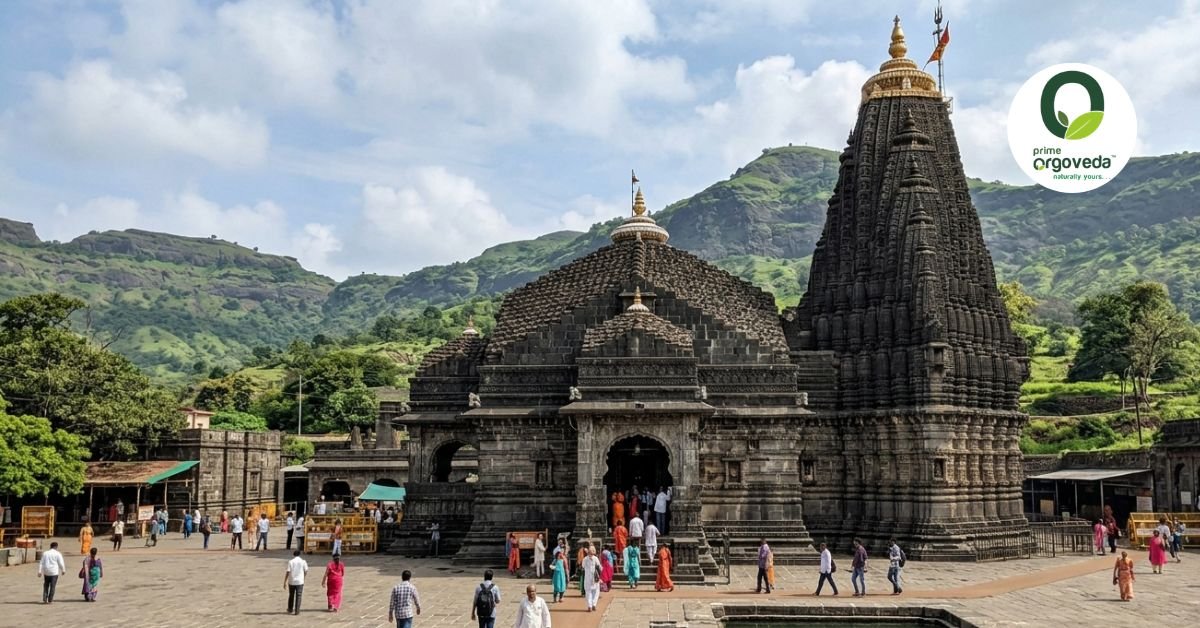
Nestled in the serene town of Trimbak near Nashik in Maharashtra, the Trimbakeshwar Jyotirling Mandir stands as one of the most revered pilgrimage destinations for devotees of Lord Shiva. Surrounded by the lush Brahmagiri hills, this sacred shrine is not only spiritually powerful but also deeply connected to ancient Hindu traditions and beliefs.
The Trimbakeshwar temple holds a special place among the twelve Jyotirlingas, as it uniquely represents the trinity of Brahma, Vishnu, and Maheshwara in a single lingam. This rare feature makes it a significant center of worship and draws thousands of pilgrims seeking blessings, peace, and spiritual fulfillment.
Known for its divine atmosphere and sacred rituals, the Trimbakeshwar Shiva Temple is also associated with the origin of the holy Godavari River, further enhancing its religious importance. Whether you are a spiritual seeker or a traveler exploring India’s rich heritage, this temple offers a profound experience that blends devotion, history, and natural beauty.
Spiritual Significance of Trimbakeshwar Jyotirlinga
The spiritual essence of Trimbakeshwar Jyotirlinga Temple goes far beyond its architectural beauty. Revered as one of the twelve Jyotirlingas of Lord Shiva, this sacred site is believed to be a powerful center of divine energy where devotees can attain spiritual growth, inner peace, and liberation (moksha).
At the heart of the Trimbakeshwar Mandir lies a unique Jyotirlinga that symbolizes the holy trinity—Brahma, Vishnu, and Shiva. This rare representation signifies the cycle of creation, preservation, and destruction, making the temple spiritually distinct among all Shiva shrines in India.
The Trimbakeshwar Mahadev Temple is also deeply associated with sacred rituals that are believed to cleanse past karmas and remove life obstacles. Devotees from across the country visit here to perform powerful rites that hold immense astrological and spiritual importance.
One of the most significant rituals conducted here is the Trimbakeshwar Kaal Sarp Puja, which is performed to reduce the negative effects of planetary alignments in one’s horoscope. It is believed that performing this puja with proper devotion can bring relief from hardships, improve well-being, and restore balance in life.
Overall, the temple offers a deeply transformative experience where faith, rituals, and divine presence come together, making it a must-visit destination for anyone seeking spiritual awakening and the blessings of Lord Shiva.
Unique Features of the Trimbakeshwar Temple
The Trimbakeshwar Jyotirlinga Temple stands out among India’s sacred temples due to its rare spiritual, architectural, and ritualistic features. Every aspect of this temple reflects deep symbolism and ancient traditions. These qualities continue to attract devotees from across the world.
One of the most remarkable features is the Jyotirlinga itself, which is not a typical Shiva lingam. Instead, it represents the trinity of Brahma, Vishnu, and Shiva through three small lingas in one structure. This form signifies the cosmic cycle of creation, preservation, and destruction. It makes the temple spiritually profound.
Another distinctive aspect is the temple’s black stone architecture, built in the classic Nagara style. The intricate carvings and timeless design showcase the craftsmanship of ancient artisans, adding historical depth to its spiritual importance.
The temple is also closely linked to the origin of the sacred Godavari River, which begins at the nearby Brahmagiri hills. Devotees consider a visit here incomplete without taking a holy dip in the Kushavarta Kund, believed to purify the soul.
Rituals performed here are highly specialized and deeply rooted in Vedic traditions. The famous Kalsarp Pooja Trimbakeshwar is one such ritual that draws thousands of devotees seeking relief from astrological doshas. Many pilgrims also look for the best pandit for the Kaal Sarp Puja in Trimbakeshwar to ensure the rituals are performed with proper guidance and authenticity.
In addition, the Trimbakeshwar Temple Kaal Sarp Puja is considered one of the most effective spiritual remedies, making the temple a prominent center for such sacred ceremonies. These unique features collectively make Trimbakeshwar not just a temple, but a powerful spiritual destination offering transformation and divine connection.
Mythological Story Behind Trimbakeshwar Jyotirlinga
The mythological origins of Trimbakeshwar Jyotirlinga Temple are deeply rooted in ancient Hindu scriptures and legends that highlight the power of devotion and divine grace.
According to mythology, the story begins with Sage Gautama, a revered rishi who lived in the Brahmagiri hills with his wife, Ahalya. Due to his intense penance and righteous nature, the region flourished with prosperity and abundance. However, other sages grew envious of his blessings and conspired against him.
Through a series of events, Sage Gautama was falsely blamed for the death of a sacred cow, which was considered a grave sin. Filled with remorse, he sought guidance from the gods to cleanse himself of this sin. The sages advised him to worship Lord Shiva and bring the holy Ganga to earth.
Moved by his devotion, Lord Shiva appeared and granted his wish. The sacred river Godavari began to flow from the Brahmagiri hills, and Lord Shiva manifested himself as a Jyotirlinga at this holy site, giving rise to the Trimbakeshwar shrine.
This divine event established the temple as a powerful center for spiritual purification. Even today, many devotees visit the temple to perform rituals like kalsarp puja trimbakeshwar, believing it helps in overcoming past karmic obstacles and attaining peace.
Pilgrims planning their visit often look for comfortable options to stay in Trimbakeshwar, as the spiritual experience here is best embraced without haste. It is also important to check the Trimbakeshwar temple timings in advance to participate in the sacred rituals and darshan without inconvenience.
This timeless legend continues to inspire faith among millions, making Trimbakeshwar a place where mythology, devotion, and divine blessings come together.
History and Architecture of the Temple
The Trimbakeshwar Jyotirlinga Temple boasts a rich history that dates back several centuries, reflecting the deep-rooted spiritual and cultural heritage of India. The present structure of the temple was built in the 18th century by Peshwa Balaji Baji Rao, showcasing the devotion and architectural excellence of the Maratha era.
Historically, the temple has been a significant center of pilgrimage, attracting saints, sages, and devotees who sought the divine blessings of Lord Shiva. Over time, it has evolved into one of the most revered Jyotirlinga shrines, with the Jyotirlinga Trimbakeshwar holding a unique position due to its rare representation of the Hindu trinity.
Architecturally, the temple is constructed using black basalt stone, giving it a majestic and timeless appearance. Designed in the traditional Nagara style, the structure features intricately carved pillars, detailed sculptures, and a grand shikhara that reflects the craftsmanship of ancient artisans. The sanctum (garbhagriha) is relatively simple yet spiritually intense, drawing devotees into a deep sense of reverence.
The temple complex is surrounded by scenic landscapes, including the Brahmagiri hills, which add to its spiritual charm. Visitors exploring the places to see in Trimbakeshwar will find that the temple stands as the central highlight, complemented by sacred water bodies and serene natural surroundings.
Additionally, for travelers planning a spiritual journey, there are several places to visit in Trimbakeshwar nearby, making it a holistic destination that combines history, devotion, and natural beauty. This blend of architectural brilliance and historical significance continues to make Trimbakeshwar a timeless symbol of faith and heritage.
Trimbakeshwar Temple Darshan Timings and पूजा Details
The Trimbakeshwar Jyotirlinga Temple follows a well-structured schedule for darshan and daily पूजा rituals, allowing devotees to experience the divine presence of Lord Shiva in an organized manner.
The shri trimbakeshwar mandir typically opens early in the morning, around 5:30 AM, with the sacred Kakad Aarti marking the beginning of the day. Devotees can participate in Abhishekam rituals, where the Jyotirlinga is bathed with holy water, दूध (milk), and other offerings. The temple remains open for darshan throughout the day, with short breaks for specific rituals, and closes at around 9:00 PM after the Shej Aarti.
Inside the sanctum, the atmosphere of Trimbakeshwar is deeply spiritual and serene. Entry into the गर्भगृह (inner sanctum) may have certain restrictions, and traditionally, only men wearing a dhoti are allowed to perform specific rituals close to the Jyotirlinga. Visitors are advised to follow the temple guidelines to ensure a smooth darshan experience.
The temple offers various पूजा services dedicated to Trimbakeshwar Mahadev, including Rudrabhishek, Maha Rudra, and Laghu Rudra. These rituals are believed to bring peace, prosperity, and spiritual upliftment to devotees who perform them with devotion.
Due to high footfall, especially on Mondays, Mahashivratri, and the Shravan month, it is recommended to arrive early or opt for special darshan arrangements. Understanding the timings and ritual schedule helps devotees plan their visit effectively and experience the divine blessings without inconvenience.
Important Rituals and Poojas (Narayan Nagbali, Kaal Sarp Dosha)
The Trimbakeshwar Jyotirlinga Temple is widely known for its powerful and highly specialized Vedic rituals that address deep-rooted karmic and astrological issues. These rituals are performed under the guidance of experienced priests and hold immense spiritual importance for devotees seeking relief and transformation.
At the sacred Trimbakeshwar Mahadev Mandir, one of the most significant rituals is the Narayan Nagbali Puja. This three-day ceremony is performed to resolve ancestral doshas (Pitru Dosha) and to bring peace to departed souls. It is believed that completing this ritual with devotion helps remove obstacles related to family lineage and ensures harmony in life.
Another highly important ritual conducted here is the Kaal Sarp Dosha Puja. Devotees who face challenges due to planetary alignments in their horoscopes perform this puja to reduce negative influences and restore balance. These rituals are considered most effective when performed at Trimbakeshwar due to its strong spiritual energy.
Since these poojas follow specific schedules, it is essential to check the Trimbakeshwar Mandir timings in advance and book the rituals accordingly. The temple authorities and priests ensure that each ritual is conducted with proper procedures and adherence to Vedic traditions.
The divine presence of Trimbakeshwar Shiva is believed to amplify the effects of these rituals, making them deeply transformative. For many devotees, participating in these sacred ceremonies becomes a life-changing spiritual experience, bringing peace, clarity, and renewed positivity.
Best Time to Visit Trimbakeshwar Temple
Choosing the right time to visit Trimbakeshwar Jyotirlinga Temple can greatly enhance your spiritual experience. The temple welcomes devotees throughout the year, but certain seasons and occasions offer a more peaceful and fulfilling visit.
The ideal time to visit is between October and March, when the weather remains pleasant and comfortable for दर्शन and temple exploration. During this period, you can enjoy a calm atmosphere and spend more time inside the temple premises without the discomfort of extreme heat or heavy rainfall.
The monsoon season (June to September) adds natural beauty to the Brahmagiri hills, creating a scenic backdrop around the temple. However, heavy rains may sometimes affect travel plans, so it’s important to stay updated with the Trimbakeshwar Shiva Temple timings before planning your visit.
For those seeking a deeply spiritual and festive experience, visiting during the holy month of Shravan or on Mahashivratri is highly recommended. During these times, the temple is filled with भक्तों, special rituals, and vibrant celebrations dedicated to Lord Shiva. However, be prepared for large crowds and longer waiting times for darshan.
If you prefer a quieter and more meditative experience, early mornings on weekdays are the best choice. This allows you to witness the serene atmosphere of the Trimbakeshwar temple inside and participate in rituals without rush.
Additionally, for accurate updates, darshan schedules, and ritual bookings, it is advisable to refer to official sources like trimbakeshwartrust, ensuring a smooth and well-planned pilgrimage.
Overall, the best time depends on your preference—whether you seek peaceful devotion or a festive spiritual atmosphere, Trimbakeshwar offers a meaningful experience in every season.
How to Reach Trimbakeshwar Temple
Reaching Trimbakeshwar Jyotirlinga Temple is convenient, thanks to its good connectivity by air, rail, and road. Located करीब 30 km from Nashik, the temple is easily accessible for pilgrims and travelers from across India.
By Air
The nearest airport is Nashik Airport (Ozar Airport), which is about 40 km from Trimbakeshwar. It has limited connectivity, so many travelers prefer flying to Mumbai (around 180 km away), which is well connected to major Indian and international cities. From the airport, you can hire taxis or use bus services to reach the temple comfortably.
By Train
The closest railway station is Nashik Road Railway Station, which is well-connected to major cities like Mumbai, Pune, Delhi, and Chennai. From the station, taxis, auto-rickshaws, and buses are readily available to take you to Trimbakeshwar.
By Road
Trimbakeshwar is well connected by road, making it one of the most convenient travel options. Regular buses operated by MSRTC run from Nashik to Trimbak. You can also hire private taxis or drive your own vehicle through scenic routes surrounded by hills and greenery.
While planning your visit, many devotees also look into ritual-related details such as the kaal sarp puja in Trimbakeshwar cost, as well as the Trimbakeshwar kaal sarp puja price and other offerings. It is advisable to check the official temple sources or authorized priests for accurate information regarding the Trimbakeshwar temple pooja cost before your यात्रा.
With multiple travel options available, reaching Trimbakeshwar is smooth and hassle-free, allowing you to focus on your spiritual journey.
Trimbakeshwar Temple Dress Code and Entry Guidelines
Visiting the Trimbakeshwar Jyotirlinga Temple requires devotees to follow specific dress codes and entry guidelines to maintain the sanctity and traditional values of this sacred place.
Dress Code Guidelines
The temple follows a strict traditional dress code, especially for those who wish to enter the inner sanctum (garbhagriha) and perform rituals.
- Men: Required to wear a dhoti (without stitched upper garments) for performing rituals inside the sanctum.
- Women: Advised to wear sarees or traditional Indian attire such as salwar kameez.
- Western or casual outfits are generally allowed in outer areas, but may restrict access to certain rituals.
Entry Guidelines
- Entry into the inner sanctum is restricted and follows temple traditions.
- Only authorized individuals and devotees performing specific Trimbakeshwar pooja are allowed closer access to the Jyotirlinga.
- Footwear must be removed before entering the temple premises.
- Photography is strictly prohibited inside the temple.
- Devotees are expected to maintain silence and discipline during darshan.
Ritual Access and Booking
For those planning special rituals, it is advisable to consult the best pandit in Trimbakeshwar through authorized temple sources to ensure proper guidance and authenticity.
If you are planning specific ceremonies like Kaal Sarp Dosha Puja, it is recommended to complete your Trimbakeshwar Kalsarp Pooja booking in advance, especially during peak seasons, to avoid last-minute inconvenience.
Following these dress code rules and entry guidelines ensures a smooth and respectful darshan experience while preserving the spiritual atmosphere of the temple.
Nearby Places to Visit Around Trimbakeshwar
A visit to Trimbakeshwar Jyotirlinga Temple is not complete without exploring the serene and spiritually significant attractions nearby. Surrounded by hills, sacred water bodies, and mythological sites, Trimbakeshwar offers a holistic travel experience.
Brahmagiri Hills
This sacred hill is the origin point of the Godavari River and holds immense mythological importance. Trekking to the top offers breathtaking views and a deeply spiritual atmosphere.
Kushavarta Kund
Considered the symbolic origin of the Godavari River, this holy tank is where devotees take a ritual bath before entering the temple. It is one of the most important spiritual spots in the area.
Anjaneri Hills
Believed to be the birthplace of Lord Hanuman, Anjaneri is a popular trekking destination. The scenic beauty, combined with its mythological significance, makes it a must-visit place.
Gangadwar
Located on the Brahmagiri hills, Gangadwar is the spot where the Godavari River is said to emerge. The peaceful surroundings and natural beauty make it ideal for meditation and reflection.
While exploring these places, many devotees also plan their rituals in advance through the Trimbakeshwar online booking services for convenience. Pilgrims visiting for specific ceremonies like Narayan Nagbali Puja, Trimbakeshwar, often extend their stay to explore these sacred sites.
Additionally, combining sightseeing with spiritual practices such as the Trimbakeshwar puja allows visitors to experience both devotion and nature in a meaningful way.
These nearby attractions enhance the overall journey, making Trimbakeshwar not just a temple visit but a complete spiritual and cultural experience.
Travel Tips for Devotees and Visitors
Planning your visit to Trimbakeshwar Jyotirlinga Temple with the right approach can make your spiritual journey smooth, peaceful, and fulfilling. Here are some essential travel tips for devotees and visitors:
Plan Your Visit Early
Arrive early in the morning to avoid long queues, especially during weekends, Mondays, and festival seasons. Early darshan offers a more शांत and spiritual experience.
Book Rituals in Advance
If you are planning to perform special rituals, it is advisable to check details like Narayan Nagbali Pooja cost at Trimbakeshwar and make prior arrangements through authorized sources. This helps avoid confusion and last-minute delays.
Understand Ritual Timings
Different poojas are conducted at specific times during the day. Checking the Trimbakeshwar Kaal Sarp Puja timings beforehand ensures you can participate without missing important rituals.
Follow Temple Guidelines
Maintain discipline, wear appropriate attire, and respect temple traditions. For any pooja at Trimbakeshwar Temple, following the prescribed procedures enhances the spiritual benefits of your visit.
Stay and Travel Comfortably
Choose accommodation close to the temple for convenience, especially if you plan early morning rituals. Also, keep basic essentials like water, comfortable footwear (for outside), and light snacks.
Be Weather Prepared
During the monsoon, carry rain protection as the region receives heavy rainfall. In summer, stay hydrated and avoid peak afternoon hours.
Local Transport Awareness
Use local taxis or buses for easy travel between nearby attractions. Roads are scenic but can be narrow, so plan travel time accordingly.
By following these tips, devotees can ensure a well-organized and spiritually enriching visit, making their journey to Trimbakeshwar both memorable and peaceful.
Accommodation Options Near Trimbakeshwar Temple
Finding comfortable accommodation near Trimbakeshwar Jyotirlinga Temple is easy, as the area offers a wide range of options—from budget dharamshalas to mid-range hotels and spiritual ashrams.
Budget Hotels and Guest Houses
There are several affordable hotels within walking distance of the temple, making them ideal for short stays.
- Hotel Kuber Inn
- Hotel Shiv Parvati
- Hotel Krishna Inn
These hotels provide basic amenities like clean rooms, attached bathrooms, and easy access to the temple. Many are located within 300–600 meters, making them perfect for devotees seeking to stay near Trimbakeshwar Temple.
Dharamshalas and Bhakta Niwas
For a more spiritual and budget-friendly experience, dharamshalas are the best choice.
- Shri Maheshwari Bhakt Niwas
- Hraydeshwar Bhakta Niwas
- Niranjani Akhada Bhakta Niwas
These accommodations are simple yet comfortable, often priced between ₹300–₹1500 depending on room type. They offer a peaceful environment and are ideal for pilgrims performing rituals like Kala Sarpa Dosha Trimbakeshwar.
Ashrams for Spiritual Stay
Ashrams provide a unique experience where you can participate in daily prayers, meditation, and satsangs.
- Shri Gagangiri Maharaj Ashram
- Shri Gajanan Maharaj Sansthan
These stays are ideal for devotees who want a deeper spiritual connection, especially those visiting for rituals like Narayana Naga Bali Puja, Trimbakeshwar.
Mid-Range and Comfortable Hotels
For better comfort and amenities, you can choose mid-range hotels:
- Hotel Godavari Residency
- Hotel Vyankatesh Inn
- MTDC Resort Trimbakeshwar
These hotels offer facilities like AC rooms, parking, Wi-Fi, and restaurants, making them suitable for families and longer stays.
Tip
It is always recommended to book your accommodation in advance, especially during peak seasons like Shravan and Mahashivratri. Choosing the right stay enhances your overall experience, allowing you to focus on devotion, rituals, and peaceful exploration.
Additionally, many pilgrims combine their stay with spiritual activities such as the Trimbakeshwar puja, making it important to select accommodation close to the temple for convenience.
This variety of accommodation ensures that every devotee—whether budget traveler or comfort seeker—can find a suitable place to stay near Trimbakeshwar Temple.
Food and Local Cuisine Around the Temple
Exploring the food around Trimbakeshwar Jyotirlinga Temple is a delightful part of the यात्रा. The area mainly offers simple, vegetarian, and satvik meals that align with the spiritual atmosphere of the temple.
Traditional Maharashtrian Cuisine
Most local eateries serve authentic Maharashtrian dishes that are both स्वादिष्ट and wholesome. Popular options include:
- Puran Poli (sweet flatbread)
- Varan Bhaat (dal and rice)
- Bhakri with sabzi
- Pithla Bhakri
- Sabudana Khichdi (especially during fasting days)
These meals are usually prepared with minimal spices, making them light and easy to digest for pilgrims.
Temple Bhojanalayas and Local Eateries
There are several small restaurants and bhojanalayas near the temple offering affordable meals. Many serve unlimited thali options at reasonable prices, ensuring devotees can eat comfortably after darshan.
Street food options like poha, vada pav, and chai are also widely available, especially during mornings and evenings.
Satvik Food for Devotees
Since many visitors come for rituals and fasting, satvik food (without onion and garlic) is easily available. This is especially beneficial for devotees performing poojas and religious ceremonies.
While planning your visit, you may also come across queries related to the kaal sarp puja cost at Trimbakeshwar, as many pilgrims combine food, stay, and ritual arrangements together for convenience.
Food and Stay Convenience
Most trimbakeshwar accommodation options provide in-house dining or are located close to eateries, making it easy for travelers to find meals without hassle. Additionally, many places to stay in Trimbakeshwar are situated within walking distance of both the temple and local restaurants.
Tip
It is advisable to eat at clean and hygienic places and avoid overeating before darshan or rituals. Carrying light snacks and staying hydrated will help you maintain energy throughout your spiritual journey.
Overall, the food experience in Trimbakeshwar perfectly complements its spiritual essence—simple, pure, and satisfying.
Personal Experience: A Spiritual Journey to Trimbakeshwar
Visiting the Trimbakeshwar Jyotirlinga Temple was more than just a pilgrimage—it was a deeply personal and spiritual journey that left a lasting impression on my mind and soul.
I began my day early, aligning my visit with the Trimbakeshwar Pooja timings to experience the morning rituals. The calmness of the temple परिसर during the early hours created a powerful connection with the divine. As the chants echoed through the air and the first aarti began, there was an overwhelming sense of peace and devotion.
Walking through the temple corridors and witnessing the sacred rituals up close was truly mesmerizing. The energy inside the sanctum felt intense yet comforting, as if every prayer carried a deeper meaning. Watching devotees perform ceremonies like Narayan Nagbali Pooja in Trimbakeshwar added another layer of spiritual depth to the experience.
During my stay, I explored a few resorts in Trimbakeshwar, which offered a peaceful environment surrounded by nature. Staying close to the temple allowed me to revisit for evening darshan and witness the beautifully lit परिसर during aarti, which felt equally divine.
What stood out the most was the balance between spirituality and serenity. Whether it was the sacred rituals, the natural beauty of the Brahmagiri hills, or the devotion of fellow pilgrims, every moment felt meaningful.
This journey was not just about visiting a temple—it was about experiencing faith, reflection, and inner peace. Trimbakeshwar truly offers a space where one can pause, reconnect, and feel closer to Lord Shiva.
Conclusion
A journey to Trimbakeshwar Jyotirlinga Temple is not just about visiting a sacred place—it is about experiencing a deeper connection with Lord Shiva and embracing spiritual transformation.
The divine energy of Shree Trimbakeshwar Mandir leaves a lasting impact on every devotee, offering peace, clarity, and a sense of inner fulfillment. From powerful rituals to serene surroundings, every moment spent here becomes a step closer to spiritual awakening.
The presence of peaceful ashrams in Trimbakeshwar allows visitors to extend their journey beyond darshan, offering opportunities for meditation, reflection, and inner growth. These spiritual spaces create an environment where one can truly disconnect from worldly distractions and reconnect with the divine.
Additionally, nearby sacred spots like Gajanan Maharaj Mandir, Trimbakeshwar, further enrich the pilgrimage experience, allowing devotees to explore multiple dimensions of faith within a single journey.
In the end, Trimbakeshwar is more than a destination—it is a sacred experience that stays with you long after you leave. Whether you come seeking blessings, solutions, or simply peace, the divine grace of Lord Shiva welcomes everyone with open arms, guiding them toward a path of devotion and enlightenment.


 Agarbatti
 Computer Loban
 Dhoop Sticks
 Dhoop Cones
 Loban Powder
 Dhoop Cups
 Soap
Soap Facewash
 Shampoo