
Blog
How to Buy Natural Handmade Soap Online Without Getting Fooled by Fake Products?

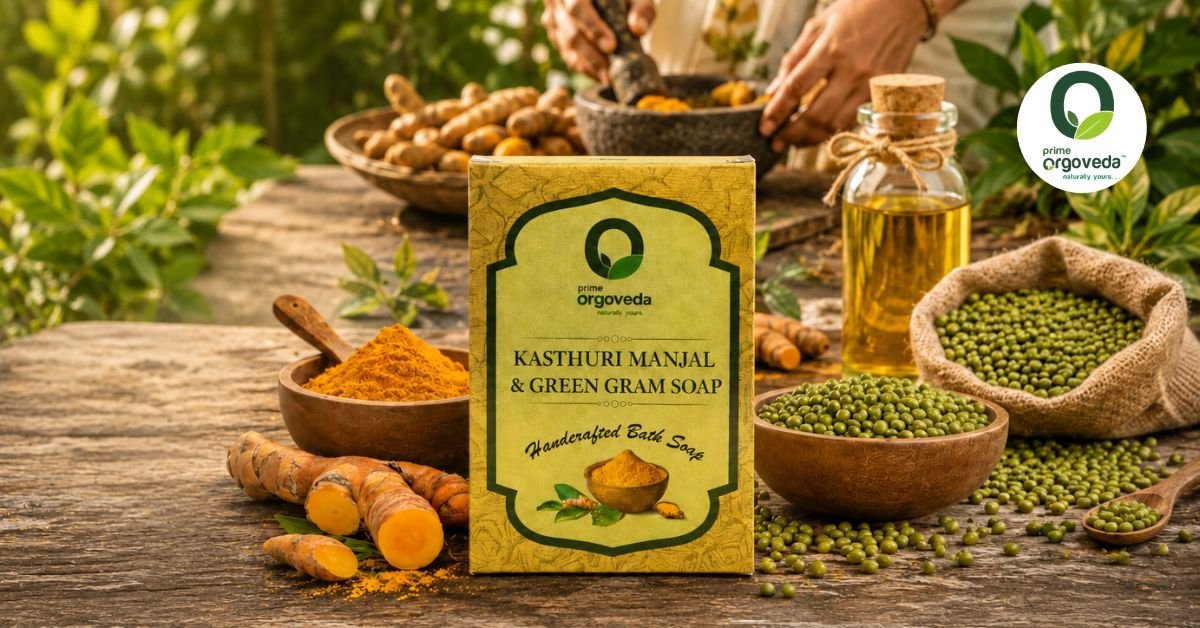
In recent years, natural handmade soap has seen a major rise in popularity across online marketplaces. More people are becoming aware of what goes into their skincare products, and this shift toward cleaner, safer, and more eco-friendly alternatives has pushed handmade soaps into the spotlight. Unlike mass-produced commercial soaps that often contain harsh detergents, synthetic fragrances, and preservatives, natural handmade soaps are typically made with plant-based oils, essential oils, and skin-nourishing ingredients.
Another key reason behind this demand is the growing focus on skin sensitivity and long-term skin health. Many users who struggle with dryness, irritation, acne, or allergies are turning to handmade soaps because they are generally free from aggressive chemicals like sulfates and parabens. This makes them a preferred choice for people looking for gentle daily cleansing without stripping the skin’s natural moisture.
At the same time, the convenience of online shopping has made it easier than ever to access a wide variety of artisanal soaps from different regions and brands. Customers can now explore unique formulations such as herbal blends, Ayurvedic recipes, and organic essential oil soaps with just a few clicks. However, this accessibility also comes with a challenge—identifying genuine products among numerous imitations and low-quality alternatives.
Sustainability is another major factor driving this trend. Many handmade soap brands focus on eco-friendly packaging, cruelty-free production, and ethical sourcing, which appeals to environmentally conscious buyers. As a result, natural handmade soap is no longer just a skincare product; it has become a lifestyle choice that reflects health awareness and environmental responsibility.
Overall, the increasing demand for natural handmade soap online is shaped by a combination of health benefits, ingredient transparency, convenience, and sustainable living trends—all of which continue to influence modern skincare choices.
Understanding What “Natural Handmade Soap” Really Means
The term “natural handmade soap” is widely used in online listings, but it does not always mean the same thing across different brands. To make a safe and informed purchase, it is important to understand what truly qualifies as natural handmade soap and what is just marketing language.
At its core, genuine handmade soap is created through a traditional process called saponification, where oils or fats react with an alkali (like lye) to form soap. In properly made natural soaps, this process uses plant-based oils such as coconut oil, olive oil, castor oil, or shea butter. These ingredients help cleanse the skin while also maintaining its natural moisture balance.
A key characteristic of real natural handmade soap is the absence of harsh synthetic chemicals. Authentic products typically avoid sulfates, parabens, artificial detergents, and strong synthetic fragrances. Instead, they rely on essential oils, herbal extracts, clays, and natural colorants to provide fragrance, texture, and skin benefits.
However, not every product labeled “handmade” is truly natural. Some soaps are commercially produced in bulk and only finished or packaged by hand, which can be misleading for buyers. Others may include synthetic bases or additives while still being marketed as natural. This is where many customers get confused when shopping online.
It is also important to note that “natural” is not a strictly regulated term in many markets. This means brands can use it freely unless they follow specific certifications or standards. Because of this, buyers should look beyond the label and focus on ingredient transparency and brand credibility.
In short, true natural handmade soap is defined by its simple, plant-based formulation, traditional soap-making process, and minimal use of synthetic additives. Understanding this difference is the first step toward avoiding fake or low-quality products when shopping online.
Why Fake or Low-Quality Handmade Soaps Are So Common Online
The rise of online shopping has made handmade soap more accessible than ever, but it has also created space for fake, diluted, or low-quality products to circulate easily. Unlike physical stores where customers can inspect products directly, online platforms rely heavily on images, descriptions, and trust—making it easier for misleading listings to succeed.
One major reason is the low entry barrier for sellers. Almost anyone can list a product online with minimal verification. This allows some sellers to rebrand mass-produced soaps as “handmade” or “natural” without actually following traditional soap-making methods or using high-quality ingredients. In many cases, the product may be factory-made and only repackaged to appear artisanal.
Another factor is the lack of strict regulation around terms like “natural” and “handmade.” Since these labels are not always legally defined in detail, some brands use them as marketing buzzwords even when their products contain synthetic detergents, artificial fragrances, or cheap fillers. This creates confusion for buyers who assume the label guarantees quality.
High demand and profit margins also play a big role. Natural handmade soap is often perceived as premium, allowing sellers to charge higher prices. This temptation encourages some businesses to cut costs by replacing natural oils with cheaper alternatives or reducing the concentration of beneficial ingredients while still presenting the product as high-end.
Additionally, attractive marketing tactics can mislead buyers. Professionally designed packaging, aesthetic product photos, and exaggerated claims about skin benefits can make low-quality soaps look trustworthy. Many customers rely on visuals and reviews rather than checking ingredient lists in detail, which further helps misleading products spread.
Finally, inconsistent quality control across small online brands contributes to the problem. While many genuine artisans maintain high standards, others may lack proper formulation knowledge or production hygiene practices, leading to inconsistent or substandard products being sold as “handmade soap.”
Overall, the combination of loose regulation, high demand, easy online listing access, and persuasive marketing makes it relatively easy for fake or low-quality handmade soaps to appear in the online marketplace.
Key Ingredients That Define a Truly Natural Handmade Soap
One of the most reliable ways to identify genuine natural handmade soap is by carefully checking its ingredient list. Authentic soaps are built on simple, plant-based, skin-friendly ingredients rather than complex chemical formulations. When you understand what to look for, it becomes much easier to separate real handmade soap from mass-produced imitations.
At the foundation of any true handmade soap are natural oils and butters. Ingredients like olive oil, coconut oil, castor oil, almond oil, and shea butter are commonly used because they provide moisture, nourishment, and gentle cleansing. These oils also help maintain the skin’s natural barrier, making the soap suitable for daily use without excessive dryness.
Another important component is natural lye (sodium hydroxide), which is essential in the soap-making process. Although it may sound harsh, lye is completely transformed during saponification and does not remain in the final product when the soap is properly made. This reaction is what turns oils into solid cleansing bars.
Essential oils play a major role in defining a truly natural soap. Unlike synthetic fragrances, essential oils such as lavender, tea tree, eucalyptus, lemon, and peppermint provide natural scent along with therapeutic benefits. They can help soothe the skin, reduce irritation, or provide antibacterial properties depending on the oil used.
Natural colorants are also a key indicator of authenticity. Ingredients like turmeric, activated charcoal, indigo powder, neem, clays, and herbal extracts are often used to give soap its color without relying on artificial dyes. These additives not only enhance appearance but may also offer additional skin benefits.
Herbal extracts and botanicals further strengthen the “natural” profile of handmade soap. Ingredients such as aloe vera, neem, tulsi, chamomile, and calendula are commonly included for their soothing, healing, and antibacterial properties. These plant-based elements reflect traditional skincare wisdom.
On the other hand, a truly natural handmade soap avoids harsh additives such as sulfates (SLS/SLES), parabens, petroleum-based chemicals, synthetic detergents, and artificial fragrances. The absence of these ingredients is just as important as the presence of natural ones.
In summary, a genuine natural handmade soap is defined by a simple but powerful combination of plant oils, essential oils, herbal extracts, and natural colorants—without unnecessary synthetic chemicals. Recognizing these ingredients helps ensure you choose a product that is both safe for your skin and truly authentic.
How to Read Product Labels and Ingredient Lists Correctly
Reading product labels is one of the most important skills when buying natural handmade soap online. Many products look “natural” on the outside, but the ingredient list often reveals the real quality. Once you understand how to read it properly, you can quickly separate authentic handmade soaps from misleading or low-quality ones.
The first thing to know is that ingredients are always listed in descending order by quantity. This means the first few ingredients make up the majority of the product. If you see natural oils like olive oil, coconut oil, or shea butter at the top, it is usually a good sign. However, if water, detergents, or synthetic chemicals appear first, the product is likely not truly handmade or natural.
Next, pay attention to long chemical names. Ingredients such as sodium lauryl sulfate (SLS), sodium laureth sulfate (SLES), parabens, and artificial fragrances are commonly found in commercial soaps. These are used for foaming, preservation, and scent but are not typically present in genuine handmade soaps. A truly natural soap will keep its ingredient list simple and easy to understand.
Be careful with “fragrance” or “parfum” listed without detail. This often indicates a synthetic fragrance blend rather than natural essential oils. In contrast, authentic soaps will clearly mention essential oils like lavender oil, tea tree oil, or peppermint oil instead of a generic fragrance label.
Another important tip is to look for transparency in labeling. Trustworthy brands often highlight key ingredients on the front of the packaging while also providing a full ingredient list on the back or product page. If a seller avoids sharing detailed information or uses vague descriptions like “soap base” without explanation, it can be a warning sign.
Certifications and claims should also be checked carefully. Labels such as “organic,” “cruelty-free,” or “natural” are helpful only when backed by proper certification or clear ingredient proof. Without supporting details, these claims may not guarantee true quality.
Finally, shorter ingredient lists are usually better when it comes to handmade soap. Real natural soaps often contain a limited number of ingredients because they rely on simple formulations rather than complex chemical blends.
In summary, learning to read labels correctly helps you make smarter decisions. By focusing on ingredient order, avoiding harsh chemicals, checking for transparency, and preferring simple formulations, you can confidently identify genuine natural handmade soap while shopping online.
Red Flags That Indicate Fake or Low-Quality Soap Products
When shopping for natural handmade soap online, the biggest risk comes from products that look premium but don’t match the quality behind the label. Fake or low-quality soaps often rely on marketing tricks, vague descriptions, and attractive packaging to gain trust. Knowing the warning signs can help you avoid wasting money and protect your skin.
One of the most common red flags is overly vague ingredient information. If a product listing simply says “soap base,” “fragrance,” or “natural ingredients” without a detailed breakdown, it is a sign that the seller may not be fully transparent. Genuine handmade soaps always provide a clear and specific ingredient list.
Another warning sign is the presence of harsh synthetic chemicals disguised under complex names. Ingredients like sodium lauryl sulfate (SLS), sodium laureth sulfate (SLES), parabens, and synthetic detergents indicate a mass-produced soap rather than a natural handmade product. If these appear in a “natural” soap, the claim is likely misleading.
Unrealistic claims are also a major red flag. Statements such as “instant fairness,” “100% cure for skin problems,” or “miracle whitening in days” are not scientifically credible. Authentic handmade soaps focus on gentle cleansing and skin nourishment, not exaggerated or guaranteed medical results.
Poor or inconsistent packaging can also indicate low-quality production. Missing batch numbers, unclear expiry dates, spelling errors, or unprofessional labeling suggest a lack of proper manufacturing standards. Trusted handmade soap brands usually maintain clean, informative, and consistent packaging.
Another important warning sign is extremely low pricing that seems too good to be true. Natural oils, essential oils, and herbal ingredients are costly, so genuine handmade soaps usually have a reasonable premium price. Extremely cheap products often indicate the use of low-quality fillers or synthetic substitutes.
Customer reviews can also reveal hidden issues. A large number of generic or overly positive reviews without details, or repeated complaints about skin irritation and product inconsistency, should raise concern. Authentic feedback usually includes specific experiences rather than vague praise.
Finally, lack of brand transparency is a strong indicator of risk. If the seller does not provide information about manufacturing methods, sourcing, or contact details, it becomes difficult to verify authenticity. Reliable handmade soap brands are usually open about how and where their products are made.
In short, fake or low-quality soap products often reveal themselves through vague labeling, unrealistic claims, synthetic ingredients, poor transparency, and suspicious pricing. Paying attention to these red flags can help you make safer and smarter choices when buying natural handmade soap online.
Importance of Checking Seller Reputation and Reviews
When buying natural handmade soap online, the seller’s reputation is just as important as the product itself. Since you cannot physically inspect the soap before purchasing, reviews and seller credibility become your primary source of trust. A reliable seller usually maintains consistency in product quality, transparent communication, and honest customer feedback.
One of the biggest advantages of checking seller reputation is that it helps you filter out unreliable or misleading brands. Established sellers with a strong track record are more likely to deliver genuine handmade soaps that match their descriptions. On the other hand, new or unverified sellers without a history of customer satisfaction may pose a higher risk of selling low-quality or falsely labeled products.
Customer reviews play a key role in understanding real product performance. Instead of focusing only on star ratings, it is important to read detailed reviews that mention skin experience, fragrance quality, texture, and results after use. Genuine reviews often include specific feedback, such as whether the soap caused dryness, helped with acne, or had a natural scent.
Another important aspect is checking for consistency across reviews. If multiple buyers report similar issues—such as skin irritation, strong artificial fragrance, or product mismatch—it is a clear warning sign. Similarly, overly generic or repetitive positive reviews can sometimes indicate fake or paid feedback, so they should be treated cautiously.
Seller responsiveness is also a strong indicator of credibility. Trusted sellers usually respond to customer queries, provide ingredient details, and handle complaints professionally. A lack of communication or unclear answers about product composition can suggest poor reliability.
Verified purchase tags and platform ratings add another layer of trust. Products with a high number of verified reviews from actual buyers are generally more dependable than those with limited or unverified feedback. However, even high ratings should be evaluated alongside review quality, not just numbers.
In addition, reviewing the seller’s overall catalog can help assess authenticity. Sellers who specialize in skincare, natural products, or handmade goods are often more trustworthy than those who randomly list a wide range of unrelated items. Specialization usually reflects better knowledge and production standards.
In conclusion, checking seller reputation and reading reviews carefully is one of the most effective ways to avoid fake or low-quality handmade soaps. It helps you make informed decisions, reduce risk, and ensure that the product you receive is truly natural and beneficial for your skin.
How Packaging and Branding Reveal Product Authenticity
When buying natural handmade soap online, packaging and branding often give important clues about whether the product is truly authentic or just another mass-produced item in disguise. While ingredients define quality, presentation reflects how seriously a brand treats transparency, hygiene, and trust.
One of the first things to observe is the clarity of information on the packaging. Genuine handmade soap brands usually include detailed ingredient lists, manufacturing date, expiry date, batch number, and sometimes even the method of production. This level of transparency shows that the brand is confident about its formulation and follows proper quality standards. In contrast, fake or low-quality products often have incomplete or vague labeling.
Brand consistency is another strong indicator of authenticity. Trusted handmade soap brands maintain a consistent visual identity across their packaging, website, and product listings. This includes uniform logos, color themes, and typography. Poor or inconsistent design—such as spelling errors, mismatched branding, or low-resolution labels—can suggest a lack of professionalism or rushed production.
Packaging material also provides useful insights. Authentic natural soap brands often use eco-friendly packaging like recyclable paper, biodegradable wraps, or minimal plastic usage. This aligns with the natural and sustainable philosophy behind handmade skincare products. On the other hand, overly flashy or cheaply made packaging that focuses only on appearance may hide low product quality inside.
Another important factor is the way the product is described. Reliable brands use clear, honest language that focuses on ingredients, benefits, and usage instructions. If branding relies heavily on exaggerated claims like “miracle whitening,” “instant glow,” or “100% cure for all skin problems,” it is often a warning sign of unrealistic marketing.
Professionalism in design also matters. While handmade soap brands may have a rustic or artisanal look, they still maintain a clean and thoughtful presentation. Extremely unpolished designs or overly generic templates can indicate that the product is not truly handcrafted or is mass-produced under a “natural” label.
Certifications and trust marks displayed on packaging can also help verify authenticity. Genuine brands may include cruelty-free symbols, organic certifications, or dermatologically tested labels. However, these should always be cross-checked, as fake products sometimes misuse such icons without proper verification.
Finally, storytelling is a subtle but powerful branding element. Authentic handmade soap brands often share their story—how they started, their sourcing practices, or their commitment to natural skincare. This transparency builds trust and helps customers connect with the product beyond just its appearance.
In summary, packaging and branding are not just about looks—they are a reflection of a product’s honesty and quality. By paying attention to labeling details, design consistency, packaging materials, and brand communication, you can better identify genuine natural handmade soaps and avoid misleading products online.
Price vs Quality: When a Deal Is Too Good to Be True
When shopping for natural handmade soap online, price is often one of the biggest deciding factors. While everyone loves a good deal, extremely low prices can sometimes be a warning sign that the product may not be genuine or high quality. Understanding the relationship between price and quality helps you avoid fake or diluted soaps that may look attractive but offer little skin benefit.
One of the key things to remember is that real natural handmade soap requires quality ingredients. Plant-based oils like olive oil, coconut oil, shea butter, and essential oils are not cheap. The traditional soap-making process also takes time, skill, and proper curing. Because of this, genuinely handmade soaps usually fall into a moderate to premium price range. If a product is priced far below market standards, it may indicate the use of low-cost fillers or synthetic substitutes.
Another issue with unusually cheap soaps is ingredient compromise. To reduce production costs, some manufacturers replace natural oils with industrial detergents or use artificial fragrances instead of essential oils. While the product may still be labeled “natural,” the actual formulation is often far from it. This directly affects skin benefits, making the soap less nourishing and sometimes even irritating.
Packaging and branding costs also influence pricing. Authentic handmade soap brands invest in eco-friendly packaging, proper labeling, and small-batch production. When you see extremely cheap products with high-end claims, there is often a mismatch between what is promised and what is actually delivered.
However, higher price alone does not always guarantee quality. Some sellers inflate prices using marketing tactics without improving formulation. This is why price should always be evaluated alongside ingredients, seller reputation, and reviews rather than on its own.
A helpful approach is to compare similar products across trusted brands. If most natural handmade soaps in a category fall within a certain price range and one product is significantly cheaper, it deserves closer inspection. Look for missing ingredient details, vague descriptions, or unrealistic claims that may explain the lower price.
On the other hand, a slightly higher price often reflects better sourcing, ethical production, and skin-safe formulations. In many cases, paying a bit more ensures you get a product that is truly natural, gentle, and effective in the long run.
In conclusion, when it comes to handmade soap, a deal that seems too good to be true usually is. Balancing price with ingredient quality, transparency, and brand trust is the best way to ensure you are getting a genuine natural product rather than a low-quality imitation.
Best Platforms to Buy Natural Handmade Soap Safely Online
When buying natural handmade soap online, choosing the right platform is just as important as choosing the product. Trusted marketplaces and brand websites usually offer better quality control, verified sellers, and clearer return policies—helping you avoid fake or low-quality soaps.
Here are some of the most reliable platforms:
1. Amazon
Amazon is one of the largest online marketplaces with a wide range of handmade soap brands. The advantage is customer reviews, ratings, and “verified purchase” tags, which help you judge product authenticity. However, it’s still important to check seller details carefully since multiple vendors operate on the platform.
2. Etsy
Etsy is well-known for handmade and artisan products. Many small soap makers list their natural and organic soaps here. Since most sellers are independent creators, you often get more authentic handmade items, but always review ratings and shop history.
3. Nykaa (Beauty & Personal Care Platform)
Nykaa offers curated beauty and skincare products, including natural and herbal soap brands. The platform generally works with verified brands, which adds a layer of trust and reduces the risk of counterfeit products.
4. Flipkart
Flipkart is another major Indian e-commerce platform where many skincare and handmade soap brands are available. Like Amazon, it offers reviews and seller ratings, but product authenticity depends on the individual seller.
5. Official Brand Websites
Buying directly from a brand’s official website is often the safest option. Many natural soap makers sell through their own e-commerce stores, ensuring product authenticity, fresher batches, and better transparency about ingredients and sourcing.
6. Organic & Eco-Friendly Marketplaces
Platforms that focus on organic or sustainable products often have stricter quality checks. These include niche wellness stores and eco-conscious online shops that specialize in handmade skincare.
Final Tip
Even on trusted platforms, always check:
- Full ingredient list
- Seller reviews and ratings
- Return/refund policy
- Product certifications (if claimed)
In short, platforms like Amazon, Etsy, Nykaa, and Flipkart are safe starting points—but real safety comes from how carefully you evaluate each listing.
How to Verify Certifications, Claims, and Product Descriptions
When buying natural handmade soap online, certifications and product claims often influence trust—but they can also be misleading if not properly verified. Many sellers use words like “organic,” “natural,” or “chemical-free” without any real backing. Knowing how to check these details helps you avoid fake products and choose genuinely safe skincare.
1. Understand What Certifications Actually Mean
Certifications are issued by recognized organizations that verify product standards. Common examples include organic, cruelty-free, or dermatologically tested labels. However, not every logo you see is valid. A real certification should be linked to a certifying authority, not just displayed as a decorative badge.
If a product claims to be certified, check:
- Name of the certifying body
- Certificate number or registration ID
- Whether the certifier is a recognized organization
- If the claim can be verified on the certifier’s official website
2. Cross-Check Claims on Official Sources
Do not rely only on product listings. Visit the brand’s official website or the certification body’s database if available. Trusted brands usually provide proof or links to certification details. If you cannot find any supporting information, the claim may not be genuine.
3. Be Careful with Overused Marketing Terms
Words like “100% natural,” “chemical-free,” or “pure herbal” are often used loosely in marketing. In reality, all soaps are made using chemicals in some form due to the saponification process. What matters is whether harmful synthetic additives are absent, not whether the product is “chemical-free.”
4. Read Product Descriptions Critically
A genuine handmade soap listing will clearly explain:
- Ingredients used (with proper names, not vague terms)
- Method of production (cold process, hot process, etc.)
- Skin benefits based on ingredients, not exaggerated promises
- Usage instructions and shelf life
If the description focuses only on vague benefits like “instant glow” or “miracle skin whitening,” it is a red flag.
5. Check for Consistency Across Platforms
A trustworthy brand maintains consistent information across its website, online marketplaces, and packaging. If certifications or claims differ from one platform to another, it may indicate unreliable marketing.
6. Look for Transparency Instead of Buzzwords
Reliable handmade soap brands focus on transparency rather than hype. They openly share sourcing details, ingredient origins, and production methods. Lack of clarity is often more telling than the claims themselves.
Verifying certifications and product claims is not just about trusting labels—it’s about checking proof, consistency, and transparency. When you take a few extra minutes to validate this information, you significantly reduce the risk of buying fake or low-quality handmade soap online.
Tips for Choosing Soap Based on Skin Type (Dry, Oily, Sensitive)
Choosing the right natural handmade soap isn’t just about ingredients—it’s also about understanding your skin type. The same soap that works beautifully for one person may cause dryness or irritation for another. When you match soap ingredients to your skin’s needs, you get better cleansing, healthier skin, and fewer side effects.
1. Soap for Dry Skin
Dry skin needs extra moisture and gentle cleansing. The goal is to avoid soaps that strip away natural oils.
Look for soaps with:
- Olive oil, shea butter, cocoa butter
- Coconut oil (in balanced amounts)
- Goat milk or honey
- Aloe vera or glycerin
These ingredients help lock in moisture and keep skin soft.
Avoid:
- Strong detergents
- High fragrance content
- Overly “degreasing” soaps
Creamy, moisturizing handmade soaps are best for dry skin.
2. Soap for Oily Skin
Oily skin benefits from gentle oil control without over-drying. The wrong soap can trigger even more oil production.
Look for soaps with:
- Tea tree oil
- Neem
- Activated charcoal
- Lemon or citrus essential oils
- Clay (like bentonite or kaolin)
These help absorb excess oil and keep pores clean.
Avoid:
- Heavy butters in large amounts
- Highly moisturizing formulas meant for dry skin
- Artificial oily residues or fillers
A balanced cleansing soap is ideal for oily skin.
3. Soap for Sensitive Skin
Sensitive skin requires the most care, as it reacts easily to harsh ingredients or strong fragrances.
Look for soaps with:
- Oatmeal
- Chamomile
- Calendula
- Aloe vera
- Unscented or lightly scented essential oils
These ingredients soothe irritation and reduce redness.
Avoid:
- Synthetic fragrances (“parfum”)
- Strong essential oil blends
- Artificial dyes
- Harsh exfoliating particles
Fragrance-free or hypoallergenic handmade soaps are the safest choice.
No matter your skin type, always do a patch test before using a new soap regularly. Even natural ingredients can sometimes cause reactions depending on individual sensitivity.
In short, the best handmade soap is the one that aligns with your skin’s natural balance—not just the one that looks or smells good online.
Safe Buying Checklist Before Placing Your Order
Before you click “Buy Now” on natural handmade soap online, it’s important to run through a quick safety checklist. This helps you avoid fake products, misleading listings, and low-quality soaps that may harm your skin or waste your money.
1. Check Full Ingredient List
- Ensure all ingredients are clearly mentioned
- Look for natural oils, butters, and essential oils
- Avoid vague terms like “soap base” or “fragrance only”
2. Verify “Natural” and “Handmade” Claims
- Check if the product explains how it is made
- Confirm there are no harsh chemicals like SLS, SLES, or parabens
- Be cautious of overused marketing words without proof
3. Review Seller Reputation
- Read detailed customer reviews (not just star ratings)
- Look for verified purchase feedback
- Avoid sellers with repeated complaints or unclear history
4. Inspect Product Photos and Packaging
- Look for clear labeling with ingredients, batch number, and expiry date
- Avoid poorly designed or inconsistent branding
- Check for professionalism and transparency
5. Compare Price with Market Range
- Extremely cheap products may indicate low-quality fillers
- Very high prices should also be justified with ingredients and certifications
- Compare similar products before deciding
6. Check Certifications (If Mentioned)
- Look for genuine certification details (not just logos)
- Verify claims through official sources if possible
- Be cautious of unverified “organic” or “herbal” badges
7. Read Product Description Carefully
- Look for clarity in ingredients, benefits, and usage
- Avoid unrealistic promises like “instant whitening” or “miracle cure”
- Prefer transparent and simple explanations
8. Review Return and Refund Policy
- Ensure the seller offers clear return options
- Check for customer support availability
- Avoid listings with no refund or contact details
If something feels unclear, rushed, or “too perfect,” it’s better to pause and double-check. Genuine natural handmade soap brands are transparent, consistent, and easy to verify.
Following this checklist before every purchase helps you confidently choose safe, authentic, and skin-friendly handmade soap online.
Common Mistakes Buyers Make When Shopping for Handmade Soap
Buying natural handmade soap online seems simple, but many buyers end up choosing low-quality or fake products because of avoidable mistakes. Understanding these common errors can help you make smarter and safer skincare decisions.
1. Trusting the Label Without Checking Ingredients
One of the biggest mistakes is assuming that words like “natural” or “handmade” automatically mean the product is genuine. Many soaps use these terms as marketing language while still containing synthetic detergents or artificial fragrances. Always check the full ingredient list instead of relying on the front label.
2. Ignoring Ingredient Transparency
Some buyers skip reading ingredient details completely. Vague descriptions like “soap base” or “fragrance” are red flags. Real handmade soaps clearly list oils, butters, and essential oils. Ignoring this step often leads to buying low-quality products.
3. Falling for Unrealistic Claims
Promises like “instant whitening,” “permanent glow,” or “cures all skin problems” are misleading. Handmade soaps are meant for gentle cleansing and skin nourishment—not miracle results. Buyers who trust such claims often end up disappointed.
4. Choosing Based Only on Price
Many shoppers go for the cheapest option without considering quality. Extremely low-priced soaps may contain fillers, synthetic bases, or diluted ingredients. On the other hand, overpaying without checking quality is also a mistake. Balance is key.
5. Ignoring Seller Reputation and Reviews
Skipping customer reviews is a common error. Reviews reveal real user experiences like skin reactions, fragrance quality, and product authenticity. Not checking them increases the risk of buying unreliable products.
6. Overlooking Packaging Details
Poor or inconsistent packaging is often ignored by buyers. Missing batch numbers, unclear expiry dates, or unprofessional labeling can indicate low manufacturing standards or fake products.
7. Not Checking Skin Type Compatibility
Using the wrong soap for your skin type can cause dryness, irritation, or excess oil production. Buyers often choose based on scent or popularity instead of skin needs.
8. Assuming All Online Sellers Are Verified
Not every online seller follows strict quality checks. Some simply resell mass-produced soaps under a “handmade” label. Assuming all listings are trustworthy can lead to poor purchases.
Most mistakes happen when buyers focus only on appearance, price, or marketing claims. A little attention to ingredients, reviews, and transparency can significantly improve your chances of choosing a genuine, skin-friendly handmade soap online.
Expert Tips to Avoid Scams and Low-Quality Sellers
When buying natural handmade soap online, scams and low-quality sellers often rely on attractive packaging, vague claims, and unrealistic pricing. Experts recommend a more careful, evidence-based approach to ensure you only purchase genuine, skin-safe products.
1. Always Start With Ingredient Verification
Experts first check the ingredient list before anything else. A genuine handmade soap will clearly mention oils (like olive, coconut, or shea butter), essential oils, and herbal extracts. If ingredients are missing, unclear, or overly generic, it’s best to avoid the product.
2. Cross-Check the Brand Across Multiple Platforms
Reliable sellers maintain consistency across their website, marketplaces, and packaging. If a brand presents different claims or product details on different platforms, it may indicate poor authenticity or reseller manipulation.
3. Avoid “Too Good to Be True” Pricing
Experts warn that extremely low prices are one of the strongest scam indicators. Natural oils and handmade production processes have real costs. If a soap is priced far below market standards, it often means compromised quality or synthetic fillers.
4. Prioritize Sellers With Transparent Histories
Look for brands that openly share:
- Manufacturing process
- Ingredient sourcing
- Business address or contact details
- Batch and production information
Lack of transparency is a major red flag in online skincare products.
5. Analyze Review Patterns, Not Just Ratings
Instead of focusing on star ratings, experts read detailed reviews. They look for:
- Consistency in customer feedback
- Real usage experiences (not generic praise)
- Mentions of skin reactions or results
A sudden flood of overly positive, similar reviews may indicate manipulation.
6. Be Careful With Fake Certifications
Scam sellers sometimes display fake “organic” or “herbal” badges. Experts recommend verifying certification logos through official certifying bodies instead of trusting visuals alone.
7. Check Product Claims for Realism
Be cautious of exaggerated promises like:
- Instant fairness
- Permanent acne cure
- Overnight transformation
Genuine handmade soaps focus on gentle cleansing and skin nourishment, not medical-grade results.
8. Prefer Established or Specialized Sellers
Experts recommend choosing brands that specialize in skincare or handmade products rather than general sellers offering unrelated items. Specialization usually indicates better quality control and formulation knowledge.
Most scams can be avoided by combining three things: ingredient transparency, seller credibility, and realistic expectations. When all three align, the chances of buying authentic, high-quality handmade soap increase significantly.
Conclusion
Buying natural handmade soap online can be a great way to improve your skincare routine, but only when you choose carefully. The online market offers countless options, but not all products labeled “natural” or “handmade” are truly authentic. This is why smart buying habits are essential for protecting both your skin and your money.
Throughout this guide, one key idea remains consistent—transparency matters more than marketing. Genuine handmade soaps are built on simple, plant-based ingredients, honest labeling, and clear production methods. When a product hides information, makes unrealistic claims, or lacks proper reviews, it often signals low quality or misleading branding.
Another important takeaway is the need to balance price, quality, and trust. While affordable options are attractive, extremely low prices can indicate compromised ingredients. Similarly, high prices alone do not guarantee authenticity. The best decisions come from evaluating ingredients, seller reputation, certifications, and customer feedback together.
Understanding your skin type also plays a major role in choosing the right soap. Whether your skin is dry, oily, or sensitive, selecting ingredients that match your skin’s needs ensures better results and fewer reactions. A thoughtful choice always performs better than a random or trend-based purchase.
Finally, safe shopping is about awareness. Checking labels, verifying claims, reading reviews, and recognizing red flags all help you avoid scams and low-quality products. With a little attention to detail, you can confidently identify genuine handmade soaps that are safe, effective, and truly beneficial for your skin.
In the end, smart buying is not just about finding a good product—it’s about making informed choices that support healthier skin, ethical brands, and a safer online shopping experience.

Categories
- 1xbet
- 20bet
- 888 casino
- Agarbatti
- all slots casino 1 dollar deposit
- amunra
- azurslot
- bcgame
- bdmbet
- best australian payid casino
- best online casino
- betbeast
- betfury
- betlabel
- betobet
- betonred
- betvictor
- bezpecne zahranicni casino
- billy billion
- bizzo casino
- blackjack ballroom
- blazebet
- boomerang
- buran
- campobet
- captain cooks
- casinia
- casino
- casino bez vkladu
- casino classic
- casino en ligne paypal
- casino kingdom
- casino rocket
- casino that accepts interac
- casino trustly
- casino utan svensk licens
- casino zonder crucks
- casumo
- cazeus
- cocobet
- colosseum
- Computer Sambrani
- cosmobet
- crownplay
- cryptoleo
- Dhoop Cones
- Dhoop Cups
- Dhoop Sticks
- dolly
- dragonia casino
- drakaris
- duospin
- Facewash
- fairspin
- Festivals
- frumzi
- gamblezen
- Giochi
- golden tiger
- goldenbet
- gransino
- gxmble
- hell spin
- hellspin
- house of jack
- igralnice online
- Incense Sticks
- iwild
- jackbit
- just casino
- kinbet
- kryptosino
- legiano
- loto quebec casino en ligne
- lovedog
- lovepets
- lucky
- lucky dreams
- lucky nugget
- lucky ones
- luxury casino
- magius
- malina
- melbet
- mirax
- mostbet
- mro
- mrpacho
- myempire
- mystake
- n1 casino
- najboljše spletne igralnice
- national casino
- need for spin
- neon54
- nine
- nine casino
- nostalgia casino
- online casino zahranicni
- online igralnice
- onlyspins
- ozwin
- parimatch
- payid withdrawal casino
- paypal casino canada
- paysafe online casino
- pistolo
- platinum play
- playamo
- playcroco
- playfortuna
- poli payment casino
- posido
- prezzy card online casino
- pubs casino
- review
- ripper
- river belle
- robocat
- rocketplay
- rocketpot
- rolletto
- rolling slots
- roobet
- ruby fortune
- runduvideo
- Sambrani Cups
- Sambrani Powder
- seven sultans
- Shampoo
- skycrown
- slota
- slots gallery
- slotsgem
- slotwolf
- snatch
- Soap
- spinanga
- spinbara
- spinbetter
- spinight
- spinit
- spins of glory
- spinyoo
- sportaza
- staycasino
- stelario
- stonevegas
- Temple
- thrill
- thunderpick
- tsars
- vavada
- vave
- vegashero
- velobet
- vklad paysafecard casino
- vox casino
- wazamba
- william hill
- winbay
- wingaga
- winshark
- wishwin
- wiz slots
- wonaco
- zahranicni casino online
- zizobet
- zoccer
- zoome casino
- zulabet
- Внутряки
- Сплиты
 Agarbatti
 Computer Loban
 Dhoop Sticks
 Dhoop Cones
 Loban Powder
 Dhoop Cups
 Soap
Soap Facewash
 Shampoo