
Blog
Ramanathaswamy Temple: A Sacred Journey to One of India’s Holiest Shrines

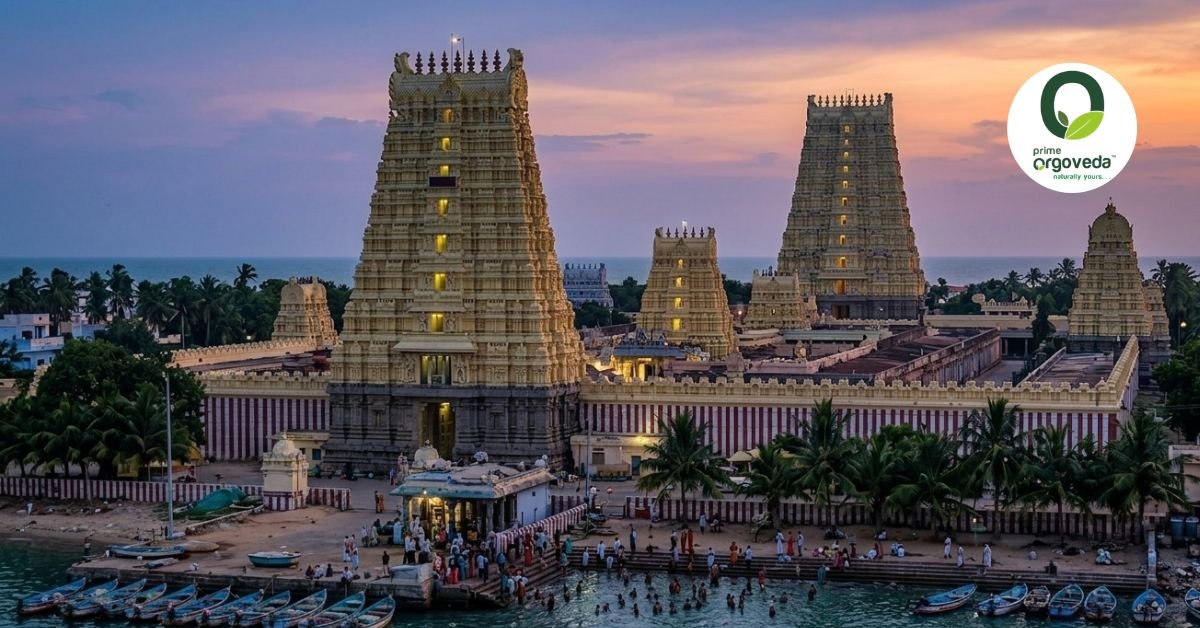
Nestled on the serene island of Rameswaram in Tamil Nadu, Ramanathaswamy Temple stands as a timeless symbol of devotion, faith, and spiritual awakening. Surrounded by the vast expanse of the Bay of Bengal and steeped in centuries-old traditions, Rameswaram is not just a destination but a deeply transformative pilgrimage experience that draws millions of devotees from across the world.
Rameswaram holds a unique place in Hindu spirituality as one of the Char Dham pilgrimage sites, believed to cleanse one’s sins and guide the soul toward liberation. The tranquil beaches, sacred theerthams, and the rhythmic chants of prayers create an atmosphere of divine calm, making every visitor feel connected to something greater than themselves.
Beyond its religious importance, the town reflects a harmonious blend of mythology, culture, and natural beauty. From the legendary connection to Lord Rama to the spiritual rituals performed daily, Rameswaram offers an experience that transcends the physical realm and touches the soul.
About Ramanathaswamy Temple
Located on the sacred island of Rameswaram, ramanatha swamy temple is one of the most revered pilgrimage sites in India, dedicated to Lord Shiva. Renowned for its spiritual significance and architectural brilliance, the temple attracts millions of devotees who seek blessings, purification, and inner peace through its sacred rituals and divine atmosphere.
The temple is celebrated as one of the twelve Jyotirlingas, making it a vital destination for Shiva devotees across the country. Its expansive structure, adorned with intricately carved pillars and towering gopurams, reflects the grandeur of Dravidian architecture. The long corridors, considered the longest among all Hindu temples, create a mesmerizing experience for visitors walking through its sacred pathways.
Apart from its architectural splendor, the temple is deeply rooted in mythology, particularly the epic Ramayana, where it is believed that Lord Rama worshipped Lord Shiva here to absolve his sins after the battle in Lanka. This blend of devotion, history, and legend makes the temple not just a place of worship but a profound spiritual journey.
Historical Background and Origins
The origins of Arulmigu Ramanatha Swamy Temple trace back several centuries, with its foundation deeply rooted in ancient Indian history and devotion. While the temple’s spiritual significance is often linked to the era of the Ramayana, its physical structure was developed over time by various South Indian dynasties, including the Pandyas, Cholas, and later the Sethupathi rulers of Ramanathapuram, who played a major role in expanding and preserving its grandeur.
Historical records suggest that the temple underwent continuous development between the 12th and 18th centuries, resulting in the magnificent structure seen today. Each ruling dynasty contributed unique architectural elements, from intricately carved pillars to expansive corridors, reflecting the evolving styles of Dravidian temple architecture across generations.
The temple not only stands as a place of worship but also as a living testament to the region’s rich cultural and political history. Its enduring presence through centuries of change highlights its importance as both a spiritual center and a heritage monument that continues to inspire devotion and awe among visitors.
Mythological Significance in the Ramayana
The mythological importance of Sri Arulmigu Ramanathaswamy Temple is deeply rooted in the epic Ramayana, making it one of the most sacred sites in Hindu tradition. According to legend, after defeating the demon king Ravana in Lanka, Lord Rama sought to atone for the sin of killing a Brahmin. To seek forgiveness, he decided to worship Lord Shiva and instructed Hanuman to bring a sacred lingam from the Himalayas.
As Hanuman’s return was delayed, Goddess Sita is believed to have fashioned a lingam out of sand, which Lord Rama consecrated and worshipped. This lingam, known as the Ramanathaswamy Lingam, is said to be the primary deity of the temple. When Hanuman returned with the lingam, it was also installed and worshipped, symbolizing devotion, patience, and divine grace.
This powerful legend not only highlights the spiritual significance of the temple but also establishes it as a sacred place where devotion transcends time. Pilgrims visiting Rameswaram often relive this divine episode, making their journey not just a visit, but a connection to the timeless story of faith and redemption.
Ramanathaswamy Temple as a Jyotirlinga Shrine
Recognized as one of the twelve sacred Jyotirlingas of Lord Shiva, Shri Ramanathaswamy Temple holds immense spiritual importance for devotees across India. Jyotirlingas are believed to be powerful manifestations of Lord Shiva, where he is worshipped in the form of a radiant column of divine light, symbolizing his infinite nature and supreme presence.
What makes this shrine uniquely significant is its deep connection to both Shaivism and Vaishnavism traditions. The worship of Lord Shiva here by Lord Rama, an incarnation of Lord Vishnu, reflects a rare spiritual unity that draws followers from different paths of devotion. Pilgrims believe that offering prayers at this Jyotirlinga helps cleanse past sins and grants spiritual liberation (moksha).
Devotees visiting the temple often perform special rituals such as abhishekam and take a sacred bath in the temple’s holy theerthams before darshan. This spiritual process is considered essential for experiencing the full divine energy of the Jyotirlinga, making the visit not just a ritual but a deeply transformative journey of faith.
Architectural Grandeur: World’s Longest Temple Corridor
Famed for its breathtaking design and scale, the Ramanathaswamy Jyotirlinga Temple is home to the longest temple corridor in the world, a true marvel of ancient Indian architecture. Stretching over 1,200 meters, the corridor features more than 1,000 intricately carved pillars, each showcasing unique craftsmanship that reflects the artistic brilliance of the bygone eras.
Walking through these grand corridors is an awe-inspiring experience, as the perfectly aligned pillars create a mesmerizing visual symmetry that seems to extend endlessly. The play of light and shadow across the stone carvings adds to the spiritual ambiance, making every step feel like a journey through history and devotion.
Built over several centuries by different rulers, the temple’s architecture is a fine example of Dravidian style, characterized by towering gopurams, elaborate sculptures, and expansive mandapams. The corridors not only serve as architectural masterpieces but also as sacred pathways where devotees immerse themselves in prayer, reflection, and divine connection.
The 22 Sacred Theerthams (Holy Wells)
One of the most unique spiritual aspects of Ramanathaswamy Temple Jyotirlinga is the presence of 22 sacred theerthams (holy wells) within its परिसर, each believed to possess distinct spiritual and healing properties. Pilgrims consider it essential to bathe in these wells before proceeding for darshan, as the ritual is said to purify the body and soul, washing away sins and negative energies.
Interestingly, despite being located close to the sea, the water in each of these wells tastes different, symbolizing their unique divine significance. These theerthams are associated with various deities and mythological stories, and it is believed that bathing in them brings blessings, good health, and spiritual upliftment.
The ritual typically begins with a dip in the Agni Theertham, located by the seashore, followed by bathing in the 22 wells inside the temple premises. Temple attendants draw water from each well and pour it over devotees, making the experience both sacred and memorable. This centuries-old tradition continues to be a central part of the pilgrimage, offering devotees a profound sense of purification and devotion.
Rituals, Poojas, and Daily Worship Practices
At Sri Ramanathaswamy Temple, daily rituals and poojas are performed with great devotion, following age-old traditions that have been preserved for centuries. The temple follows a structured schedule of worship, beginning early in the morning with the sacred Spatika Lingam Darshan and continuing throughout the day with various abhishekams, alankarams, and deeparadhanas dedicated to Lord Shiva.
One of the most significant rituals is the abhishekam, where the Shiva Lingam is bathed with holy substances like milk, water, honey, and sandalwood paste, accompanied by Vedic chants. Devotees often participate in or sponsor these rituals, believing they bring blessings, prosperity, and spiritual fulfillment.
The temple also conducts special poojas during auspicious days, festivals, and lunar phases, attracting large gatherings of devotees. The rhythmic chanting of mantras, the fragrance of incense, and the divine atmosphere create a deeply immersive spiritual experience, making every moment spent in the temple a connection with the divine.
Festivals Celebrated at Ramanathaswamy Temple
Festivals at Arulmigu Ramanathaswamy are celebrated with immense devotion and grandeur, drawing thousands of pilgrims from across the country. These vibrant occasions transform the temple into a hub of spiritual energy, where rituals, processions, and traditional ceremonies are conducted with great enthusiasm and reverence.
One of the most significant festivals observed here is Maha Shivaratri, dedicated to Lord Shiva, during which devotees engage in night-long prayers, fasting, and special poojas. Another major celebration is the annual Brahmotsavam, marked by grand processions of deities on beautifully decorated chariots, accompanied by music, chanting, and cultural performances.
Other important festivals include Arudra Darshan, Navaratri, and Thirukalyanam, each showcasing unique rituals and traditions that reflect the rich cultural heritage of the region. These festivals not only enhance the spiritual atmosphere of the temple but also offer visitors a chance to witness the living traditions and deep-rooted faith that define this sacred place.
Best Time to Visit the Temple
The ideal time to visit the Ramanathaswamy Temple, built by various South Indian dynasties, is between October and April, when the weather in Rameswaram is relatively pleasant and suitable for pilgrimage and sightseeing. During these months, the temperature remains moderate, allowing visitors to comfortably explore the temple परिसर and participate in rituals without the discomfort of extreme heat.
Early mornings are considered the most auspicious time for darshan, especially for attending the Spatika Lingam ritual, which holds great spiritual significance. Visiting during this time also allows devotees to experience the temple in a शांत and less crowded environment.
While the summer months (May to June) can be quite hot and humid, the monsoon season (July to September) brings occasional rainfall, adding a refreshing charm to the coastal town. However, many devotees prefer visiting during major festivals like Maha Shivaratri, when the temple comes alive with grand celebrations and heightened spiritual energy.
How to Reach Rameswaram
Reaching Rameswaram is convenient through multiple modes of transportation, and travelers can plan their journey with the help of the Ramanathaswamy Temple’s official website for updated travel and darshan information. Located in Tamil Nadu, the town is well-connected by rail, road, and nearby air routes, making it accessible for pilgrims from across India.
By Air: The nearest airport is in Madurai, approximately 170 km away. From there, taxis and buses are readily available to reach Rameswaram comfortably.
By Train: Rameswaram has its own railway station, well-connected to major cities like Chennai, Madurai, and Coimbatore. The journey across the iconic Pamban Bridge offers breathtaking views of the sea, making it a memorable travel experience.
By Road: The town is connected by a good network of highways, with regular bus services operated by Tamil Nadu State Transport and private operators. Travelers can also drive via the scenic routes connecting cities like Madurai, Ramanathapuram, and Tiruchirappalli.
Whether by train, road, or air, the journey to Rameswaram itself becomes a part of the spiritual experience, leading visitors closer to one of India’s most revered pilgrimage destinations.
Darshan Timings and Entry Guidelines
Planning your visit with proper timing is essential, and many devotees now prefer using Ramanathaswamy Temple’s online booking to ensure a smooth and hassle-free darshan experience. The temple typically opens early in the morning around 5:00 AM and remains accessible until late evening, with specific intervals for rituals and poojas when darshan may be temporarily paused.
Early morning hours, especially during the Spatika Lingam darshan, are considered highly auspicious and less crowded. Afternoons tend to be quieter, while evenings often see a surge in devotees. It is advisable to check the exact timings in advance, especially during festivals and special occasions when schedules may vary.
Visitors are expected to follow traditional dress codes and maintain decorum within the temple premises. Men are usually required to wear a dhoti or formal attire, while women are encouraged to wear a saree or a salwar kameez. Carrying minimal belongings, avoiding mobile usage inside, and respecting temple customs will ensure a peaceful and fulfilling spiritual experience.
Travel Tips for Pilgrims and Tourists
Planning your journey in advance through the Ramanathaswamy Temple website can help ensure a smooth and spiritually fulfilling visit to Rameswaram. Whether you are a pilgrim or a tourist, being well-prepared enhances both convenience and the overall experience of this sacred destination.
It is advisable to start your day early, as mornings are less crowded and ideal for completing rituals peacefully. Carry an extra set of clothes if you plan to take the sacred bath at Agni Theertham and the 22 holy wells, as changing into dry clothes is often required before entering the temple.
Avoid carrying valuables, mobile phones, or large bags inside the temple premises, as many items are restricted for security and sanctity reasons. Locker facilities are available near the temple to safely store belongings.
Wearing traditional and comfortable attire is highly recommended, along with staying hydrated due to the coastal climate. Planning your visit on weekdays instead of weekends or peak festival days can help avoid long queues and ensure a more peaceful darshan.
Lastly, take time to explore nearby attractions like Dhanushkodi and Pamban Bridge, and consider local transport options such as autos or taxis for convenience. A well-planned trip not only saves time but also allows you to fully immerse yourself in the spiritual and cultural richness of Rameswaram.
Spiritual Experience: What Makes This Temple Unique
The spiritual experience at Ramanathaswamy Temple is unlike any other, offering a deep sense of peace, devotion, and inner transformation. From the moment one steps into the temple परिसर, the sacred vibrations, rhythmic chants, and divine atmosphere create an immediate connection between the devotee and the divine.
What truly sets this temple apart is the combination of rituals, mythology, and architecture working together to elevate the spiritual journey. The practice of bathing in the 22 holy theerthams, followed by darshan of the Jyotirlinga, is believed to cleanse not just the body but also the soul. Every ritual performed here carries centuries of tradition, making each experience feel timeless and profound.
The temple’s long corridors, echoing with footsteps and prayers, provide a space for reflection and meditation. Whether it is witnessing the early morning poojas, hearing the temple bells, or simply walking through its sacred halls, visitors often describe a sense of calm and spiritual awakening that stays with them long after they leave.
Ultimately, the uniqueness of this temple lies in its ability to blend devotion, history, and divine energy into a single, powerful experience—making every visit not just a pilgrimage, but a journey within.
Conclusion
A visit to Ramanathaswamy Temple is far more than a religious trip—it is a deeply enriching journey that touches the heart, mind, and soul. From its sacred rituals and mythological roots to its architectural brilliance and spiritual ambiance, every aspect of this temple reflects centuries of unwavering faith and devotion.
As pilgrims walk through its grand corridors, take part in age-old traditions, and immerse themselves in divine energy, they often discover a sense of inner peace and clarity that transcends the physical experience. The temple stands as a powerful reminder of the enduring connection between humanity and the divine, offering solace, hope, and spiritual renewal to all who visit.
In the end, Rameswaram is not just a destination—it is a sacred journey that stays with you, inspiring devotion, humility, and a deeper understanding of life long after you leave its shores.


 Agarbatti
 Computer Loban
 Dhoop Sticks
 Dhoop Cones
 Loban Powder
 Dhoop Cups
 Soap
Soap Facewash
 Shampoo