
Blog
Grishneshwar Temple: A Divine Pilgrimage to the 12th Jyotirlinga of Lord Shiva

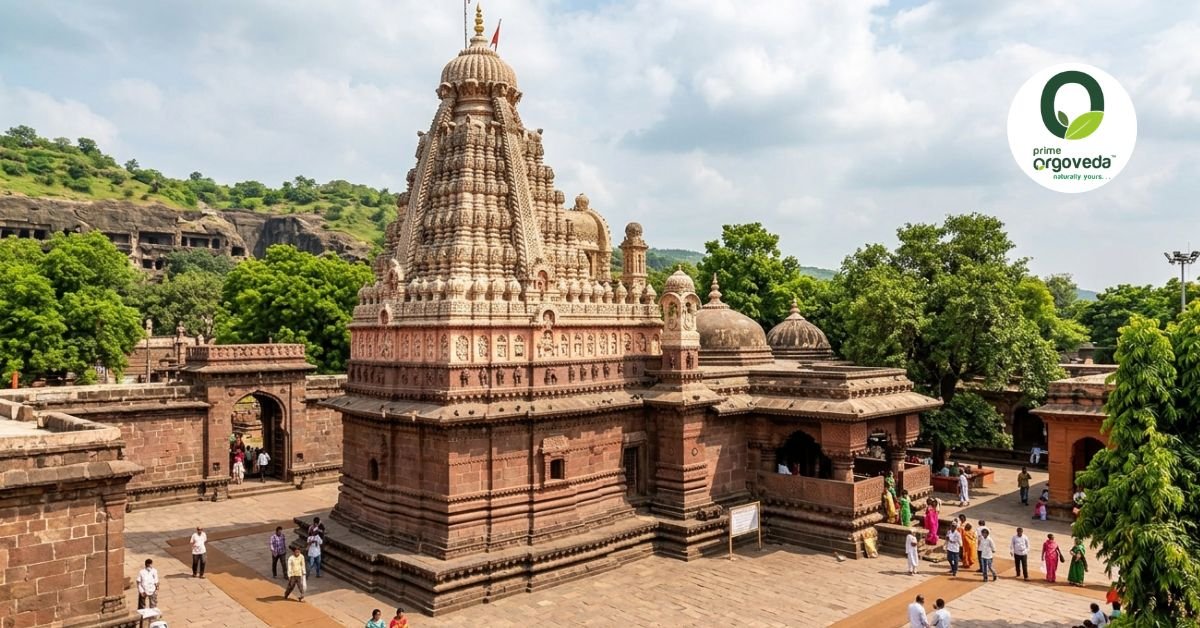
Nestled near the iconic Ellora Caves in Maharashtra, Grishneshwar Temple stands as one of the most revered pilgrimage sites dedicated to Lord Shiva. Recognized as the twelfth and final Jyotirlinga, this sacred shrine draws devotees from across the country who seek spiritual solace, divine blessings, and a deeper connection with the eternal energy of Shiva. The temple’s serene ambiance, combined with its rich historical and religious significance, makes it a must-visit destination for both pilgrims and travelers.
Often referred to as Dhrushmeshwar Jyotirlinga, this holy site embodies centuries of devotion, legends, and architectural brilliance. Surrounded by a tranquil setting, the temple offers a unique blend of spirituality and heritage, allowing visitors to experience a profound sense of peace and reverence. Whether you are on a religious journey or exploring India’s cultural treasures, this sacred destination promises an unforgettable and soul-enriching experience.
Spiritual Significance of the 12th Jyotirlinga
The spiritual significance of the 12th Jyotirlinga lies in its deep connection to Lord Shiva’s infinite and formless nature, symbolizing the cosmic pillar of light that represents creation, preservation, and destruction. Devotees believe that visiting the Grishneshwar Mandir is not just a pilgrimage, but a transformative journey that cleanses the soul and brings inner peace. As one of the most sacred Jyotirlingas, this shrine holds immense importance in Hindu tradition, where offering prayers is said to मुक्त one from past sins and guide them toward spiritual liberation.
Known for its powerful divine vibrations, Shri Grishneshwar Jyotirlinga is revered as a place where faith meets fulfillment. Pilgrims from all walks of life come here seeking blessings for health, prosperity, and harmony. The rituals, chants, and sacred atmosphere create a deeply immersive spiritual experience, allowing devotees to feel a profound connection with Lord Shiva. This holy site stands as a symbol of unwavering devotion and timeless spirituality, making it an essential destination for those on a path of faith and enlightenment.
History and Legends of Grishneshwar Temple
The history of Grishneshwar Temple is deeply rooted in ancient traditions, mythological tales, and centuries of unwavering devotion to Lord Shiva. This sacred shrine is believed to have been rebuilt multiple times due to invasions and natural wear, with its current structure largely credited to the Maratha queen Ahilyabai Holkar, who played a vital role in restoring many prominent temples across India. The temple stands today not only as a place of worship but also as a symbol of resilience and enduring faith.
According to legend, the origin of this Jyotirlinga is associated with a devout woman named Kusuma, whose unwavering dedication to Lord Shiva moved the divine. It is said that through her sincere prayers and rituals, Lord Shiva manifested himself here as a Jyotirlinga, blessing the land with his eternal presence. This powerful story of devotion and divine grace continues to inspire millions of pilgrims who visit the temple seeking spiritual upliftment.
For those seeking Ghrushneshwar Mandir information, the temple is also known by various names such as Ghruneshwar Mandir and Ghumeshwar Jyotirlinga, each reflecting regional traditions and linguistic variations. These legends and historical narratives together make the temple a spiritually rich destination, where mythology and reality beautifully intertwine, offering visitors a deeper understanding of India’s sacred heritage.
Architectural Beauty and Temple Design
The architectural beauty of the Grishneshwar Temple is a remarkable blend of traditional craftsmanship and spiritual symbolism. Built primarily using red basalt stone, the temple showcases the classic Hemadpanthi style of architecture, known for its durability and intricate detailing. Every pillar, wall, and sculpture reflects the artistic excellence of ancient artisans, with finely carved depictions of deities, mythological scenes, and floral patterns that captivate visitors.
The temple structure follows a simple yet elegant layout, with a sanctum (garbhagriha) that houses the sacred Shiva Lingam, allowing devotees to experience an intimate and close darshan. The mandapa (hall) is supported by beautifully carved pillars, each telling its own story through detailed engravings. Despite its relatively modest size compared to other grand temples, the design emphasizes spiritual depth over grandeur, creating a peaceful and meditative atmosphere.
Often associated with the sacred identity of ghushmeshwar, this temple’s architectural brilliance is enhanced by its serene surroundings and proximity to historical landmarks like the Ellora Caves. For those exploring the Ghushmeshwar temple or seeking insights into the Grishneshwar Jyotirlinga location, the structure stands as a timeless testament to devotion, heritage, and the enduring legacy of Indian temple architecture.
Darshan Timings and Rituals
The darshan experience at Grishneshwar Temple is deeply spiritual, offering devotees an opportunity to connect closely with Lord Shiva in a शांत and sacred setting. The temple typically opens early in the morning, around 5:00 AM, allowing pilgrims to participate in the first aarti and begin their day with divine blessings. Throughout the day, various rituals are performed with great devotion, creating an atmosphere filled with chants, bells, and spiritual energy.
Visitors should be mindful of the Grishneshwar Jyotirlinga timing, as darshan hours may vary slightly during festivals, विशेष occasions, and Mondays, which are considered especially auspicious for Lord Shiva worship. The temple remains open until late evening, with breaks in between for rituals and maintenance.
One of the most significant rituals here is the Abhishekam, where devotees can offer water, milk, and sacred items directly to the Shiva Lingam, making the experience more personal and meaningful. The evening aarti is equally captivating, drawing large crowds who gather to witness the divine ceremony. Whether you visit during the calm early hours or the vibrant evening rituals, the spiritual aura of this holy shrine leaves a lasting impression on every devotee.
Best Time to Visit Grishneshwar Temple
The best time to visit the Grishneshwar Temple largely depends on the kind of spiritual and travel experience you seek. The months from October to March are considered ideal, as the weather remains pleasant and comfortable for दर्शन and exploration. During this period, pilgrims can fully enjoy the serene surroundings and also visit nearby attractions like the Ellora Caves without the discomfort of extreme heat.
Early mornings are especially recommended for a शांत and less crowded darshan, allowing devotees to experience the divine presence in a peaceful atmosphere. Visiting on weekdays can further enhance this experience, as weekends and Mondays tend to attract larger crowds due to their religious significance.
For those seeking a more vibrant and festive spiritual journey, occasions like Mahashivratri offer a unique opportunity to witness grand celebrations and rituals. During this time, the temple comes alive with devotion, chants, and elaborate पूजा ceremonies, making it a deeply immersive experience.
Whether you choose a calm off-season visit or a festive pilgrimage, the spiritual aura of the Grishneshwar Temple Jyotirlinga ensures a meaningful and memorable journey for every devotee.
How to Reach Grishneshwar Temple
Reaching Grishneshwar Temple is convenient due to its well-connected location near the famous Ellora Caves in Maharashtra. The temple lies approximately 30 kilometers from Aurangabad, making it easily accessible by air, rail, and road.
The nearest airport is Aurangabad Airport, which is connected to major cities like Mumbai and Delhi. From the airport, visitors can hire taxis or use local transport to reach the temple comfortably. For those traveling by train, Aurangabad Railway Station is the closest major railhead, with regular train services from various parts of India.
Road connectivity is also excellent, with frequent buses and private taxis available from Aurangabad and nearby cities. The scenic drive to the temple, especially through the Ellora region, adds to the overall travel experience. Pilgrims often combine their visit with a tour of the Ellora Caves, making it a culturally enriching journey.
For travelers planning an overnight stay, you can easily find the Grishneshwar temple near hotel options, including budget lodges and comfortable accommodations. Many of the best hotels near Grishneshwar Temple and hotels near Grishneshwar Jyotirlinga Temple are located in Aurangabad and the surrounding areas, offering convenient access along with essential amenities for a pleasant pilgrimage experience.
Nearby Attractions to Explore
A visit to Grishneshwar Temple becomes even more enriching when combined with the many remarkable attractions located nearby. These sites offer a perfect blend of history, architecture, and cultural heritage, making your pilgrimage a well-rounded travel experience.
One of the most iconic destinations is the Ellora Caves, just a short distance from the temple. Famous for their stunning rock-cut architecture, these caves showcase intricate carvings and the magnificent Kailasa Temple, a marvel of ancient engineering. History enthusiasts can also explore Daulatabad Fort, known for its strategic design and panoramic views from the top.
In Aurangabad, visitors can discover the elegant Bibi Ka Maqbara, often referred to as the “Mini Taj Mahal,” and Panchakki, an impressive example of ancient engineering powered by underground water channels.
For pilgrims exploring the spiritual circuit of the 12 Jyotirlinga Grishneshwar, these nearby attractions add depth to the journey, offering moments of reflection, discovery, and appreciation of India’s rich cultural and historical legacy.
Travel Tips for Pilgrims and Tourists
Visiting the Grishneshwar Temple can be a deeply fulfilling experience when planned thoughtfully. To make the most of your pilgrimage, it is advisable to start your day early, as mornings offer a शांत environment and shorter queues for darshan. Carrying essentials like water, comfortable footwear, and light clothing is important, especially if you plan to explore nearby attractions like the Ellora Caves.
Dress modestly and follow the temple’s traditional guidelines, as this is a sacred place of worship. Men are often required to remove their shirts before entering the sanctum, so it’s helpful to be prepared for such customs. Maintaining discipline and respecting local traditions ensures a smooth and respectful visit for everyone.
It’s also wise to plan your accommodation and transport in advance, particularly during peak seasons and festivals when the number of visitors increases significantly. Hiring a local guide can enhance your experience by providing deeper insights into the temple’s history and significance.
For those traveling to the Ghushmeshwar Jyotirlinga location, understanding local routes, weather conditions, and crowd patterns can make your journey more comfortable and hassle-free. Whether you are visiting for spiritual reasons or cultural exploration, these simple tips can help you enjoy a peaceful and memorable trip.
Rules and Guidelines for Visitors
When visiting Grishneshwar Temple, it is important to follow certain rules and guidelines to maintain the sanctity and smooth functioning of the temple परिसर. Devotees are expected to dress modestly, respecting the religious customs and traditions of the shrine. Footwear must be removed before entering the temple, and maintaining cleanliness within the premises is strictly encouraged.
Visitors should adhere to queue systems and follow instructions given by temple authorities to ensure an orderly darshan experience. Mobile phones, cameras, and other electronic devices may be restricted inside the temple, so it is advisable to check the guidelines in advance. Silence and respectful behavior are essential to preserve the spiritual atmosphere.
Special rituals like Abhishekam may have specific procedures and timings, so devotees should plan accordingly if they wish to participate. During peak seasons and festivals, crowd management rules become stricter, requiring patience and cooperation from all visitors.
For those interested in exploring deeper aspects, such as the Grishneshwar Jyotirlinga history or understanding the Grishneshwar Jyotirlinga story, it is recommended to refer to authentic sources or temple guides. Additionally, checking for Grishneshwar Jyotirlinga online booking options in advance can help streamline your visit and reduce waiting time, ensuring a peaceful and fulfilling spiritual journey.
Festivals Celebrated at Grishneshwar Temple
Festivals at Grishneshwar Temple are celebrated with immense devotion, transforming the temple into a vibrant center of spirituality and cultural energy. Among all occasions, Mahashivratri holds the greatest significance, attracting thousands of devotees who gather to offer prayers, perform special rituals, and participate in a night-long जागरण dedicated to Lord Shiva.
The holy month of Shravan (July–August) is another auspicious period when the temple witnesses a steady flow of pilgrims. During this time, devotees perform Abhishekam with water, milk, and sacred offerings, creating a deeply devotional atmosphere filled with chants and hymns. Mondays in Shravan are especially important and see larger crowds seeking blessings.
Other festivals such as Pradosh Vrat and Kartik Purnima are also observed with traditional rituals and ceremonies, enhancing the spiritual aura of the temple. On these special days, the temple परिसर is beautifully decorated, and elaborate पूजा rituals are conducted by priests.
For devotees planning their visit during festive occasions, it is advisable to check arrangements related to the Grishneshwar Mahadev Jyotirling in advance, including crowd management, darshan timings, and facilities like Grishneshwar Temple Darshan Booking or Grishneshwar Temple Trust Accommodation. Experiencing these festivals firsthand offers a powerful glimpse into India’s rich spiritual traditions and leaves visitors with lasting memories of devotion and celebration.
Accommodation and Facilities Nearby
Visitors to Grishneshwar Temple can find a wide range of accommodation options and essential facilities that cater to different budgets and preferences. From simple dharamshalas and budget lodges to comfortable hotels in nearby Aurangabad, there are plenty of choices available for pilgrims and tourists alike.
For those seeking economical options, temple trust accommodations and local guesthouses provide basic yet clean facilities close to the temple परिसर. These are ideal for pilgrims who prefer staying near the shrine for early morning darshan. On the other hand, travelers looking for more comfort can choose from well-equipped hotels offering modern amenities such as air-conditioned rooms, dining services, and travel assistance.
If you are planning your stay around the Jyotirlinga Grishneshwar, it is advisable to book in advance, especially during peak seasons and festivals. Many travelers explore places to stay near the Grishneshwar Temple or look for rooms near the Grishneshwar Jyotirlinga Temple to ensure convenience and easy access to the shrine.
In addition to accommodation, the area also offers facilities like local eateries, transport services, and guided tours, making it easier for visitors to have a smooth and comfortable pilgrimage experience.
Why the Grishneshwar Temple is a Must-Visit Jyotirlinga
Grishneshwar Temple holds a special place among the twelve sacred Jyotirlingas, making it a must-visit destination for devotees of Lord Shiva. As the final Jyotirlinga in the traditional sequence, it represents the completion of a deeply spiritual journey, symbolizing fulfillment, devotion, and divine connection. Pilgrims often consider visiting this temple as the culmination of their sacred yatra.
One of the key reasons to visit this temple is its powerful spiritual aura, where devotees can experience a rare sense of closeness to the divine. Unlike many larger temples, the intimate setting here allows for a more personal and peaceful darshan, enhancing the overall spiritual experience. The temple’s historical significance, combined with its serene environment, creates a perfect atmosphere for reflection and prayer.
The story of Grishneshwar Jyotirlinga adds to its importance, highlighting themes of devotion, faith, and divine grace that continue to inspire millions. Additionally, pilgrims often include this temple along with other Jyotirlingas like Trimbakeshwar and Bhimashankar, making it an essential part of a broader spiritual circuit.
Whether you are seeking blessings, exploring about grishneshwar jyotirlinga, or embarking on a sacred journey across the trimbakeshwar bhimashankar grishneshwar route, this temple offers a deeply enriching and unforgettable spiritual experience.
Conclusion
A visit to Grishneshwar Temple is more than just a pilgrimage—it is a deeply transformative journey that touches the soul and strengthens one’s connection with the divine. From its rich history and sacred legends to its serene ambiance and powerful spiritual energy, every aspect of this temple reflects unwavering devotion to Lord Shiva.
For devotees seeking inner peace, spiritual growth, or simply a meaningful travel experience, this sacred destination offers a perfect blend of faith, culture, and heritage. The temple’s significance as the Dhrushneshwar Jyotirlinga makes it a vital part of India’s spiritual landscape, drawing pilgrims from all walks of life.
Planning your visit in advance, including checking options like grishneshwar online booking, can help ensure a smooth and fulfilling experience. Whether you are visiting for darshan, exploration, or spiritual reflection, the blessings of Shree Grishneshwar Jyotirlinga leave a lasting impression, making this journey truly unforgettable—a timeless expression of faith and devotion.


 Agarbatti
 Computer Loban
 Dhoop Sticks
 Dhoop Cones
 Loban Powder
 Dhoop Cups
 Soap
Soap Facewash
 Shampoo