
Blog
Marundeeswarar Temple: A Must-Visit Spiritual Landmark in Tamil Nadu

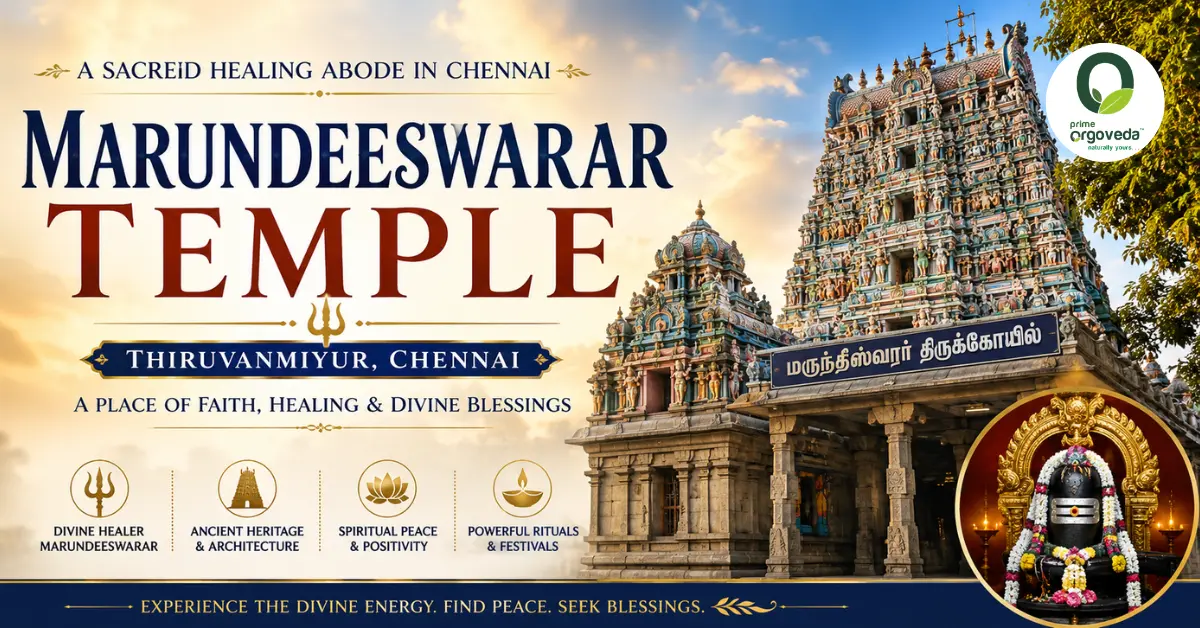
Located in the serene coastal neighborhood of Thiruvanmiyur in Chennai, Tamil Nadu, the Marundeeswarar Temple is one of the most revered temples dedicated to Lord Shiva. Also known as the “Temple of Healing,” it holds deep spiritual significance among devotees who believe that prayers offered here can bring relief from illnesses and health-related struggles.
The temple is associated with the divine form of Lord Shiva as Marundeeswarar, the “Lord of Medicines,” and Goddess Parvati as Thirupurasundari. This sacred shrine beautifully blends devotion, history, and Dravidian architecture, attracting both pilgrims and tourists throughout the year.
With its towering gopurams, intricate stone carvings, and peaceful atmosphere, the temple stands as a powerful symbol of faith and healing energy. It is not only a place of worship but also a spiritual destination where devotees seek inner peace, blessings, and well-being.
Whether you are a devotee of Lord Shiva or a traveler exploring Chennai’s cultural heritage, Marundeeswarar Temple offers a truly divine and memorable experience.
History of Marundeeswarar Temple, Chennai
The Marundeeswarar Temple in Thiruvanmiyur, Chennai, is believed to have a history spanning over 1,000–1,300 years, with origins dating back to the early medieval period. The temple is closely associated with the Chola dynasty, who are credited with constructing and expanding the original stone structure, while later enhancements were made during the Vijayanagara period.
This sacred shrine is one of the 275 Paadal Petra Sthalams, meaning it has been glorified in the devotional hymns of the revered Saivite saints Appar and Thirugnana Sambandar during the 7th century CE. Their hymns confirm the temple’s existence and spiritual prominence even before major architectural expansions took place.
According to Hindu legend, the temple is strongly linked to the concept of divine healing. Lord Shiva, worshipped here as Marundeeswarar (Lord of Medicines), is believed to have revealed the secrets of medicinal herbs to Sage Agastya, making this temple a sacred place for curing ailments and health-related prayers.
Another popular legend connects the temple to Sage Valmiki, the author of the Ramayana, who is said to have worshipped Lord Shiva here. Because of his presence, the area was once known as Thiruvalmikiyur, which later evolved into today’s Thiruvanmiyur.
Over centuries, the temple became a major center of devotion and healing faith, enriched with numerous mythological associations involving deities, sages, and celestial beings. Today, it stands as a living heritage site, reflecting the deep spiritual, cultural, and historical legacy of Chennai’s temple tradition.
Mythological Significance and Legends
The Marundeeswarar Temple in Thiruvanmiyur, Chennai, is deeply rooted in Hindu mythology and is widely known as a divine center of healing and spiritual upliftment. The temple’s name itself comes from “Marundu” (medicine) and “Eeswarar” (Lord Shiva), symbolizing Lord Shiva as the Supreme Healer and Lord of Medicines.
Legend of Sage Agastya and Divine Healing
One of the most popular legends associated with the temple is the story of Sage Agastya, one of the revered Saptarishis. It is believed that Lord Shiva, in his form as Marundeeswarar, revealed the secrets of medicinal herbs and healing practices to the sage at this sacred site. Since then, devotees believe that sincere prayers here can bring relief from chronic illnesses and health-related problems.
Connection with Sage Valmiki
Another important legend connects the temple with Sage Valmiki, the author of the Ramayana. It is said that Valmiki worshipped Lord Shiva at this very place, and because of his presence, the region was once called Thiruvalmikiyur, which later evolved into Thiruvanmiyur. This association adds great literary and spiritual significance to the temple.
Shiva as the Divine Healer
In this temple, Lord Shiva is worshipped not just as a destroyer of evil but also as a compassionate healer who cures physical, mental, and emotional suffering. Devotees strongly believe that offering prayers, abhishekam, and sacred rituals here can help overcome health challenges and bring overall well-being.
Spiritual Energy of the Temple
The temple is also believed to be charged with powerful positive vibrations due to centuries of devotion, chanting, and rituals performed by sages and devotees. This divine energy is said to create a calming environment that supports healing, peace of mind, and spiritual growth.
Together, these legends make Marundeeswarar Temple not just a place of worship, but a spiritual sanctuary of faith, healing, and divine grace.
Architectural Beauty of the Temple
The Marundeeswarar Temple in Thiruvanmiyur, Chennai, is a magnificent example of Dravidian temple architecture, showcasing the artistic brilliance and engineering skill of ancient South Indian temple builders. The temple’s structure reflects centuries of expansions, mainly influenced by the Chola and later Vijayanagara dynasties, which contributed to its grandeur and intricate detailing.
Majestic Gopurams (Temple Towers)
The temple’s towering gopurams (gateway towers) are among its most striking features. Adorned with detailed sculptures of deities, celestial beings, and mythological scenes, these structures stand as a visual representation of divine storytelling carved in stone. The colorful and richly decorated entrance towers create a powerful spiritual first impression for devotees.
Intricate Stone Carvings
Every wall, pillar, and corridor inside the temple showcases exquisite stone carvings depicting Hindu gods, sages, and sacred legends. The craftsmanship reflects deep devotion and artistic excellence, with each sculpture narrating episodes from Hindu mythology and Shaivite traditions.
Spacious Temple Layout
The temple is built with a well-planned layout featuring multiple prakarams (enclosures), spacious corridors, and sacred shrines. This design allows devotees to move through different layers of worship, symbolizing a journey from the outer world toward inner spiritual awakening.
Sacred Shrines and Mandapams
Inside the temple complex, several mandapams (pillared halls) and shrines enhance its architectural beauty. The main sanctum houses Lord Marundeeswarar (Shiva Lingam), while separate shrines are dedicated to Goddess Thirupurasundari and other deities, all arranged in a harmonious and spiritually aligned manner.
Blend of Art and Spirituality
What makes this temple truly special is the seamless blend of art, devotion, and sacred geometry. The architecture is not just visually impressive but also designed to create a calm and spiritually uplifting atmosphere for devotees.
Overall, the architectural beauty of Marundeeswarar Temple stands as a timeless testament to Tamil Nadu’s rich cultural heritage and devotional artistry, making it a must-visit spiritual landmark in Chennai.
Main Deities and Shrines Inside the Temple
The Marundeeswarar Temple in Thiruvanmiyur, Chennai, is a spiritually rich complex that houses several important deities and shrines, each holding deep religious significance. The temple primarily follows Shaivite tradition, with Lord Shiva as the presiding deity, while also honoring Goddess Parvati and other associated forms of divinity.
Lord Marundeeswarar (Presiding Deity)
The main sanctum (Garbhagriha) is dedicated to Lord Shiva in the form of Marundeeswarar, the “Lord of Medicines.” The Shiva Lingam here is considered highly powerful, and devotees believe that worshipping this form of Shiva helps in healing physical ailments and removing negative energies.
Goddess Thirupurasundari
Opposite the main shrine is the sanctum of Goddess Thirupurasundari, a beautiful form of Goddess Parvati. She represents grace, compassion, and divine feminine energy. Devotees often pray to her for family well-being, harmony, and emotional strength.
Lord Nandi
As in most Shiva temples, a majestic statue of Nandi (the sacred bull) is positioned facing the main sanctum. Nandi is considered the divine gatekeeper and the vehicle of Lord Shiva, symbolizing devotion, strength, and patience.
Other Important Shrines
The temple complex also includes shrines dedicated to several other deities such as:
- Lord Vinayaka (Ganesha) – remover of obstacles
- Lord Murugan – representing youth, valor, and wisdom
- Navagrahas (Nine Planetary Deities) – worshipped for astrological balance
- Various Shaivite saints and forms of Shiva
Sacred Mandapams and Sub-Shrines
The temple features multiple mandapams (pillared halls) used for rituals, festivals, and spiritual gatherings. These spaces enhance the devotional experience and allow devotees to participate in various religious activities.
Together, these deities and shrines create a complete spiritual ecosystem, making Marundeeswarar Temple a powerful center of worship, healing, and divine blessings.
Spiritual Importance and Healing Beliefs
The Marundeeswarar Temple in Thiruvanmiyur, Chennai, is widely revered not only as a place of worship but also as a powerful spiritual center for healing and inner transformation. Devotees from across Tamil Nadu and beyond visit this sacred temple with the belief that sincere prayers here can bring relief from physical ailments, mental stress, and life difficulties.
The Temple as the “Healing Shrine”
Lord Shiva is worshipped here as Marundeeswarar, the Lord of Medicines, making the temple uniquely associated with health, wellness, and recovery. According to tradition, prayers offered with devotion are believed to help cure chronic diseases and promote overall well-being. Many devotees visit the temple after recovery or during illness to seek divine grace and gratitude.
Belief in Divine Healing Energy
The temple is considered to be charged with positive spiritual vibrations generated through centuries of continuous chanting, abhishekams, and rituals. This sacred energy is believed to create a calming atmosphere that helps reduce anxiety, emotional stress, and negative thoughts, promoting mental peace.
Rituals for Health and Well-being
Devotees often perform special rituals such as:
- Abhishekam to Lord Shiva Lingam for healing and protection
- Lighting lamps and offering milk, honey, and sacred herbs
- Prayers to Goddess Thirupurasundari for emotional balance and family harmony
These rituals are believed to strengthen faith and accelerate spiritual and physical healing.
Mental Peace and Spiritual Growth
Beyond physical healing, the temple is also seen as a place for inner purification and spiritual awakening. The peaceful surroundings and divine presence encourage meditation, self-reflection, and emotional healing.
Faith and Devotion
Ultimately, the healing power of Marundeeswarar Temple is deeply rooted in faith and devotion. Devotees believe that sincere prayers, combined with unwavering belief in Lord Shiva’s compassion, can bring profound positive changes in life.
This spiritual significance makes the temple not just a religious destination, but a sanctuary of hope, healing, and divine grace.
Temple Timings and Daily Rituals
The Marundeeswarar Temple in Thiruvanmiyur, Chennai, follows a traditional daily schedule of worship and rituals that reflect ancient Shaivite practices. Devotees can visit the temple during both morning and evening hours for darshan and participate in various pujas throughout the day.
Temple Timings
- Morning: 5:30 AM – 12:00 PM
- Evening: 4:00 PM – 9:00 PM
These timings allow devotees to experience both early morning serenity and evening spiritual ambiance. Weekends and festival days may see higher crowds.
Daily Ritual Schedule
The temple follows a structured ritual system with multiple pujas performed daily, typically including:
- Kalasandhi (Morning Pooja) – around sunrise
- Uchikalam (Midday Pooja) – around 12:00 PM
- Sayaratchai (Evening Pooja) – around 6:00 PM
- Ardhajamam (Night Pooja) – around 8:30–9:00 PM
Each ritual includes traditional steps such as:
- Abhishekam (sacred bath of the deity)
- Alangaram (decoration of the deity)
- Naivedyam (food offering)
- Deepa Aradhana (waving of lamps)
Weekly and Monthly Rituals
Apart from daily pujas, the temple also observes:
- Weekly rituals: Somavaram (Monday) and Sukravaram (Friday)
- Fortnightly observances: Pradosham
- Monthly rituals: Amavasai, Pournami, and Kiruthigai
Spiritual Experience
Visiting during early morning or evening puja hours is considered especially auspicious. The sound of bells, chanting of mantras, and aroma of incense create a deeply spiritual atmosphere, allowing devotees to experience peace, devotion, and divine connection.
The structured rituals and sacred timing system make Marundeeswarar Temple not just a place of worship, but a living tradition of continuous devotion and spiritual discipline.
Festivals Celebrated at Marundeeswarar Temple
The Marundeeswarar Temple in Thiruvanmiyur, Chennai, is vibrant throughout the year with numerous festivals dedicated to Lord Shiva (Marundeeswarar) and Goddess Thirupurasundari. These celebrations bring together devotion, culture, music, and traditional rituals, attracting thousands of devotees.
Maha Shivaratri
One of the most important festivals celebrated here is Maha Shivaratri, dedicated to Lord Shiva. Devotees observe night-long prayers, special abhishekams, chanting of Shiva mantras, and deepa aradhana. The temple remains filled with spiritual energy throughout the night.
Panguni Brahmotsavam
The grand annual festival is the Panguni Brahmotsavam (March–April), celebrated with great devotion and grandeur. It includes:
- Flag hoisting (Dwajarohanam)
- Processions of the temple deities on various vahanas (vehicles)
- Special rituals and cultural performances
- Theerthavari and concluding ceremonies
This is the most important festival of the temple, drawing large crowds of devotees.
Skanda Sashti
Dedicated to Lord Murugan, Skanda Sashti is observed with special pujas and devotional singing. Devotees pray for protection from negative energies and obstacles in life.
Vinayaka Chaturthi
On Vinayaka Chaturthi, special offerings and prayers are made to Lord Ganesha, the remover of obstacles. Devotees seek blessings for success and prosperity.
Pradosham
Pradosham, observed twice a month, is a highly auspicious occasion for Shiva worship. Devotees gather in large numbers to perform abhishekam and chant “Om Namah Shivaya.”
Other Important Observances
The temple also celebrates several other traditional Hindu festivals, including:
- Thai Ammavasai (new moon rituals)
- Karthigai Deepam (festival of lamps)
- Navaratri (dedicated to Goddess Durga/Parvati)
- Aadi special pujas
Spiritual Experience During Festivals
During festival days, the temple becomes a hub of devotion with chanting, music, traditional rituals, and decorated processional deities. The atmosphere is deeply spiritual, making it one of the best times to experience the temple’s divine energy.
Overall, the festivals at Marundeeswarar Temple reflect its rich Shaivite tradition and its status as a living spiritual center of Chennai.
How to Reach Marundeeswarar Temple
The Marundeeswarar Temple in Thiruvanmiyur, Chennai, is well-connected by road, rail, and air, making it easily accessible for both local devotees and tourists.
By Air
The nearest airport is Chennai International Airport, located about 13–15 km from the temple. From the airport, you can hire a taxi, cab, or use app-based ride services to reach Thiruvanmiyur directly. The journey usually takes around 30–45 minutes depending on traffic.
By Train
The closest major railway stations are:
- Chennai Central Railway Station
- Chennai Egmore Railway Station
From either station, you can take a taxi, bus, or metro + cab combination to reach Thiruvanmiyur. The temple is around 12–15 km from central railway hubs.
By Bus
Chennai has a strong public transport system. Regular MTC buses connect Thiruvanmiyur with all major parts of the city including CMBT, Adyar, T Nagar, and Velachery. The nearest stop is Thiruvanmiyur Bus Stand, from where the temple is just a short walk or auto ride away.
By Metro + Local Transport
The nearest Chennai Metro stations are Little Mount and Saidapet, located around 5–6 km away. From there, you can take a bus, auto, or cab to reach the temple easily.
Local Transport Options
Within Chennai, you can easily reach the temple using:
- Auto-rickshaws
- App-based cabs (Ola/Uber)
- Local buses
- Shared autos from nearby hubs like Adyar and Velachery
The temple is located in Lalitha Nagar, Thiruvanmiyur, close to the East Coast Road (ECR). Visiting during early morning or evening hours is ideal for a peaceful darshan and smooth travel experience.
Dress Code and Temple Etiquette
The Marundeeswarar Temple in Thiruvanmiyur, Chennai, follows traditional South Indian temple customs that emphasize respect, simplicity, and spiritual discipline. Devotees are expected to dress modestly and maintain proper behavior inside the temple premises to preserve its sacred atmosphere.
Dress Code for Devotees
Visitors are encouraged to wear traditional and modest attire:
- Men: Dhoti, veshti, kurta, or formal full-length trousers and shirts
- Women: Saree, half-saree, salwar kameez, or other modest traditional wear
- Children: Neat and simple clothing covering shoulders and knees
Avoid Wearing:
- Shorts, sleeveless tops, or revealing outfits
- Tight or overly casual western wear
- Footwear inside temple premises
Before entering the main sanctum, devotees are required to remove footwear and store it in designated areas.
Temple Etiquette and Rules
To maintain the sanctity of the temple, visitors should follow these guidelines:
- Maintain silence or speak softly inside the temple
- Switch off mobile phones or keep them on silent mode
- Do not take photographs in restricted or sanctum areas
- Avoid touching idols or sanctum structures unless permitted
- Follow queues and respect darshan arrangements
- Offer prayers with sincerity and discipline
Spiritual Conduct Inside the Temple
The temple is considered a powerful healing and spiritual energy center, so devotees are encouraged to:
- Enter with a calm and respectful mindset
- Focus on prayer, chanting, or meditation
- Avoid unnecessary distractions or rushing through darshan
- Respect priests, rituals, and other devotees
Following proper dress code and etiquette at Marundeeswarar Temple not only shows respect to tradition but also enhances the spiritual experience. The peaceful environment of the temple becomes even more meaningful when visited with humility and devotion.
Best Time to Visit the Temple
The Marundeeswarar Temple in Thiruvanmiyur, Chennai, can be visited throughout the year, but choosing the right time can greatly enhance your spiritual experience and comfort during darshan.
Early Morning (Best for Peaceful Darshan)
The early morning hours (5:30 AM – 8:00 AM) are considered the most peaceful time to visit the temple. The atmosphere is calm, less crowded, and filled with the soothing sounds of chanting and temple bells. This is an ideal time for meditation, prayer, and uninterrupted darshan of Lord Shiva.
Evening Hours (Spiritual Ambience)
Evenings, especially after 5:00 PM, are another excellent time to visit. The temple is beautifully lit, and the deepa aradhana (lamp rituals) create a deeply spiritual and divine atmosphere. Many devotees prefer evenings for a more devotional and vibrant experience.
Best Season to Visit
The most comfortable season to visit is:
- November to February (Winter season) – Pleasant weather, ideal for temple visits and exploring nearby areas
- Avoid peak summer months (April–June) if possible, as Chennai can be hot and humid
Auspicious Days
For a more spiritually powerful experience, consider visiting on:
- Mondays – Special day dedicated to Lord Shiva
- Pradosham days – Highly auspicious for Shiva worship
- Maha Shivaratri – The most significant festival of the temple
- Monthly Shivaratri and Pournami (Full Moon days)
If you prefer a quiet and less crowded experience, weekdays during morning hours are the best choice. For a more festive and energetic atmosphere, visit during evenings or festival days.
Nearby Attractions in Thiruvanmiyur
The area around the Marundeeswarar Temple, Thiruvanmiyur, Chennai, is rich in culture, spirituality, and coastal beauty. Visitors can explore several interesting places nearby that offer a mix of relaxation, devotion, and local charm.
Elliot’s Beach (Besant Nagar Beach)
Just a short drive from the temple, Elliot’s Beach (Besant Nagar Beach) is one of the most peaceful beaches in Chennai. It is ideal for evening walks, sunset views, and relaxing after a temple visit. The calm shoreline and cool breeze make it a favorite spot for both locals and tourists.
Ashtalakshmi Temple
Located along the Besant Nagar seafront, the Ashtalakshmi Temple is a beautiful temple dedicated to Goddess Lakshmi in her eight forms. Built near the sea, it offers a unique spiritual experience combined with scenic ocean views.
Thiruvanmiyur Beach
Close to the temple, Thiruvanmiyur Beach is a quieter alternative to Marina Beach. It is less crowded and perfect for peaceful evening relaxation, photography, and enjoying the natural coastal environment.
Valmiki Nagar Temple
This small but historically significant shrine is associated with Sage Valmiki, who is believed to have connections with the origin of Thiruvanmiyur’s name. It adds strong mythological importance to the region.
Semmozhi Poonga (Botanical Garden)
A little further from Thiruvanmiyur, Semmozhi Poonga is a well-maintained botanical garden featuring exotic plants, landscaped lawns, and walking paths. It’s a great place for nature lovers and families.
Local Markets & ECR Stretch
The nearby East Coast Road (ECR) stretch is famous for:
- Cafes and restaurants
- Handicraft and shopping spots
- Scenic drive along the coastline
It offers a modern contrast to the spiritual experience of the temple.
The surroundings of Marundeeswarar Temple offer a perfect blend of spiritual heritage, beachside relaxation, and urban attractions. Visitors can easily plan a half-day or full-day itinerary covering both devotion and leisure in Thiruvanmiyur.
Tips for a Peaceful Temple Visit
Visiting the Marundeeswarar Temple in Thiruvanmiyur, Chennai, becomes a truly enriching experience when approached with preparation, patience, and devotion. Here are some simple but important tips to help you enjoy a calm and meaningful darshan.
Visit During Off-Peak Hours
Try to visit early in the morning (5:30 AM – 8:00 AM) or later in the evening after 7:00 PM. These times are usually less crowded and offer a more peaceful atmosphere for prayer and meditation.
Dress Modestly and Respectfully
Wear traditional or simple clothing that aligns with temple customs. Modest attire not only respects tradition but also helps you blend into the spiritual environment comfortably.
Keep Digital Distractions Away
Switch off or silence your mobile phone before entering the temple. Avoid unnecessary usage so you can stay fully present in the spiritual experience.
Maintain Silence and Respect
Speak softly inside the temple premises and respect the queue system. Allow others to have a peaceful darshan without disturbance.
Follow Temple Guidelines
Always:
- Remove footwear before entering
- Follow signage and priest instructions
- Avoid restricted areas and sanctum photography rules
Stay Calm and Patient
Temples can get crowded during festivals and weekends. Maintain patience and avoid rushing through darshan. A calm mindset enhances the spiritual experience.
Offer Simple and Sincere Prayers
You don’t need elaborate rituals to connect with the divine. A simple prayer with devotion and faith is considered most powerful at Marundeeswarar Temple.
Take a Moment to Reflect
Spend a few minutes in silence inside the temple premises. The peaceful surroundings are ideal for meditation, reflection, and inner calm.
A peaceful temple visit is not just about timing or preparation—it is about mindset and devotion. When approached with humility and sincerity, Marundeeswarar Temple offers a deeply spiritual and calming experience.
FAQs About Marundeeswarar Temple
Here are some frequently asked questions about the Marundeeswarar Temple in Thiruvanmiyur, Chennai, to help devotees and visitors plan their visit better.
1. Where is Marundeeswarar Temple located?
The temple is located in Thiruvanmiyur, Chennai, Tamil Nadu, near the East Coast Road (ECR), making it easily accessible from all parts of the city.
2. Who is the main deity of the temple?
The presiding deity is Lord Shiva worshipped as Marundeeswarar, known as the Lord of Medicines and Healing. Goddess Thirupurasundari (Parvati) is also enshrined here.
3. What is the significance of Marundeeswarar Temple?
The temple is believed to have divine healing powers, where devotees pray for relief from illnesses, mental stress, and life problems. It is also a major Shaivite pilgrimage site.
4. What are the temple timings?
- Morning: 5:30 AM – 12:00 PM
- Evening: 4:00 PM – 9:00 PM
5. Is there any dress code for visiting the temple?
Yes. Devotees are expected to wear modest and traditional attire such as sarees, dhotis, or salwar kameez. Western and revealing clothing is discouraged.
6. What is the best time to visit the temple?
Early morning hours and evenings are best. The winter season (November–February) is also ideal due to pleasant weather.
7. Which festivals are celebrated here?
Major festivals include Maha Shivaratri, Panguni Brahmotsavam, Pradosham, Vinayaka Chaturthi, and Skanda Sashti.
8. How far is the temple from Chennai airport?
The temple is approximately 13–15 km from Chennai International Airport, and can be reached in about 30–45 minutes by road.
9. Is photography allowed inside the temple?
Photography is generally restricted in the sanctum and certain areas. Visitors should follow temple rules and signage.
10. Why is the temple famous for healing?
The temple is associated with Lord Shiva as Marundeeswarar (God of Medicine). It is believed that sincere prayers here can help in healing physical and mental ailments.
Conclusion
The Marundeeswarar Temple in Thiruvanmiyur, Chennai, stands as a timeless symbol of faith, healing, and spiritual heritage. With its deep-rooted mythology, magnificent Dravidian architecture, and powerful devotional atmosphere, the temple offers more than just a place of worship—it provides a space for inner peace and emotional renewal.
From the sacred legends of Lord Shiva as the Divine Healer (Marundeeswarar) to the centuries of rituals performed with unwavering devotion, every corner of the temple reflects a strong spiritual energy that continues to inspire devotees. Whether one visits seeking relief from difficulties, blessings for well-being, or simply a moment of calm, the temple leaves a lasting impression on the heart and mind.
Surrounded by the vibrant culture of Thiruvanmiyur and the serene beauty of Chennai’s coastal landscape, this sacred shrine beautifully blends tradition, devotion, and tranquility. A visit here is not just a journey to a temple, but a meaningful spiritual experience that connects faith with inner healing.
Ultimately, Marundeeswarar Temple remains a must-visit spiritual landmark in Tamil Nadu—where devotion meets divinity, and every prayer echoes with hope and peace.


 Agarbatti
 Computer Loban
 Dhoop Sticks
 Dhoop Cones
 Loban Powder
 Dhoop Cups
 Soap
Soap Facewash
 Shampoo