
Blog
Best Fragrance Dhoop Sticks: Top Scents, Benefits, Uses & Buying Guide

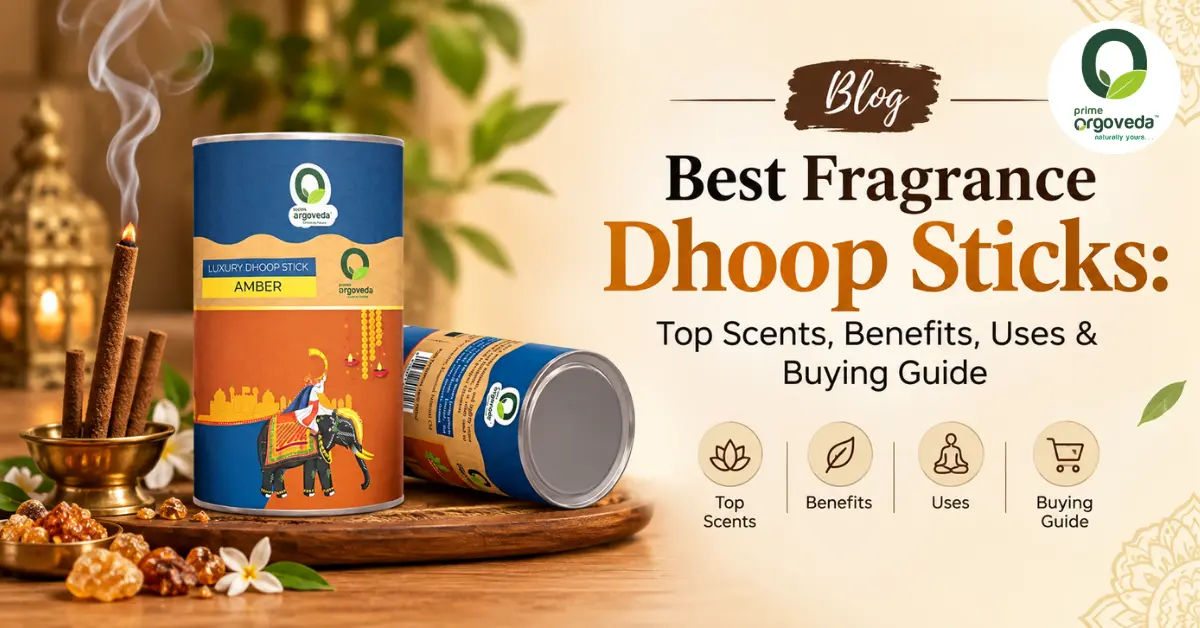
Fragrance plays an important role in creating a welcoming and comfortable atmosphere at home. From traditional pooja rituals to quiet meditation sessions and everyday home fragrance, aromatic products have been used for generations to enhance the ambience of indoor spaces. Among these products, dhoop sticks are particularly valued for their rich aroma, traditional character, and convenient use.
The best fragrance dhoop sticks can transform the atmosphere of a room with warm, distinctive scents such as sandalwood, jasmine, lavender, rose, oud, musk, loban, and other aromatic blends. Different fragrances create different sensory experiences, making it possible to select a dhoop according to the occasion, time of day, or personal preference.
However, fragrance is only one factor to consider when choosing dhoop sticks. Ingredients, burn time, smoke level, fragrance consistency, manufacturing quality, and packaging can all influence the overall experience.
This guide explores popular dhoop fragrances, their common uses, important ingredients, buying considerations, storage recommendations, and safe usage practices to help you make a more informed choice.
What Are Fragrance Dhoop Sticks?
Fragrance dhoop sticks are aromatic incense products designed to release fragrance when gently burned. They are commonly used in Indian homes, pooja spaces, meditation areas, and other settings where a pleasant traditional aroma is desired.
Unlike some conventional incense sticks that use a bamboo core, many dhoop products are made from a prepared aromatic mixture formed into sticks, cones, cups, or other shapes. Depending on the product, the formulation may contain aromatic herbs, woods, resins, natural materials, fragrance compounds, binders, and other ingredients.
Dhoop has a long association with Indian traditions and is frequently used during pooja and other cultural practices. Today, its use has also expanded into everyday home fragrance, relaxation routines, meditation spaces, and personal rituals.
The fragrance profile can vary considerably from one product to another. Some dhoop sticks provide a soft floral aroma, while others offer woody, resinous, earthy, spicy, or sweet notes.
How Dhoop Sticks Create a Pleasant Aroma
When a dhoop stick is lit, controlled combustion causes its aromatic ingredients and fragrance components to be released into the surrounding air along with smoke.
The resulting aroma depends on several factors, including:
- The type of aromatic ingredients used
- The concentration and quality of fragrance materials
- The formulation of the dhoop
- Moisture content
- Burning characteristics
- Air circulation in the room
- Storage conditions
- The size and density of the stick
A well-formulated dhoop stick should provide a reasonably consistent fragrance throughout its intended burn period. However, fragrance perception can differ from person to person, so the same scent may be experienced differently by different users.
Room size and ventilation also influence how a fragrance develops. A scent that feels subtle in a large room may feel much stronger in a smaller enclosed space.
Top Fragrances to Look for in Dhoop Sticks
One of the most enjoyable aspects of choosing dhoop sticks is exploring different fragrance families. The following are some popular options.
Sandalwood
Sandalwood is one of the most recognizable traditional fragrance profiles in Indian incense. It is generally associated with a warm, creamy, woody, and slightly sweet aroma.
Sandalwood dhoop is commonly selected for pooja spaces, meditation areas, and traditional daily rituals.
Jasmine
Jasmine offers a distinctive floral fragrance with a sweet and expressive character. Jasmine-based dhoop sticks are often chosen when users want a noticeable floral aroma for home ambience or traditional occasions.
Lavender
Lavender is known for its fresh, floral, and slightly herbaceous scent. Lavender dhoop can be suitable for evening routines, quiet spaces, meditation areas, or anyone who enjoys softer floral aromas.
Rose
Rose provides a familiar floral fragrance with sweet and elegant characteristics. Rose dhoop sticks can complement festive occasions, pooja spaces, and everyday home fragrance routines.
Oud
Oud-inspired fragrances are generally rich, deep, woody, and distinctive. They can create a more luxurious and intense aromatic atmosphere and are often preferred by people who enjoy sophisticated fragrance profiles.
Musk
Musk fragrances are typically warm, deep, and slightly sweet. Musk dhoop can be used when a stronger and more pronounced aroma is preferred.
Nag Champa
Nag Champa is a well-known incense fragrance associated with Indian incense traditions. Its fragrance profile can combine floral, woody, sweet, and earthy characteristics depending on the formulation.
Loban
Loban, traditionally associated with aromatic resin, is valued for its distinctive resinous and warm fragrance. Loban-based products are commonly used in traditional settings and pooja rituals.
Javadhu
Javadhu is a traditional Indian fragrance associated with a rich, sweet, and aromatic character. It is particularly appreciated by those who prefer traditional fragrance blends with a distinctive identity.
Herbal and Natural Blends
Herbal blends may combine aromatic plants, woods, resins, leaves, roots, or other botanical materials. Their fragrance can range from earthy and woody to fresh and mildly sweet.
When selecting such products, it is useful to check the ingredient information rather than assuming that every product marketed as herbal or natural contains only botanical ingredients.
Benefits of Using Fragrance Dhoop Sticks at Home
Fragrance dhoop sticks are primarily used to create a pleasant sensory environment. Their benefits are largely related to ambience, tradition, and personal fragrance preferences.
Creates a Pleasant Home Atmosphere
A suitable fragrance can make an indoor space feel more inviting and comfortable. Dhoop can be used in living rooms, pooja areas, entrances, or other appropriate spaces.
Supports Traditional Rituals
Dhoop has an important place in many Indian religious and cultural practices. Its aroma and smoke are traditionally incorporated into pooja and ceremonial routines.
Enhances Meditation Spaces
Many people prefer using a familiar fragrance while creating a dedicated meditation or quiet space. A consistent scent can become part of an individual’s personal routine.
Adds Character to Different Spaces
Different fragrance families can complement different environments. Woody aromas may suit traditional spaces, floral fragrances can create a softer ambience, and richer scents may work well for special occasions.
Offers Variety in Everyday Fragrance
With numerous fragrances available, users can change scents according to the season, occasion, time of day, or personal preference.
It is important to remember that incense smoke is still indoor smoke. Good ventilation and responsible use are important, particularly around children, pets, older adults, and people who are sensitive to smoke or fragrances.
Best Dhoop Stick Fragrances for Different Purposes
There is no single fragrance that suits every situation. The right choice depends on the atmosphere you want to create.
For Pooja and Spiritual Practices
Traditional fragrances such as sandalwood, loban, javadhu, and selected herbal blends are commonly associated with pooja and spiritual settings.
For Meditation
Soft or balanced fragrances such as sandalwood and lavender may be preferred by people who enjoy a less intense aromatic environment.
For Home Fragrance
Jasmine, rose, oud, musk, and other floral or woody fragrances can be used to add a distinctive aroma to suitable indoor spaces.
For Morning Rituals
Fresh, herbal, woody, or moderately floral fragrances may work well as part of a morning routine.
For Evening Use
Warmer fragrances such as sandalwood, musk, oud, or lavender may complement a quiet evening atmosphere.
Ultimately, fragrance selection is subjective. The most suitable option is the one whose aroma matches your personal preference and intended use.
Natural vs. Synthetic Fragrance Dhoop Sticks
The terms “natural” and “synthetic” describe differences in the source of fragrance materials, but they should not automatically be treated as a simple measure of product quality.
Natural Fragrance Materials
Natural fragrance materials may be obtained from botanical or other naturally occurring sources. Examples can include aromatic woods, resins, herbs, flowers, spices, and essential oils.
These materials can contribute distinctive and complex fragrance characteristics.
Synthetic Fragrance Materials
Synthetic fragrance compounds are produced using chemical processes and can be formulated to create specific fragrance profiles. They are widely used in the fragrance industry because they can provide consistency, stability, and a broad range of scent possibilities.
What Should You Choose?
Rather than judging a dhoop solely by whether its fragrance is natural or synthetic, consider:
- Ingredient transparency
- Product quality
- Fragrance consistency
- Smoke characteristics
- Burn time
- Manufacturing standards
- Brand reputation
- Your personal fragrance preference
A responsible manufacturer should provide appropriate product information so customers can understand what they are purchasing.
Ingredients Commonly Used in Dhoop Sticks
Dhoop formulations can vary significantly between manufacturers and products. Common ingredient categories may include:
Aromatic Woods
Woods such as sandalwood and other aromatic wood materials can contribute woody and warm fragrance notes.
Resins
Resins such as loban and other aromatic resins have traditionally been used in incense formulations and can provide rich, resinous aromas.
Herbs and Botanicals
Selected herbs, flowers, leaves, roots, and plant materials may be incorporated into certain formulations.
Fragrance Materials
Natural extracts, essential oils, fragrance compounds, or combinations of these may be used to develop the desired scent profile.
Binders
Binders help hold the ingredients together and maintain the physical structure of the dhoop.
Other Formulation Materials
Depending on the product, manufacturers may use additional materials to control texture, burning characteristics, fragrance release, and product stability.
Always check the product label or manufacturer’s ingredient information for the specific formulation.
How to Choose the Best Fragrance Dhoop Sticks
Choosing the right dhoop is about more than selecting a fragrance name. Consider the following factors before purchasing.
1. Choose Your Preferred Fragrance Family
Decide whether you prefer floral, woody, resinous, herbal, sweet, earthy, or rich fragrances.
2. Check the Ingredients
Look for clear and accessible ingredient information. This helps you make a more informed purchasing decision.
3. Consider Burn Time
Check the stated burn duration. A longer burn time is not necessarily better; what matters is whether the duration suits your intended use.
4. Consider Smoke Level
Different formulations can produce different amounts of smoke. If you prefer a lighter indoor experience, consider products specifically formulated for lower smoke output.
5. Look at Fragrance Strength
Some users prefer subtle aromas, while others prefer stronger fragrances. Select a product according to your room size and personal preference.
6. Check Product Freshness
Fragrance quality can deteriorate when incense is exposed to moisture, heat, or air for extended periods. Choose products that are properly packaged and stored.
7. Buy from a Reliable Brand
Look for manufacturers that provide clear product descriptions, ingredient information, usage instructions, and customer support.
Factors That Affect Fragrance Quality and Burn Time
Several factors can influence how a dhoop stick smells and burns.
Ingredient Quality
The quality and proportion of aromatic materials can influence fragrance character and consistency.
Formulation
The density and composition of the dhoop affect both fragrance release and burning behaviour.
Moisture
Excess moisture can affect ignition and burning performance, while improper drying can also influence product quality.
Storage
Heat, humidity, direct sunlight, and exposure to air can gradually affect fragrance.
Stick Size
The dimensions and density of a dhoop stick can influence how long it burns.
Ventilation
Air movement can change both the direction and intensity of fragrance within a room.
Room Size
A fragrance may be perceived differently in a small room compared with a large, open space.
Because these variables differ between products, the manufacturer’s stated burn time should be treated as the primary reference for that particular product.
How to Use Dhoop Sticks Safely and Effectively
Dhoop sticks involve an open flame and produce smoke, so safe usage is essential.
Follow these practices:
- Place the dhoop in a stable, heat-resistant incense holder.
- Keep it away from curtains, paper, clothing, furniture, and other flammable materials.
- Light the tip carefully and allow it to catch properly.
- Extinguish the flame according to the product’s instructions.
- Never leave burning dhoop unattended.
- Keep it away from children and pets.
- Use appropriate ventilation.
- Avoid burning large quantities in a small enclosed room.
- Do not place burning dhoop directly on furniture or combustible surfaces.
- Ensure the product is completely extinguished after use.
People who are sensitive to smoke or fragrances may prefer to avoid incense or use it only in well-ventilated areas.
Tips for Getting a Long-Lasting Fragrance
If you want to make the most of your dhoop fragrance, a few simple practices can help.
Use the Right Quantity
Burning several sticks at once does not necessarily improve fragrance quality. Start with one and adjust according to the size of the space.
Choose an Appropriate Location
Place the dhoop in a safe location where the fragrance can circulate naturally without being directly exposed to strong airflow.
Maintain Suitable Ventilation
A well-ventilated room helps prevent excessive smoke accumulation while allowing the aroma to circulate.
Select Fragrances According to Room Size
A strong fragrance may be more noticeable in a smaller space, while a larger room may require a more pronounced fragrance profile.
Store Unused Dhoop Properly
Keeping unused sticks sealed and protected from moisture can help preserve their fragrance.
How to Store Dhoop Sticks Properly
Correct storage helps maintain fragrance and product quality.
Keep dhoop sticks:
- In their original packaging whenever possible
- In a cool and dry location
- Away from direct sunlight
- Away from excessive humidity
- Away from strong external odours
- Protected from moisture
- Out of reach of children and pets
Bathrooms and other highly humid areas are generally unsuitable for storing incense products.
Proper storage is particularly important for natural or botanical formulations because moisture and environmental exposure can affect their characteristics over time.
Common Mistakes to Avoid When Using Dhoop Sticks
Avoiding a few common mistakes can improve both safety and the overall fragrance experience.
Burning Too Many Sticks
Using excessive quantities can result in an overly strong aroma and unnecessary smoke.
Using an Unstable Holder
Always use a suitable holder designed to safely contain burning incense or dhoop.
Burning in a Completely Enclosed Room
Adequate ventilation is important when using products that produce smoke.
Leaving Burning Dhoop Unattended
Never leave a lit dhoop stick unattended, particularly when leaving the room or going to sleep.
Storing Products in Humid Areas
Humidity can affect fragrance and burning performance.
Choosing Only by Fragrance Name
A familiar fragrance name does not necessarily tell you everything about the product. Check ingredients, formulation information, burn time, and manufacturer details as well.
Conclusion
Fragrance dhoop sticks can add a distinctive aromatic element to pooja rituals, meditation spaces, traditional practices, and everyday home ambience. With options ranging from sandalwood and jasmine to lavender, rose, oud, musk, loban, javadhu, and herbal blends, there is a wide variety of fragrance profiles to explore.
The right choice depends on your personal preference, intended use, room size, desired fragrance strength, and product formulation. In addition to fragrance, consider ingredients, burn time, packaging, storage, smoke characteristics, and manufacturer transparency when making your selection.
Most importantly, use dhoop responsibly. A stable holder, appropriate ventilation, careful handling, and proper storage can help create a more enjoyable and safer experience.
Whether you prefer traditional woody aromas, expressive florals, rich resinous notes, or contemporary fragrance blends, choosing a well-made product can make your everyday aromatic rituals more enjoyable.
Frequently Asked Questions
1. Which fragrance is best for dhoop sticks?
There is no universally best fragrance because scent preference is subjective. Sandalwood, jasmine, lavender, rose, oud, musk, loban, and javadhu are popular choices, each offering a different aromatic character.
2. Which dhoop fragrance is suitable for pooja?
Traditional fragrances such as sandalwood, loban, javadhu, and selected herbal blends are commonly used during pooja. Personal and family traditions can also influence fragrance selection.
3. Are dhoop sticks and incense sticks the same?
They are related aromatic products, but their physical structure, ingredients, formulation, and burning characteristics can differ. Some dhoop products are made without the traditional bamboo core found in many incense sticks.
4. How long does a dhoop stick burn?
Burn time varies according to the product’s size, density, formulation, and manufacturing process. Always check the manufacturer’s stated burn time for the specific product.
5. Can dhoop sticks be used every day?
Dhoop can be incorporated into a daily routine if used responsibly. Follow the product instructions, use suitable ventilation, and avoid excessive smoke accumulation.
6. Which dhoop fragrance is suitable for meditation?
Sandalwood and lavender are commonly chosen by people who prefer softer or calming fragrance profiles for meditation spaces. The ideal choice ultimately depends on individual preference.
7. How can I make dhoop fragrance last longer?
Use an appropriate quantity, select a fragrance suitable for the room size, avoid strong drafts, and store unused dhoop in a cool, dry, well-sealed environment.
8. How should dhoop sticks be stored?
Store them in a cool, dry place away from direct sunlight, moisture, humidity, and strong external odours. Keeping them properly sealed can help preserve fragrance quality.
9. Does stronger fragrance mean better-quality dhoop?
Not necessarily. Fragrance strength is a matter of formulation and personal preference. Quality should also be considered in terms of ingredients, consistency, burning characteristics, packaging, and manufacturing standards.
10. Is it safe to burn dhoop indoors?
Dhoop should be used carefully because burning incense produces smoke. Use a stable heat-resistant holder, maintain appropriate ventilation, keep it away from flammable materials, and never leave it unattended.
11. Can I use different dhoop fragrances in different rooms?
Yes, provided they are used safely. You may choose fragrances according to the atmosphere you want in each space, while avoiding excessive amounts in enclosed areas.
12. What should I check before buying fragrance dhoop sticks?
Consider the fragrance profile, ingredients, burn time, smoke characteristics, packaging, storage condition, manufacturer information, and customer reviews where available.
13. Are natural dhoop sticks always better than synthetic ones?
The terms natural and synthetic describe the source or method of producing fragrance materials. Neither term alone determines overall product quality. Ingredient transparency, formulation, manufacturing quality, and suitability for your preferences are also important.
14. Can dhoop sticks be used around children and pets?
Use extra caution around children and pets. Keep burning dhoop completely out of reach and ensure the area is appropriately ventilated. Never leave burning incense unattended.
15. How do I choose between floral and woody dhoop fragrances?
Choose according to your preferred scent profile. Floral fragrances such as jasmine and rose tend to provide a more expressive floral character, while sandalwood and other woody fragrances generally offer warmer, deeper aromatic notes.


 Agarbatti
 Computer Loban
 Dhoop Sticks
 Dhoop Cones
 Loban Powder
 Dhoop Cups
 Soap
Soap Facewash
 Shampoo