
Blog
Best Incense Sticks for Good Luck: Fragrances, Benefits, Uses & Tips

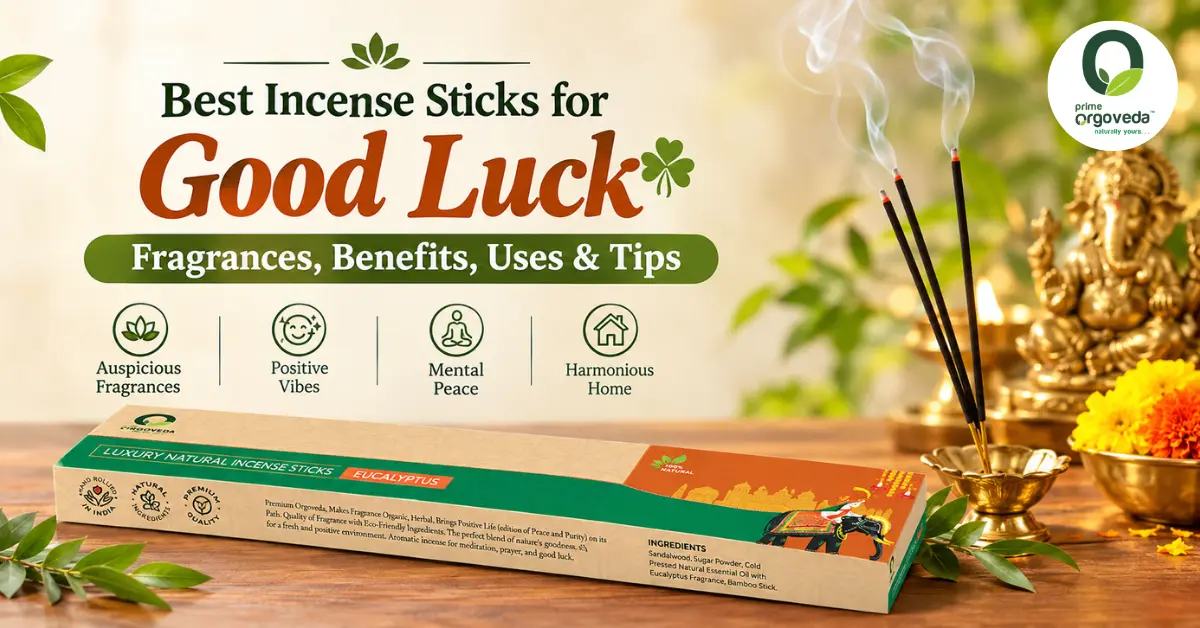
Incense has been part of spiritual practices, meditation, prayer, and everyday home rituals for centuries. Beyond its pleasant fragrance, incense is often associated with creating a peaceful atmosphere, supporting mindful routines, and preparing spaces for prayer or reflection. In many cultures and traditions, certain fragrances are also connected with prosperity, positivity, harmony, and good fortune.
Choosing the right incense can make everyday rituals more enjoyable while adding a beautiful aromatic touch to your surroundings. From warm sandalwood and floral jasmine to traditional frankincense and rich oud, each fragrance offers a distinctive sensory experience.
This guide explores the best incense sticks for good luck, their traditional associations, benefits, uses, selection tips, and important safety practices.
Understanding Incense Sticks and Good Luck Traditions
The connection between incense and good luck comes from longstanding cultural and spiritual traditions. Across different communities, fragrant smoke has been used during prayers, ceremonies, meditation, festivals, and important occasions.
Certain aromas are traditionally associated with qualities such as prosperity, purification, peace, devotion, abundance, and positive beginnings. Burning incense may therefore become part of a personal ritual intended to create a calm and uplifting environment.
It is important to understand that incense does not scientifically guarantee good luck or financial success. Its value is primarily connected with tradition, symbolism, personal meaning, fragrance, and the atmosphere it helps create.
For many people, lighting incense can also serve as a simple reminder to pause, reflect, pray, meditate, or begin an activity with a positive mindset.
What Are Incense Sticks?
Incense sticks are aromatic products designed to release fragrance when burned. They are commonly made using a combustible base along with aromatic ingredients such as herbs, woods, resins, flowers, spices, essential oils, or fragrance compounds.
Depending on the manufacturing method and ingredients used, incense sticks can have different aromas, burn times, smoke characteristics, and fragrance intensities.
Traditional varieties may include ingredients such as sandalwood, natural resins, herbs, flowers, and aromatic woods. Modern incense products may combine natural and fragrance ingredients to create consistent and distinctive scents.
Incense sticks are commonly used for:
- Prayer and worship
- Meditation and mindfulness
- Home fragrance
- Relaxation routines
- Spiritual ceremonies
- Festivals and special occasions
- Creating an inviting indoor atmosphere
How Incense Is Traditionally Associated with Good Luck and Prosperity
In many traditions, fragrance plays a symbolic role in creating an atmosphere suitable for prayer, celebration, and positive intentions. Certain incense aromas have consequently become associated with prosperity, abundance, purification, harmony, and auspicious beginnings.
For example, sandalwood is widely valued in Indian spiritual traditions, while frankincense has a long history of ceremonial use in different parts of the world. Floral fragrances such as jasmine and rose are often connected with beauty, celebration, and pleasant surroundings.
The idea of using incense for good luck is therefore best understood as a traditional or symbolic practice, rather than a guaranteed method for attracting fortune.
A personal ritual can still have meaningful benefits. Lighting an incense stick before prayer, meditation, or reflection can create a consistent routine and help establish a calm mental environment.
Best Incense Stick Fragrances for Good Luck
There is no scientifically established incense fragrance that guarantees good luck. However, several fragrances are traditionally associated with positivity, prosperity, spirituality, or auspicious occasions.
Sandalwood
Sandalwood is one of the most familiar fragrances used in Indian spiritual and household rituals. Its warm, smooth, woody aroma makes it suitable for prayer, meditation, and quiet reflection.
It is often associated with:
- Peace and serenity
- Spiritual practices
- Meditation
- Traditional worship
- A calming ambience
Jasmine
Jasmine has a sweet, floral fragrance that can make a room feel fresh and inviting. It is commonly associated with celebrations, beauty, positivity, and traditional Indian rituals.
Jasmine incense can be suitable for evening routines, prayer, relaxation, and home fragrance.
Rose
Rose incense offers a soft and floral aroma. Its fragrance is often associated with love, harmony, beauty, and emotional warmth.
It can be used during personal relaxation, prayer, meditation, or occasions when you want a pleasant floral ambience.
Lavender
Lavender is known for its gentle and soothing aroma. It is particularly popular in relaxation and bedtime routines.
Lavender incense can complement:
- Meditation
- Quiet reading
- Relaxation
- Yoga
- Evening routines
Frankincense
Frankincense has a distinctive resinous and slightly woody aroma and has a long history of ceremonial use across several cultures.
It is often chosen for:
- Prayer
- Spiritual ceremonies
- Meditation
- Traditional rituals
- Reflective practices
Oud
Oud provides a deep, rich, woody aroma and is particularly popular among people who prefer luxurious and intense fragrances.
It can be used during special occasions, prayer, home fragrance routines, and traditional ceremonies.
Nag Champa
Nag Champa is a well-known incense fragrance with a characteristic warm, floral, and earthy profile. It is frequently used for meditation, prayer, relaxation, and creating a spiritual atmosphere.
Patchouli
Patchouli has an earthy, warm, and distinctive fragrance. It can be used to create a grounded and aromatic environment and is popular among people who enjoy deeper fragrance profiles.
Benefits of Using Incense Sticks in Daily Life
Incense can add more than fragrance to a daily routine. When used appropriately, it can become part of a mindful and intentional lifestyle.
Creates a Pleasant Fragrance
Incense can help introduce a distinctive aroma into a room, making the environment feel more inviting.
Supports Relaxation Rituals
A familiar fragrance can become associated with relaxing activities such as meditation, reading, prayer, or quiet reflection.
Enhances Prayer and Spiritual Practices
Many people use incense during worship and traditional rituals because fragrance can contribute to the sensory experience of the practice.
Encourages Mindful Routines
Lighting an incense stick can mark the beginning of a dedicated period for meditation, reflection, or personal time.
Adds Ambience to Special Occasions
Floral, woody, and resinous fragrances can complement festivals, celebrations, prayer sessions, and family gatherings.
How Incense Sticks Can Create a Positive and Peaceful Atmosphere
A pleasant environment can influence how people experience a space. Fragrance is one element that can contribute to that atmosphere.
For example, a soft floral aroma may feel welcoming, while woody fragrances can create a traditional and grounded ambience. Choosing a fragrance that matches the occasion can make everyday rituals more enjoyable.
For a peaceful environment, consider fragrances such as:
- Sandalwood
- Lavender
- Jasmine
- Rose
- Frankincense
For a richer and more luxurious atmosphere, consider:
- Oud
- Amber
- Musk
- Woody blends
The ideal choice ultimately depends on personal fragrance preferences and the purpose of the ritual.
Best Times to Burn Incense for Traditional Rituals
There is no universal scientifically established “best time” to burn incense for good luck. The appropriate time often depends on personal routine, cultural practice, and the purpose of using incense.
Morning
Morning incense can accompany prayer, meditation, yoga, or the beginning of a new day.
Evening
Many people prefer burning incense in the evening as part of prayer, relaxation, or a transition from work to personal time.
During Prayer or Worship
Incense can be incorporated into traditional religious and spiritual practices according to individual customs.
During Meditation
A suitable fragrance can become part of a consistent meditation routine.
During Festivals and Special Occasions
Incense is commonly used during celebrations, ceremonies, and auspicious occasions in many cultures.
Always ensure that the area is appropriately ventilated and that the burning incense is supervised.
How to Use Incense Sticks for Good Luck and Positive Ambience
If incense is part of your personal or cultural good-luck ritual, the following approach can help create a meaningful routine:
- Choose a fragrance you genuinely enjoy.
- Clean and prepare the space before beginning your ritual.
- Place the incense stick in a stable, heat-resistant holder.
- Light the tip carefully.
- Allow the flame to burn briefly and then gently extinguish the flame, leaving the incense smouldering.
- Spend a few moments in prayer, meditation, gratitude, or reflection.
- Keep the incense away from curtains, paper, fabrics, children, and pets.
- Extinguish it completely after use.
The ritual can be centered around personal intentions such as gratitude, peace, discipline, positivity, or a fresh beginning.
Choosing High-Quality Incense Sticks
Quality can significantly influence the fragrance experience. When choosing incense sticks, consider the following factors:
Ingredients
Check the product information to understand the aromatic and base ingredients used.
Fragrance Quality
Look for a fragrance that is pleasant and balanced rather than excessively harsh or overpowering.
Burn Time
Consider the stated burn time and choose a product appropriate for your intended use.
Consistent Burning
Well-made incense should burn reasonably consistently when used according to the manufacturer’s instructions.
Packaging
Good packaging can help protect incense from moisture and preserve its fragrance.
Manufacturing Information
Choose products from brands that clearly provide product details, usage instructions, and safety information.
Natural vs. Artificial Fragrance in Incense Sticks
Incense products can use different types of aromatic materials. Some may contain natural aromatic ingredients, while others may use fragrance compounds or combinations of both.
Natural Fragrance
Natural aromatic ingredients can include:
- Herbs
- Flowers
- Woods
- Resins
- Essential oils
- Plant-based aromatic materials
These can provide distinctive and complex fragrance profiles.
Artificial or Synthetic Fragrance
Synthetic fragrance ingredients can be used to create specific aromas and provide consistency between batches.
The term “natural” does not automatically mean that a product is suitable for every person or environment. Likewise, the presence of synthetic fragrance does not by itself determine overall product quality.
When selecting incense, review the manufacturer’s ingredient information and choose products that suit your preferences and intended use.
Incense Sticks for Home, Office, Meditation & Prayer
Different environments may benefit from different fragrance profiles.
For Home
Floral and mild woody fragrances can create a welcoming ambience.
Suggestions: Jasmine, Rose, Sandalwood
For Office
A lighter fragrance may be preferable in shared spaces where other people may have different sensitivities.
Suggestions: Mild floral or subtle woody fragrances
For Meditation
Choose a fragrance that feels calming and does not distract from concentration.
Suggestions: Sandalwood, Lavender, Frankincense
For Prayer
Traditional woody, floral, and resinous fragrances can complement spiritual routines.
Suggestions: Sandalwood, Jasmine, Frankincense, Oud
Always consider ventilation and the preferences of other people sharing the space.
Safety Tips for Burning Incense Sticks
Incense involves an open flame and burning material, so appropriate safety precautions are important.
- Always use a stable and heat-resistant incense holder.
- Keep burning incense away from curtains, paper, furniture, and other flammable materials.
- Never leave burning incense unattended.
- Keep incense away from children and pets.
- Avoid placing incense directly under shelves or near combustible surfaces.
- Maintain suitable ventilation, particularly when using incense indoors.
- Do not burn multiple sticks unnecessarily in a small or poorly ventilated room.
- Extinguish the incense completely after use.
- Follow the safety instructions provided by the manufacturer.
People who are sensitive to smoke or fragrance should use caution and consider alternatives such as non-burning fragrance products.
How to Store Incense Sticks Properly
Proper storage helps preserve fragrance and product quality.
Keep incense sticks:
- In a cool, dry place
- Away from direct sunlight
- Away from excessive humidity
- Inside their original packaging or an airtight container where appropriate
- Away from strong-smelling household products
- Away from children and pets
Avoid storing incense in damp areas because moisture can affect its ability to burn properly and may alter its fragrance.
Conclusion
The best incense sticks for good luck are ultimately the ones that fit your personal traditions, fragrance preferences, and daily routine. Fragrances such as sandalwood, jasmine, rose, lavender, frankincense, oud, and Nag Champa have different aromatic characteristics and cultural associations.
While incense cannot scientifically guarantee good luck, it can play a meaningful role in personal rituals, prayer, meditation, relaxation, and creating a pleasant atmosphere. Choosing quality incense and using it responsibly can make these routines more enjoyable and intentional.
Whether you use incense to begin your morning with gratitude, support an evening meditation practice, enhance prayer, or simply fill your home with a beautiful fragrance, selecting the right aroma can make your everyday ritual more special.
Frequently Asked Questions (FAQs)
1. Which incense stick is traditionally associated with good luck?
There is no universally recognized incense stick that guarantees good luck. Sandalwood, jasmine, frankincense, rose, and other fragrances are traditionally used in different cultures for prayer, positive rituals, and auspicious occasions.
2. Does burning incense actually bring good luck?
There is no scientific evidence that burning incense directly causes good luck. Its association with good fortune comes primarily from cultural traditions, symbolism, and personal rituals.
3. Which incense fragrance is good for positive energy?
Sandalwood, jasmine, lavender, rose, and frankincense are popular choices for creating a pleasant and peaceful atmosphere. The best option depends on individual fragrance preferences.
4. Which incense is suitable for prayer?
Sandalwood, frankincense, jasmine, and other traditional fragrances are commonly used during prayer and spiritual practices.
5. Can I burn incense every day?
Incense can be incorporated into a daily routine when used responsibly. Ensure good ventilation, use a suitable holder, and never leave burning incense unattended.
6. Which incense is best for prosperity rituals?
Different traditions use different fragrances for prosperity-related rituals. Sandalwood, jasmine, frankincense, and other aromatic blends may be used depending on cultural and personal practices.
7. Is natural incense better than synthetic incense?
“Natural” and “synthetic” describe different types of aromatic ingredients and do not, by themselves, determine overall product quality. Check the ingredients, manufacturing information, fragrance quality, and safety instructions before choosing.
8. Can incense be used for meditation?
Yes. Incense is commonly incorporated into meditation routines. Choose a fragrance that you find pleasant and that does not distract you from your practice.
9. How long should an incense stick burn?
Burn times vary by product, size, formulation, and manufacturer. Follow the burn-time and safety instructions provided with the specific product.
10. What is the safest way to burn incense indoors?
Use a stable, heat-resistant holder, keep the incense away from flammable materials, maintain suitable ventilation, and never leave burning incense unattended.
11. Which incense fragrance is best for home use?
Sandalwood, jasmine, rose, lavender, and mild woody fragrances are popular choices for home use. Select an aroma based on the atmosphere you want to create and the preferences of people sharing the space.
12. How should incense sticks be stored?
Store incense in a cool, dry place away from direct sunlight and moisture. Keeping the product properly sealed can help preserve its fragrance and burning quality.


 Agarbatti
 Computer Loban
 Dhoop Sticks
 Dhoop Cones
 Loban Powder
 Dhoop Cups
 Soap
Soap Facewash
 Shampoo