
Blog
Dwarkadhish Temple: The Sacred Abode of Lord Krishna’s Kingdom in Gujarat

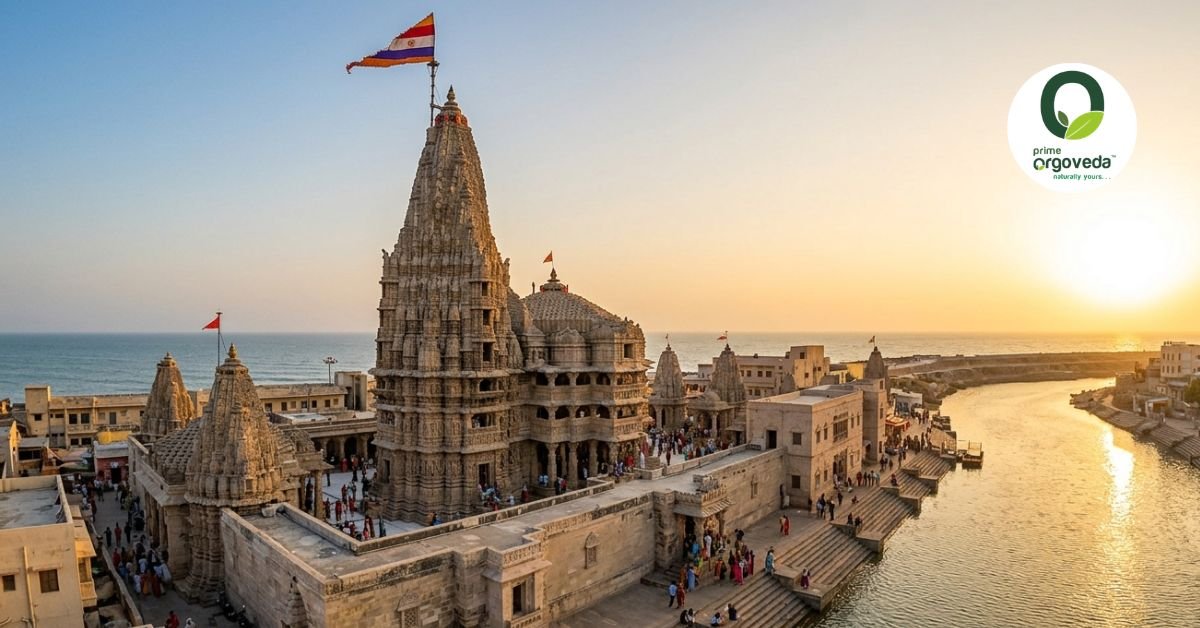
The ancient pilgrimage site of Dwarkadhish Temple holds a timeless spiritual significance as one of the most revered shrines dedicated to Lord Krishna. Believed to be the divine residence of Krishna during his reign, it is deeply connected with the legends of Dwarkapuri, the legendary underwater city that symbolizes Krishna’s heavenly kingdom.
Situated in the sacred coastal region often referred to as the spiritual heart of Dwarkadhish city, the temple attracts millions of devotees seeking blessings, peace, and liberation. It is not just a place of worship but a living reminder of devotion, mythology, and divine history that continues to inspire faith across generations.
The divine aura of the temple, combined with the rich cultural heritage of the region, makes it one of the most important pilgrimage destinations in India. Visitors believe that stepping into this holy shrine brings them closer to Lord Krishna’s eternal presence and blessings.
Significance of Dwarkadhish Temple in Hinduism
The sacred shrine of Dwarkadhish Temple, also known as the Jagat Mandir, holds immense spiritual importance in Hinduism as it is dedicated to Lord Krishna, the eighth incarnation of Lord Vishnu. It is believed to be one of the most powerful pilgrimage sites where devotees experience divine energy, liberation from sins, and spiritual awakening.
In Hindu tradition, the temple is considered one of the sacred Char Dham pilgrimage sites, making it a vital destination for moksha seekers. The architecture, rituals, and continuous worship practices reflect centuries of devotion and unwavering faith in Lord Krishna as the king of Dwarka.
The nearby coastal stretch of Dwarkadhish Beach adds to the spiritual atmosphere, where devotees often feel a deep connection between nature and divinity while reflecting on Krishna’s eternal presence.
The temple is not just a religious structure but a living symbol of devotion, dharma, and the divine kingdom of Lord Krishna. It continues to inspire millions of devotees who visit seeking blessings, peace, and spiritual fulfillment.
Mythological Origins of Lord Krishna’s Kingdom in Dwarka
The sacred history of Dwarkadhish Temple is deeply rooted in Hindu mythology, where it is believed to be the divine kingdom established by Lord Krishna after leaving Mathura. According to ancient scriptures, Krishna guided the Yadava clan to the western coast of India and founded the magnificent city of Dwarka, which later became his royal capital.
In devotional traditions, the city is often associated with the spiritual energy of Dwarkadhish Mandir, where Lord Krishna is worshipped as the King of Dwarka. The legends describe Dwarka as a golden city built with divine architecture, later submerged into the sea, symbolizing the eternal and mystical nature of Krishna’s kingdom.
Devotees of modern temples like ISKCON continue to celebrate these stories through kirtans, teachings, and devotion, reinforcing the message of dharma and bhakti.
Even today, devotees joyfully chant “Jay Dwarkadhish”, expressing their love and reverence for Lord Krishna and his eternal kingdom. These mythological stories continue to inspire faith, devotion, and a deep spiritual connection among millions of followers across the world.
History of Dwarkadhish Temple and Ancient Dwarka City
The sacred site of Dwarkadhish Temple holds a legendary place in Hindu history as the capital of Lord Krishna’s ancient kingdom. According to scriptures like the Mahabharata and various Puranas, Lord Krishna established the divine city of Dwarka after leaving Mathura, making it the royal seat of the Yadava dynasty.
The holy land of Dwarkadhish Dham is believed to have been a grand, well-planned city surrounded by the Arabian Sea, often described as a “golden city” filled with palaces, temples, and divine architecture. It was here that Lord Krishna ruled as a just and wise king, earning him the name Dwarkadhish Ji, meaning the “King of Dwarka.”
The present-day temple is believed to stand on the same sacred ground where Krishna once resided. Over centuries, the city is said to have been submerged into the sea, adding a layer of mystery and divinity to its history. Devotees also refer to Krishna as Dwarkadhish Krishna, honoring his eternal connection with this holy land.
Today, the temple continues to symbolize the glory of Krishna’s kingdom, attracting millions of devotees who come to witness the spiritual legacy of ancient Dwarka and experience its timeless devotion.
Architectural Grandeur of the Temple
The sacred shrine of Dwarkadhish Temple is a remarkable example of ancient Indian temple architecture, showcasing intricate craftsmanship and timeless design. Built in the Chalukya style, the temple stands tall with its beautifully carved limestone structure, rising majestically above the Arabian Sea coastline.
The temple’s towering shikhara (spire), adorned with detailed carvings of deities, mythological scenes, and floral motifs, reflects the devotion of artisans who dedicated their work to Lord Krishna. The flag atop the temple, changed several times a day, symbolizes spiritual victory and divine protection.
Often associated with the divine presence of Dwarkadhish Shri Krishna, the temple is considered a living embodiment of devotion and royal heritage. Its five-storied structure, supported by 72 intricately carved pillars, highlights both architectural brilliance and spiritual symbolism.
In comparison to other sacred sites like the revered Dwarkadhish Somnath Mandir, the temple stands as a masterpiece of harmony between devotion, engineering, and artistic excellence.
The grandeur of this temple continues to inspire architects, historians, and devotees alike, making it one of the most magnificent spiritual landmarks in India.
Main Deity and Spiritual Importance of Lord Dwarkadhish
The sacred shrine of Dwarkadhish Temple is dedicated to Lord Krishna, worshipped here as Dwarkadhish, meaning “King of Dwarka.” The main deity is a beautifully adorned black stone idol of Lord Krishna, which symbolizes his royal presence, divine leadership, and eternal compassion for devotees.
Inside the sanctum of Dwarkadhish Temple, devotees experience a deeply spiritual atmosphere filled with chants, rituals, and divine vibrations. The idol of Lord Krishna is worshipped with great devotion through daily aarti, offerings, and traditional ceremonies that reflect centuries-old Vedic practices.
Located near the sacred coastal region of Gujarat, the temple’s divine setting at Dwarkadhish Temple Location adds to its spiritual significance, as devotees believe that visiting this holy place helps cleanse sins and bring inner peace.
Although modern facilities like darshan arrangements and online booking have been introduced, Dwarkadhish Temple Tickets are primarily managed through temple trust systems, ensuring a smooth experience for pilgrims seeking the blessings of Lord Dwarkadhish.
The spiritual importance of Lord Krishna here lies in his role as protector, guide, and divine king. Devotees believe that worshipping him at this sacred temple grants peace, prosperity, and liberation from worldly attachments.
Dwarkadhish Temple Rituals and Daily Aarti Schedule
The sacred rituals at Dwarkadhish Temple reflect centuries of devotion and traditional worship dedicated to Lord Krishna. Every day, the temple follows a structured routine of darshan, bhog (offering of food), and aarti, creating a deeply spiritual atmosphere for devotees.
At the heart of these rituals is the worship of Krishna Dwarkadhish, revered here as the divine King of Dwarka. The day begins early with the Mangla Aarti, where the deity is ceremonially awakened amidst chants, bells, and devotional songs.
Throughout the day, different aartis such as Shringar Aarti, Rajbhog Aarti, and Sandhya Aarti are performed, each marking a specific phase of divine worship. Devotees gather in large numbers to witness these sacred ceremonies and seek blessings.
The spiritual discipline followed in Shri Dwarkadhish Temple emphasizes purity, devotion, and continuous remembrance of Lord Krishna. Offerings, bhajans, and temple traditions are maintained with great reverence, preserving the ancient Vedic customs.
The rhythm of daily rituals transforms the temple into a living center of faith, where every moment is dedicated to divine worship and spiritual connection with Lord Krishna.
Festivals Celebrated at Dwarkadhish Temple
The sacred shrine of Dwarkadhish Temple is known not only for daily worship but also for its grand and vibrant festival celebrations that attract thousands of devotees throughout the year. These festivals reflect deep devotion, cultural richness, and the timeless traditions associated with Lord Krishna.
One of the most significant celebrations is Janmashtami, marking the birth of Lord Krishna. The temple is beautifully decorated, and a special midnight aarti is performed with great devotion and joy. Other major festivals like Holi, Diwali, and Rath Yatra are also celebrated with immense enthusiasm, featuring rituals, music, and devotional gatherings.
Devotees often explore Things to do in Dwarkadhish during festival time, including attending aartis, participating in bhajans, and witnessing cultural performances that bring the temple alive with spiritual energy.
The temple’s festive atmosphere is deeply connected to the teachings and traditions mentioned in About Dwarkadhish Temple, which highlight the importance of devotion and celebration in honoring Lord Krishna.
Even during special observances like Annakut, Sharad Purnima, and Gopashtami, devotees experience divine joy. In nearby pilgrimage circuits, including the coastal spiritual belt of Bed Dwarkadhish, the celebrations extend with equal devotion, creating a continuous spiritual environment.
These festivals transform the temple into a vibrant center of faith, unity, and divine celebration, making it one of the most spiritually uplifting destinations in India.
How to Reach Dwarkadhish Temple (Road, Rail, Air Routes)
The sacred pilgrimage site of Dwarkadhish Temple is well connected by road, rail, and air, making it accessible for devotees from across India. Located in the holy coastal town of Dwarka, it is an important destination in the Char Dham pilgrimage circuit of India, often referred to as Char Dham Dwarkadhish.
By Road
Dwarka is well connected to major cities of Gujarat, such as Jamnagar, Rajkot, and Ahmedabad, through state highways. Regular buses and private taxis are available for comfortable travel. The road journey offers scenic views of coastal Gujarat and nearby pilgrimage routes.
By Rail
Dwarka Railway Station is the nearest railhead, well-connected to major Indian cities like Delhi, Mumbai, Ahmedabad, and Rajkot. From the station, the temple is easily accessible by auto-rickshaw or taxi.
By Air
The nearest airport is Jamnagar Airport, located around 130 km away. From there, taxis and buses are available to reach Dwarka comfortably. Rajkot Airport is another option for better connectivity.
Local Stay & Accommodation
For pilgrims seeking accommodation, options like Dwarkadhish Atithi Gruh provide budget-friendly and convenient lodging near the temple area.
Nearby Connectivity
Many devotees also visit nearby sacred sites like Bet Dwarka and Somnath as part of a spiritual journey, often referring to the region as the Dwarika Puri Temple circuit.
This well-connected travel network ensures a smooth and peaceful journey for devotees visiting the holy shrine of Lord Krishna.
Best Time to Visit Dwarkadhish Temple in Gujarat
The sacred pilgrimage site of Dwarkadhish Temple is best visited when the weather is pleasant, and major festivals bring the temple to life with devotion and celebration.
Ideal Season
The best time to visit is between October and March, when the climate in Gujarat is cool and comfortable for darshan and sightseeing. During this period, devotees can peacefully explore the temple and nearby holy sites without the extreme summer heat.
Festival Time Experience
Visiting during festivals like Janmashtami, Holi, and Diwali offers a deeply spiritual experience. The temple is beautifully decorated, and devotional activities are at their peak, giving visitors a divine atmosphere at Dwarkadhish Jagat Mandir.
Spiritual Atmosphere
Many devotees believe that visiting the sacred Dwarkadhish Krishna Mandir during early morning or evening aarti brings special blessings and peace of mind.
Travel Tip
Avoid peak summer months (April to June) as temperatures can be very high. Monsoon season (July to September) brings scenic beauty but occasional travel disruptions, especially when visiting nearby coastal routes like Dwarka beaches or during Dwarkadhish Mein pilgrim circuits.
For a comfortable and spiritually enriching journey, the winter months combined with festival seasons are considered the most auspicious time to visit this divine abode of Lord Krishna.
Nearby Attractions in Dwarka for Pilgrims
The holy city surrounding Dwarkadhish Temple is filled with several spiritually significant and culturally rich attractions that enhance the pilgrimage experience for devotees visiting Lord Krishna’s sacred land.
Bet Dwarka
One of the most important nearby destinations, Bet Dwarka, is believed to be the original residence of Lord Krishna. It is accessible by boat and offers a deeply spiritual experience for pilgrims.
Rukmini Temple
Dedicated to Goddess Rukmini, the consort of Lord Krishna, this temple is known for its beautiful carvings and mythological significance.
Gomti Ghat
A sacred bathing ghat where devotees take a holy dip before entering the main temple, believing it cleanses sins and purifies the soul.
Nageshwar Jyotirlinga
One of the 12 Jyotirlingas of Lord Shiva, this temple is located close to Dwarka and is a must-visit for Shiva devotees.
Beyt Dwarka Island Beaches
The coastal surroundings offer serene views and peaceful moments for reflection after darshan.
Cultural Insight
Devotees often explore local devotional art such as Dwarkadhish Painting and sacred idols like the beautifully crafted Dwarkadhish Statue, which reflect the artistic devotion of the region.
Online Information
For updated timings, events, and darshan details, visitors can refer to the Dwarkadhish Official Website, which provides useful pilgrimage guidance.
These attractions together make Dwarka not just a temple visit, but a complete spiritual journey filled with devotion, history, and divine energy.
Travel Tips for Devotees Visiting Dwarkadhish Temple
A visit to Dwarkadhish Temple is a deeply spiritual experience, and proper planning helps devotees enjoy a peaceful and meaningful pilgrimage.
Know the Location
Before planning your journey, it’s helpful to understand that the temple is located in Gujarat. Many pilgrims often search for the Dwarkadhish Temple in which state to plan their travel route and timing effectively.
Plan Your Visit
Try to arrive early in the morning for a peaceful darshan and avoid peak crowd hours. Weekdays are generally less crowded compared to weekends and festival seasons.
Transportation Tips
If you are searching for directions like Dwarkadhish Temple near me, use maps for real-time navigation. Dwarka is well-connected by rail, road, and nearby airports, making travel convenient.
Dress Code and Temple Etiquette
Wear modest and traditional attire as a mark of respect. Maintain silence inside the temple premises and follow queue discipline during darshan.
Nearby Pilgrimage Circuit
Many devotees extend their journey from Dwarka to Somnath as part of a spiritual route. The Dwarkadhish to Somnath Temple route is popular among pilgrims, covering key Jyotirlinga and Krishna temples.
Accommodation and Stay
Book hotels or dharamshalas in advance, especially during festival seasons, to ensure comfortable lodging near the temple area.
Carry essentials like water, light snacks, and valid ID proofs, and always respect local customs for a smooth and divine pilgrimage experience.
Cultural and Religious Importance of Dwarka in Char Dham Yatra
The sacred city of Dwarkadhish Temple holds a vital place in Hindu spirituality as one of the four holy destinations of the Char Dham Yatra. It represents the western spiritual gateway where devotees seek the blessings of Lord Krishna, believed to have ruled this divine kingdom.
The tradition of chanting Jai Shree Dwarkadhish reflects deep devotion among pilgrims who visit this holy site. It symbolizes surrender, faith, and celebration of Lord Krishna’s divine presence in Dwarka.
As part of the sacred pilgrimage, devotees often visit the revered Jay Dwarkadhish Temple, where rituals, aartis, and prayers connect them spiritually to Krishna’s eternal kingdom. The temple stands as a cultural landmark that preserves centuries of devotion and tradition.
The Mandir Dwarkadhish is not just a place of worship but also a symbol of unity, dharma, and spiritual enlightenment. It continues to attract millions of devotees who believe that completing the Char Dham Yatra with Dwarka brings moksha and divine blessings.
Together, Dwarka’s cultural richness and religious heritage make it an essential part of India’s spiritual identity, deeply rooted in devotion to Lord Krishna.
Conclusion
A visit to Dwarkadhish Temple is not just a pilgrimage but a deeply transformative spiritual journey into the heart of Lord Krishna’s eternal kingdom. Every corner of this sacred land reflects devotion, history, and divine energy that continues to inspire millions of devotees.
The serene atmosphere of Shree Dwarkadhish Mandir allows devotees to connect with Lord Krishna on a profound spiritual level, experiencing peace, faith, and inner joy through daily rituals and sacred darshan.
Nearby, the revered Rukmini Dwarkadhish Temple adds another layer of devotion, symbolizing the eternal bond between Lord Krishna and Goddess Rukmini, making the pilgrimage even more meaningful.
Known also as Sri Dwarkadhish Temple, this holy site stands as a timeless symbol of faith, culture, and spiritual heritage, attracting devotees from all over the world.
Ultimately, visiting the sacred Dwarkadhish Ji Ka Mandir leaves devotees with a lasting sense of devotion, peace, and divine connection, making it a truly unforgettable spiritual experience in Lord Krishna’s eternal abode.


 Agarbatti
 Computer Loban
 Dhoop Sticks
 Dhoop Cones
 Loban Powder
 Dhoop Cups
 Soap
Soap Facewash
 Shampoo