
Blog
Jagannath Temple: A Devotee’s Guide to Spiritual Awakening at the Holy Puri Temple

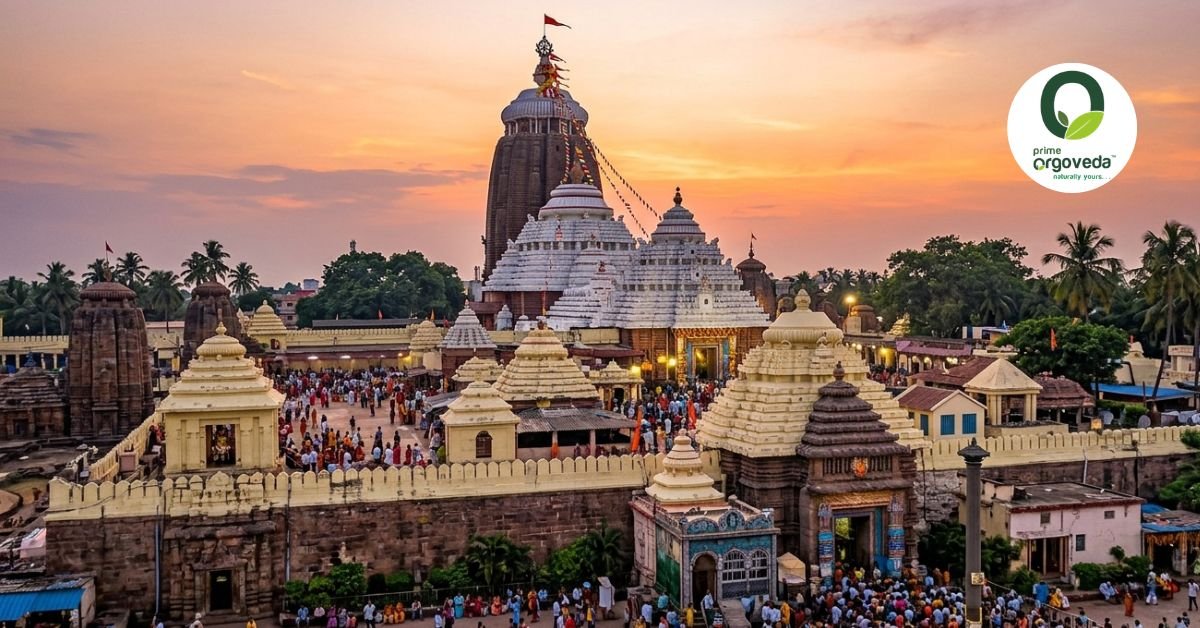
The spiritual aura of Jagannath Temple is not just a destination of worship, but a powerful divine call that awakens devotion in every heart. Known widely as the Jagannath Temple, it stands as one of the most sacred pilgrimage sites in India, where faith, tradition, and divine energy merge into a single spiritual experience.
Often referred to as Jagannathpuri Mandir or Jagannathpuri Temple, this holy shrine in Puri draws millions of devotees seeking peace, blessings, and liberation from worldly suffering. The moment a devotee enters its divine surroundings, there is an inner transformation—a feeling that goes beyond rituals and reaches the soul.
Many devotees lovingly call it Jagdish Puri Temple, symbolizing Lord Jagannath as the supreme protector and guide. Here, the divine presence of Lord Jagannath is believed to call out to every seeker, inviting them toward a path of bhakti (devotion), surrender, and spiritual awakening.
This sacred temple is not just a place to visit—it is an experience that touches the heart, purifies the mind, and leads the soul closer to divine truth.
Spiritual Significance of Jagannath Temple
The sacred Jagannath Temple holds immense spiritual importance in Hindu tradition as a powerful center of devotion, faith, and liberation. It is believed that stepping into this holy shrine purifies the soul and brings devotees closer to divine consciousness.
The presence of Bhagwan Jagannath represents universal love and compassion, where Lord Jagannath is worshipped as the supreme form of Krishna who embraces all beings without discrimination. Devotees feel a deep emotional connection as they surrender their prayers at this divine abode.
This sacred Jagannath mandir is also one of the most important pilgrimage sites, where rituals, chants, and the divine atmosphere create a strong sense of inner peace and spiritual awakening. It is believed that even a glimpse of the deity brings blessings, removes negativity, and guides devotees toward righteousness.
Devotees lovingly refer to Lord Jagannath as Jagannath ji, symbolizing respect, devotion, and personal connection with the divine. The temple stands as a living spiritual force where faith transforms into experience, and experience transforms into enlightenment.
Mythology and Sacred Origins of Lord Jagannath
The divine origins of the Jagannath Temple are deeply rooted in ancient mythology, faith, and timeless spiritual traditions of India. The story of jagannath lord is believed to be a manifestation of Lord Krishna, worshipped in a unique and powerful form that represents universal love and divine compassion.
According to sacred legends, Lord Jagannath appeared in a mystical form and was later enshrined in Puri through divine instructions given to devoted kings and sages. This sacred origin is also closely connected with the legendary Jagannath Rath, where the Lord is ceremoniously taken out during the grand Rath Yatra, symbolizing His love for all devotees and His willingness to come out to bless everyone equally.
Many devotees search for spiritual blessings and guidance, often even using terms like jagannath temple near me, reflecting how deeply the divine presence of the Lord is felt in everyday devotion and modern spiritual seeking. The holy puritemple stands as a living reminder of this divine connection between mythology, devotion, and eternal faith.
These sacred stories continue to inspire millions, reminding devotees that Lord Jagannath is not just a deity in a temple, but a living force of love, unity, and spiritual awakening.
The Trinity Deities: Jagannath, Balabhadra, and Subhadra
The sacred Jagannath Temple is uniquely known for worshipping the divine trinity—Lord Jagannath, Balabhadra, and Subhadra—who together represent harmony, balance, and universal unity in Hindu tradition.
At the heart of devotion in the Shree Jagannath Temple, Lord Jagannath is revered as a form of Krishna, symbolizing compassion and universal love. His elder brother Balabhadra represents strength and protection, while their sister Subhadra signifies grace, purity, and divine energy. Together, they embody the completeness of creation and spiritual balance.
This sacred trio is worshipped with deep devotion in the sri jagannath temple, where rituals and traditions reflect the eternal bond between the divine siblings and their devotees. Understanding their significance gives deeper insight into the spiritual philosophy and cultural richness explained in every detail of about jagannath temple.
Devotees lovingly refer to Lord Jagannath as Baba Jagannath, expressing affection, surrender, and personal connection with the divine. This emotional devotion is what makes the temple not just a place of worship, but a living experience of faith, unity, and spiritual awakening.
Darshan Experience: A Path to Inner Awakening
The divine darshan at the Jagannath Temple is not just a visual encounter with the deity, but a deeply transformative spiritual experience that leads devotees toward inner awakening and peace. As one enters the sacred space, the energy of devotion and centuries-old faith creates a powerful spiritual atmosphere.
The journey of darshan often feels like stepping into a sacred cave temple, where darkness symbolizes ignorance and the divine light of Lord Jagannath represents knowledge and enlightenment. This contrast helps devotees reflect inwardly and connect with their true selves.
During the annual Rath Yatra, the divine journey extends to the sacred Gundicha Mandir, where Lord Jagannath travels to bless devotees outside the main temple. This movement symbolizes compassion, accessibility, and the Lord’s desire to reach every devotee equally.
Understanding the history of the Jagannath Temple deepens the emotional connection, as every ritual, tradition, and architectural detail carries centuries of devotion and spiritual wisdom. It reflects how faith has been preserved and passed through generations.
At the heart of this divine experience is Jagannath Dev, worshipped as the supreme protector and source of universal love. His darshan is believed to purify the mind, dissolve the ego, and guide devotees toward spiritual liberation.
Rituals and Daily Worship Practices in the Temple
The daily rituals at the Jagannath Temple are deeply rooted in ancient traditions, performed with unwavering devotion and precision. This sacred place, also known as Jagannath Dham, follows a unique sequence of worship practices that symbolize discipline, purity, and divine connection.
From the early morning Mangala Aarti to the night Pahuda (resting ritual), every moment in the temple is dedicated to serving the Lord. The worship revolves around the sacred Jagannath idol, which is treated not just as a deity but as a living presence, cared for with love, food offerings, and ceremonial rituals throughout the day.
Devotees from across the country, often searching for Jagannath Mandir near me, come here to witness these rituals and experience the divine atmosphere firsthand. The temple priests perform each ritual with strict adherence to age-old customs passed down through generations.
The beautifully carved Jagannath statue reflects the unique artistic and spiritual traditions of the temple, symbolizing simplicity, divinity, and universal acceptance. Every ritual performed here is believed to purify the mind, strengthen faith, and bring devotees closer to the path of spiritual enlightenment.
The Power of Mahaprasad: Divine Food Offering
At the sacred Jagannath Temple, Mahaprasad is not just food—it is considered a divine blessing that carries the grace of the Lord himself. Prepared with utmost purity and devotion, this sacred offering is deeply connected to the spiritual essence of the temple and its timeless traditions.
According to the ancient Jagannath story, Mahaprasad is first offered to Lord Jagannath and then distributed among devotees, symbolizing equality, unity, and divine grace. Regardless of caste, status, or background, everyone partakes in this holy food together, reflecting the inclusive nature of the temple.
Devotees lovingly chant the name of jagannath swami while receiving Mahaprasad, believing that it purifies the body and soul. The sacred chant jagannath swami nayana patha gami expresses a heartfelt prayer, asking the Lord to always remain visible in one’s spiritual vision.
The preparation of Mahaprasad follows centuries-old traditions believed to date back to the time when the Jagannath temple was built by ancient kings under divine guidance. Cooked in earthen pots over firewood, the food carries a unique flavor and spiritual significance that cannot be replicated elsewhere.
Consuming Mahaprasad is considered an act of devotion and surrender, where each bite becomes a step closer to divine connection, inner peace, and spiritual fulfillment.
Rath Yatra: The Grand Festival of Faith and Devotion
The world-famous Rath Yatra of the Jagannath Temple is a magnificent celebration of devotion, unity, and divine love. This grand festival draws millions of devotees from across the globe, all eager to witness the sacred journey of Lord Jagannath and His siblings.
During this festival, the sacred Jagannath temple idol of Lord Jagannath, along with Balabhadra and Subhadra, is placed on beautifully decorated chariots and pulled through the streets of Puri. This divine procession symbolizes the Lord stepping out of the temple to bless all devotees, regardless of caste, creed, or status.
Rooted in the ancient Jagannath temple story, Rath Yatra reflects the deep spiritual belief that the Lord is accessible to everyone. The journey from the main temple to the Gundicha Temple represents a divine reunion and the cyclical nature of life and devotion.
The sacred city resonates with chants and prayers dedicated to jagannatha swami, creating an atmosphere filled with devotion and spiritual energy. The entire event transforms Puri into a living expression of faith, where every devotee becomes a part of the divine celebration.
The Rath Yatra at the revered Jagannatha Mandira is not just a festival—it is a powerful reminder of divine compassion, inclusiveness, and the eternal bond between the Lord and His devotees.
Sacred Architecture and Symbolism of the Temple
The magnificent Jagannath Temple stands as a timeless example of spiritual architecture, where every structure, carving, and design element carries deep symbolic meaning. This sacred space, often glorified as the lord jagannath temple, reflects not just artistic brilliance but also profound spiritual philosophy.
The temple’s towering Shikhara (spire) symbolizes the connection between earth and the divine, guiding devotees toward higher consciousness. The intricate carvings and sacred geometry represent stories from ancient scriptures, subtly narrating the Lord Jagannath’s story through stone and design.
Chants of “jay jagannath temple” echo through the premises, enhancing the spiritual vibrations and reminding devotees of the Lord’s eternal presence. The temple layout itself is designed in a way that leads devotees from the outer world into a deeper, more sacred inner space—mirroring the journey from ignorance to enlightenment.
The surroundings near the Jagannath temple are also filled with spiritual significance, with smaller shrines and sacred pathways that contribute to the overall divine experience. Every corner of the temple complex invites reflection, devotion, and a deeper connection with the divine.
This sacred architecture is not just a visual marvel—it is a spiritual guide, silently teaching devotees the path of faith, surrender, and ultimate realization.
Spiritual Lessons for Devotees from Jagannath Culture
The rich traditions of the Jagannath Temple offer profound spiritual lessons that guide devotees toward a meaningful and balanced life. The culture surrounding the Shree Jagannath Mandir is not limited to rituals—it is a way of life that teaches humility, devotion, and universal love.
One of the most powerful lessons is equality. In the Shri Jagannath Mandir, all devotees are treated the same, regardless of their social or economic background. This reflects the belief that in the eyes of the divine, everyone is equal and deserving of grace.
Another important teaching is surrender. The traditions followed in the Sri Jagannath Mandir emphasize letting go of ego and placing complete trust in the divine will. Devotees learn to accept life’s ups and downs with faith and patience.
The culture also highlights the importance of community and shared devotion. Whether it is participating in rituals, sharing Mahaprasad, or chanting together, devotees experience a deep sense of unity and belonging.
Above all, Jagannath culture teaches unconditional love and compassion. It reminds devotees that true spirituality lies not just in worship, but in kindness, service, and living a life aligned with divine values.
Visiting Guidelines and Temple Etiquette for Pilgrims
Visiting the sacred Jagannath Temple is a deeply spiritual experience, and following proper guidelines and etiquette ensures a peaceful and respectful darshan. Pilgrims are encouraged to approach the temple with devotion, humility, and a clear mind, keeping in spirit the teachings about lord jagannath.
One of the foremost guidelines is to dress modestly and maintain cleanliness, as the temple is a holy space dedicated to divine worship. Devotees should follow the instructions of temple authorities and respect the traditions that have been preserved for centuries in this sacred place of Bhagwan Jagannath Ji.
Maintaining silence or speaking softly within the temple premises helps preserve the spiritual atmosphere. Pilgrims are advised to avoid rushing during darshan and instead focus on experiencing the divine presence with patience and devotion.
It is also important to respect temple customs, such as restrictions on photography and the proper way of offering prayers. While visiting the Bhagwan Jagannath Mandir, devotees should be mindful of queues, fellow pilgrims, and temple rituals in progress.
By following these simple yet meaningful guidelines, devotees not only show respect for the temple but also enhance their own spiritual journey, making their visit more fulfilling and divine.
Best Time for a Peaceful and Spiritual Darshan
Choosing the right time to visit the Jagannath Temple plays a significant role in experiencing a शांत and spiritually fulfilling darshan. For those seeking serenity and a deeper connection with the divine, early mornings are considered the most auspicious and peaceful.
Visiting the Bhagwan Jagannath temple during the Mangala Aarti allows devotees to witness the Lord in a calm and sacred atmosphere, away from heavy crowds. The soft chants, temple bells, and morning rituals create a divine environment ideal for meditation and prayer.
Weekdays, especially outside major festivals, offer a more relaxed experience compared to weekends or peak pilgrimage seasons. Avoiding large gatherings during events like Rath Yatra ensures a more personal and undisturbed darshan.
Understanding the details of the Jagannath Temple, including daily rituals and timing schedules, helps devotees plan their visit effectively. Midday hours can be crowded, while evenings provide another opportunity for a peaceful spiritual experience.
While many are eager to witness the big Jagannath idol, the true essence of darshan lies in the devotion and inner connection one experiences. A well-timed visit not only enhances comfort but also deepens the spiritual impact of this sacred journey.
Emotional and Spiritual Transformation of Devotees
A visit to the sacred Jagannath Temple often becomes a life-changing experience for devotees, bringing about deep emotional and spiritual transformation. The divine presence of Lord Jagannath touches the heart in a way that words cannot fully express.
As devotees immerse themselves in prayers and rituals, they begin to reflect on the history of lord jagannath, gaining a deeper understanding of faith, devotion, and divine purpose. This connection helps them let go of worldly worries and embrace inner peace.
The rich information about Jagannath Temple—from its sacred traditions to its powerful spiritual energy—guides devotees toward self-realization. Every ritual, chant, and darshan becomes a step closer to understanding the true essence of life.
Listening to or remembering the Jagannath Bhagwan ki story fills the heart with devotion and inspires a sense of surrender and trust in the divine. Many devotees leave the temple with a renewed sense of hope, clarity, and spiritual strength.
This transformation is not just momentary—it stays with devotees long after they leave, shaping their thoughts, actions, and outlook on life with positivity, faith, and devotion.
Conclusion
The spiritual journey to the Jagannath Temple is more than a pilgrimage—it is a path that leads devotees toward inner peace, devotion, and ultimate enlightenment. Every experience within this sacred space inspires a deeper connection with the divine and a stronger sense of purpose in life.
The teachings and traditions associated with the Jagannath Dham Mandir remind devotees to walk the path of bhakti (devotion) with sincerity, humility, and unwavering faith. Whether through rituals, darshan, or participation in festivals, each moment becomes an opportunity to grow spiritually.
The divine stories, including the timeless Jagannath Bhagwan story, serve as guiding lights that encourage devotees to trust in the divine plan and embrace life with positivity and devotion. Even visual representations like a Jagannath Bhagwan painting inspire भक्तों to keep the Lord close in their hearts and homes.
In the end, the journey of devotion does not end at the temple—it continues within. By carrying the blessings, values, and spiritual wisdom of Lord Jagannath into everyday life, devotees truly walk the path of enlightenment, guided by faith, love, and divine grace.


 Agarbatti
 Computer Loban
 Dhoop Sticks
 Dhoop Cones
 Loban Powder
 Dhoop Cups
 Soap
Soap Facewash
 Shampoo