
Blog
Badrinath Temple: A Sacred Journey to Lord Vishnu’s Abode in the Himalayas

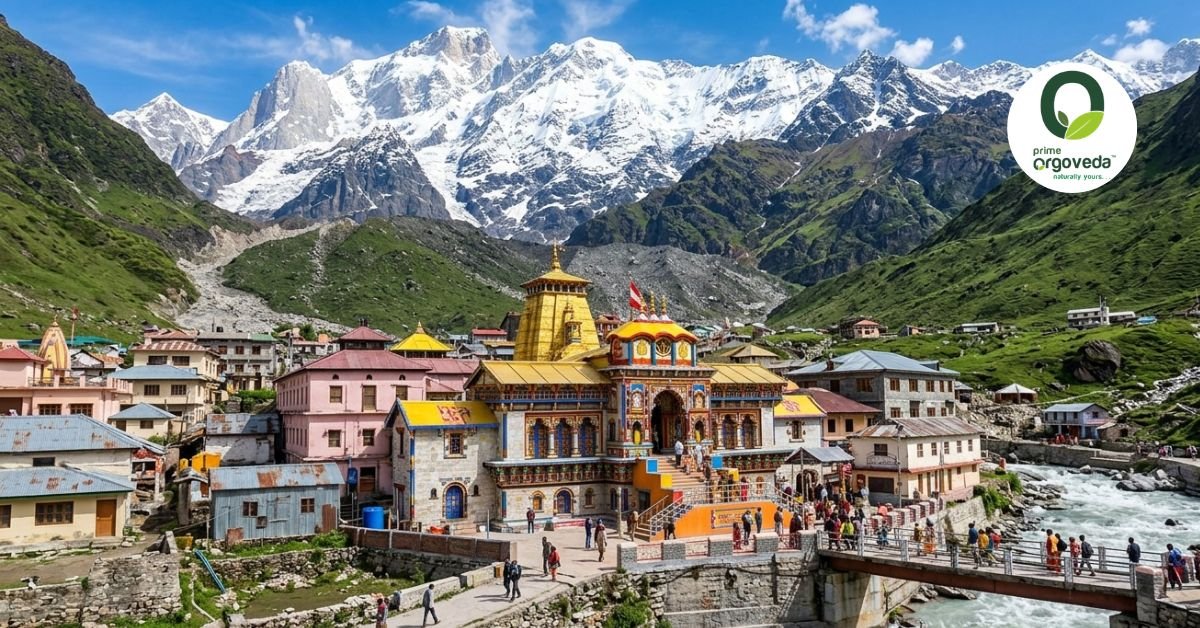
Nestled in the majestic Garhwal Himalayas of Uttarakhand, the sacred shrine of Lord Vishnu holds a special place in Hindu spirituality. The Uttarakhand Badrinath pilgrimage site is one of the most revered destinations in India and forms a vital part of the Char Dham Yatra. Surrounded by snow-capped peaks and the flowing Alaknanda River, this divine location offers both spiritual peace and breathtaking natural beauty.
The Badrinath temple is believed to have been established by Adi Shankaracharya in the 8th century to revive Hinduism and strengthen devotion towards Lord Vishnu. Dedicated to Lord Badri Narayan, the temple attracts millions of devotees every year who seek blessings, liberation, and spiritual awakening.
A visit to this holy shrine is not just a journey through the Himalayas, but a deeply transformative experience that connects devotees with faith, devotion, and inner peace.
Mythological Significance of Badrinath Temple
The sacred shrine of Lord Vishnu in the Himalayas is deeply rooted in ancient Hindu mythology, making it one of the most spiritually powerful pilgrimage sites in India. The legends surrounding the temple explain why this divine destination holds such immense importance for devotees.
According to mythology, Lord Vishnu performed deep penance at this holy site in the form of a Badri (a berry tree) to protect himself from harsh weather, while Goddess Lakshmi sheltered him as a tree. The place came to be known as Badrinath. This divine act symbolizes devotion, sacrifice, and protection.
It is also believed that the site of the Badrinath Mandir was once visited by great sages and sages who meditated here to attain enlightenment. The presence of Lord Vishnu in this sacred form, as the Badrinath temple, represents preservation and balance in the universe.
Another popular belief says that the temple area was once filled with wild berries (Badri), and thus Lord Vishnu was worshipped here as Badri Narayan. This makes the Badrinath Mandir not just a temple, but a divine space where nature and spirituality merge beautifully, guiding devotees toward liberation and inner peace.
History and Origins of the Temple in the Himalayas
The sacred shrine located in the Garhwal Himalayas has a rich historical background that blends mythology, spirituality, and recorded history, making it one of the most revered pilgrimage sites in India.
The origin of the temple is closely linked with Adi Shankaracharya, the great 8th-century philosopher and saint who is believed to have re-established this holy shrine to revive Hindu traditions and devotion to Lord Vishnu. It is said that he discovered the idol of Lord Badri Narayan in the Alaknanda River and installed it at the present location, establishing what is now known as the Badrinath Temple in India.
Over centuries, the temple evolved into a major pilgrimage center and became an essential part of the Char Dham Yatra. Located in the Himalayan region, the Badrinath temple in Uttarakhand has undergone several restorations due to natural calamities, yet it has always retained its spiritual significance and divine aura.
The present structure of the temple reflects traditional North Indian Himalayan architecture, and it continues to be worshipped as the sacred Shri Badrinath Temple, attracting millions of devotees every year who come seeking blessings, peace, and liberation.
Location and How to Reach Badrinath Temple
Situated in the Chamoli district of Uttarakhand, the sacred Himalayan shrine is surrounded by the Nar and Narayan mountain ranges with the Alaknanda River flowing nearby. The journey to this holy destination is itself considered a spiritual experience for devotees seeking the blessings of Lord Vishnu, also known as badrinath god.
The most common way to reach the shrine is via road, as there is no direct rail or airport connectivity. Pilgrims usually travel to Haridwar, Rishikesh, or Dehradun first, and then continue their journey towards the hills. The final stretch is a scenic and winding mountain drive, popularly known as Badrinath by road, passing through beautiful towns like Joshimath.
For devotees visiting this sacred Shri Badarinath Dham, the journey involves patience and devotion, as the high-altitude terrain and changing weather conditions make the travel both challenging and spiritually rewarding. Helicopter services are also available from nearby locations for those seeking a faster route, especially during the pilgrimage season.
Best Time to Visit Badrinath Temple
The ideal time to visit the sacred Himalayan shrine is during the pilgrimage season when weather conditions are favorable, and the temple remains open for devotees.
The temple generally opens in late April or early May and closes around November, depending on weather conditions and snowfall in the region. The most suitable months are May to June and September to October, when the climate is pleasant, and roads are accessible for travelers undertaking the yatra to Badrinath.
During the peak monsoon (July–August), heavy rainfall can cause landslides and travel disruptions, so it is usually avoided by pilgrims. Similarly, winter months are extremely cold, and the temple remains closed due to heavy snowfall.
According to spiritual beliefs, visiting during this sacred season enhances the divine experience and allows devotees to connect deeply with the spiritual energy associated with the Badrinath Shivling, which symbolizes Lord Shiva’s presence alongside Lord Vishnu in the region.
Many devotees also find inspiration in the ancient story of the Badrinath Temple, which adds to the spiritual significance of planning a pilgrimage during this auspicious time.
Char Dham Yatra and the Importance of Badrinath
The Char Dham Yatra is one of the most sacred pilgrimage journeys in India, covering four holy shrines in the Himalayas that hold immense spiritual significance for devotees. Among these revered sites, Badrinath stands as one of the most important destinations dedicated to Lord Vishnu.
The significance of Badrinath lies in its belief as the place where Lord Vishnu meditated, making it a powerful center of devotion and liberation. It is considered the final and most spiritually rewarding stop in the Char Dham circuit, drawing millions of pilgrims every year seeking blessings and peace.
Exploring about badrinath temple reveals its deep connection with ancient scriptures, mythology, and spiritual traditions that emphasize salvation and divine grace. The temple is not only a religious landmark but also a symbol of faith that has guided pilgrims for centuries.
As part of the Char Dham journey, the sacred Badrinath Dham Mandir holds a unique position where devotion meets the divine Himalayan landscape. Pilgrims believe that completing this journey purifies the soul and leads to moksha (liberation), making Badrinath the spiritual heart of the entire pilgrimage.
Architecture and Spiritual Atmosphere of the Temple
The sacred Himalayan shrine reflects a unique blend of traditional North Indian temple architecture and deep spiritual symbolism, making it one of the most revered pilgrimage sites in India.
The structure of the temple is built in stone with a conical shape that helps it withstand extreme Himalayan weather conditions, such as heavy snowfall and strong winds. The colorful façade, intricately carved pillars, and ancient craftsmanship showcase the rich heritage of Himalayan temple design. The sanctum houses the deity of Lord Vishnu in a meditative form, attracting devotees who come seeking divine blessings during the Badrinath Dham Yatra.
One of the most fascinating aspects often discussed by pilgrims is the spiritual energy of the region. Many devotees feel a strong sense of peace and divine presence, believing that the location is blessed and spiritually elevated. While traditions vary, some also connect the area with broader beliefs where Badrinath is a jyotirlinga, symbolizing the deep unity of divine energies in Hindu spirituality.
Interestingly, the region is also associated with multiple faith traditions, and some historical narratives mention links such as the presence of Badrinath Jain Temple influences in nearby ancient cultural practices, reflecting the area’s long-standing spiritual diversity.
Overall, the temple’s architecture and atmosphere together create a powerful spiritual experience that leaves a lasting impression on every pilgrim who visits.
Rituals, Aarti, and Daily Worship Practices
The sacred temple in the Himalayas follows a deeply traditional system of daily worship that reflects devotion, discipline, and spiritual purity. Every ritual performed here is designed to honor Lord Vishnu and maintain the divine energy of the shrine.
The day begins with the Mangal Aarti, performed early in the morning when the temple doors open for devotees. Priests chant Vedic hymns, light lamps, and offer flowers, creating a peaceful and devotional atmosphere that fills the entire valley. Dhoop Sticks for Pooja are also used to purify the surroundings and enhance the spiritual ambiance with their sacred aroma.
Throughout the day, several pujas and offerings are conducted, including abhishekam (ritual bathing of the deity), decoration of the idol with flowers, and chanting of sacred mantras. These rituals are believed to purify the mind and bless devotees with spiritual upliftment.
Evening Aarti is one of the most mesmerizing experiences for pilgrims, where the temple glows with oil lamps and the sound of bells and chants echoes through the mountains. Devotees consider this moment highly auspicious, especially during visits to the Badrinath Jyotirlinga, where divine energy is believed to be extremely powerful.
The entire worship system inside the Badrinath ka mandir follows ancient Vedic traditions that have been preserved for centuries, ensuring that the spiritual essence of the temple remains intact and continues to guide millions of devotees on their path of faith and devotion.
Travel Tips for Pilgrims Visiting Badrinath
Planning a pilgrimage to the Himalayas requires preparation, patience, and awareness of the challenging terrain. A well-organized journey ensures a safe and spiritually fulfilling experience.
Before starting the journey, devotees should check weather conditions, pack warm clothing, and carry essential medicines due to the high-altitude environment. Proper acclimatization is important, especially for elderly pilgrims or first-time visitors undertaking the Badrinath ki yatra.
It is also advisable to book accommodations in advance, as the region sees heavy footfall during the pilgrimage season. Travelers should keep valid identification documents and follow government guidelines for a smooth travel experience.
Respecting local traditions and temple rules is essential while visiting the sacred shrine. Devotees should dress modestly and maintain discipline within the temple premises, especially when visiting the badrinath mandir uttarakhand, which is considered one of the holiest sites in India.
The temple typically opens during the summer months, and checking official schedules for Badrinath opening dates is crucial before planning the trip. Early planning helps avoid last-minute disruptions and ensures a peaceful and spiritually enriching pilgrimage experience.
Nearby Attractions Around Badrinath
The region surrounding the Himalayan shrine is filled with breathtaking natural beauty, spiritual landmarks, and scenic spots that enhance the overall pilgrimage experience for visitors.
One of the most iconic attractions is the Tapt Kund, a natural hot water spring where devotees take a holy dip before entering the temple. It is believed to have medicinal properties and spiritual significance.
Another major attraction is the majestic Neelkanth Peak, often called the “Garhwal Queen,” which offers a stunning backdrop to the valley and enhances the divine aura of the region. Pilgrims also admire the towering Badrinath statue, which represents deep devotion and is a popular point for photography and spiritual reflection.
Visitors often notice the impressive altitude and engineering marvel of the shrine while learning about the Badrinath temple height, which adds to the awe-inspiring Himalayan experience.
During the pilgrimage season, travelers should also plan according to the official Badrinath Temple opening schedule to ensure they can visit nearby sites along with the main shrine without missing important rituals or sightseeing opportunities.
Accommodation and Facilities for Devotees
Pilgrims visiting the Himalayan shrine can find a range of accommodation options and essential facilities designed to support a comfortable and spiritually focused journey.
From budget lodges and dharamshalas to government-run guest houses and private hotels, there are several staying options available near the temple area. During peak pilgrimage season, advance booking is highly recommended due to heavy visitor flow.
Basic facilities such as food stalls, medical aid centers, and hot water arrangements are available to help travelers cope with the high-altitude conditions. Many accommodations also provide simple vegetarian meals suitable for devotees.
Devotees often plan their stay according to the sacred Badrinath Temple statue, which serves as a symbolic reminder of devotion and attracts pilgrims for blessings and photography near the temple premises.
Travelers should also consider booking arrangements for Badrinath temple tickets (where applicable for travel or related services) in advance to avoid last-minute inconvenience during the busy season.
For a smooth pilgrimage experience, choosing the best time to go to Badrinath—typically summer and early autumn—ensures better weather, safer travel conditions, and easier access to accommodation and facilities in the region.
Conclusion
The pilgrimage to the Himalayan shrine is not just a physical journey but a deeply spiritual experience that leaves a lasting impression on every devotee. Surrounded by snow-clad peaks, flowing rivers, and divine energy, the sacred destination offers peace, devotion, and a sense of liberation that is hard to describe in words.
A visit during the best time to visit Badrinath ensures a smooth and fulfilling journey, allowing pilgrims to experience the temple and its surroundings in ideal weather conditions. The spiritual atmosphere is further enriched by nearby religious sites such as the Shree Swaminarayan Mandir Badrinath, which adds to the devotional significance of the region.
As one of the most important pilgrimage destinations in India, the sacred Shri Badrinath Dham continues to inspire faith and devotion among millions of visitors each year, guiding them toward inner peace and spiritual awakening.
The journey, which often includes challenging mountain routes like the path from Sonprayag to Badrinath, symbolizes endurance, devotion, and surrender to the divine. Ultimately, this sacred pilgrimage becomes a transformative experience that stays with devotees for a lifetime.


 Agarbatti
 Computer Loban
 Dhoop Sticks
 Dhoop Cones
 Loban Powder
 Dhoop Cups
 Soap
Soap Facewash
 Shampoo