
Blog

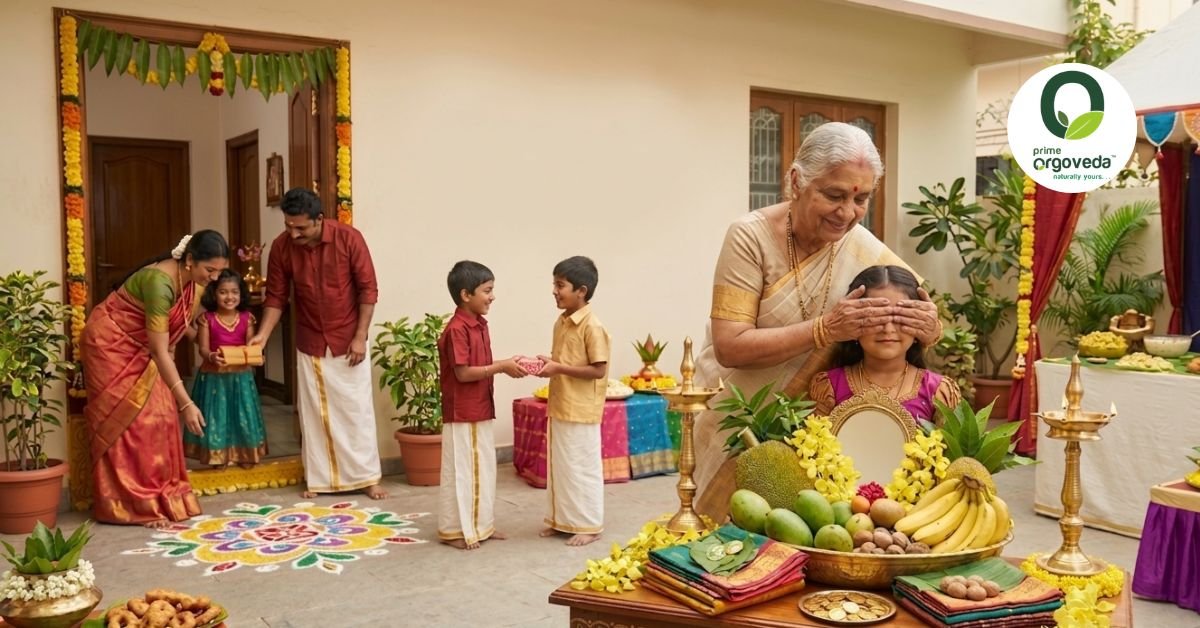
Tamil New Year, known as Puthandu or Varusha Pirappu, marks the beginning of the Tamil calendar year and is one of the most important traditional festivals celebrated by Tamil people across the world. It usually falls on April 14th, symbolizing a fresh start, prosperity, and spiritual renewal.
Puthandu is deeply rooted in Tamil culture and heritage, reflecting ancient traditions that combine astrology, nature, and spirituality. On this day, families wake up early, clean their homes, and prepare a sacred arrangement called “Kanni”, which includes fruits, flowers, gold, and other auspicious items—believed to bring good fortune when seen first thing in the morning.
Beyond rituals, the Tamil New Year is a celebration of hope and positivity. People wear new clothes, visit temples, exchange greetings, and enjoy special festive meals with traditional dishes. It is not just a cultural event but a meaningful reminder of new beginnings, personal growth, and gratitude for life.
Puthandu beautifully connects tradition with renewal, making it a festival that blends devotion, family bonding, and cultural pride.
History and Origin of the Tamil New Year
The Tamil New Year (Puthandu) has a long and culturally rich history rooted in ancient Tamil civilization. It is traditionally believed to mark the beginning of the Tamil solar calendar, which has been followed for thousands of years in South India.
Ancient Tamil Calendar System
The origins of Puthandu are closely linked to the Tamil Sangam era, where scholars and astrologers developed a sophisticated calendar based on the movement of the sun. According to this system, the Tamil New Year begins when the Sun enters the zodiac sign of Mesha (Aries), symbolizing a new solar cycle.
Cultural and Astronomical Significance
Unlike lunar-based festivals, the Tamil New Year follows a solar transition, making it scientifically aligned with astronomical changes. This transition is seen as a powerful moment of renewal, where nature itself enters a new cycle of growth and energy.
Historical References
References to Tamil New Year celebrations can be found in ancient Tamil literature and inscriptions. Kings of the Chola, Pandya, and Chera dynasties are believed to have celebrated this day with grand rituals, temple offerings, and public festivities.
Evolution Over Time
Over centuries, the celebration of Puthandu has evolved. While ancient traditions focused heavily on royal and temple rituals, modern celebrations emphasize family gatherings, home rituals, and cultural values, yet the core meaning of new beginnings remains unchanged.
A Festival of Continuity
Despite regional and cultural changes, the Tamil New Year continues to preserve its ancient identity. It stands as a living tradition that connects modern Tamil society with its deep historical and spiritual roots.
Significance of Puthandu in Tamil Culture
Puthandu, or Tamil New Year, holds deep cultural, spiritual, and social significance in Tamil tradition. It is not just the start of a calendar year but a meaningful moment that represents renewal, balance, and prosperity in life.
A Symbol of New Beginnings
Puthandu marks the transition of the Sun into the zodiac sign of Aries (Mesha Rashi), symbolizing a fresh cycle of energy. Tamil culture views this as an ideal time to begin new ventures, make important decisions, and set positive intentions for the year ahead.
Spiritual Importance
On this day, devotees visit temples, perform special pujas, and seek blessings for health, wealth, and happiness. It is believed that starting the year with divine blessings ensures peace and prosperity throughout the year.
Cultural Unity and Identity
Puthandu plays a key role in preserving Tamil identity. It connects generations through shared customs, rituals, and traditional values. Families come together to celebrate, reinforcing unity, respect for heritage, and cultural pride.
Rituals That Bring Positivity
One of the most important traditions is viewing the “Kanni” (auspicious sight) early in the morning, which is believed to bring good fortune. Homes are decorated, traditional clothes are worn, and special dishes are prepared, all symbolizing positivity and abundance.
Celebration Beyond Borders
Today, Puthandu is celebrated not only in Tamil Nadu but also by Tamil communities worldwide. It has become a global cultural festival that showcases Tamil heritage on an international stage.
A Balance of Tradition and Renewal
Ultimately, Puthandu represents the harmony between tradition and new beginnings. It encourages people to reflect on the past, express gratitude, and move forward with hope, discipline, and positivity.
When is the Tamil New Year Celebrated in 2026?
Tamil New Year (Puthandu) in 2026 will be celebrated on Tuesday, April 14, 2026, marking the beginning of the Tamil solar calendar year. This auspicious festival is widely observed across Tamil Nadu and by Tamil communities worldwide as a day of renewal, prosperity, and spiritual significance. Puthandu signifies the transition of the Sun into the zodiac sign of Aries (Mesha Rashi), symbolizing new beginnings and positive energy. On this day, people engage in traditional rituals such as viewing the auspicious “Kanni,” visiting temples, wearing new clothes, and preparing festive meals to welcome good fortune. Tamil New Year 2026 is not only a cultural celebration but also a time for families to come together, reflect on the past year, and start the new year with hope, gratitude, and positivity.
Traditional Rituals and Customs of Puthandu
Puthandu, the Tamil New Year, is celebrated with a series of meaningful rituals and customs that reflect purity, prosperity, and positive beginnings. Each tradition is rooted in Tamil culture and is believed to bring good fortune for the year ahead.
Early Morning Purification Rituals
On Puthandu morning, people wake up early, take a bath, and clean their homes thoroughly. Doorways are decorated with kolam (rangoli) made from rice flour, symbolizing welcome and auspiciousness.
Kanni – The Auspicious First Sight
One of the most important customs is viewing the “Puthandu Kanni”, an arrangement of auspicious items such as fruits, flowers, gold, betel leaves, a mirror, and money. It is believed that seeing these first things in the morning brings wealth, happiness, and good luck throughout the year.
Temple Visits and Prayers
Devotees visit temples to offer prayers and seek blessings from deities for health, success, and prosperity. Special pujas are conducted, and many temples organize festive rituals on this day.
New Clothes and Family Gatherings
Wearing new clothes is an essential part of the celebration, symbolizing a fresh start. Families gather to celebrate together, exchange greetings, and strengthen bonds.
Traditional Feast (Puthandu Virundhu)
A special festive meal is prepared featuring traditional Tamil dishes that include sweet, sour, bitter, and spicy flavors. This represents the different experiences of life and the importance of balance.
Charity and Sharing
Giving to the needy is also considered auspicious on Puthandu. Many people donate food, clothes, and money as an act of kindness and gratitude.
A Blend of Culture and Positivity
These customs collectively highlight Tamil values of gratitude, renewal, discipline, and spiritual harmony, making Puthandu a deeply meaningful cultural celebration.
How the Tamil New Year is Celebrated in Tamil Nadu
Tamil New Year (Puthandu) is celebrated with great enthusiasm across Tamil Nadu, blending tradition, spirituality, and family bonding into a vibrant cultural festival. The celebrations begin early in the morning and continue throughout the day with various rituals and festive activities.
Early Morning Rituals
People start the day by waking up early, taking a ritual bath, and cleaning their homes. Houses are decorated with colorful kolam (rangoli) at the entrance, symbolizing prosperity and positivity.
Kanni – Auspicious First Sight
A key tradition in Tamil Nadu is arranging the Puthandu Kanni, which includes fruits, flowers, gold, betel leaves, and a mirror. Family members view this arrangement first thing in the morning, believing it brings good luck and prosperity for the year ahead.
Temple Visits and Special Pujas
Devotees visit nearby temples to offer prayers and seek divine blessings. Special pujas and rituals are conducted, and temples are beautifully decorated for the occasion.
New Clothes and Family Time
Wearing new traditional attire is an important part of the celebration. Families gather to share festive moments, exchange greetings, and strengthen relationships.
Traditional Festive Feast
A grand meal called Puthandu Virundhu is prepared, featuring a variety of dishes that include all six tastes—sweet, sour, bitter, salty, spicy, and astringent—representing the different experiences of life.
Community Celebrations
In many parts of Tamil Nadu, cultural programs, music, and traditional performances are organized. Streets and homes are filled with joy, and people exchange warm wishes of “Puthandu Vazthukal”.
A Celebration of Culture and Renewal
Overall, the Tamil New Year in Tamil Nadu is not just a festival but a celebration of heritage, hope, and new beginnings, bringing families and communities together in a spirit of positivity and gratitude.
Kanni Viewing: The First Sight on Tamil New Year Morning
Kanni Viewing is one of the most important and sacred traditions of the Tamil New Year (Puthandu). The word “Kanni” means “first sight,” and it refers to the auspicious items arranged for people to see as soon as they wake up on New Year’s morning.
Meaning of Kanni
In Tamil tradition, it is believed that the first thing you see on Puthandu morning influences your entire year. Therefore, families carefully prepare a special arrangement of auspicious objects to attract prosperity, happiness, and success.
What is Included in Kanni?
The Kanni arrangement usually includes items that symbolize wealth, health, and positivity, such as:
- Fresh fruits like mango, banana, and jackfruit
- Flowers, especially jasmine
- Gold or silver jewelry
- Coins or money
- Mirror (symbol of self-reflection and clarity)
- Betel leaves and nuts.
- Rice, turmeric, and sacred items
All these are placed neatly in a decorated tray or altar, often in front of a deity image.
How the Ritual is Performed
On Puthandu morning, a family member—usually an elder—prepares the Kanni the previous night. Everyone wakes up with closed or partially covered eyes and is led to view the arrangement first. This moment is considered highly auspicious.
Spiritual Significance
Kanni Viewing represents the belief that starting the year with positive and sacred visuals attracts good fortune and removes negativity. It is also a reminder to begin the year with gratitude, clarity, and optimism.
Cultural Importance
This tradition reflects the deep-rooted Tamil values of mindfulness, positivity, and spiritual discipline, making it one of the most meaningful rituals of Puthandu.
Special Foods and Traditional Tamil New Year Menu
Food plays a central role in Tamil New Year (Puthandu) celebrations, reflecting the richness of Tamil culture and the philosophy that life is a blend of different experiences. The traditional festive meal, known as Puthandu Virundhu, is prepared with care and shared joyfully among family members.
The Six Tastes of Life
A unique feature of the Tamil New Year feast is that it includes all six tastes (Arusuvai):
- Sweet (Inippu)
- Sour (Pulippu)
- Bitter (Kasappu)
- Spicy (Kaaram)
- Salty (Uppu)
- Astringent (Thuvarppu)
This symbolizes that life is a mix of different emotions and experiences, and one must accept them all with balance.
Traditional Tamil New Year Dishes
Some of the most popular dishes prepared during Puthandu include:
- Mango Pachadi – A signature dish made with raw mango, jaggery, neem flowers, and spices, representing all tastes of life
- Sambar Rice – A staple South Indian dish served in festive meals
- Rasam – A tangy, spicy soup that aids digestion and adds flavor
- Kootu & Poriyal – Vegetable-based dishes cooked with coconut and spices
- Payasam (Kheer) – A sweet dessert made with milk, rice, or lentils
- Appalam (Papad) – Crispy accompaniment to the meal
Mango Pachadi – The Symbolic Dish
Mango Pachadi holds special importance during the Tamil New Year. Its unique combination of sweet, sour, bitter, and spicy flavors symbolizes the different phases of life—joy, sorrow, challenges, and happiness.
Family Dining Tradition
The festive meal is usually served on banana leaves, and families sit together to enjoy the feast. This tradition strengthens family bonds and promotes togetherness.
A Celebration Through Food
The Tamil New Year menu is not just about taste—it is a cultural expression of gratitude, balance, and harmony, reminding people to embrace life in all its forms.
Temple Visits and the Spiritual Importance of the Tamil New Year
Temple visits play a vital role in Tamil New Year (Puthandu) celebrations, as the day is deeply rooted in spirituality and devotion. It is believed that beginning the new year with divine blessings ensures peace, prosperity, and positive energy throughout the year.
Early Morning Darshan
On Puthandu morning, devotees visit nearby temples at the earliest opportunity to seek blessings from deities. Special queues and arrangements are made in major temples across Tamil Nadu to accommodate the large number of devotees.
Special Pujas and Rituals
Temples conduct special abhishekams (ritual bathing of deities), alankaram (decoration), and pujas dedicated to gods and goddesses. These rituals are performed with the chanting of hymns and Vedic mantras to invoke divine blessings for the new year.
Offering Prayers for Prosperity
Devotees offer flowers, fruits, coconuts, and lamps as a mark of devotion. Many people also pray for health, success, family well-being, and spiritual growth.
Spiritual Atmosphere in Temples
Temples are beautifully decorated with flowers, lights, and festive decorations. The atmosphere is filled with devotion, chanting, and the fragrance of incense, creating a deeply spiritual experience.
Community and Devotional Unity
Puthandu temple visits bring together people from all walks of life, promoting a sense of unity, equality, and shared devotion. It strengthens cultural and spiritual bonds within the community.
A Fresh Start with Divine Blessings
Visiting temples on Tamil New Year is not just a tradition but a spiritual practice that encourages individuals to begin the year with positivity, gratitude, and faith in divine guidance.
Modern-Day Celebrations of Tamil New Year
In today’s world, Tamil New Year (Puthandu) is celebrated with a beautiful blend of tradition and modern lifestyle, where cultural values are preserved while adapting to contemporary ways of living.
Digital Greetings and Online Celebrations
With the rise of technology, people now send Puthandu wishes through WhatsApp, social media, and video calls. Digital greeting cards, animated messages, and status updates have become a popular way to share festive joy, especially among families living in different parts of the world.
Traditional Rituals at Home
Even in modern homes, traditional practices like Kanni viewing, kolam drawing, and family prayers are still followed. Many families prefer to celebrate at home with close relatives while maintaining cultural customs.
Fusion of Traditional and Modern Fashion
On Puthandu, people wear new clothes, often combining traditional silk attire with modern fashion styles, reflecting both heritage and contemporary trends.
Modern Festive Feasts
While traditional dishes remain central, many households now include multi-cuisine spreads, blending South Indian flavors with global dishes, making the celebration more diverse and inclusive.
Cultural Events and Entertainment
In cities and towns, cultural programs such as music concerts, dance performances, and community gatherings are organized. Tamil television channels also broadcast special festive shows.
Global Tamil Celebrations
Tamil communities across countries like Sri Lanka, Malaysia, Singapore, Canada, and the UK celebrate Puthandu with cultural events, temple visits, and community feasts, keeping their heritage alive globally.
A Festival That Evolves with Time
Modern-day Puthandu shows how traditions can evolve without losing their essence. It continues to represent new beginnings, unity, and cultural pride, while embracing the conveniences of the modern world.
Puthandu Wishes, Greetings, and Messages
Sharing warm wishes is an important part of Tamil New Year (Puthandu) celebrations, as people express love, positivity, and blessings for a prosperous year ahead. These greetings are shared with family, friends, and loved ones through messages, calls, and social media.
Traditional Tamil New Year Wishes
- “Puthandu Vazthukal!” (Happy Tamil New Year!)
- Wishing you a year filled with happiness, prosperity, and good health.
- May this Puthandu bring peace, success, and divine blessings into your life.
- Let the new year begin with hope, joy, and endless positivity.
Spiritual Greetings
- May Lord bless you with wisdom, strength, and prosperity this Puthandu.
- Wishing you divine blessings for a peaceful and successful year ahead.
- May your life be filled with light, happiness, and spiritual growth.
Family & Friends Messages
- Happy Tamil New Year to you and your family! Have a joyful and blessed year ahead.
- Wishing you success in all your dreams and happiness in every moment.
- May our bond of love and friendship grow stronger this Puthandu.
Modern Social Media Greetings
- “New Year, New Beginnings! Puthandu Vazthukal!”
- “Welcome a fresh start filled with hope and happiness!”
- “Celebrate traditions, embrace positivity—Happy Tamil New Year!”
Inspirational Messages
- Every Puthandu is a reminder that life always offers new opportunities.
- Start this year with gratitude, kindness, and confidence.
- Let go of the past and embrace a brighter future ahead.
A Festival of Positivity and Connection
Puthandu greetings are more than just words—they reflect love, unity, and cultural pride, strengthening relationships and spreading joy across communities.
Do’s and Don’ts on Tamil New Year (Puthandu)
Tamil New Year is considered a sacred time for new beginnings, positivity, and spiritual growth. Following certain practices is believed to bring prosperity, while avoiding others helps maintain purity and peace.
Dos on Tamil New Year
Start the Day Positively
Wake up early, take a bath, and begin the day with a calm and positive mindset. Early morning prayers set the tone for a peaceful year ahead.
View Kanni First
Always start the day by viewing the Puthandu Kanni, as it is believed to bring good luck, prosperity, and happiness throughout the year.
Clean and Decorate Your Home
Clean your house thoroughly and decorate the entrance with kolam (rangoli) and fresh flowers to welcome positivity.
Visit Temples
Offer prayers at temples and seek divine blessings for health, success, and prosperity.
Wear New Clothes
Wearing new traditional attire symbolizes a fresh start and new energy for the year ahead.
Share a Traditional Feast
Prepare and enjoy Puthandu Virundhu with family, including all six tastes, representing balance in life.
Practice Charity
Donating food, clothes, or money is considered highly auspicious on this day.
Don’ts on Tamil New Year
Avoid Negativity
Do not start the day with arguments, anger, or negative thoughts, as it is believed to affect the entire year.
Do Not Skip Kanni Viewing
Missing the Kanni ritual is traditionally considered inauspicious.
Avoid Dirty or Cluttered Homes
A messy home is believed to block positive energy and prosperity.
Do Not Consume Non-Vegetarian Food
Many families avoid non-vegetarian food on Puthandu to maintain purity and devotion.
Avoid Lending or Borrowing Money
It is often avoided on this day to ensure financial stability throughout the year.
A Day of Discipline and Positivity
Following these dos and don’ts of Puthandu helps preserve tradition while encouraging a life filled with discipline, gratitude, and positive energy. It is a reminder to start the new year with a pure mind and a hopeful heart.
Regional Variations in Tamil New Year Celebrations
Tamil New Year (Puthandu) is celebrated with a shared cultural essence across Tamil communities, but the style of celebration varies slightly by region, tradition, and community practices. These differences make the festival more diverse and culturally rich.
Tamil Nadu – Traditional Core Celebrations
In Tamil Nadu, Puthandu is celebrated with strong adherence to traditional customs such as Kanni viewing, temple visits, kolam decorations, and Puthandu Virundhu (festive feast). Homes and temples play a central role in the celebrations, focusing on spirituality and family bonding.
Sri Lanka – Deep Cultural and Community Focus
In Sri Lanka, the Tamil New Year is a major cultural festival celebrated with family rituals, village gatherings, and traditional games. Special attention is given to auspicious timings (Nalla Neram) for starting activities like cooking, work, and ceremonies.
Singapore & Malaysia – Community and Temple Events
In countries like Singapore and Malaysia, Tamil New Year is celebrated through large-scale temple events, cultural performances, and community feasts. Tamil associations often organize cultural programs showcasing music, dance, and traditional arts.
Western Countries – Cultural Adaptation
In countries like Canada, the UK, and the USA, Tamil diaspora communities celebrate Puthandu through cultural associations, temple gatherings, and social events. The focus is on preserving cultural identity while adapting celebrations to modern lifestyles.
Urban vs Rural Celebrations
Within Tamil Nadu itself, there is a difference between rural and urban celebrations.
- Rural areas: More traditional rituals, village gatherings, and community feasts
- Urban areas: Temple visits, home celebrations, and modern social gatherings
A Unified Cultural Identity
Despite regional differences, the essence of the Tamil New Year remains the same everywhere—welcoming a new beginning with positivity, gratitude, and cultural pride. It reflects the unity of Tamil heritage across the world.
Tamil New Year Across the World (Diaspora Celebrations)
Tamil New Year (Puthandu) is not only celebrated in Tamil Nadu but also widely observed by Tamil communities across the globe. As the Tamil diaspora has grown, so has the global celebration of this cultural festival, blending tradition with local influences while preserving Tamil identity.
Singapore – Grand Community Celebrations
In Singapore, Puthandu is celebrated as a major cultural event. Temples host special prayers, cultural programs, and community feasts, while Tamil associations organize music and dance performances showcasing traditional Tamil heritage.
Malaysia – Cultural Unity and Festive Events
Malaysia sees vibrant celebrations with temple rituals, cultural shows, and public gatherings. Tamil schools and organizations often host events that highlight language, literature, and traditional arts.
Sri Lanka – Deeply Rooted Traditions
In Sri Lanka, the Tamil New Year is celebrated with strong traditional customs such as auspicious time rituals (Nalla Neram), family gatherings, and village-level celebrations, reflecting centuries-old cultural practices.
Canada – Temple-Centered Festivities
In Canada, Tamil communities celebrate Puthandu mainly through Hindu temples and cultural associations, organizing special pujas, youth performances, and community dinners.
United Kingdom – Cultural and Family Gatherings
In the UK, celebrations are often more community-focused, with temple visits, cultural events, and family get-togethers, helping younger generations stay connected to Tamil heritage.
United States – Cultural Programs and Events
In the USA, Tamil New Year is marked by cultural festivals, classical dance and music performances, and social gatherings organized by Tamil associations and temples.
A Global Expression of Tamil Identity
Across all countries, Puthandu celebrations reflect a shared goal: preserving Tamil culture, language, and traditions while adapting to different cultural environments. It strengthens the sense of unity among Tamils worldwide.
Tradition Beyond Borders
Even though the style of celebration may vary, the essence remains the same everywhere—welcoming a new year with positivity, gratitude, and cultural pride.
Conclusion
Tamil New Year (Puthandu) is more than just the start of a calendar year—it is a powerful celebration of renewal, hope, and cultural identity. From ancient traditions like Kanni viewing and temple rituals to modern-day global celebrations, Puthandu continues to unite Tamil communities across generations and geographies.
This festival beautifully reminds us to reflect on the past, express gratitude for the present, and step into the future with positivity and confidence. The rituals, food, prayers, and family gatherings all symbolize balance in life and the importance of harmony between tradition and modern living.
As we celebrate Tamil New Year, we embrace not only a new time cycle but also a renewed mindset—filled with prosperity, happiness, and spiritual growth. It is a moment to strengthen family bonds, cherish cultural heritage, and welcome fresh opportunities with an open heart.
Puthandu Vazthukal! Wishing you a joyful and prosperous new beginning.


 Agarbatti
 Computer Loban
 Dhoop Sticks
 Dhoop Cones
 Loban Powder
 Dhoop Cups
 Soap
Soap Facewash
 Shampoo