
Blog
Eco-Friendly Incense Sticks: Benefits, Ingredients, Uses & How to Choose

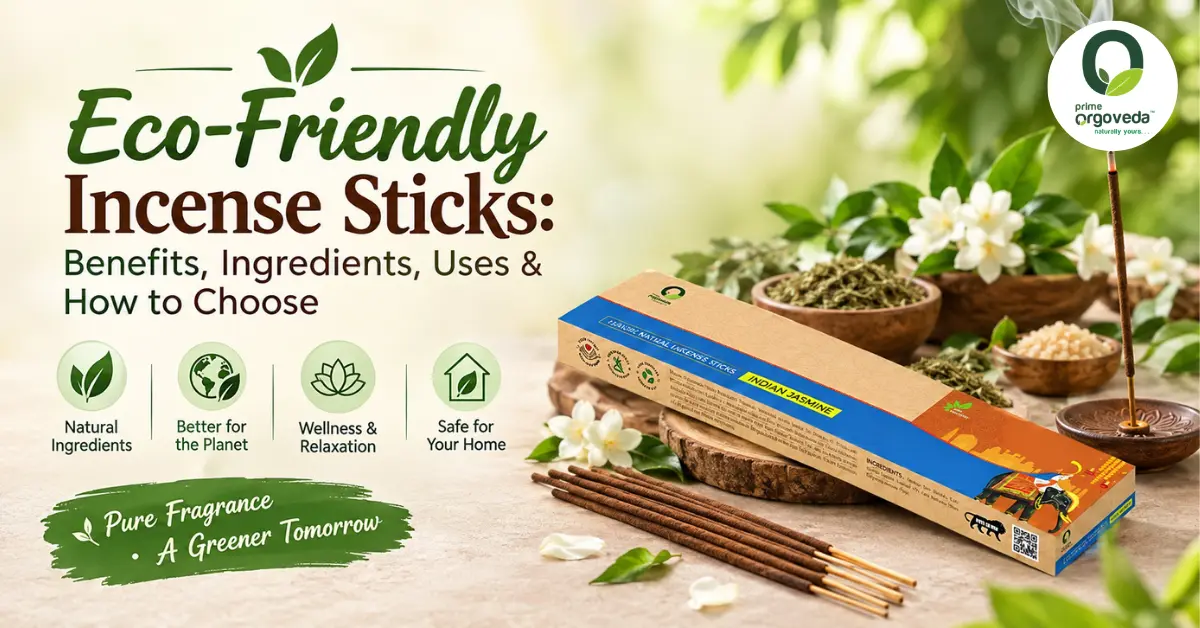
Incense has been part of homes, spiritual practices, meditation routines, and cultural traditions for centuries. Today, many consumers are becoming more conscious of the ingredients, materials, packaging, and environmental impact of the products they use every day. This growing awareness has increased interest in eco-friendly incense sticks made with thoughtfully selected ingredients and more sustainable practices.
Eco-friendly incense offers a way to enjoy pleasant fragrances while paying greater attention to natural materials, responsible sourcing, and mindful consumption. Depending on the formulation, these incense sticks may incorporate ingredients such as wood powders, herbs, flowers, resins, essential oils, natural binders, and other plant-based materials.
However, the term “eco-friendly” can mean different things depending on the product. A genuinely sustainable incense product should be evaluated beyond its fragrance alone. Ingredients, stick materials, manufacturing methods, packaging, sourcing, and disposal can all contribute to its overall environmental profile.
In this guide, we explore what eco-friendly incense sticks are, how they are made, their commonly used ingredients, potential benefits, different varieties, safe-use practices, and practical tips for choosing the right product for your home.
What Are Eco-Friendly Incense Sticks?
Eco-friendly incense sticks are incense products designed with greater consideration for environmental sustainability and responsible material choices. Their formulation may prioritize naturally derived ingredients and avoid unnecessary synthetic or resource-intensive materials.
Depending on the manufacturer, an eco-conscious incense stick may contain:
- Natural wood powders
- Herbs and botanical powders
- Flower extracts or plant materials
- Natural resins
- Essential oils or naturally derived aromatic ingredients
- Plant-based binders
- Bamboo sticks or other renewable components
The exact formulation varies considerably between brands. Therefore, consumers should check the product description or ingredient information instead of assuming that every product marketed as “natural” or “eco-friendly” has the same composition.
An environmentally conscious incense product can also consider its packaging. Recyclable, minimal, reusable, or responsibly sourced packaging can help reduce unnecessary material consumption.
How Are Eco-Friendly Incense Sticks Made?
The manufacturing process varies according to the type of incense and the manufacturer’s formulation. A typical process begins with carefully selected aromatic and binding materials.
Step 1: Selecting Raw Materials
Natural materials such as wood powders, herbs, resins, flowers, and aromatic plant ingredients may be selected according to the desired fragrance and formulation.
Step 2: Preparing the Ingredients
The ingredients are cleaned, dried, and processed into suitable powders or forms. Proper preparation helps create a consistent mixture.
Step 3: Creating the Incense Mixture
The aromatic ingredients are combined with suitable natural or plant-based binding materials. Water or another appropriate medium may be added to achieve the required consistency.
Step 4: Forming the Sticks
The mixture is shaped around a bamboo stick or formed into a stick according to the manufacturing method. Some incense products are completely stick-free and are instead made as cones or other shapes.
Step 5: Drying
The formed incense is carefully dried to reduce moisture and prepare it for burning. Proper drying is important for achieving consistent combustion.
Step 6: Fragrance and Quality Checks
Depending on the formulation, additional fragrance materials may be incorporated. Finished products can then undergo checks for appearance, fragrance consistency, burning characteristics, and packaging quality.
Responsible manufacturing also considers material efficiency, waste reduction, sourcing, and packaging throughout the production process.
Natural Ingredients Commonly Used in Eco-Friendly Incense
One of the key characteristics of natural incense is the use of botanical and aromatic ingredients. Common materials include:
Wood Powders
Wood powders can provide a natural base and contribute to the characteristic aroma of incense. Sandalwood is particularly valued for its distinctive warm and woody fragrance.
Herbs and Botanical Powders
Herbs and other plant materials can contribute fragrance, character, and traditional appeal to incense formulations.
Natural Resins
Resins such as frankincense and certain other aromatic resins have been used in traditional incense-making for generations.
Flowers and Plant Extracts
Flowers and botanical extracts can contribute floral and delicate aromatic profiles.
Essential Oils
Some incense formulations use essential oils to provide aromatic characteristics derived from plants. Their use and concentration vary by product.
Natural Binders
Plant-based binding ingredients may help hold the incense mixture together and maintain the shape of the finished product.
The presence of a natural ingredient does not automatically mean that a product is completely free from all synthetic materials. Reading the manufacturer’s ingredient information remains important.
Benefits of Using Eco-Friendly Incense Sticks
Eco-friendly incense can offer several practical and lifestyle benefits when selected thoughtfully.
Natural Fragrance Experience
Products made with botanical ingredients can provide distinctive aromas inspired by woods, herbs, flowers, and resins.
Mindful Home Fragrance
Incense can become part of a simple home fragrance routine, helping create a pleasant atmosphere during relaxation, reading, meditation, or quiet personal time.
Traditional Appeal
Natural incense connects modern home-fragrance practices with longstanding traditions of using aromatic plants, woods, and resins.
Conscious Product Selection
Choosing products with transparent ingredients, responsible packaging, and thoughtful sourcing can support more conscious purchasing habits.
Versatile Everyday Use
Eco-friendly incense can be used in different settings, including living rooms, prayer spaces, meditation areas, yoga rooms, and other well-ventilated spaces.
It is important to remember that “eco-friendly” does not mean “risk-free.” Burning any incense produces smoke and particulate matter, so appropriate ventilation and safe burning practices remain important.
Eco-Friendly Incense Sticks vs. Conventional Incense Sticks
The main difference generally lies in the materials, formulation, manufacturing considerations, and environmental priorities behind the product.
| Ingredient focus | Often emphasizes natural or plant-based materials | May use a broader range of ingredients |
| Fragrance | May use botanicals, essential oils, resins, or other aromatic materials | Can include natural and/or synthetic fragrance ingredients |
| Packaging | May prioritize recyclable or reduced packaging | Packaging varies by manufacturer |
| Sustainability | Environmental considerations may be part of product development | Sustainability practices vary |
| Consumer focus | Often appeals to environmentally conscious consumers | Generally focused on fragrance, tradition, or affordability |
This comparison should not be interpreted as meaning that every conventional incense product is environmentally harmful or that every product labeled eco-friendly is automatically sustainable. Product formulation and manufacturing practices differ from one manufacturer to another.
Different Types of Eco-Friendly Incense Sticks
Eco-friendly incense is available in various fragrances, formulations, and formats.
Natural Wood Incense
These may feature aromatic woods such as sandalwood and other botanical materials.
Herbal Incense
Herbal formulations incorporate selected herbs and plant powders for a distinctive natural profile.
Floral Incense
Floral varieties may feature fragrances inspired by jasmine, rose, lavender, or other flowers.
Resin-Based Incense
Resin-focused incense draws inspiration from traditional aromatic resins such as frankincense.
Essential-Oil-Based Incense
Some products use essential oils or naturally derived aromatic oils as part of their fragrance profile.
Handmade Incense
Handcrafted incense may involve traditional preparation methods and small-batch production, although “handmade” alone does not guarantee that a product is environmentally sustainable.
Popular Natural Fragrances for Eco-Friendly Incense
The right fragrance depends largely on personal preference and the intended setting.
Sandalwood
A warm, creamy, woody aroma traditionally associated with spiritual and meditative environments.
Lavender
A soft, floral-herbal fragrance often chosen for quiet and relaxing spaces.
Jasmine
A rich floral aroma that can add a fresh and elegant character to the room.
Rose
A familiar floral fragrance suitable for creating a soft and pleasant atmosphere.
Frankincense
A resinous, earthy aroma with a strong connection to traditional incense practices.
Oud
A deep, woody fragrance valued for its distinctive and luxurious aromatic character.
Rosemary
A fresh, herbal fragrance that can bring a crisp botanical character to a space.
When selecting a fragrance, consider the size of the room, your personal preference, and how strong you want the aroma to be.
How Eco-Friendly Incense Sticks Can Enhance Your Home
Fragrance plays an important role in how a space feels. Incense can introduce a distinctive aromatic character into a room and complement existing décor and routines.
It can be incorporated into:
- Living rooms
- Meditation corners
- Prayer spaces
- Yoga areas
- Reading spaces
- Entryways
- Personal relaxation areas
For a balanced experience, avoid using too much incense in a small enclosed space. A single stick may be sufficient depending on the room size and fragrance intensity.
Using an attractive incense holder can also make the practice more organized while helping collect ash.
Eco-Friendly Incense for Meditation, Yoga & Relaxation
Fragrance can become a useful part of a personal mindfulness routine. Lighting incense before meditation or yoga can create a familiar sensory cue that helps establish a consistent ritual.
For meditation, softer fragrances such as sandalwood or lavender may appeal to people who prefer gentle aromas.
For yoga, botanical or fresh fragrances can complement a calm practice environment.
For relaxation, floral or woody fragrances can provide a pleasant sensory element while reading, journaling, or unwinding after a busy day.
Incense should complement these practices rather than replace healthy relaxation, sleep, exercise, or other wellness habits.
How to Use Eco-Friendly Incense Sticks Safely
Safety should always be a priority when burning incense.
Follow these basic precautions:
- Place the incense stick in a stable, heat-resistant holder.
- Position it away from curtains, paper, furniture, and other combustible materials.
- Burn incense in a well-ventilated area.
- Never leave burning incense unattended.
- Keep incense away from children and pets.
- Avoid touching the burning end.
- Make sure the incense is completely extinguished after use.
- Allow hot ash to cool before disposing of it.
- Avoid excessive incense use in small, poorly ventilated rooms.
- Follow the manufacturer’s specific safety instructions.
People who are particularly sensitive to smoke or fragrances may prefer to limit incense exposure or avoid burning it indoors.
How to Choose the Right Eco-Friendly Incense Sticks
Choosing the right incense involves more than simply selecting a pleasant fragrance.
Check the Ingredients
Look for clear information about the materials used in the formulation.
Consider the Fragrance
Choose an aroma that suits the intended purpose and your personal preference.
Examine the Packaging
Look for packaging that minimizes unnecessary materials and provides clear disposal or recycling information where applicable.
Consider the Burn Time
A longer burn time may be convenient for certain routines, while shorter incense sticks can be useful for brief fragrance sessions.
Look for Transparency
Brands that clearly communicate ingredients, product specifications, sourcing, and manufacturing information make it easier for consumers to make informed decisions.
Consider the Manufacturer
A manufacturer’s sustainability claims should ideally be supported by specific information rather than vague environmental language.
What to Look for When Buying Sustainable Incense
Before purchasing, consider the following checklist:
Ingredients: Are the ingredients clearly described?
Fragrance: Does the product use natural, botanical, or other clearly identified fragrance materials?
Packaging: Is the packaging minimal, recyclable, reusable, or otherwise thoughtfully designed?
Sourcing: Does the brand provide information about responsible sourcing?
Manufacturing: Does the manufacturer explain its production approach?
Certifications: If sustainability or organic certifications are claimed, are the certification details clearly stated?
Product information: Are burn time, quantity, usage instructions, and safety information provided?
A product should not be considered sustainable based solely on terms such as “green,” “natural,” or “eco-friendly.” Look for meaningful details behind the claim.
How to Store Incense Sticks Properly
Proper storage can help maintain fragrance quality and protect the sticks from moisture.
Keep incense:
- In a cool, dry location
- Away from direct sunlight
- Away from excessive humidity
- In its original sealed packaging when possible
- Away from strong competing odors
- Out of reach of children and pets
Avoid storing incense in damp areas such as bathrooms, where moisture can affect its texture and burning performance.
Are Eco-Friendly Incense Sticks Suitable for Daily Use?
Incense can be incorporated into a daily routine, provided it is used responsibly.
The appropriate frequency depends on factors such as room size, ventilation, fragrance intensity, personal sensitivity, and the amount burned. There is no universal amount that is suitable for everyone.
For everyday use, consider:
- Burning only when needed
- Using one stick at a time when appropriate
- Keeping windows or ventilation systems operating adequately
- Avoiding prolonged exposure to concentrated smoke
- Extinguishing the incense after the intended use
If incense causes discomfort, irritation, coughing, headaches, or breathing difficulties, discontinue use and improve ventilation.
Tips for Creating a Sustainable Home Fragrance Routine
A more conscious fragrance routine does not have to be complicated.
Choose Quality Over Quantity
Use fragrance products intentionally instead of burning several products at once.
Select Transparent Brands
Prioritize brands that provide clear information about ingredients and product sourcing.
Reduce Packaging Waste
Consider products with minimal or recyclable packaging where available.
Use Reusable Accessories
A durable incense holder can be used repeatedly instead of relying on disposable accessories.
Ventilate Your Space
Good ventilation helps prevent smoke from accumulating indoors.
Store Products Properly
Proper storage helps preserve fragrance quality and reduces unnecessary product waste.
Dispose of Materials Responsibly
Allow ash and holders to cool completely before cleaning and disposing of waste according to local practices.
Conclusion
Eco-friendly incense sticks offer an opportunity to combine traditional fragrance practices with greater awareness of ingredients, sourcing, packaging, and consumption. From sandalwood and lavender to jasmine, rosemary, and aromatic resins, there are many fragrance profiles to explore.
However, choosing an environmentally conscious incense product requires looking beyond marketing terminology. Ingredients, manufacturing methods, packaging, sourcing practices, product transparency, and responsible usage all deserve consideration.
By choosing products carefully, using incense in moderation, maintaining good ventilation, and following safe burning practices, consumers can create a more thoughtful home-fragrance routine while continuing to enjoy the timeless appeal of incense.
Frequently Asked Questions (FAQs)
1. What are eco-friendly incense sticks?
Eco-friendly incense sticks are incense products developed with greater consideration for natural materials, responsible sourcing, manufacturing practices, and environmental impact.
2. Are eco-friendly incense sticks made from natural ingredients?
Many eco-friendly incense products use botanical ingredients such as wood powders, herbs, resins, flowers, and plant-derived aromatic materials. However, formulations vary, so always check the manufacturer’s ingredient information.
3. What ingredients are commonly used in natural incense?
Common ingredients can include wood powders, herbs, flowers, aromatic resins, essential oils, and plant-based binders.
4. Are eco-friendly incense sticks safe to burn indoors?
Incense should always be burned with adequate ventilation and appropriate safety precautions. Burning incense produces smoke, so avoid prolonged exposure in poorly ventilated spaces.
5. Which fragrance is best for meditation?
Sandalwood, lavender, frankincense, and other gentle woody or herbal fragrances are commonly selected for meditation. The best choice ultimately depends on individual preference.
6. Can I use eco-friendly incense every day?
Incense can be part of a daily routine when used responsibly. Consider ventilation, room size, fragrance intensity, and personal sensitivity, and avoid excessive or prolonged exposure to smoke.
7. How can I identify sustainable incense?
Look for transparent ingredient information, responsible sourcing details, thoughtful packaging, relevant certifications where applicable, and specific sustainability information from the manufacturer.
8. How should incense sticks be stored?
Store incense in a cool, dry place away from direct sunlight, moisture, and strong odors. Keeping the product sealed when not in use can help preserve its fragrance.
9. Are handmade incense sticks automatically eco-friendly?
Not necessarily. Handmade production can involve thoughtful practices, but “handmade” alone does not establish that a product is environmentally sustainable. Ingredients, sourcing, packaging, and manufacturing practices should also be considered.
10. Can eco-friendly incense be used for yoga?
Yes. Many people incorporate incense into yoga or meditation environments for its fragrance. Always maintain adequate ventilation and keep burning incense away from mats, fabrics, and other combustible materials.
11. What should I consider before buying incense?
Consider the ingredients, fragrance, burn time, packaging, sourcing information, manufacturer transparency, safety instructions, and any relevant certifications or sustainability claims.
12. Why is ventilation important when burning incense?
Ventilation helps prevent smoke and airborne particles from accumulating indoors. Burning incense in a properly ventilated space is an important part of responsible use.


 Agarbatti
 Computer Loban
 Dhoop Sticks
 Dhoop Cones
 Loban Powder
 Dhoop Cups
 Soap
Soap Facewash
 Shampoo