
Blog
Ashtalakshmi Temple Chennai: A Complete Guide to History, Timings & Spiritual Significance

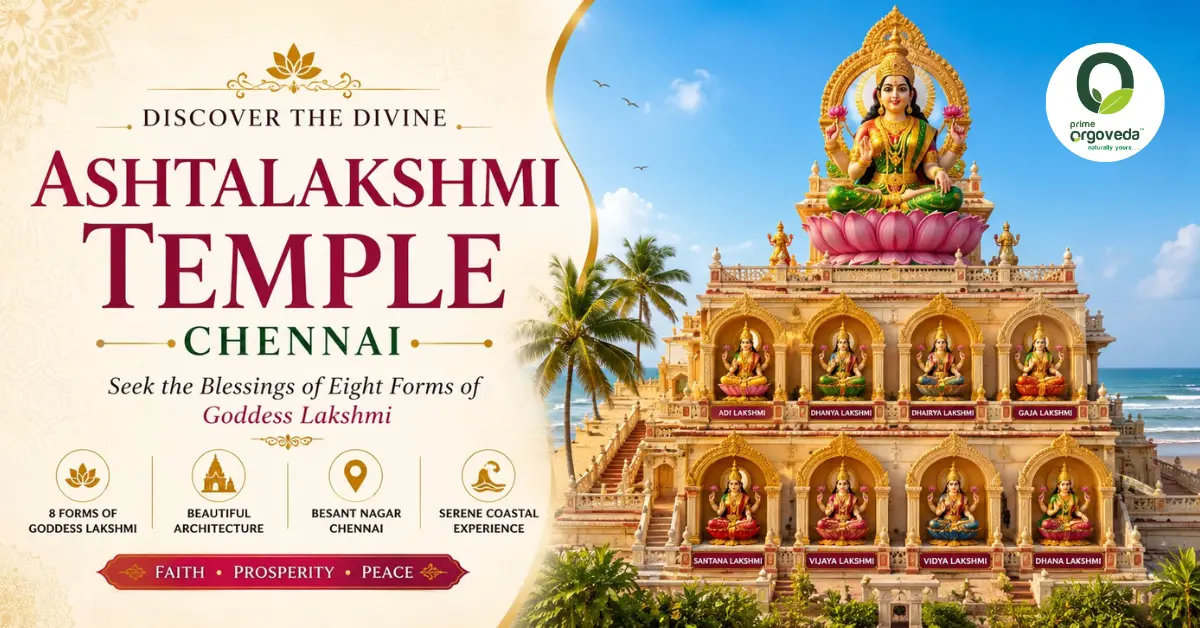
Located along the beautiful shores of Besant Nagar in Chennai, the Ashtalakshmi Temple is one of the most cherished spiritual destinations dedicated to Goddess Lakshmi, the goddess of wealth, prosperity, and well-being. Known for its unique architectural design and peaceful atmosphere, the temple attracts thousands of devotees seeking blessings, inner peace, and spiritual energy.
Unlike traditional temples with a single main shrine, Ashtalakshmi Temple is specially designed to worship the eight sacred forms of Goddess Lakshmi, each representing different aspects of life such as wealth, knowledge, courage, success, food, and family happiness. The divine arrangement of the shrines allows devotees to experience a complete journey of devotion while offering prayers to each form of the goddess.
The temple’s serene location near the Bay of Bengal, along with its beautifully crafted structure and spiritual ambiance, makes it a must-visit place for devotees and visitors exploring Chennai’s cultural heritage. Whether you are seeking blessings, learning about Hindu traditions, or simply looking for a peaceful place to connect spiritually, Ashtalakshmi Temple offers a memorable experience filled with devotion and positivity.
In this complete guide, we will explore the history, timings, architecture, spiritual significance, rituals, and important details that will help you plan a meaningful visit to Ashtalakshmi Temple Chennai.
History and Origin of Ashtalakshmi Temple
The Ashtalakshmi Temple Chennai is a renowned spiritual landmark dedicated to Goddess Lakshmi and her eight divine forms. Located in Besant Nagar, Chennai, near the Bay of Bengal, the temple was established with the vision of creating a sacred place where devotees could worship all aspects of Goddess Lakshmi in one divine space.
The idea behind building the temple was inspired by the belief that the eight forms of Lakshmi represent different blessings essential for a prosperous and balanced life. The temple was constructed to provide devotees an opportunity to seek the grace of Ashta Lakshmi — the eight manifestations of the goddess associated with wealth, knowledge, courage, victory, food, and family well-being.
The foundation of the temple was laid in the late 1970s, and the temple was consecrated in the 1980s. Its unique structure was designed to reflect spiritual symbolism, with separate shrines arranged across multiple levels. The temple’s layout allows devotees to gradually move through the different forms of Goddess Lakshmi while offering prayers and experiencing a sense of spiritual connection.
Over the years, Ashtalakshmi Temple has become one of Chennai’s most visited temples, attracting devotees from across India and around the world. The peaceful surroundings, traditional rituals, and beautiful Dravidian-style architecture have made it an important part of Chennai’s religious and cultural identity.
Today, the temple continues to be a place of devotion, where people come to seek blessings for prosperity, harmony, and spiritual growth while experiencing the divine presence of Goddess Lakshmi.
The Spiritual Significance of Ashtalakshmi Temple
The Ashtalakshmi Temple Chennai holds great spiritual importance as it is dedicated to the eight divine manifestations of Goddess Lakshmi, who is worshipped as the goddess of prosperity, abundance, wisdom, and happiness. The temple represents the belief that true prosperity is not limited to material wealth but also includes knowledge, courage, health, success, and family well-being.
The word “Ashta Lakshmi” means “eight forms of Lakshmi,” with each form symbolizing a unique blessing required for a fulfilling and balanced life. Devotees visit the temple to offer prayers to all eight forms and seek divine grace for different aspects of their lives.
Each shrine in the temple carries a special spiritual meaning:
- Adi Lakshmi – Represents the eternal and divine nature of Goddess Lakshmi, blessing devotees with peace and spiritual strength.
- Dhanya Lakshmi – Associated with food, nourishment, and agricultural prosperity.
- Dhairya Lakshmi – Symbolizes courage, confidence, and inner strength to overcome challenges.
- Gaja Lakshmi – Represents royal power, abundance, and success.
- Santana Lakshmi – Worshipped for family happiness and blessings for children.
- Vijaya Lakshmi – Associated with victory, achievement, and success in life.
- Vidya Lakshmi – Represents knowledge, education, and wisdom.
- Dhana Lakshmi – Symbolizes wealth, financial stability, and prosperity.
The temple’s unique design allows devotees to experience a spiritual journey by visiting each form of Lakshmi in a sacred sequence. The peaceful atmosphere, devotional chants, and traditional rituals create an environment that encourages meditation and inner calm.
For many devotees, a visit to Ashtalakshmi Temple is more than a religious journey — it is an opportunity to seek blessings, express gratitude, and connect with divine energy for a harmonious and prosperous life.
Architecture and Unique Features of Ashtalakshmi Temple
The Ashtalakshmi Temple Chennai is admired for its distinctive architecture that beautifully combines traditional South Indian temple elements with a unique multi-level design. Located near the shores of the Bay of Bengal in Besant Nagar, the temple offers a peaceful spiritual atmosphere along with an impressive visual experience.
Unlike many temples that have a single main shrine, the Ashtalakshmi Temple is specially designed to house the eight forms of Goddess Lakshmi in separate sanctums. The temple’s layout allows devotees to visit each shrine through different levels, creating a symbolic spiritual journey while offering prayers to every form of the goddess.
Multi-Level Temple Structure
One of the most unique features of the temple is its tiered structure. The shrines are arranged across multiple levels, with different forms of Goddess Lakshmi placed in specific areas of the temple complex. This vertical arrangement represents the devotee’s spiritual progress towards divine blessings and inner growth.
Sacred Arrangement of Ashta Lakshmis
The temple houses the eight forms of Lakshmi, each with a special significance:
- Adi Lakshmi – Represents spiritual strength and divine grace
- Dhanya Lakshmi – Symbolizes food and abundance
- Dhairya Lakshmi – Represents courage and confidence
- Gaja Lakshmi – Symbolizes prosperity and royal blessings
- Santana Lakshmi – Associated with family happiness and children
- Vijaya Lakshmi – Represents victory and success
- Vidya Lakshmi – Blesses devotees with knowledge and wisdom
- Dhana Lakshmi – Represents wealth and prosperity
Dravidian Architectural Influence
The temple reflects elements of traditional South Indian temple architecture, featuring decorative sculptures, detailed carvings, colourful designs, and sacred motifs. The combination of artistic craftsmanship and spiritual symbolism makes the temple visually captivating.
Peaceful Coastal Location
Situated close to Elliot’s Beach, the temple’s seaside location adds to its charm. The sound of the waves, fresh coastal breeze, and calm surroundings create a serene environment where devotees can spend time in prayer and meditation.
Additional Shrines and Deities
Apart from the Ashta Lakshmi shrines, the temple also includes other important deities, allowing visitors to experience a wider range of Hindu spiritual traditions within the same temple premises.
With its unique design, divine atmosphere, and beautiful surroundings, Ashtalakshmi Temple stands as one of Chennai’s most special spiritual landmarks, attracting devotees who seek blessings, peace, and a deeper connection with Goddess Lakshmi.
Eight Forms of Goddess Lakshmi at Ashtalakshmi Temple
The Ashtalakshmi Temple Chennai is unique because it is dedicated to the eight divine forms of Goddess Lakshmi, collectively known as Ashta Lakshmi. Each form represents a different blessing and aspect of prosperity, reminding devotees that true wealth includes not only material abundance but also knowledge, courage, health, happiness, and spiritual strength.
The temple allows devotees to offer prayers to all eight forms of Lakshmi, creating a spiritual journey through the different blessings of the goddess. The shrines are arranged across different levels of the temple, making the visit a meaningful experience of devotion and worship.
1. Adi Lakshmi – The Primordial Goddess
Adi Lakshmi is considered the original and eternal form of Goddess Lakshmi. She represents divine grace, peace, and spiritual strength. Devotees pray to Adi Lakshmi for inner harmony, protection, and a blessed life.
2. Dhanya Lakshmi – Goddess of Food and Nourishment
Dhanya Lakshmi symbolizes agricultural prosperity, food, and abundance. She is worshipped for blessings of good health, nourishment, and a life filled with plenty.
3. Dhairya Lakshmi – Goddess of Courage
Dhairya Lakshmi represents bravery, confidence, and mental strength. Devotees seek her blessings to overcome difficulties, face challenges, and develop courage in life.
4. Gaja Lakshmi – Goddess of Power and Prosperity
Gaja Lakshmi is associated with royal strength, success, and abundance. Traditionally depicted with elephants, she symbolizes dignity, good fortune, and prosperity.
5. Santana Lakshmi – Goddess of Family Blessings
Santana Lakshmi is worshipped for family happiness, harmony, and blessings related to children. Devotees seek her grace for a peaceful and joyful family life.
6. Vijaya Lakshmi – Goddess of Victory
Vijaya Lakshmi represents success, achievement, and victory. She is worshipped by those seeking success in their personal, professional, and spiritual journeys.
7. Vidya Lakshmi – Goddess of Knowledge
Vidya Lakshmi blesses devotees with wisdom, learning, creativity, and education. Students and seekers of knowledge often pray to this form of Lakshmi for guidance and success.
8. Dhana Lakshmi – Goddess of Wealth
Dhana Lakshmi symbolizes financial prosperity, abundance, and material well-being. Devotees worship her to seek stability, growth, and blessings in their lives.
Together, these eight forms of Goddess Lakshmi represent a complete vision of prosperity — where wealth is balanced with wisdom, courage, family happiness, and spiritual fulfillment. A visit to Ashtalakshmi Temple offers devotees an opportunity to experience the blessings of all eight manifestations in one sacred place.
Ashtalakshmi Temple Timings and Best Time to Visit
Planning your visit to the Ashtalakshmi Temple Chennai at the right time allows you to experience the peaceful atmosphere, participate in prayers, and have a comfortable darshan of the eight divine forms of Goddess Lakshmi. Located in Besant Nagar near the Bay of Bengal, the temple welcomes devotees throughout the week with daily poojas and rituals.
Ashtalakshmi Temple Chennai Opening Timings
The temple generally follows these darshan timings:
Morning Hours:
???? 6:00 AM – 12:00 PM
Evening Hours:
???? 4:00 PM – 8:30 PM / 9:00 PM
Devotees can visit during these hours to offer prayers, perform darshan, and spend time in the peaceful surroundings of the temple. Timings may vary during special festivals and religious occasions.
Best Time to Visit Ashtalakshmi Temple
Early Morning (6:00 AM – 8:00 AM)
The morning hours are ideal for devotees who prefer a calm and quiet experience. The temple atmosphere is peaceful, making it a good time for meditation and personal prayers.
Evening (4:30 PM – 7:00 PM)
The evening visit offers a beautiful spiritual experience as devotees gather for evening prayers and the temple surroundings become more vibrant.
Fridays and Festival Days
Fridays are considered especially auspicious for Goddess Lakshmi worship, and many devotees visit the temple to seek blessings for prosperity and happiness. Major celebrations like Navaratri and other Lakshmi-related festivals bring special decorations and devotional activities.
Ideal Months to Visit
The months from January to April are often considered comfortable for temple visits due to the pleasant weather in Chennai. Festival seasons are also popular among devotees who wish to experience special rituals and celebrations.
Tips for a Peaceful Visit
- Visit early morning to avoid larger crowds.
- Wear comfortable and traditional clothing suitable for a temple visit.
- Keep some extra time to explore all eight Lakshmi shrines.
- Check festival-day timings before planning your visit.
A visit to Ashtalakshmi Temple during a peaceful time allows devotees to enjoy the divine atmosphere, admire the unique architecture, and experience the blessings of Goddess Lakshmi in a serene coastal setting.
Poojas, Rituals and Special Celebrations at the Temple
The Ashtalakshmi Temple Chennai follows traditional Hindu worship practices dedicated to Goddess Lakshmi and Lord Vishnu. The daily rituals, devotional offerings, and special celebrations create a spiritually uplifting atmosphere where devotees can seek blessings for prosperity, happiness, knowledge, and overall well-being.
Daily Poojas and Worship Rituals
The temple performs regular poojas throughout the day, beginning with morning prayers and continuing with evening rituals. Devotees can participate in darshan and witness the sacred ceremonies performed for the deities.
Important daily rituals include:
- Suprabhatham (Morning Prayer) – The day begins with devotional hymns and prayers to awaken the divine presence.
- Kalasandhi Pooja – A morning worship ceremony with traditional offerings, prayers, and decorations.
- Uchikala Pooja – The noon ritual performed with devotional chants and offerings.
- Sayaratchai Pooja – The evening worship that creates a peaceful and divine atmosphere.
- Iravu Pooja & Arthajama Pooja – Night rituals performed before the temple closes.
Special Offerings and Devotional Practices
Devotees visiting the temple offer flowers, fruits, lamps, and prayers to Goddess Lakshmi in her eight forms. Many devotees perform archana and special prayers seeking blessings for wealth, family happiness, education, courage, and success.
The temple’s unique arrangement allows devotees to worship each form of Ashta Lakshmi individually, making the prayer experience deeply meaningful.
Major Festivals Celebrated at Ashtalakshmi Temple
Navaratri Celebration
Navaratri is one of the most important festivals celebrated at the temple. During the nine-day festival, special decorations, prayers, and devotional programs are conducted to honor Goddess Lakshmi and the divine feminine energy.
Varalakshmi Vratam
This auspicious occasion dedicated to Goddess Lakshmi is celebrated with special poojas and prayers. Devotees seek blessings for family prosperity, happiness, and harmony.
Diwali Celebrations
During Diwali, the temple is beautifully decorated with lights and flowers. Special Lakshmi worship and devotional activities are performed as devotees pray for prosperity and good fortune.
Panguni Uthiram and Other Festivities
The temple also observes other important religious occasions with special rituals, decorations, and spiritual programs that attract many devotees.
A Divine Experience for Devotees
The combination of traditional poojas, sacred chants, festive celebrations, and the peaceful seaside surroundings makes Ashtalakshmi Temple a special place for spiritual connection. Every ritual reflects the belief that Goddess Lakshmi blesses devotees with abundance, positivity, and a balanced life.
How to Reach Ashtalakshmi Temple Chennai
The Ashtalakshmi Temple Chennai is located in the peaceful coastal area of Besant Nagar, near Elliot’s Beach. Being one of Chennai’s popular spiritual destinations, the temple is well connected by road, public transport, and private vehicles from different parts of the city.
By Air
The nearest airport is Chennai International Airport. The temple is approximately 15–18 km away from the airport. Visitors can hire a taxi, app-based cab, or use public transport options to reach Besant Nagar. Travel time usually depends on traffic conditions.
By Train
The nearest railway options include MRTS stations such as Indira Nagar MRTS Station and Tiruvanmiyur MRTS Station. From the station, devotees can take an auto-rickshaw or cab to reach the temple.
For visitors arriving from other cities:
- Chennai Central Railway Station – Connected to Besant Nagar by taxis, buses, and local transport.
- Chennai Egmore Railway Station – Another convenient railway point to reach the temple.
By Bus
Chennai’s public bus network provides easy access to Besant Nagar. Devotees can travel to the Besant Nagar Bus Terminus or nearby stops and walk or take a short auto ride to the temple.
By Road / Car
The temple is easily accessible by road from major parts of Chennai. Visitors can reach Besant Nagar through routes connecting areas like Adyar, Marina, and East Coast Road (ECR). Private vehicles and taxis are convenient options, especially for families and elderly devotees.
From Popular Chennai Locations
- From Marina Beach: Travel along the coastal route towards Besant Nagar.
- From T. Nagar: Take the route via Adyar towards Besant Nagar.
- From OMR: Travel through the ECR side towards Elliot’s Beach area.
Travel Tips for Devotees
- Visit early morning or evening for a peaceful darshan experience.
- Weekends and festival days may have more crowds, so plan extra travel time.
- Combine your visit with nearby attractions like Elliot’s Beach for a relaxing experience.
With convenient transport options and its beautiful seaside location, reaching Ashtalakshmi Temple Chennai is comfortable for both local devotees and visitors exploring the city.
Dress Code and Temple Rules for Devotees
The Ashtalakshmi Temple Chennai is a sacred place of worship where devotees come to seek the blessings of Goddess Lakshmi. While visiting the temple, following a respectful dress style and observing temple customs helps maintain the spiritual atmosphere. The temple encourages visitors to wear decent and appropriate clothing suitable for a place of worship.
Recommended Dress Code for Men
Men visiting the temple are advised to wear traditional or modest attire such as:
- Dhoti/Veshti with a shirt or upper cloth
- Kurta and pyjama
- Full-length trousers with a decent shirt
Avoid wearing very casual outfits like shorts, sleeveless tops, or beachwear inside the temple premises.
Recommended Dress Code for Women
Women devotees can choose traditional and comfortable clothing such as:
- Saree with blouse
- Salwar kameez or churidar
- Other modest Indian attire
Visitors are generally advised to avoid short dresses, sleeveless clothing, or revealing outfits to respect temple traditions.
Important Temple Rules to Follow
Remove Footwear Before Entering
Devotees must leave footwear outside before entering the temple area as a sign of respect and cleanliness.
Maintain Silence and Cleanliness
The temple is a place for prayer and meditation, so visitors should maintain a peaceful atmosphere and avoid loud conversations.
Photography Guidelines
Photography may be restricted in certain areas, so devotees should follow the instructions provided inside the temple premises.
Mobile Phone Usage
Keep mobile phones on silent mode and avoid disturbing other devotees during prayers and darshan.
Respect Religious Customs
- Follow the queue system during darshan
- Do not touch idols or sacred areas without permission
- Offer flowers, fruits, and other offerings only at designated places
- Maintain cleanliness inside the temple
Tips for a Peaceful Visit
- Visit early morning or evening for a calmer darshan experience.
- Wear comfortable clothes as the temple involves walking through different shrine areas.
- Carry minimal belongings for a smoother temple visit.
By following these simple guidelines, devotees can enjoy a peaceful and spiritually fulfilling experience at Ashtalakshmi Temple Chennai while respecting its traditions and sacred environment.
Nearby Attractions to Visit Around Ashtalakshmi Temple
The Ashtalakshmi Temple Chennai is located in the beautiful coastal area of Besant Nagar, making it an ideal place to combine your spiritual visit with sightseeing, relaxation, and cultural exploration. From peaceful beaches to historic temples and nature spots, there are several attractions located around the temple.
1. Elliot’s Beach (Besant Nagar Beach)
Located close to Ashtalakshmi Temple, Elliot’s Beach is one of the most popular seaside destinations in Chennai. Also known as “Bessie,” the beach is famous for its calm atmosphere, relaxing shoreline, evening walks, and beautiful sunset views. Visitors often spend time here after temple darshan to enjoy the sea breeze and peaceful surroundings.
2. Karl Schmidt Memorial
The Karl Schmidt Memorial is a well-known landmark near Elliot’s Beach. Built in memory of a European sailor who lost his life while saving someone from drowning, this structure adds historical charm to the beach area and is a popular photography spot.
3. Annai Velankanni Church
Located near Elliot’s Beach, the Annai Velankanni Church is another important spiritual attraction in Besant Nagar. The peaceful surroundings and beautiful architecture make it a popular place for visitors seeking a calm and devotional experience.
4. Tholkappia Poonga (Adyar Eco Park)
Nature lovers can visit Tholkappia Poonga, an eco-park near Adyar known for its greenery, water ecosystem, and peaceful environment. It is a good place for a relaxing walk and enjoying Chennai’s natural beauty.
5. Marundeeswarar Temple, Thiruvanmiyur
A short distance from Besant Nagar, Marundeeswarar Temple is an ancient Shiva temple known for its spiritual importance and traditional Dravidian architecture. Devotees often include this temple along with Ashtalakshmi Temple as part of a Chennai temple visit.
6. Kalakshetra Foundation
The Kalakshetra Foundation is a famous cultural institution dedicated to preserving Indian classical arts, especially Bharatanatyam and traditional music. Visitors interested in art and culture can explore its peaceful campus and artistic heritage.
7. Adyar Theosophical Society
The Theosophical Society campus in Adyar is known for its lush greenery, heritage buildings, and peaceful atmosphere. It is a great place for visitors looking for a quiet escape from the city.
8. Besant Nagar Cafes and Food Spots
After visiting the temple and nearby attractions, visitors can explore the cafes and local eateries around Besant Nagar. The area is popular for enjoying snacks, beverages, and Chennai’s coastal vibe.
Suggested One-Day Visit Plan
Morning:
Ashtalakshmi Temple → Elliot’s Beach → Karl Schmidt Memorial
Afternoon:
Tholkappia Poonga → Nearby cultural attractions
Evening:
Marundeeswarar Temple → Beach sunset → Local food experience
A visit to Ashtalakshmi Temple becomes even more memorable when combined with these nearby attractions, offering a perfect mix of spirituality, nature, history, and Chennai’s coastal charm.
Tips for a Peaceful Temple Visit
A visit to the Ashtalakshmi Temple Chennai can be a spiritually refreshing experience when planned properly. The peaceful coastal surroundings, sacred atmosphere, and divine presence of Goddess Lakshmi make it an ideal place for prayer, meditation, and seeking blessings. Following a few simple tips can help devotees enjoy a calm and meaningful temple visit.
1. Visit During Less Crowded Hours
For a peaceful darshan experience, plan your visit during the early morning hours or non-peak times. Morning visits offer a calm environment where devotees can spend more time in prayer and explore the temple comfortably.
2. Dress Respectfully
Wear clean and modest clothing suitable for a place of worship. Traditional attire is preferred, and comfortable clothing helps while walking through the different shrine areas of the temple.
3. Remove Footwear Before Entering
Devotees should remove footwear before entering the temple premises. This is an important temple tradition that maintains cleanliness and shows respect for the sacred space.
4. Maintain Silence and Discipline
Keep conversations low and maintain a peaceful atmosphere inside the temple. Avoid loud talking, running, or activities that may disturb other devotees during prayers.
5. Follow Temple Queue System
During busy hours and festivals, follow the designated queue arrangements for darshan. Respecting the order helps everyone have a smooth and pleasant experience.
6. Spend Time at Each Shrine
The temple is dedicated to the eight forms of Goddess Lakshmi. Take time to visit each shrine and understand the significance of:
- Adi Lakshmi
- Dhanya Lakshmi
- Dhairya Lakshmi
- Gaja Lakshmi
- Santana Lakshmi
- Vijaya Lakshmi
- Vidya Lakshmi
- Dhana Lakshmi
This makes the visit more meaningful and spiritually enriching.
7. Carry Minimal Belongings
Avoid carrying unnecessary bags or valuables while visiting. Keeping your belongings minimal makes it easier to move around the temple and participate in darshan comfortably.
8. Respect Temple Rules
Follow the instructions provided by temple authorities:
- Avoid touching idols or sacred areas without permission
- Keep mobile phones on silent mode
- Follow photography guidelines
- Dispose of waste properly
9. Plan Around Weather Conditions
Since the temple is located near the coast, Chennai’s weather can be warm and humid. Visiting in the morning or evening is generally more comfortable, especially during summer months.
10. Combine Your Visit with Nearby Attractions
After your spiritual visit, you can explore nearby places like Elliot’s Beach, Besant Nagar surroundings, and other cultural attractions to complete your Chennai experience.
By following these simple tips, devotees can enjoy a peaceful, respectful, and memorable visit to Ashtalakshmi Temple Chennai, while experiencing the blessings and divine atmosphere of Goddess Lakshmi.
Frequently Asked Questions (FAQs)
1. What is special about Ashtalakshmi Temple Chennai?
The Ashtalakshmi Temple Chennai is special because it is dedicated to the eight forms of Goddess Lakshmi, known as Ashta Lakshmi. Each form represents different blessings such as wealth, knowledge, courage, success, family happiness, and prosperity. The temple’s unique multi-level structure makes it different from many other temples.
2. Where is Ashtalakshmi Temple located?
Ashtalakshmi Temple is located in Besant Nagar, Chennai, Tamil Nadu, near Elliot’s Beach along the Bay of Bengal. Its peaceful seaside location adds to the spiritual atmosphere of the temple.
3. What are the timings of Ashtalakshmi Temple Chennai?
The temple is generally open in the morning and evening for devotees. Usual visiting hours are:
Morning: 6:00 AM – 12:00 PM
Evening: 4:00 PM – 8:30 PM / 9:00 PM
Timings may change during festivals and special occasions.
4. How many forms of Goddess Lakshmi are worshipped at Ashtalakshmi Temple?
The temple worships eight forms of Goddess Lakshmi:
- Adi Lakshmi
- Dhanya Lakshmi
- Dhairya Lakshmi
- Gaja Lakshmi
- Santana Lakshmi
- Vijaya Lakshmi
- Vidya Lakshmi
- Dhana Lakshmi
Each form symbolizes a different aspect of prosperity and divine blessings.
5. What is the best time to visit Ashtalakshmi Temple?
Early mornings and evenings are considered ideal for a peaceful visit. Fridays, festival days, and special Lakshmi pooja occasions attract more devotees.
6. Is there a dress code for visiting Ashtalakshmi Temple?
Visitors are advised to wear clean and modest clothing suitable for a temple. Traditional attire is preferred, and devotees should avoid very casual or inappropriate outfits.
7. Are photography and mobile phones allowed inside the temple?
Photography rules may vary in different areas of the temple. Visitors should follow the instructions given by temple authorities and keep mobile phones on silent mode.
8. What are the important festivals celebrated at Ashtalakshmi Temple?
Major celebrations include:
- Navaratri
- Varalakshmi Vratam
- Diwali
- Other Lakshmi-related festivals
During these occasions, the temple is decorated beautifully and special prayers are performed.
9. How can I reach Ashtalakshmi Temple Chennai?
The temple can be reached by road, bus, taxi, and local transport. It is well connected from major areas of Chennai, including Adyar, T. Nagar, and Chennai Airport.
10. Are there any attractions near Ashtalakshmi Temple?
Yes, visitors can explore nearby attractions such as Elliot’s Beach, Karl Schmidt Memorial, Besant Nagar area, Marundeeswarar Temple, and other cultural spots.
11. Can devotees perform special poojas at the temple?
Devotees can participate in regular worship services and offer prayers. Special poojas and offerings may be available according to temple procedures.
12. Why should one visit Ashtalakshmi Temple Chennai?
A visit to Ashtalakshmi Temple offers a peaceful spiritual experience where devotees can seek the blessings of Goddess Lakshmi while enjoying the temple’s unique architecture and serene coastal surroundings.
Conclusion
The Ashtalakshmi Temple Chennai is more than just a place of worship — it is a sacred destination where devotion, tradition, and spiritual beauty come together. Dedicated to the eight divine forms of Goddess Lakshmi, the temple represents the many blessings that bring balance and prosperity to life, including wealth, knowledge, courage, success, and family happiness.
With its unique multi-level architecture, peaceful coastal surroundings, and spiritually uplifting atmosphere, the temple offers devotees a meaningful experience filled with faith and positivity. Each shrine of Ashta Lakshmi provides an opportunity to connect with a different aspect of divine grace and reflect on the deeper meaning of prosperity.
Whether you are visiting to seek blessings, explore Chennai’s cultural heritage, or spend peaceful moments in prayer, Ashtalakshmi Temple creates a memorable spiritual journey. The sacred rituals, beautiful surroundings, and devotion of visitors make it one of the most cherished temples in Chennai.
A visit to Ashtalakshmi Temple Chennai allows you to experience the divine presence of Goddess Lakshmi and carry home a sense of peace, hope, and spiritual fulfillment.


 Agarbatti
 Computer Loban
 Dhoop Sticks
 Dhoop Cones
 Loban Powder
 Dhoop Cups
 Soap
Soap Facewash
 Shampoo