
Blog

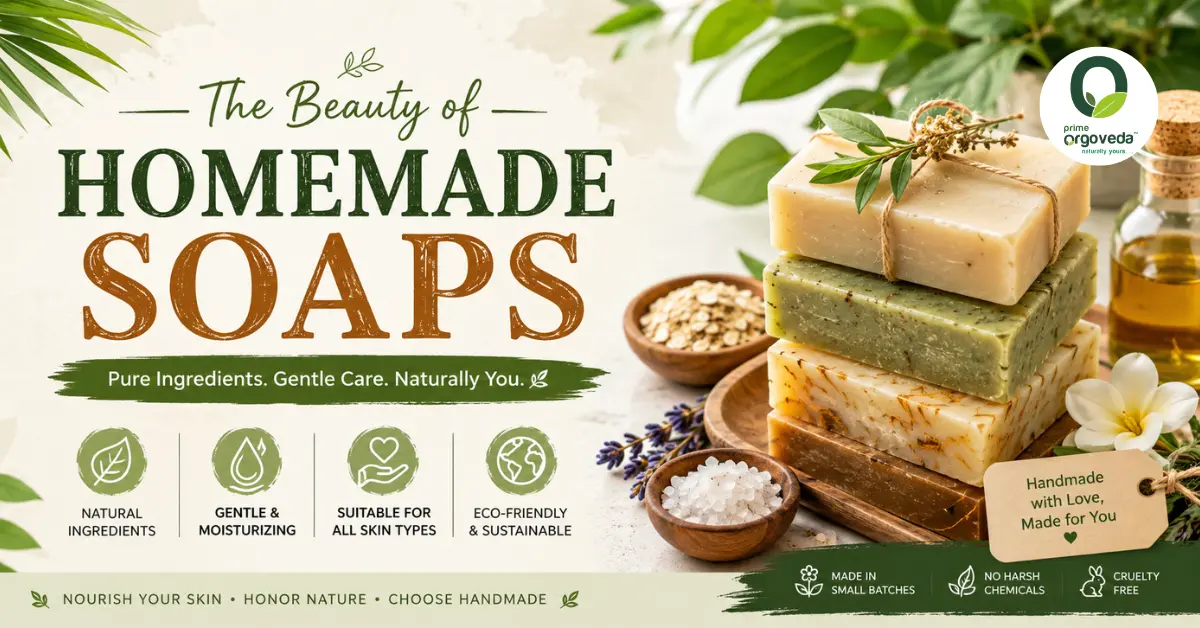
In recent years, more people have started paying closer attention to the products they use on their skin. As awareness of skincare ingredients, sustainability, and overall wellness continues to grow, homemade soaps have become a preferred choice for individuals seeking a more natural and mindful bathing experience. Unlike many commercial soaps that may contain synthetic detergents, artificial fragrances, and chemical additives, homemade soaps are often crafted using plant-based oils, natural butters, herbal extracts, and essential oils.
One of the biggest reasons behind the rising popularity of homemade soaps is their gentle approach to skincare. Traditional handmade soap-making methods help retain naturally occurring glycerin, a valuable moisturizing ingredient that helps keep the skin soft and hydrated. This makes homemade soaps an excellent option for people looking for a cleansing product that supports the skin’s natural moisture barrier.
Homemade soaps also appeal to environmentally conscious consumers. They are commonly made with biodegradable ingredients, minimal processing, and eco-friendly packaging, making them a more sustainable alternative to mass-produced soaps. Many small-scale artisans and natural skincare brands focus on quality over quantity, carefully selecting ingredients that are both skin-friendly and environmentally responsible.
Another factor driving their popularity is the wide variety of formulations available. Whether enriched with goat milk, aloe vera, activated charcoal, turmeric, coconut oil, shea butter, or botanical extracts, homemade soaps can be crafted to suit different skin types and personal preferences while offering a luxurious bathing experience.
In this blog, we’ll compare homemade soaps and commercial soaps, explore their ingredients and benefits, and explain why many people are making the switch to handmade skincare products for healthier, naturally nourished skin.
What Are Homemade Soaps?
Homemade soaps are handcrafted cleansing bars made using natural oils, butters, lye, and carefully selected ingredients through traditional soap-making methods such as the cold process, hot process, or melt-and-pour technique. Unlike many commercial soaps, homemade soaps are typically produced in small batches, allowing for greater attention to ingredient quality and craftsmanship.
The primary purpose of homemade soap is to gently cleanse the skin while helping maintain its natural moisture. During the soap-making process, oils and lye undergo a chemical reaction called saponification, which transforms them into soap and naturally produces glycerin. Since this glycerin is usually retained in handmade soaps, it helps keep the skin feeling soft, smooth, and hydrated after every wash.
Homemade soaps often contain nourishing ingredients such as olive oil, coconut oil, castor oil, shea butter, cocoa butter, goat milk, aloe vera, honey, oatmeal, clays, herbal extracts, and essential oils. These ingredients are chosen not only for their cleansing properties but also for the unique qualities they bring to the soap, including creamy lather, skin conditioning, and natural fragrance.
Another defining feature of homemade soaps is their simplicity. Many artisan soap makers avoid unnecessary synthetic detergents, harsh sulfates, excessive preservatives, and artificial colors, focusing instead on naturally inspired formulations that provide an enjoyable cleansing experience.
Available in a wide variety of fragrances, textures, and botanical blends, homemade soaps cater to different skin types and personal preferences. Whether you prefer a moisturizing soap enriched with shea butter, a refreshing aloe vera bar, a soothing goat milk soap, or a detoxifying charcoal soap, handmade soaps offer a thoughtful combination of traditional craftsmanship and modern skincare needs.
What Are Commercial Soaps?
Commercial soaps are mass-produced cleansing products manufactured on a large scale using standardized formulations and industrial production methods. They are widely available in supermarkets, pharmacies, and online stores, making them a convenient choice for everyday personal care.
Many commercial cleansing bars are formulated with synthetic detergents (often called syndets), surfactants, preservatives, artificial fragrances, colorants, and stabilizers to improve shelf life, create a consistent appearance, and produce a rich lather. While these products effectively remove dirt, oil, and impurities from the skin, some formulations may also strip away the skin’s natural oils, leaving it feeling dry or tight—particularly for people with dry or sensitive skin.
In traditional soap making, the natural glycerin produced during the saponification process remains in the finished soap, helping to retain moisture. In contrast, some commercial soap manufacturers remove part or all of the glycerin for use in other skincare or cosmetic products, then add alternative moisturizing ingredients if desired. As a result, the moisturizing properties of commercial soaps can vary significantly depending on the formulation.
Commercial soaps are designed to meet the needs of a broad consumer market, with options ranging from antibacterial and deodorizing bars to moisturizing, exfoliating, and beauty soaps. However, ingredient quality and skin-friendliness differ from one brand to another, making it important to read product labels carefully and choose a soap that suits your skin type and preferences.
While many commercial soaps are safe and effective for daily cleansing, those seeking simpler ingredient lists, naturally derived components, or traditional handcrafted formulations often prefer homemade soaps as an alternative.
Homemade Soaps vs Commercial Soaps: Understanding the Difference
Although both homemade soaps and commercial soaps are designed to cleanse the skin, they differ significantly in their ingredients, manufacturing process, and overall skincare experience. Understanding these differences can help you choose a soap that best suits your skin type, lifestyle, and personal preferences.
Homemade soaps are typically handcrafted in small batches using traditional soap-making methods and naturally inspired ingredients such as plant-based oils, butters, herbal extracts, clays, milk, and essential oils. They also retain naturally occurring glycerin, which helps attract moisture and supports the skin’s natural hydration. This makes homemade soaps a popular choice for people looking for a gentle and nourishing cleansing experience.
Commercial soaps, on the other hand, are manufactured on a large scale to ensure consistency, long shelf life, and affordability. Depending on the product, they may contain synthetic detergents, preservatives, artificial fragrances, colorants, and other additives. While many commercial soaps effectively cleanse the skin and are safe for everyday use, some formulations may be less suitable for individuals with dry or sensitive skin due to their cleansing strength or ingredient composition.
The table below highlights the key differences between homemade and commercial soaps:
| Production Method | Handmade in small batches | Mass-produced in factories |
| Primary Ingredients | Natural oils, butters, botanical extracts, and essential oils | May include synthetic detergents, preservatives, fragrances, and colorants |
| Glycerin Content | Naturally retained during soap making | May be partially or fully removed in some formulations |
| Moisturizing Properties | Generally rich in skin-conditioning oils and natural glycerin | Varies depending on the formulation and added moisturizers |
| Skin Feel | Gentle and nourishing for many users | Can range from moisturizing to deeply cleansing |
| Customization | Wide variety of artisan recipes for different skin needs | Standardized formulations for mass-market appeal |
| Environmental Impact | Often made with biodegradable ingredients and eco-friendly packaging | Packaging and ingredients vary by manufacturer |
| Fragrance | Commonly scented with essential oils or naturally inspired fragrances | Often uses synthetic or blended fragrance ingredients |
| Shelf Life | Usually shorter due to fewer preservatives | Typically longer because of stabilizers and preservatives |
Ultimately, neither type of soap is universally “better” for everyone. The ideal choice depends on your skin type, ingredient preferences, and skincare goals. If you value naturally inspired ingredients, traditional craftsmanship, and a gentle cleansing experience, homemade soaps can be an excellent option. If you prioritize convenience, specialized formulations, or longer shelf life, many commercial soaps can also meet your needs. Reading ingredient labels and selecting products from trusted brands is the best way to find a soap that works well for your skin.
Benefits of Homemade Soaps
Homemade soaps have become increasingly popular because they combine traditional craftsmanship with naturally inspired ingredients that gently cleanse and care for the skin. Made in small batches using nourishing oils, butters, botanical extracts, and other carefully selected ingredients, these soaps offer a refreshing bathing experience while helping maintain the skin’s natural balance. Here are some of the key benefits of choosing homemade soaps.
1. Made with Naturally Inspired Ingredients
Homemade soaps are commonly crafted using plant-based oils, natural butters, herbal extracts, clays, milk, honey, and essential oils. These thoughtfully selected ingredients provide gentle cleansing while offering a luxurious feel that many people appreciate in their daily skincare routine.
2. Rich in Skin-Nourishing Oils
Ingredients such as olive oil, coconut oil, castor oil, sweet almond oil, and shea butter are frequently used in handmade soaps. These oils help create a rich, creamy lather and leave the skin feeling soft, smooth, and well-conditioned after cleansing.
3. Naturally Retains Glycerin
During the soap-making process, a natural humectant called glycerin is produced through saponification. In homemade soaps, this glycerin is usually retained, helping attract and retain moisture so the skin feels hydrated and comfortable after every wash.
4. Gentle on the Skin
Many homemade soaps are formulated without harsh synthetic detergents and excessive chemical additives. Their mild cleansing action makes them a suitable choice for individuals who prefer gentle skincare products for everyday use.
5. Suitable for Different Skin Types
Homemade soaps can be created with a variety of ingredient combinations to suit different skin needs. Whether your skin is dry, oily, combination, or sensitive, there are handmade soap formulations designed to provide a comfortable and enjoyable cleansing experience.
6. Free from Unnecessary Additives
Many artisan soap makers focus on simple ingredient lists, avoiding unnecessary fillers, excessive preservatives, and artificial colorants whenever possible. This makes homemade soaps an attractive option for those seeking more naturally formulated skincare products.
7. Wide Variety of Natural Ingredients
From aloe vera and goat milk to oatmeal, turmeric, activated charcoal, neem, lavender, and rose petals, homemade soaps are available in countless botanical blends. This variety allows users to choose soaps based on their preferred ingredients, fragrance, and skincare preferences.
8. Eco-Friendly and Sustainable
Homemade soaps are often produced in small batches with biodegradable ingredients and packaged using recyclable or plastic-free materials. Choosing handmade soaps can help reduce packaging waste and support environmentally responsible purchasing habits.
9. Supports Small Businesses and Local Artisans
Purchasing homemade soaps often means supporting independent soap makers and small businesses that emphasize quality, craftsmanship, and responsibly sourced ingredients. Every bar reflects careful attention to detail and traditional soap-making techniques.
10. Offers a Luxurious Bathing Experience
Beyond cleansing, homemade soaps provide a rich sensory experience through creamy lather, natural fragrances, and beautifully crafted designs. Whether infused with calming lavender, refreshing citrus, or nourishing botanical extracts, they can transform an everyday bath into a relaxing self-care ritual.
Why More People Are Choosing Homemade Soaps
As consumers become more conscious about skincare and sustainability, homemade soaps continue to gain popularity. Their naturally inspired ingredients, retained glycerin, nourishing oils, and artisan craftsmanship make them an excellent choice for anyone seeking a gentle, moisturizing, and eco-friendly cleansing solution.
Drawbacks of Commercial Soaps
Commercial soaps are widely used because they are affordable, easily available, and manufactured to provide consistent performance. However, not all commercial soaps are formulated the same way. Some products may contain ingredients or undergo manufacturing processes that are less suitable for people who prefer naturally inspired skincare or have dry or sensitive skin. Here are some common drawbacks to consider.
1. May Contain Synthetic Detergents
Many commercial cleansing bars use synthetic detergents (surfactants) instead of traditional soap as their primary cleansing agents. While these ingredients effectively remove dirt and excess oil, some formulations can leave the skin feeling dry or tight after use.
2. Artificial Fragrances and Colors
Commercial soaps often include synthetic fragrances and artificial colorants to create appealing scents and vibrant appearances. Some individuals with sensitive skin may prefer products with simpler ingredient lists or naturally derived fragrance options.
3. Can Strip Away Natural Skin Oils
Certain commercial soaps are formulated for deep cleansing, which may remove not only dirt and impurities but also some of the skin’s natural protective oils. This can contribute to a feeling of dryness, particularly when used frequently or by people with naturally dry skin.
4. May Contain Multiple Preservatives and Additives
To improve shelf life, texture, appearance, and product stability, commercial soaps may include preservatives, stabilizers, foaming agents, and other additives. Although these ingredients are generally used within regulatory guidelines, some consumers prefer products with fewer added ingredients.
5. Natural Glycerin May Be Reduced
During traditional soap making, glycerin is naturally produced through saponification. In some commercial manufacturing processes, part or all of this glycerin may be removed for use in other cosmetic products. While many manufacturers add moisturizing ingredients back into their formulations, the level of natural glycerin can vary from product to product.
6. Limited Ingredient Transparency
Some commercial soaps list ingredients using technical or chemical names that may be difficult for consumers to understand. This can make it challenging to identify whether a product contains naturally derived ingredients, synthetic additives, or potential allergens.
7. Less Customization for Individual Skin Needs
Commercial soaps are typically designed for a broad consumer market, meaning they may not address specific skincare preferences or ingredient sensitivities. Homemade soaps, by comparison, are often available in a wider range of specialized formulations using botanical ingredients and nourishing oils.
8. Greater Environmental Impact
Depending on the brand, commercial soaps may be packaged in plastic or manufactured through large-scale industrial processes. While many companies are adopting more sustainable practices, some products still have a larger environmental footprint than small-batch handmade soaps that use biodegradable ingredients and eco-friendly packaging.
Choosing the Right Soap
It’s important to remember that not all commercial soaps have these drawbacks. Many reputable brands produce high-quality cleansing bars with gentle, dermatologist-tested formulations and moisturizing ingredients. The best approach is to read the ingredient label carefully, understand your skin’s needs, and choose a soap that aligns with your skincare goals. If you prefer simpler ingredient lists, naturally retained glycerin, and artisan craftsmanship, homemade soaps may be a suitable alternative.
Key Ingredients Commonly Found in Homemade Soaps
The quality of a homemade soap largely depends on the ingredients used to create it. Unlike many mass-produced soaps, homemade soaps are often crafted with carefully selected natural oils, plant butters, botanical extracts, and other skin-friendly ingredients that contribute to gentle cleansing and a luxurious bathing experience. Each ingredient serves a unique purpose, from creating rich lather to helping maintain the skin’s natural moisture.
Here are some of the most common ingredients found in homemade soaps:
1. Olive Oil
Olive oil is one of the most popular ingredients in handmade soaps. It produces a mild, creamy lather and helps keep the skin feeling soft and moisturized. It is especially valued for its gentle cleansing properties.
2. Coconut Oil
Coconut oil creates a rich, bubbly lather and enhances the soap’s cleansing ability. It also contributes to the hardness of the soap bar, making it long-lasting when used in balanced proportions.
3. Shea Butter
Shea butter is widely used for its rich, creamy texture and skin-conditioning properties. It helps create a luxurious soap that leaves the skin feeling smooth and nourished.
4. Cocoa Butter
Cocoa butter adds firmness to homemade soaps while providing a creamy lather. It is often included in premium soap formulations for its moisturizing qualities.
5. Castor Oil
Castor oil is known for producing stable, creamy foam and improving the overall lather of handmade soaps. It also contributes to a pleasant cleansing experience.
6. Goat Milk
Goat milk is a popular addition to handmade soaps because it creates a creamy texture and contains naturally occurring vitamins and milk fats that help the skin feel soft and refreshed.
7. Aloe Vera
Aloe vera is valued for its soothing and hydrating properties. Homemade soaps enriched with aloe vera offer a refreshing cleansing experience and are often chosen by people seeking gentle skincare products.
8. Honey
Honey is a natural humectant, meaning it helps attract and retain moisture. It also adds a silky texture and supports the production of rich, creamy lather.
9. Oatmeal
Finely ground oatmeal is commonly used in homemade soaps as a gentle natural exfoliant. It helps remove dead skin cells while leaving the skin feeling smooth and clean.
10. Essential Oils
Essential oils such as lavender, peppermint, eucalyptus, tea tree, lemongrass, orange, and rosemary provide natural fragrance and contribute to a pleasant aromatherapy-inspired bathing experience.
11. Natural Clays
Ingredients like kaolin clay, bentonite clay, and French green clay are often added to homemade soaps to improve texture, provide gentle cleansing, and naturally color the soap.
12. Herbal Extracts and Botanical Powders
Homemade soaps may include herbal ingredients such as turmeric, neem, calendula, chamomile, moringa, rose petals, hibiscus, or activated charcoal. These botanicals enhance the soap’s appearance and create unique formulations inspired by traditional skincare practices.
13. Natural Colorants
Instead of synthetic dyes, many handmade soap makers use natural colorants such as turmeric, spirulina, beetroot powder, cocoa powder, charcoal, paprika, or plant-based clays to achieve attractive colors.
14. Lye (Sodium Hydroxide)
Lye is an essential ingredient in traditional soap making. During the saponification process, it reacts with oils and butters to create soap and natural glycerin. When the soap is properly made and fully cured, no free lye remains in the finished product, making it safe for everyday use.
Why Ingredient Quality Matters
The effectiveness and overall feel of a homemade soap depend not only on the ingredients themselves but also on their quality and balance. Premium oils, natural butters, botanical extracts, and carefully selected additives work together to create soaps that cleanse effectively while helping maintain the skin’s natural softness and hydration. Choosing handmade soaps made with high-quality ingredients can provide a more enjoyable and nourishing skincare experience.
How Homemade Soaps Support Different Skin Types
Every person’s skin is unique, and choosing the right soap can make a noticeable difference in your daily skincare routine. One of the greatest advantages of homemade soaps is the flexibility to create formulations using different natural oils, butters, botanical extracts, and other skin-friendly ingredients. This variety allows handmade soaps to cater to a wide range of skin types while providing gentle cleansing and helping maintain the skin’s natural moisture balance.
1. Dry Skin
Dry skin often needs extra moisture and gentle cleansing. Homemade soaps made with ingredients such as shea butter, cocoa butter, olive oil, goat milk, honey, and aloe vera help create a creamy lather that cleanses without leaving the skin feeling overly dry. The naturally retained glycerin in handmade soaps also helps attract moisture, leaving the skin feeling soft and comfortable after bathing.
2. Oily Skin
People with oily skin can benefit from homemade soaps that provide effective cleansing while maintaining the skin’s natural balance. Ingredients such as activated charcoal, kaolin clay, tea tree essential oil, neem, and coconut oil are commonly used in formulations designed to remove excess oil and impurities without excessive dryness.
3. Sensitive Skin
Sensitive skin often responds best to simple, gentle formulations. Homemade soaps made with mild ingredients like oatmeal, aloe vera, calendula, chamomile, goat milk, and fragrance-free or lightly scented formulations can offer a soothing cleansing experience. Choosing soaps with minimal additives and carefully selected ingredients may also help reduce the likelihood of irritation for some individuals.
4. Combination Skin
Combination skin requires a balanced approach because some areas of the face or body may be oily while others are dry. Homemade soaps containing balanced blends of olive oil, castor oil, coconut oil, aloe vera, and natural clays help provide effective cleansing while supporting the skin’s natural moisture levels.
5. Normal Skin
Even normal skin benefits from gentle daily care. Homemade soaps enriched with botanical oils, herbal extracts, and essential oils help maintain healthy-looking skin while delivering a refreshing and luxurious bathing experience. A wide range of natural ingredients also allows users to choose soaps based on their fragrance preferences and skincare goals.
Choosing the Right Homemade Soap
Selecting the best homemade soap starts with understanding your skin type and reading the ingredient list carefully. Look for soaps made with high-quality natural oils, plant butters, botanical extracts, and naturally retained glycerin. If you have sensitive skin or known allergies, it’s a good idea to perform a patch test before using a new product regularly.
By offering a variety of ingredient combinations and gentle formulations, homemade soaps provide a personalized cleansing experience for different skin types. Whether your skin is dry, oily, sensitive, combination, or normal, there is likely a handmade soap crafted to suit your skincare needs while helping keep your skin clean, soft, and refreshed.
Why Glycerin Makes Homemade Soaps Better
One of the biggest reasons homemade soaps are highly valued is their natural glycerin content. Glycerin is a naturally occurring by-product of the soap-making process, known as saponification, where oils and fats react with lye to form soap. Unlike some commercial manufacturing processes where glycerin may be partially or fully removed for use in other cosmetic products, homemade soaps typically retain this valuable ingredient, making them especially beneficial for everyday skincare.
What Is Glycerin?
Glycerin is a natural humectant, which means it attracts moisture from the surrounding environment and helps retain it in the outer layer of the skin. This moisturizing property helps keep the skin feeling soft, smooth, and comfortable after cleansing.
Benefits of Glycerin in Homemade Soaps
1. Helps Maintain Skin Hydration
Natural glycerin helps reduce moisture loss during cleansing, allowing the skin to retain its natural softness instead of feeling dry or tight after washing.
2. Supports the Skin’s Natural Moisture Barrier
Regular cleansing can sometimes remove natural oils from the skin. Glycerin helps support the skin’s protective moisture barrier by attracting and retaining water, contributing to healthier-looking skin.
3. Provides a Gentle Cleansing Experience
Homemade soaps containing natural glycerin cleanse effectively while helping the skin feel moisturized. This makes them a popular choice for people who prefer a gentle cleansing routine.
4. Suitable for Everyday Use
Because glycerin helps maintain the skin’s moisture balance, many homemade soaps are comfortable enough for daily bathing and handwashing without leaving the skin feeling excessively dry.
5. Beneficial for Different Skin Types
Whether your skin is dry, oily, combination, normal, or sensitive, glycerin helps provide balanced hydration. It supports a comfortable cleansing experience without making the skin feel greasy.
Homemade Soaps vs Commercial Soaps: The Glycerin Difference
One of the key differences between homemade and some commercial soaps is the treatment of glycerin during manufacturing. In traditional handmade soap making, glycerin naturally remains in the finished bar. In contrast, some commercial manufacturers remove part or all of the glycerin to use it in lotions, creams, and other skincare products. While many commercial soaps include added moisturizers, the amount of naturally retained glycerin can vary depending on the formulation.
Why It Matters
The presence of natural glycerin is one of the reasons homemade soaps often leave the skin feeling softer and more comfortable after use. Combined with nourishing plant oils, butters, and botanical ingredients, glycerin enhances the overall cleansing experience and helps maintain the skin’s natural moisture.
If you’re looking for a soap that gently cleanses while supporting healthy-looking, hydrated skin, homemade soaps with naturally retained glycerin are an excellent choice. Their traditional soap-making process preserves one of nature’s most effective moisturizers, making every wash both refreshing and nourishing.
Environmental Benefits of Homemade Soaps
As more people embrace sustainable living, homemade soaps have become a popular choice not only for their skin-friendly formulations but also for their lower environmental impact. Many artisan soap makers prioritize natural ingredients, responsible sourcing, and eco-conscious packaging, making homemade soaps a more environmentally friendly alternative to many mass-produced cleansing products.
Here are some of the key environmental benefits of homemade soaps.
1. Biodegradable Ingredients
Homemade soaps are often made with plant-based oils, natural butters, herbal extracts, clays, and other biodegradable ingredients. These components break down more easily in the environment than many synthetic chemicals, helping reduce their long-term impact on ecosystems.
2. Less Plastic Packaging
Many handmade soap brands package their products in recyclable paper, cardboard boxes, reusable tins, or compostable materials instead of single-use plastic bottles and wrappers. Choosing homemade soaps can help reduce plastic waste and support a more sustainable lifestyle.
3. Smaller Carbon Footprint
Homemade soaps are typically produced in small batches by local artisans or independent businesses. Smaller-scale production often requires less energy than large industrial manufacturing and may involve shorter transportation distances when purchased locally, helping reduce carbon emissions.
4. Minimal Chemical Pollution
Many homemade soaps are formulated without unnecessary synthetic detergents, phosphates, or excessive chemical additives. Using naturally inspired ingredients can help reduce the amount of synthetic substances entering wastewater systems after each use.
5. Supports Sustainable Sourcing
Many artisan soap makers carefully select responsibly sourced oils, butters, botanicals, and essential oils. Some also choose ethically harvested ingredients and work with suppliers who follow environmentally responsible farming and production practices.
6. Encourages Conscious Consumption
Because handmade soaps are often crafted with quality and durability in mind, consumers tend to value and use them more thoughtfully. Purchasing products made by small businesses also encourages responsible production and supports local craftsmanship over mass manufacturing.
7. Reduces Packaging Waste
Unlike many commercial personal care products that use multiple layers of plastic packaging, homemade soaps are frequently sold with minimal packaging. This simple approach helps decrease landfill waste and promotes the use of recyclable or biodegradable materials.
8. Long-Lasting When Properly Stored
A well-made homemade soap bar can last a long time when kept dry between uses. Using a draining soap dish and allowing the bar to dry completely after each wash helps extend its lifespan, reducing the need for frequent replacements and minimizing overall product waste.
Choosing a More Sustainable Bathing Routine
Switching to homemade soaps is a simple yet meaningful step toward a more environmentally responsible lifestyle. By choosing soaps made with biodegradable ingredients, eco-friendly packaging, and thoughtfully sourced materials, you can reduce your environmental footprint while enjoying a gentle and nourishing cleansing experience.
Every small change matters. Replacing mass-produced personal care products with high-quality handmade soaps is one way to care for both your skin and the planet, making your daily skincare routine more sustainable for the future.
How to Choose High-Quality Homemade Soaps
With so many handmade soaps available on the market, choosing the right one can seem overwhelming. While attractive colors and pleasant fragrances may catch your attention, the true quality of a homemade soap lies in its ingredients, craftsmanship, and formulation. By knowing what to look for, you can select a soap that provides a gentle, nourishing, and enjoyable cleansing experience.
Here are some practical tips for choosing high-quality homemade soaps.
1. Check the Ingredient List
A quality homemade soap should clearly list its ingredients. Look for nourishing oils and butters such as olive oil, coconut oil, shea butter, cocoa butter, castor oil, and other plant-based ingredients. Botanical extracts, goat milk, aloe vera, oatmeal, honey, and natural clays are also commonly found in premium handmade soaps.
2. Look for Naturally Inspired Ingredients
Choose soaps that are made with naturally inspired ingredients rather than excessive synthetic additives. Essential oils, herbal extracts, and plant-based colorants often indicate a thoughtfully crafted handmade product.
3. Ensure Natural Glycerin Is Retained
One of the advantages of traditional handmade soap is that it naturally retains glycerin during the soap-making process. Glycerin helps attract moisture and leaves the skin feeling soft and hydrated after cleansing.
4. Select a Soap for Your Skin Type
Different homemade soaps are formulated for different skincare needs. For example:
- Dry Skin: Choose soaps enriched with shea butter, cocoa butter, goat milk, honey, or aloe vera.
- Oily Skin: Look for ingredients such as activated charcoal, kaolin clay, neem, or tea tree essential oil.
- Sensitive Skin: Opt for fragrance-free or mildly scented soaps containing oatmeal, calendula, chamomile, or aloe vera.
- Combination Skin: Balanced formulations with olive oil, castor oil, and natural clays work well for many people.
5. Avoid Unnecessary Additives
Many premium homemade soaps focus on simple formulations without excessive preservatives, synthetic detergents, or artificial colorants. Reading the ingredient label helps you understand exactly what you’re buying.
6. Consider the Soap-Making Method
Cold process and hot process soaps are traditional methods that preserve natural glycerin and allow artisans to create high-quality handmade bars. These methods are often associated with premium handcrafted soaps.
7. Evaluate the Fragrance
High-quality homemade soaps often use essential oils or naturally inspired fragrance blends that provide a pleasant scent without being overpowering. Choose a fragrance that matches your personal preference and is comfortable for your skin.
8. Check the Appearance and Texture
A well-made handmade soap should have a firm texture, smooth finish, and consistent appearance. Small variations in shape or color are normal and often reflect the handcrafted nature of the product.
9. Buy from Trusted Brands or Artisan Soap Makers
Purchase homemade soaps from reputable brands or experienced artisans who are transparent about their ingredients, manufacturing process, and product quality. Customer reviews and clear product information can help you make an informed decision.
10. Consider Eco-Friendly Packaging
Many high-quality handmade soaps are packaged using recyclable, biodegradable, or plastic-free materials. Choosing environmentally friendly packaging supports sustainable living while reducing waste.
Choosing a high-quality homemade soap is about more than just fragrance or appearance. Pay attention to the ingredient list, soap-making method, natural glycerin content, and suitability for your skin type. A thoughtfully crafted handmade soap made with premium ingredients can provide gentle cleansing, help maintain the skin’s natural moisture, and enhance your daily skincare routine while supporting environmentally responsible practices.
Tips for Storing Homemade Soaps Properly
Homemade soaps are crafted with natural oils, butters, and other carefully selected ingredients that deserve proper care. Unlike many commercial soaps that may contain additional preservatives, handmade soaps benefit from correct storage to help maintain their quality, fragrance, texture, and longevity. With a few simple habits, you can keep your homemade soaps fresh and make each bar last longer.
1. Keep Soaps in a Cool, Dry Place
Store homemade soaps in a cool, dry area away from direct sunlight and excessive heat. High temperatures and humidity can soften the soap, reduce its fragrance, and shorten its lifespan.
2. Use a Soap Dish with Good Drainage
After each use, place your soap on a well-draining soap dish that allows water to flow away from the bar. Keeping the soap dry between uses helps prevent it from becoming soft or mushy and significantly extends its life.
3. Allow the Soap to Dry Between Uses
Homemade soaps last much longer when they are allowed to air dry completely after every use. Avoid leaving the bar in standing water or on a flat surface where moisture can accumulate.
4. Keep Unused Soap Bars Well Ventilated
If you’re storing unused homemade soaps, place them in a breathable container, paper bag, or cardboard box. Good air circulation helps preserve the soap while preventing excess moisture buildup.
5. Avoid Airtight Plastic Containers
Freshly cured or unused handmade soaps should not be stored in airtight plastic containers for extended periods. Without proper airflow, moisture can become trapped, potentially affecting the soap’s texture and fragrance over time.
6. Protect from Direct Sunlight
Continuous exposure to sunlight may cause natural colors to fade and essential oil fragrances to weaken. Store your soaps in a shaded location to help preserve their appearance and scent.
7. Separate Different Fragrances
If you own multiple varieties of homemade soaps, store strongly scented bars separately. This helps prevent fragrances from blending and allows each soap to retain its original aroma.
8. Rotate Older Soap Bars First
If you purchase several handmade soaps at once, use the older bars before newly purchased ones. Rotating your collection ensures you enjoy each soap while it is at its best quality.
9. Keep Away from Excess Humidity
Bathrooms with poor ventilation can remain humid for long periods. If possible, store unused soap bars outside the shower area and only keep the bar currently in use near the sink or bath.
10. Travel with Proper Protection
When carrying homemade soaps while traveling, use a ventilated soap case or allow the soap to dry before packing it. This helps prevent moisture buildup and keeps the soap in good condition throughout your trip.
Proper storage is one of the easiest ways to extend the life of homemade soaps and preserve their natural fragrance, texture, and performance. By keeping your soaps dry, well-ventilated, and away from excessive heat and sunlight, you can enjoy every bar for longer while maintaining its quality. A few simple storage practices ensure that your handmade soaps remain fresh, effective, and ready to provide a luxurious cleansing experience every day.
Common Myths About Homemade Soaps
As homemade soaps continue to grow in popularity, several misconceptions have also emerged. Many people assume that handmade soaps are less effective, less durable, or even less safe than commercial soaps. In reality, well-crafted homemade soaps are made using carefully selected ingredients and traditional soap-making techniques that provide effective cleansing while offering a gentle skincare experience.
Let’s separate fact from fiction by exploring some of the most common myths about homemade soaps.
Myth 1: Homemade Soaps Don’t Clean as Well as Commercial Soaps
Fact: Homemade soaps effectively remove dirt, excess oil, and everyday impurities from the skin. The natural soap created through the saponification process provides excellent cleansing while many formulations also help maintain the skin’s natural moisture.
Myth 2: Homemade Soaps Are Just for Dry Skin
Fact: Handmade soaps are available in a wide variety of formulations designed for different skin types. Whether your skin is dry, oily, combination, normal, or sensitive, you can find homemade soaps made with ingredients that suit your specific skincare needs.
Myth 3: Homemade Soaps Are Unsafe Because They Contain Lye
Fact: Lye (sodium hydroxide) is an essential ingredient used to make true soap. During the saponification process, the lye reacts completely with oils and butters to create soap and natural glycerin. When the soap is properly formulated and fully cured, no free lye remains in the finished bar, making it safe for everyday use.
Myth 4: Homemade Soaps Don’t Last Long
Fact: A high-quality handmade soap can last just as long as many commercial soap bars when stored properly. Using a draining soap dish and allowing the soap to dry between uses helps extend its lifespan significantly.
Myth 5: Homemade Soaps Don’t Produce Enough Lather
Fact: The amount of lather depends on the soap’s formulation rather than whether it is handmade or commercially produced. Ingredients such as coconut oil and castor oil naturally create a rich, creamy, and satisfying lather.
Myth 6: All Homemade Soaps Are Completely Chemical-Free
Fact: Everything, including water and natural oils, is made up of chemicals. Homemade soaps are better described as being made with naturally inspired ingredients or fewer synthetic additives, rather than being “chemical-free.” This is a more accurate and scientifically correct description.
Myth 7: Homemade Soaps Are Too Expensive
Fact: While some artisan soaps may cost more than mass-produced bars, they often contain premium oils, natural butters, botanical ingredients, and naturally retained glycerin. Many people consider the higher-quality ingredients and handcrafted production to offer excellent value.
Myth 8: Homemade Soaps Have a Short Shelf Life
Fact: Properly cured homemade soaps generally have a long shelf life when stored in a cool, dry place. Although natural fragrances may gradually soften over time, the soap itself typically remains effective for many months.
Myth 9: Homemade Soaps Are Only for People with Sensitive Skin
Fact: Homemade soaps are suitable for a wide range of users. Different formulations are available for people with normal, oily, dry, combination, and sensitive skin, allowing everyone to choose a soap that matches their personal preferences.
Myth 10: Every Homemade Soap Is the Same
Fact: Handmade soaps vary greatly depending on the ingredients, soap-making method, and the artisan’s expertise. Different oils, butters, botanical extracts, clays, essential oils, and specialty ingredients create unique soaps with different textures, fragrances, and cleansing properties.
Homemade soaps are surrounded by myths that often discourage people from trying them. Understanding the facts helps you make informed skincare choices based on ingredients, quality, and your individual skin needs rather than common misconceptions. By choosing well-made handmade soaps from trusted brands or skilled artisans, you can enjoy a gentle, nourishing, and enjoyable cleansing experience while benefiting from traditional soap-making craftsmanship.
Conclusion
Choosing the right soap is about more than simply keeping your skin clean—it’s about supporting your skin’s natural balance and making mindful choices for your overall well-being. As we’ve explored throughout this guide, homemade soaps offer several advantages, including naturally retained glycerin, nourishing plant-based oils, botanical ingredients, and eco-friendly craftsmanship. Their gentle formulations make them an appealing option for people seeking a more natural and personalized skincare routine.
While many commercial soaps effectively cleanse the skin, homemade soaps stand out for their traditional soap-making methods, carefully selected ingredients, and focus on quality over mass production. From moisturizing dry skin and providing gentle cleansing to supporting sustainable living with biodegradable ingredients and minimal packaging, handmade soaps deliver benefits that extend beyond everyday skincare.
When choosing a homemade soap, pay attention to the ingredient list, select a formulation suited to your skin type, and purchase from trusted brands or skilled artisans who prioritize quality and transparency. Proper storage will also help preserve the soap’s fragrance, texture, and longevity, ensuring you get the most from every bar.
Whether you’re beginning your journey toward natural skincare or looking to replace conventional cleansing products, homemade soaps are a simple yet meaningful step toward healthier-looking skin and a more environmentally conscious lifestyle. Make the switch today and experience the difference that thoughtfully crafted, naturally inspired handmade soaps can bring to your daily self-care routine.


 Agarbatti
 Computer Loban
 Dhoop Sticks
 Dhoop Cones
 Loban Powder
 Dhoop Cups
 Soap
Soap Facewash
 Shampoo