
Blog

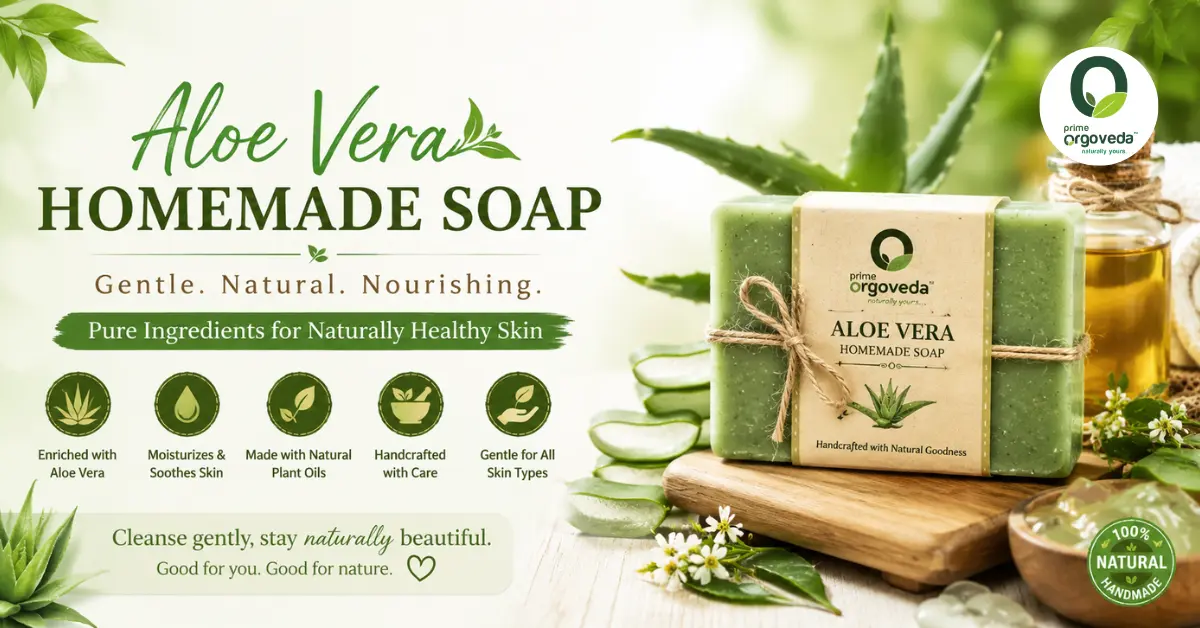
In a world where skincare products often contain synthetic chemicals, artificial fragrances, and harsh detergents, many people are turning to natural alternatives that cleanse the skin gently while supporting its overall health. Among these options, Aloe Vera Homemade Soap has become a popular choice for those seeking a simple, effective, and skin-friendly cleansing solution. Crafted with carefully selected natural ingredients, this soap offers a refreshing bathing experience while helping maintain the skin’s natural balance.
Aloe vera has long been valued for its soothing and moisturizing properties, making it a trusted ingredient in skincare traditions around the world. When combined with nourishing oils and naturally occurring glycerin in homemade soap, it creates a rich, creamy lather that cleanses away dirt, excess oil, and everyday impurities without leaving the skin feeling dry or tight.
Unlike many commercial soaps that may rely on harsh cleansing agents, homemade aloe vera soap is typically made in small batches with an emphasis on quality ingredients and gentle formulations. This makes it an excellent option for daily use by individuals who prefer a more natural approach to skincare.
In this blog, we’ll explore what makes Aloe Vera Homemade Soap a gentle cleanser for everyday use, its key ingredients, skin-friendly benefits, suitability for different skin types, and practical tips for choosing and caring for your soap. Whether you’re new to natural skincare or looking to upgrade your daily routine, this guide will help you understand why aloe vera homemade soap deserves a place in your bathroom.
What Is Aloe Vera Homemade Soap?
Aloe Vera Homemade Soap is a handcrafted cleansing bar made using natural oils, aloe vera gel or aloe vera extract, and the traditional soap-making process. Unlike many commercially manufactured soaps that may contain synthetic detergents, artificial fragrances, and harsh chemicals, homemade soap focuses on gentle, skin-friendly ingredients that help cleanse while preserving the skin’s natural moisture.
The star ingredient, aloe vera, is widely recognized for its soothing and hydrating properties. Rich in vitamins, minerals, antioxidants, and plant-based compounds, aloe vera enhances the soap’s ability to provide a refreshing and comfortable cleansing experience. When incorporated into homemade soap, it works alongside nourishing oils such as coconut oil, olive oil, castor oil, or shea butter to create a creamy lather that effectively removes dirt, excess oil, and everyday impurities.
One of the standout features of homemade soap is the presence of naturally occurring glycerin, a moisturizing by-product of the soap-making process. Unlike many commercial soaps where glycerin is often removed for use in other cosmetic products, homemade soap retains this valuable ingredient, helping the skin feel soft, smooth, and hydrated after every wash.
Aloe Vera Homemade Soap is suitable for daily use on the face and body, offering a gentle cleansing experience for a wide range of skin types. Its balanced formulation makes it an excellent choice for people who appreciate natural skincare products that combine effective cleansing with everyday comfort.
Whether you’re looking to simplify your skincare routine or embrace more natural personal care products, Aloe Vera Homemade Soap offers a thoughtful blend of traditional craftsmanship and nature-inspired ingredients for clean, refreshed, and healthy-looking skin.
Why Aloe Vera Is a Popular Natural Skincare Ingredient
For centuries, aloe vera has been celebrated as one of nature’s most versatile skincare ingredients. Known for its soothing, hydrating, and skin-conditioning properties, it has earned a trusted place in traditional wellness practices as well as modern personal care products. Its naturally rich composition makes it an excellent addition to homemade soaps designed for gentle, everyday cleansing.
Aloe vera contains a variety of naturally occurring vitamins, minerals, amino acids, enzymes, and antioxidants that help support healthy-looking skin. These nutrients work together to maintain the skin’s moisture balance, leaving it feeling refreshed, soft, and comfortable after cleansing.
One of the biggest reasons aloe vera is so widely used is its lightweight hydration. Unlike heavy moisturizers that can leave a greasy residue, aloe vera provides refreshing moisture without weighing the skin down. This makes Aloe Vera Homemade Soap suitable for people with dry, normal, combination, and even oily skin who want a cleanser that feels light and gentle.
Another benefit of aloe vera is its naturally soothing nature. Environmental factors such as heat, dust, pollution, and frequent washing can make skin feel dry or uncomfortable. Aloe vera helps provide a calming cleansing experience, making everyday bathing more refreshing and enjoyable.
When combined with nourishing plant-based oils in homemade soap, aloe vera complements the cleansing process by helping maintain the skin’s natural protective barrier. Instead of stripping away essential moisture, the soap works to remove dirt, excess oil, and impurities while leaving the skin feeling clean, balanced, and hydrated.
Its compatibility with a wide range of skin types, combined with its gentle and refreshing properties, is why aloe vera continues to be one of the most sought-after natural ingredients in skincare. Whether used in soaps, gels, lotions, or creams, aloe vera remains a timeless choice for those who value simple, nature-inspired skincare solutions.
Key Ingredients Commonly Found in Aloe Vera Homemade Soap
The effectiveness of Aloe Vera Homemade Soap comes from its carefully selected natural ingredients. Each ingredient plays an important role in cleansing, nourishing, and helping maintain the skin’s natural balance. Together, they create a gentle soap that is suitable for everyday use.
Aloe Vera Gel or Aloe Vera Extract
Aloe vera is the signature ingredient that gives the soap its soothing and hydrating qualities. Rich in naturally occurring vitamins, minerals, antioxidants, and plant compounds, it helps leave the skin feeling refreshed, soft, and comfortably moisturized after every wash.
Coconut Oil
Coconut oil is widely used in homemade soap because it produces a rich, creamy lather while effectively removing dirt, excess oil, and everyday impurities. It also contributes to the soap’s cleansing performance and leaves the skin feeling fresh and clean.
Olive Oil
Olive oil is valued for its gentle cleansing and skin-conditioning properties. It helps create a mild soap that supports the skin’s natural moisture barrier, making the soap suitable for regular use.
Castor Oil
Castor oil enhances the soap by producing a stable, luxurious lather. It also contributes to a smooth cleansing experience and helps the soap rinse away easily without leaving the skin feeling dry.
Shea Butter
Shea butter is often added to provide extra nourishment and a creamy texture. Naturally rich in beneficial fatty acids and vitamins, it helps the skin feel soft, smooth, and well-conditioned after cleansing.
Natural Glycerin
One of the biggest advantages of homemade soap is the presence of naturally occurring glycerin, which is created during the soap-making process. Glycerin acts as a natural humectant, attracting moisture to the skin and helping it remain hydrated, soft, and comfortable after every wash.
Essential Oils
Many Aloe Vera Homemade Soaps include essential oils such as lavender, tea tree, lemongrass, peppermint, or eucalyptus. These oils provide a pleasant natural fragrance and can enhance the overall bathing experience while complementing the soap’s gentle formulation.
Natural Colorants and Botanicals
To keep the soap naturally appealing, makers often use plant-based ingredients such as dried herbs, green clay, turmeric, spinach powder, or flower petals instead of synthetic colors. These ingredients add visual appeal while staying true to the soap’s natural character.
By combining these carefully chosen ingredients, Aloe Vera Homemade Soap delivers a balanced cleansing experience that helps remove impurities while supporting the skin’s natural softness, freshness, and hydration. This thoughtful blend of nature-inspired ingredients is what makes homemade soap a popular choice for people seeking gentle and effective daily skincare.
Benefits of Using Aloe Vera Homemade Soap Every Day
Using Aloe Vera Homemade Soap as part of your daily skincare routine offers a combination of gentle cleansing and natural nourishment. Carefully crafted with aloe vera, plant-based oils, and naturally occurring glycerin, this handmade soap helps keep your skin feeling clean, refreshed, and comfortable without relying on harsh chemicals.
1. Gently Cleanses the Skin
Aloe Vera Homemade Soap effectively removes dirt, excess oil, sweat, and everyday impurities while being gentle on the skin. Its mild cleansing action helps maintain a fresh and healthy-looking complexion without leaving the skin feeling overly dry.
2. Helps Maintain Natural Moisture
Unlike many commercial soaps that can strip away the skin’s natural oils, homemade soap retains naturally occurring glycerin, which helps attract and retain moisture. This leaves the skin feeling soft, smooth, and hydrated after every wash.
3. Provides a Refreshing Bathing Experience
Aloe vera is well known for its cooling and soothing properties. When used daily, Aloe Vera Homemade Soap provides a refreshing cleansing experience that helps your skin feel revitalized throughout the day.
4. Suitable for Everyday Use
Made with carefully selected natural ingredients, Aloe Vera Homemade Soap is gentle enough for regular use on both the face and body. Its balanced formulation supports a simple and effective daily skincare routine.
5. Supports Soft and Smooth Skin
The nourishing blend of aloe vera and plant-based oils helps condition the skin during cleansing, leaving it feeling softer and more supple with continued use.
6. Creates a Rich and Creamy Lather
Natural oils such as coconut oil and castor oil produce a luxurious, creamy lather that enhances the cleansing experience while helping remove impurities effectively.
7. Free from Harsh Detergents
Many homemade soaps are formulated without synthetic detergents, making them an excellent choice for people who prefer natural skincare products with simple, easy-to-understand ingredients.
8. Suitable for Various Skin Types
Whether your skin is dry, normal, combination, or oily, Aloe Vera Homemade Soap offers gentle cleansing that helps maintain the skin’s natural balance, making it a versatile option for the entire family.
9. Offers a Naturally Pleasant Fragrance
Homemade soaps often use essential oils instead of artificial perfumes, providing a light, refreshing scent that enhances your bathing routine without being overpowering.
10. Encourages a More Natural Skincare Routine
Choosing Aloe Vera Homemade Soap is a step toward a cleaner and more mindful skincare routine. With its nature-inspired ingredients and traditional craftsmanship, it offers an effective alternative to heavily processed commercial cleansing products.
Incorporating Aloe Vera Homemade Soap into your everyday routine is a simple way to enjoy gentle cleansing while helping your skin stay clean, hydrated, and naturally refreshed. Its combination of aloe vera, nourishing oils, and natural glycerin makes it a dependable choice for those who value healthy, everyday skincare.
How Aloe Vera Homemade Soap Cleanses Without Stripping Natural Oils
Healthy skin depends on a delicate balance of natural oils that help keep it soft, smooth, and protected. While cleansing is essential for removing dirt, sweat, and excess oil, harsh soaps can sometimes remove too much of the skin’s natural moisture, leaving it feeling dry or tight. Aloe Vera Homemade Soap is designed to provide effective cleansing while helping preserve this important balance.
Gentle Cleansing with Natural Oils
Homemade soaps are typically crafted using nourishing plant-based oils such as coconut oil, olive oil, castor oil, and shea butter. These ingredients create a rich, creamy lather that lifts away dirt, excess oil, and daily impurities without the aggressive cleansing action often associated with synthetic detergents.
Naturally Retained Glycerin
One of the biggest advantages of homemade soap is its naturally occurring glycerin. During the traditional soap-making process, glycerin is formed naturally and remains in the finished bar. As a natural humectant, glycerin attracts moisture to the skin, helping it feel hydrated, soft, and comfortable after cleansing.
The Soothing Benefits of Aloe Vera
Aloe vera is widely appreciated for its soothing and hydrating properties. When incorporated into homemade soap, it complements the cleansing process by helping the skin feel refreshed and moisturized after every wash. Its lightweight nature makes it suitable for everyday use without leaving a greasy residue.
Supports the Skin’s Natural Moisture Barrier
The skin’s natural moisture barrier plays an important role in protecting against dryness and environmental stressors. Aloe Vera Homemade Soap is formulated to cleanse effectively while helping maintain this protective barrier, allowing the skin to retain the moisture it needs for a healthy appearance.
Free from Harsh Cleansing Agents
Many commercial cleansing bars rely on strong synthetic detergents that can leave skin feeling dry after repeated use. Homemade soap is often made with simpler, naturally derived ingredients and avoids unnecessary additives, offering a milder cleansing experience for those who prefer a more natural approach to skincare.
Ideal for Daily Skincare
Because it cleanses gently while helping preserve the skin’s natural oils, Aloe Vera Homemade Soap is well suited for daily use. Whether used for your morning shower or evening skincare routine, it leaves the skin feeling clean, fresh, soft, and comfortably hydrated.
By combining aloe vera, nourishing plant-based oils, and naturally retained glycerin, Aloe Vera Homemade Soap delivers effective cleansing without compromising the skin’s natural moisture. This balanced approach makes it an excellent choice for anyone seeking a gentle, everyday cleanser that supports healthy-looking skin.
Suitable Skin Types for Aloe Vera Homemade Soap
One of the greatest advantages of Aloe Vera Homemade Soap is its versatility. Made with aloe vera, nourishing plant-based oils, and naturally occurring glycerin, it provides gentle cleansing that can suit a wide variety of skin types. While every individual’s skin is unique, this nature-inspired soap is generally a great option for everyday skincare.
Dry Skin
People with dry skin often need a cleanser that removes impurities without leaving the skin feeling tight or flaky. Aloe Vera Homemade Soap contains naturally retained glycerin and moisturizing oils that help support the skin’s natural hydration, leaving it feeling soft, smooth, and comfortable after cleansing.
Normal Skin
For normal skin, maintaining a healthy balance is key. Aloe Vera Homemade Soap gently cleanses away dirt, sweat, and excess oil while helping preserve the skin’s natural moisture. Its balanced formulation makes it an excellent choice for daily use.
Oily Skin
Oily skin requires effective cleansing without over-drying. Aloe Vera Homemade Soap helps remove excess oil, impurities, and buildup while maintaining the skin’s natural balance. A gentle cleansing routine can help the skin feel fresh and clean without creating an overly stripped sensation.
Combination Skin
Combination skin can be challenging because different areas of the face and body have different needs. Aloe Vera Homemade Soap provides balanced cleansing that helps refresh oily areas while supporting hydration in drier areas, making it a practical option for combination skin.
Sensitive Skin
Many people with sensitive skin prefer products made with simple, naturally inspired ingredients. Aloe Vera Homemade Soap is often free from harsh detergents and unnecessary additives, offering a mild cleansing experience. If your skin is particularly sensitive, it’s always a good idea to perform a patch test before using any new skincare product.
Mature Skin
As skin matures, it may benefit from gentle cleansers that help maintain moisture and softness. The combination of aloe vera, natural glycerin, and nourishing oils in Aloe Vera Homemade Soap helps cleanse the skin while leaving it feeling smooth, refreshed, and comfortably hydrated.
Suitable for Daily Family Use
Because of its gentle formulation, Aloe Vera Homemade Soap is often suitable for everyday use by men and women of different ages. Its mild cleansing action and natural ingredients make it a versatile addition to a family’s daily skincare routine.
Choosing the Right Soap for Your Skin
Although Aloe Vera Homemade Soap is suitable for many skin types, choosing a high-quality product made with premium natural ingredients is important. Look for soaps that contain real aloe vera, nourishing plant-based oils, naturally retained glycerin, and minimal artificial additives to enjoy the best cleansing experience.
With its gentle cleansing properties and skin-friendly ingredients, Aloe Vera Homemade Soap is a versatile choice for dry, normal, oily, combination, sensitive, and mature skin. It helps keep the skin clean, soft, and refreshed while supporting a simple and natural daily skincare routine.
Why Homemade Soap Is Better Than Commercial Soap
When choosing a cleansing bar, many people wonder whether homemade soap or commercial soap is the better option. While both are designed to cleanse the skin, their ingredients, manufacturing methods, and overall skincare benefits can differ significantly. Aloe Vera Homemade Soap stands out for its use of natural ingredients, traditional craftsmanship, and gentle cleansing properties, making it a preferred choice for those seeking a more natural skincare routine.
Made with Natural, Skin-Friendly Ingredients
Homemade soaps are typically crafted using plant-based oils, aloe vera, natural butters, and essential oils. These carefully selected ingredients work together to cleanse the skin while helping maintain its natural moisture. In contrast, many commercial soaps may contain synthetic detergents, artificial fragrances, preservatives, and colorants that some people prefer to avoid.
Retains Naturally Occurring Glycerin
One of the biggest advantages of homemade soap is the presence of naturally occurring glycerin. During the soap-making process, glycerin is naturally formed and remains in the finished soap, helping attract moisture to the skin. In many commercially manufactured soaps, glycerin is often removed for use in other cosmetic products, which can result in a cleansing bar that feels less moisturizing.
Gentle on the Skin
Homemade soaps are generally formulated to provide effective cleansing without stripping away the skin’s natural oils. The combination of aloe vera, nourishing oils, and natural glycerin helps leave the skin feeling clean, soft, and refreshed rather than dry or tight after washing.
Free from Harsh Detergents
Many commercial cleansing bars rely on synthetic surfactants to create abundant foam and extend shelf life. Homemade soaps, on the other hand, are traditionally made through natural saponification, producing a rich, creamy lather without the need for harsh detergents. This offers a milder cleansing experience for everyday use.
Rich in Nourishing Oils
Ingredients such as coconut oil, olive oil, castor oil, and shea butter contribute beneficial fatty acids that help condition the skin while cleansing. These oils enhance the soap’s texture, improve lather quality, and support a smooth, comfortable feel after every wash.
Crafted in Small Batches
Homemade soaps are often produced in small batches, allowing greater attention to ingredient quality and craftsmanship. This traditional approach helps ensure consistency and gives soap makers more control over the final product.
Eco-Friendly and Sustainable
Many homemade soap makers prioritize environmentally responsible practices by using biodegradable ingredients, minimal packaging, and fewer synthetic chemicals. Choosing Aloe Vera Homemade Soap can support a more sustainable lifestyle while reducing your environmental footprint.
Transparent Ingredient Lists
Homemade soap brands often provide simple and easy-to-understand ingredient lists, making it easier for consumers to know exactly what they are applying to their skin. This transparency is especially valued by people looking for natural personal care products.
A More Natural Skincare Experience
Homemade soap combines traditional soap-making techniques with nature-inspired ingredients to deliver gentle cleansing and everyday comfort. Rather than focusing solely on cleansing, it also helps support the skin’s natural moisture balance and leaves it feeling refreshed and nourished.
While commercial soaps offer convenience and mass availability, Aloe Vera Homemade Soap provides a gentler, more natural alternative. With real aloe vera, nourishing plant-based oils, naturally retained glycerin, and a thoughtfully crafted formulation, it cleanses effectively while helping maintain the skin’s softness and hydration. For those who value natural ingredients, quality craftsmanship, and a balanced skincare routine, homemade soap is an excellent everyday choice.
The Role of Natural Glycerin in Aloe Vera Homemade Soap
One of the most valuable yet often overlooked ingredients in Aloe Vera Homemade Soap is naturally occurring glycerin. Created during the traditional soap-making process, glycerin plays a vital role in keeping the skin feeling soft, hydrated, and comfortable after every wash. Its presence is one of the key reasons homemade soaps are often preferred by those seeking a gentle, skin-friendly cleansing experience.
What Is Natural Glycerin?
Glycerin is a clear, odorless, plant-derived compound that forms naturally during the process of saponification, where natural oils react with an alkali to create soap. Unlike many commercially produced soaps, where glycerin is often removed for use in lotions and other cosmetic products, homemade soaps retain this beneficial ingredient, allowing users to enjoy its moisturizing properties.
Helps Attract and Retain Moisture
Glycerin is known as a natural humectant, meaning it attracts moisture from the surrounding environment and helps retain it in the skin. This helps reduce the feeling of dryness after cleansing, leaving the skin soft, smooth, and refreshed.
Supports the Skin’s Natural Moisture Barrier
The skin’s natural moisture barrier is essential for maintaining hydration and protecting against environmental stressors. Natural glycerin helps support this barrier by reducing moisture loss, allowing the skin to remain balanced and comfortable after washing.
Enhances Gentle Cleansing
While Aloe Vera Homemade Soap effectively removes dirt, excess oil, and everyday impurities, the presence of natural glycerin helps ensure that the cleansing process remains gentle. Instead of leaving the skin feeling tight or stripped, the soap provides a clean, refreshed feeling while helping maintain its natural softness.
Works Perfectly with Aloe Vera
Aloe vera and natural glycerin complement each other exceptionally well. Aloe vera is valued for its soothing and hydrating properties, while glycerin helps lock in moisture. Together, they create a cleansing bar that not only cleans the skin but also leaves it feeling nourished, smooth, and comfortably hydrated.
Suitable for Daily Use
Because natural glycerin helps maintain moisture during cleansing, Aloe Vera Homemade Soap is well suited for everyday use. Whether you wash your face, hands, or body, the soap provides a balanced cleansing experience that supports healthy-looking skin without excessive dryness.
A Natural Advantage Over Many Commercial Soaps
One of the distinguishing features of homemade soap is that it naturally retains glycerin throughout the manufacturing process. In contrast, many mass-produced soaps remove glycerin for use in other skincare products, which can result in a bar that offers less moisture during cleansing. This makes homemade soap an appealing choice for those who appreciate naturally moisturizing skincare.
Why Natural Glycerin Matters
Natural glycerin is one of the key ingredients that makes Aloe Vera Homemade Soap a gentle and effective everyday cleanser. By helping attract moisture, supporting the skin’s protective barrier, and working in harmony with aloe vera and nourishing plant oils, it contributes to skin that feels clean, soft, smooth, and refreshed after every wash. Its naturally moisturizing properties are a major reason why homemade soaps continue to be a favorite among people who value simple, high-quality, and nature-inspired skincare.
How to Use Aloe Vera Homemade Soap for Best Results
Using Aloe Vera Homemade Soap is simple, but a few mindful steps can help you get the best cleansing and skincare benefits. Because it is made with natural ingredients like aloe vera, plant-based oils, and naturally retained glycerin, this soap works gently on the skin while supporting everyday freshness and hydration.
1. Wet Your Skin Thoroughly
Start by wetting your face or body with lukewarm water. This helps open up the pores slightly and prepares the skin for effective cleansing. Avoid very hot water, as it can dry out the skin and reduce natural moisture.
2. Lather the Soap in Your Hands or on a Loofah
Rub the Aloe Vera Homemade Soap between your hands or use a soft loofah to create a gentle, creamy lather. The natural oils in the soap produce a smooth foam that helps lift away dirt, excess oil, and impurities.
3. Apply Gently to the Skin
Massage the lather onto your skin using soft, circular motions. Focus on areas that tend to accumulate oil or dirt, such as the face, neck, underarms, and body folds. Avoid harsh scrubbing, as the soap is designed to cleanse gently.
4. Let It Sit for a Few Seconds (Optional)
For added benefit, you can allow the lather to remain on your skin for a few seconds before rinsing. This gives aloe vera and natural glycerin a little more time to soothe and hydrate the skin.
5. Rinse Thoroughly
Wash off the soap completely with clean water. Make sure no residue remains, especially on the face, to prevent clogged pores or buildup.
6. Pat Dry with a Soft Towel
Gently pat your skin dry instead of rubbing. This helps retain moisture and keeps the skin feeling soft and comfortable after cleansing.
7. Follow with a Moisturizer (If Needed)
Although Aloe Vera Homemade Soap helps maintain natural hydration, you may apply a light moisturizer or aloe-based gel afterward, especially if you have dry skin or live in a dry climate.
8. Use Twice Daily for Best Results
For most skin types, using Aloe Vera Homemade Soap once or twice daily—morning and evening—is ideal. It provides consistent cleansing while helping maintain the skin’s natural balance.
9. Store the Soap Properly
To extend the life of your soap, keep it in a dry, well-drained soap dish after each use. Avoid leaving it in standing water, as this can cause it to soften or dissolve quickly.
Best Practice Tips
- Use gentle circular motions instead of harsh scrubbing
- Avoid over-washing the skin to maintain natural oils
- Choose lukewarm water for cleansing
- Always dry the soap between uses to improve longevity
When used correctly, Aloe Vera Homemade Soap offers a refreshing and gentle cleansing experience that supports soft, hydrated, and healthy-looking skin. Its combination of aloe vera, nourishing oils, and natural glycerin makes it an excellent choice for everyday skincare when paired with proper usage habits.
Tips for Storing Aloe Vera Homemade Soap Properly
Proper storage plays an important role in maintaining the quality, longevity, and performance of Aloe Vera Homemade Soap. Because it is made with natural oils, aloe vera, and naturally retained glycerin, this soap can soften or dissolve more quickly if not stored correctly. Following a few simple practices can help keep it fresh, firm, and effective for longer use.
1. Keep the Soap Dry Between Uses
After each use, place the soap on a well-drained soap dish that allows water to flow away easily. Avoid leaving it in standing water, as continuous moisture can make the bar soft and reduce its lifespan.
2. Use a Soap Dish with Drainage
Choose a soap holder with ridges, holes, or slits that allow air circulation. Proper drainage helps the soap dry faster and prevents it from becoming mushy.
3. Store in a Cool, Dry Place
Aloe Vera Homemade Soap should be kept away from excess heat, humidity, and direct sunlight. High moisture environments can affect its texture and fragrance over time.
4. Allow Proper Air Circulation
If you are storing multiple bars, avoid stacking them directly on top of each other without airflow. Good ventilation helps the soap cure further and maintain its firmness.
5. Cut Large Bars into Smaller Pieces (Optional)
If your soap bar is large, consider cutting it into smaller pieces for daily use. This reduces waste and ensures that the unused portion stays dry and fresh.
6. Wrap Unused Bars Properly
For long-term storage, wrap unused soap bars in breathable materials such as paper, butter paper, or muslin cloth. Avoid airtight plastic wrapping, as it can trap moisture and affect the soap’s texture.
7. Avoid Storing in Bathrooms with High Humidity
While bathrooms are convenient, they often have high humidity levels. If possible, store extra soap bars in a dry cupboard or drawer and keep only one in the bathroom for daily use.
8. Rotate Your Soap Bars
If you use multiple bars, follow a rotation system. This ensures each bar is used evenly and reduces the chances of one becoming overly soft from prolonged exposure to moisture.
9. Keep Away from Direct Water Flow
Do not place the soap directly under running water or near shower streams. Constant water exposure can quickly dissolve the soap and reduce its usability.
Why Proper Storage Matters
Storing Aloe Vera Homemade Soap correctly not only extends its lifespan but also helps preserve its natural benefits, including the soothing properties of aloe vera, nourishing oils, and naturally retained glycerin. A well-stored soap bar maintains its firmness, lather quality, and overall cleansing performance.
Treat your Aloe Vera Homemade Soap like a natural skincare product—because it is. With proper care and storage, it will continue to provide a gentle, refreshing, and effective cleansing experience every time you use it.
Common Myths About Aloe Vera Homemade Soap
Despite the growing popularity of Aloe Vera Homemade Soap, several misconceptions still exist about its effectiveness, safety, and performance. These myths often come from comparisons with commercial soaps or a lack of understanding about natural soap-making. Let’s clear up some of the most common myths.
Myth 1: Homemade Soap Does Not Clean Properly
One of the biggest misconceptions is that homemade soap is less effective at cleansing than commercial soap. In reality, Aloe Vera Homemade Soap is made using natural oils that undergo saponification, creating a gentle yet effective cleansing bar. It removes dirt, excess oil, and impurities while maintaining the skin’s natural balance.
Myth 2: It Does Not Produce Enough Lather
Many people believe that a good soap must create excessive foam. However, rich lather is not an indicator of cleaning power. Aloe Vera Homemade Soap produces a creamy, natural lather due to ingredients like coconut oil and castor oil, which helps cleanse the skin gently and effectively.
Myth 3: Homemade Soap Causes Skin Breakouts
Some assume that natural soaps clog pores or cause acne. In fact, properly formulated Aloe Vera Homemade Soap is free from harsh detergents and synthetic chemicals that often trigger irritation. Its gentle ingredients make it suitable for most skin types, including sensitive and acne-prone skin.
Myth 4: It Doesn’t Last as Long as Commercial Soap
It is often believed that homemade soap dissolves too quickly. While it may soften faster if not stored properly, correct usage and storage—such as keeping it dry between uses—can significantly extend its lifespan. Natural soaps are designed for quality cleansing, not excessive hardening with chemical fillers.
Myth 5: Aloe Vera Has No Real Skin Benefits in Soap
Another common myth is that aloe vera loses its benefits during soap-making. While some properties may reduce due to processing, aloe vera still contributes soothing and hydrating qualities that enhance the overall cleansing experience when combined with nourishing oils and glycerin.
Myth 6: Homemade Soap Is Less Hygienic
Homemade soap is often mistakenly thought to be less sanitary than commercial products. In reality, it is made using a controlled saponification process that naturally produces a cleansing bar. When prepared under proper hygiene conditions, it is safe, clean, and effective for daily use.
Myth 7: It Is Only for Dry Skin
Some believe Aloe Vera Homemade Soap is only suitable for dry skin types. However, its balanced formulation makes it appropriate for a wide range of skin types, including normal, combination, oily, and sensitive skin.
The Truth About Aloe Vera Homemade Soap
In reality, Aloe Vera Homemade Soap is a gentle, versatile, and naturally formulated cleanser that supports healthy-looking skin. It combines aloe vera, plant-based oils, and naturally retained glycerin to deliver effective cleansing without unnecessary chemicals.
Understanding the truth behind these myths helps you make more informed skincare choices. Aloe Vera Homemade Soap is not only effective but also a thoughtful alternative for those who prefer natural, simple, and skin-friendly cleansing options in their daily routine.
How to Choose High-Quality Aloe Vera Homemade Soap
Choosing the right Aloe Vera Homemade Soap is important if you want to enjoy its full skincare benefits. Since homemade soaps can vary widely in ingredients, formulation, and quality, understanding what to look for helps you select a product that is both effective and gentle on the skin.
1. Check for Real Aloe Vera Content
A high-quality soap should contain genuine aloe vera gel or extract rather than artificial fragrance labeled as “aloe scent.” Real aloe vera contributes soothing, hydrating, and refreshing properties that enhance the overall cleansing experience.
2. Look at the Ingredient List
A good Aloe Vera Homemade Soap will have a simple, transparent ingredient list. Prefer soaps made with natural oils like coconut oil, olive oil, castor oil, or shea butter. Avoid products with long lists of synthetic chemicals, artificial colors, or harsh detergents.
3. Ensure Presence of Natural Glycerin
Naturally retained glycerin is a key advantage of homemade soap. It helps maintain skin moisture and prevents dryness after washing. High-quality soaps will clearly indicate the presence of natural glycerin or mention traditional cold-process or handmade methods.
4. Prefer Cold-Process or Traditional Methods
Cold-process or traditional handmade soap-making methods preserve the natural benefits of oils and aloe vera. These methods avoid excessive heat and retain more skin-friendly nutrients compared to heavily processed commercial soaps.
5. Evaluate Texture and Appearance
A good Aloe Vera Homemade Soap should feel firm yet smooth, not overly soft or crumbly. Its appearance may include natural variations, which are normal in handmade products. Avoid soaps that look overly artificial or overly glossy.
6. Check Fragrance Source
High-quality soaps use essential oils for fragrance instead of synthetic perfumes. Essential oils not only provide a natural scent but may also offer additional skin benefits and a more pleasant bathing experience.
7. Consider Skin Type Suitability
Choose a soap that matches your skin needs. Aloe Vera Homemade Soap is generally suitable for dry, normal, oily, combination, and sensitive skin, but formulations may vary slightly depending on added ingredients.
8. Look for Minimal Additives
The best handmade soaps keep formulations simple. Fewer additives mean fewer chances of irritation and a more natural skincare experience. Look for soaps that focus on aloe vera, nourishing oils, and natural butters.
9. Check Packaging and Storage Details
Proper packaging helps maintain soap quality. Breathable or eco-friendly packaging is often a good sign of a natural product. Avoid soaps stored in overly sealed or moisture-trapping packaging.
10. Buy from Trusted Makers
Always purchase from reliable brands or artisans who are transparent about their ingredients and manufacturing process. Authentic makers often highlight their sourcing, methods, and skincare philosophy clearly.
Selecting a high-quality Aloe Vera Homemade Soap ensures you get the best balance of gentle cleansing, natural nourishment, and skin-friendly care. By focusing on real aloe vera content, simple ingredients, natural glycerin, and trusted craftsmanship, you can enjoy a soap that supports healthy, refreshed, and naturally glowing skin every day.
Conclusion
In a world where skincare products are often filled with synthetic ingredients and complex formulations, Aloe Vera Homemade Soap offers a refreshing return to simplicity and nature-inspired care. Its gentle blend of aloe vera, nourishing plant-based oils, and naturally retained glycerin makes it a thoughtful choice for everyday cleansing.
Throughout this guide, we’ve seen how aloe vera supports the skin with its soothing and hydrating properties, while natural oils help cleanse without stripping away essential moisture. Unlike many commercial soaps, homemade versions focus on maintaining the skin’s natural balance, leaving it feeling clean, soft, and comfortably refreshed after every wash.
Whether you have dry, oily, sensitive, or combination skin, Aloe Vera Homemade Soap provides a versatile and skin-friendly option that fits easily into your daily routine. Its mild formulation, natural fragrance, and eco-conscious nature also make it a better choice for those who value mindful living and sustainable skincare.
Choosing this type of soap is more than just a skincare decision—it’s a step toward embracing products that are closer to nature and gentler on your skin. With consistent use, it can help support a healthier-looking complexion while offering a soothing and enjoyable cleansing experience every day.
By making the switch to Aloe Vera Homemade Soap, you’re choosing simplicity, purity, and care that works in harmony with your skin. It’s a small change that can make a meaningful difference in your daily self-care routine.


 Agarbatti
 Computer Loban
 Dhoop Sticks
 Dhoop Cones
 Loban Powder
 Dhoop Cups
 Soap
Soap Facewash
 Shampoo