
Blog
Rosemary Shampoo for Hair Growth: Benefits, Uses & How It Supports Healthy Hair

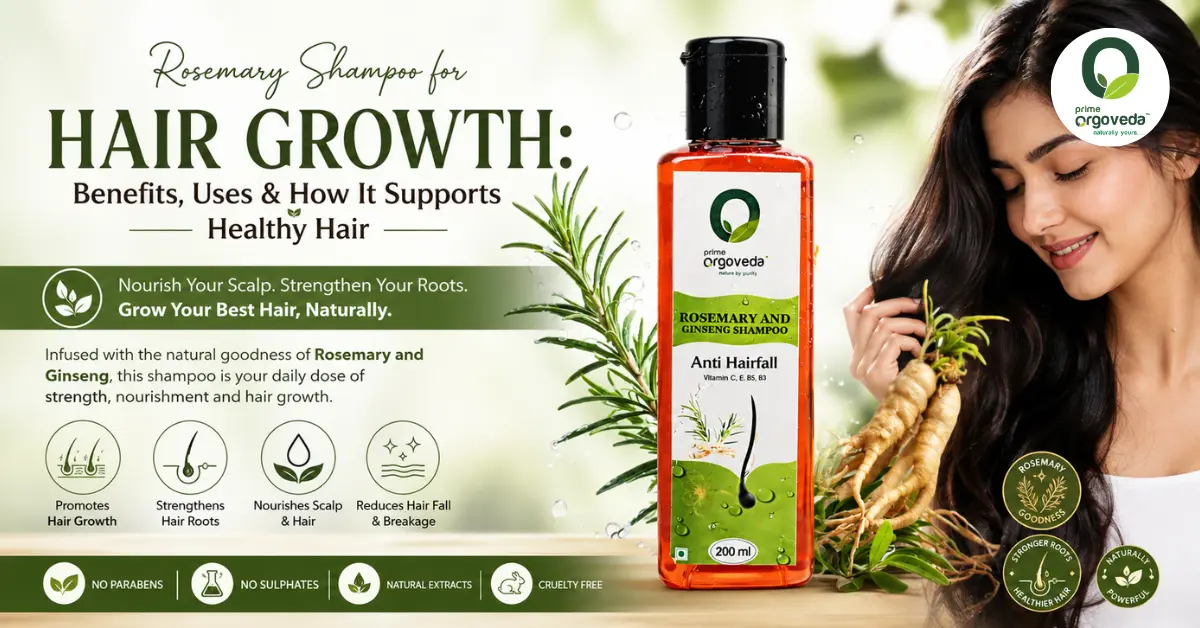
Healthy hair is closely connected to a healthy scalp and a consistent hair-care routine. Hair growth is a natural process influenced by several factors, including genetics, age, hormones, nutrition, stress, lifestyle, and scalp condition. While no single shampoo can guarantee faster hair growth, choosing the right shampoo can help maintain a clean, balanced, and well-nourished scalp—the foundation of healthy-looking hair.
Rosemary has become a popular ingredient in natural hair-care products because of its long-standing use in traditional beauty practices and its aromatic botanical properties. Rosemary shampoo combines rosemary with cleansing ingredients designed to remove excess oil, dirt, sweat, and product buildup while supporting everyday scalp and hair care.
For people looking to improve their hair-care routine, rosemary shampoo can be a convenient way to incorporate rosemary into regular cleansing. With consistent use and appropriate hair-care practices, it may help hair feel cleaner, stronger, smoother, and healthier-looking.
In this guide, we explore what rosemary shampoo is, its potential benefits, how to use it, how often to use it, and important considerations for incorporating it into your hair-care routine.
What Is Rosemary Shampoo?
Rosemary shampoo is a hair-cleansing product formulated with rosemary or rosemary-derived ingredients. Depending on the formulation, it may contain rosemary extract, rosemary leaf ingredients, rosemary essential oil, or other botanical components.
The primary purpose of shampoo is to cleanse the scalp and hair. A well-formulated rosemary shampoo can help remove excess oil, impurities, sweat, dead skin cells, and styling-product residue from the scalp and hair.
Rosemary is generally included as a botanical ingredient because of its traditional association with scalp and hair care. Many formulations combine rosemary with other ingredients selected to support cleansing, conditioning, moisture retention, and overall hair appearance.
It is important to understand that rosemary shampoo should be viewed as part of a broader hair-care routine rather than as a guaranteed treatment for hair loss or a replacement for medical care when significant hair loss occurs.
Why Is Rosemary Popular for Hair Care?
Rosemary has been used traditionally in personal care and herbal practices for generations. Its distinctive fragrance and botanical properties have made it a popular ingredient in modern hair and scalp products.
One reason rosemary attracts attention in hair care is its association with scalp wellness. A clean and well-maintained scalp provides a better environment for maintaining healthy-looking hair.
Rosemary also contains naturally occurring plant compounds that have antioxidant properties. Antioxidants can help protect cells from oxidative stress, although the effects of a particular cosmetic formulation depend on its ingredients, concentration, and how it is used.
Another advantage is its versatility. Rosemary can be incorporated into shampoos, scalp oils, conditioners, hair masks, and other personal-care products, making it easy to include in a regular routine.
Benefits of Rosemary Shampoo for Hair Growth
Rosemary shampoo can provide several hair and scalp-care benefits when used as part of a consistent routine. However, it is important to distinguish between supporting healthy hair and directly treating hair loss.
1. Helps Keep the Scalp Clean
A clean scalp is an important part of maintaining healthy hair. Shampoo helps remove excess sebum, sweat, dirt, dead skin cells, and styling-product buildup.
Regular cleansing can help prevent excessive buildup and leave the scalp feeling fresh and comfortable.
2. Supports a Healthy Scalp Environment
Healthy-looking hair begins with proper scalp care. Rosemary-based shampoo can be incorporated into a routine focused on keeping the scalp clean and well cared for.
A balanced cleansing routine may be particularly helpful for people whose scalp becomes oily or accumulates product residue.
3. Helps Hair Feel Stronger and Healthier
Hair that is exposed to excessive dryness, harsh treatments, heat styling, or frequent chemical processing can become fragile and prone to breakage.
A suitable shampoo, especially when combined with a moisturizing conditioner, can help maintain the overall appearance and manageability of the hair.
4. May Help Reduce the Appearance of Hair Breakage
Hair breakage is different from hair loss at the root. Gentle cleansing and appropriate conditioning can help minimize unnecessary mechanical stress on the hair shaft.
Using a shampoo that suits your hair type and avoiding excessive washing or aggressive rubbing can contribute to healthier-looking hair.
5. Supports a Consistent Hair-Care Routine
One of the most important aspects of hair care is consistency. A rosemary shampoo can make it easier to include rosemary-based care in your regular routine.
When combined with adequate nutrition, gentle styling practices, scalp care, and protection from excessive heat and chemical treatments, it can become part of a comprehensive approach to maintaining healthy-looking hair.
6. Provides a Refreshing Hair-Care Experience
Rosemary has a naturally fresh, herbal aroma that many people enjoy. This can make the shampooing process feel refreshing and pleasant while cleansing the scalp and hair.
How Does Rosemary Shampoo Support Healthy Hair?
Rosemary shampoo primarily supports hair health through regular cleansing and scalp care. Shampoo is designed to clean the scalp, while the specific botanical ingredients in the formulation can complement the overall hair-care experience.
A healthy hair-care routine generally involves:
- Keeping the scalp clean without excessive washing
- Choosing products appropriate for your hair and scalp type
- Avoiding excessive heat styling
- Minimizing unnecessary chemical treatments
- Using conditioner when appropriate
- Maintaining a balanced diet
- Handling wet hair gently
- Protecting hair from excessive environmental exposure
Rosemary shampoo can therefore be considered one component of a complete hair-care routine.
It is also important to remember that hair growth occurs from follicles beneath the scalp. A cosmetic shampoo primarily works on the scalp and hair surface and is rinsed away after use. Therefore, claims that a shampoo can dramatically accelerate hair growth should be approached cautiously.
Rosemary Shampoo for Hair Fall and Thinning Hair
Hair fall can occur for many different reasons. Temporary shedding may be associated with stress, nutritional deficiencies, illness, hormonal changes, lifestyle factors, or changes in the hair-growth cycle. Other forms of hair loss may be related to genetics, medical conditions, medications, or scalp disorders.
Rosemary shampoo may be useful as a supportive cleansing product, but it should not be considered a guaranteed solution for persistent or significant hair loss.
If you notice sudden hair loss, rapidly thinning areas, bald patches, scalp inflammation, severe itching, or persistent shedding, it is advisable to consult a dermatologist or qualified healthcare professional to identify the underlying cause.
For everyday hair care, using a gentle shampoo and avoiding excessive manipulation can help maintain the condition of existing hair. A healthy scalp-care routine may also help hair look cleaner, fuller, and more manageable.
How to Use Rosemary Shampoo for Best Results
Using shampoo correctly is just as important as choosing the right product.
Step 1: Wet Your Hair Thoroughly
Use comfortable, lukewarm water to completely wet your hair and scalp. Avoid extremely hot water, as it may contribute to dryness for some people.
Step 2: Apply an Appropriate Amount
Take a suitable amount of rosemary shampoo according to your hair length and thickness. There is generally no need to use excessive product.
Step 3: Massage the Scalp Gently
Apply the shampoo primarily to the scalp and massage gently using your fingertips.
Avoid using your fingernails or aggressively scratching the scalp, as this can cause unnecessary irritation.
Step 4: Rinse Thoroughly
Rinse your hair and scalp thoroughly with clean water until the shampoo has been completely removed.
Step 5: Condition the Hair if Needed
If your hair tends to be dry, rough, or tangled, follow with a suitable conditioner, focusing mainly on the lengths and ends.
Step 6: Dry Your Hair Gently
Avoid vigorous towel rubbing. Instead, gently squeeze out excess water and allow the hair to dry naturally when possible.
How Often Should You Use Rosemary Shampoo?
The ideal shampooing frequency depends on your scalp condition, hair type, lifestyle, and the specific formulation.
People with an oily scalp may prefer more frequent cleansing, while those with dry or curly hair may require less frequent washing.
There is no universal schedule that works for everyone. Start by following the product’s directions and observe how your scalp and hair respond.
If your scalp feels excessively dry, tight, irritated, or uncomfortable after washing, you may need to adjust your routine or choose a gentler formulation.
For best results, consistency is generally more important than washing excessively.
Rosemary Shampoo vs. Regular Shampoo
The main difference between rosemary shampoo and a conventional shampoo is the inclusion of rosemary as a featured botanical ingredient.
| Feature | Rosemary Shampoo | Regular Shampoo |
| Primary purpose | Cleanses hair and scalp | Cleanses hair and scalp |
| Featured ingredient | Rosemary or rosemary-derived ingredients | Varies by formulation |
| Scalp care | May support a botanical scalp-care routine | Depends on ingredients |
| Fragrance | Often has a fresh herbal aroma | Varies by product |
| Suitable use | Depends on individual hair and scalp needs | Depends on individual hair and scalp needs |
Neither category is automatically better for everyone. The best shampoo is one that effectively cleanses your scalp while leaving your hair comfortable, manageable, and appropriately moisturized.
Who Can Use Rosemary Shampoo?
Rosemary shampoo may be suitable for many adults who want to include a rosemary-based product in their regular hair-care routine.
It may be considered by people looking for:
- A botanical shampoo for everyday cleansing
- A product focused on scalp and hair care
- A refreshing herbal hair-care experience
- Support for maintaining clean, healthy-looking hair
- A shampoo suitable for a consistent natural-inspired hair-care routine
However, individual tolerance can vary. People with sensitive scalps or known allergies to particular ingredients should carefully review the product’s ingredient list before use.
If you have an existing scalp condition or unexplained hair loss, seek professional advice rather than relying solely on cosmetic products.
Tips to Support Healthy Hair Growth Naturally
Healthy hair depends on more than shampoo. Consider these everyday habits:
Eat a Balanced Diet
Adequate protein, vitamins, minerals, healthy fats, and overall balanced nutrition support normal body functions, including those involved in maintaining hair.
Stay Hydrated
Drinking enough fluids throughout the day supports overall health. Hydration alone does not guarantee hair growth, but it is an important part of a healthy lifestyle.
Avoid Excessive Heat
Frequent use of high-heat styling tools can damage the hair shaft. Use heat-protection products and moderate temperatures when heat styling is necessary.
Be Gentle With Wet Hair
Wet hair can be more vulnerable to breakage. Handle it gently and avoid aggressive brushing immediately after washing.
Limit Harsh Chemical Treatments
Frequent bleaching, straightening, relaxing, and other chemical treatments can weaken the hair shaft over time.
Manage Stress
Long-term stress can affect the hair-growth cycle in some people. Adequate sleep, physical activity, relaxation, and healthy lifestyle habits can support overall well-being.
Protect Your Hair From Environmental Stress
Excessive sun exposure, pollution, dust, and other environmental factors can affect hair quality. Appropriate protection and regular cleansing can help maintain hair condition.
Things to Consider Before Using Rosemary Shampoo
Before adding a rosemary shampoo to your routine, consider the following:
Check the ingredient list: Rosemary shampoo formulations can vary significantly. Look at all ingredients, particularly if you have sensitive skin or known allergies.
Perform a patch test when appropriate: If you are trying a new product and have sensitive skin, consider testing a small amount according to the product’s instructions before regular use.
Choose according to your hair type: Dry, oily, curly, straight, fine, and chemically treated hair may have different cleansing and conditioning requirements.
Do not expect instant results: Hair growth is a gradual biological process. Cosmetic products should not be expected to produce overnight changes.
Understand the difference between hair growth and hair breakage: A product may help improve the appearance and condition of the hair without necessarily changing the underlying rate of follicle growth.
Pay attention to scalp reactions: Stop using the product if you experience significant irritation, burning, swelling, or an allergic reaction and seek appropriate medical advice.
Seek professional advice for persistent hair loss: Significant or unexplained hair loss can have many causes and may require proper diagnosis.
Conclusion
Rosemary shampoo can be a useful addition to a well-rounded hair-care routine, particularly for people who enjoy botanical ingredients and want a refreshing shampoo focused on scalp and hair cleansing.
Its primary role is to cleanse the scalp and hair while incorporating rosemary into everyday hair care. By helping maintain a clean scalp and supporting good hair-care habits, it can contribute to hair that looks fresh, manageable, and healthy.
However, rosemary shampoo should not be viewed as a guaranteed treatment for hair loss or a substitute for professional medical care. Hair growth is influenced by genetics, hormones, nutrition, health, lifestyle, and many other factors.
For the best approach, combine appropriate hair-care products with a balanced diet, gentle hair-handling practices, scalp care, and professional guidance when persistent or unusual hair loss occurs.
Frequently Asked Questions (FAQs)
1. Is rosemary shampoo good for hair growth?
Rosemary shampoo can be part of a healthy hair-care routine and may support a clean, well-maintained scalp. However, it should not be considered a guaranteed method for increasing hair growth.
2. Can rosemary shampoo help with hair fall?
Rosemary shampoo may support general scalp and hair care, but hair fall can have many underlying causes. Persistent or excessive hair shedding should be evaluated by a healthcare professional.
3. How often should I use rosemary shampoo?
The ideal frequency depends on your scalp and hair type. Follow the product instructions and adjust your routine based on how your hair and scalp respond.
4. Can I use rosemary shampoo every day?
Some formulations may be suitable for frequent use, while others may not be. Check the manufacturer’s instructions and consider your scalp’s individual needs before using it daily.
5. Does rosemary shampoo make hair thicker?
Rosemary shampoo may help hair look cleaner, healthier, and more manageable, but it cannot be guaranteed to increase the actual thickness of individual hair strands.
6. Can rosemary shampoo help with thinning hair?
It can be included in a supportive hair-care routine for thinning-looking hair, but thinning hair can have several causes. If thinning is persistent or progressive, consult a dermatologist.
7. Is rosemary shampoo suitable for men and women?
Generally, rosemary shampoo can be used by both men and women, provided the formulation is suitable for their individual hair and scalp needs.
8. Can rosemary shampoo be used on oily hair?
A rosemary shampoo may be suitable for oily hair if its cleansing properties match the individual’s scalp needs. However, excessive washing can sometimes contribute to dryness or irritation.
9. Can people with dry hair use rosemary shampoo?
People with dry hair can use rosemary shampoo if the formulation is appropriate for their hair type. Following shampooing with a suitable conditioner can help improve softness and manageability.
10. Does rosemary shampoo help with dandruff?
A shampoo containing rosemary may help keep the scalp clean, but dandruff can have specific underlying causes that may require targeted treatment. Persistent dandruff should be discussed with a healthcare professional.
11. How long does rosemary shampoo take to show results?
There is no universal timeline for noticeable results. Hair appearance and scalp condition can change gradually, and results depend on the product, individual hair characteristics, and overall routine.
12. Can rosemary shampoo reduce hair breakage?
A suitable shampoo combined with gentle hair care may help minimize factors that contribute to breakage. However, breakage can also result from heat, chemical treatments, friction, dryness, and mechanical stress.
13. Is rosemary shampoo safe for sensitive scalps?
Safety depends on the complete formulation and individual sensitivity. People with sensitive scalps should review the ingredients carefully and discontinue use if irritation develops.
14. Can I use rosemary shampoo with other hair-care products?
Yes. Rosemary shampoo can generally be incorporated into a broader hair-care routine that includes conditioner, hair masks, scalp-care products, and other suitable products. Introduce new products gradually if you have a sensitive scalp.
15. What should I do if I experience excessive hair loss?
If you experience sudden, severe, persistent, or unexplained hair loss, consult a dermatologist or qualified healthcare professional. Identifying the underlying cause is important before choosing a treatment.


 Agarbatti
 Computer Loban
 Dhoop Sticks
 Dhoop Cones
 Loban Powder
 Dhoop Cups
 Soap
Soap Facewash
 Shampoo