
Blog
Best Sambrani for Hair: Benefits, Traditional Uses & How to Use It

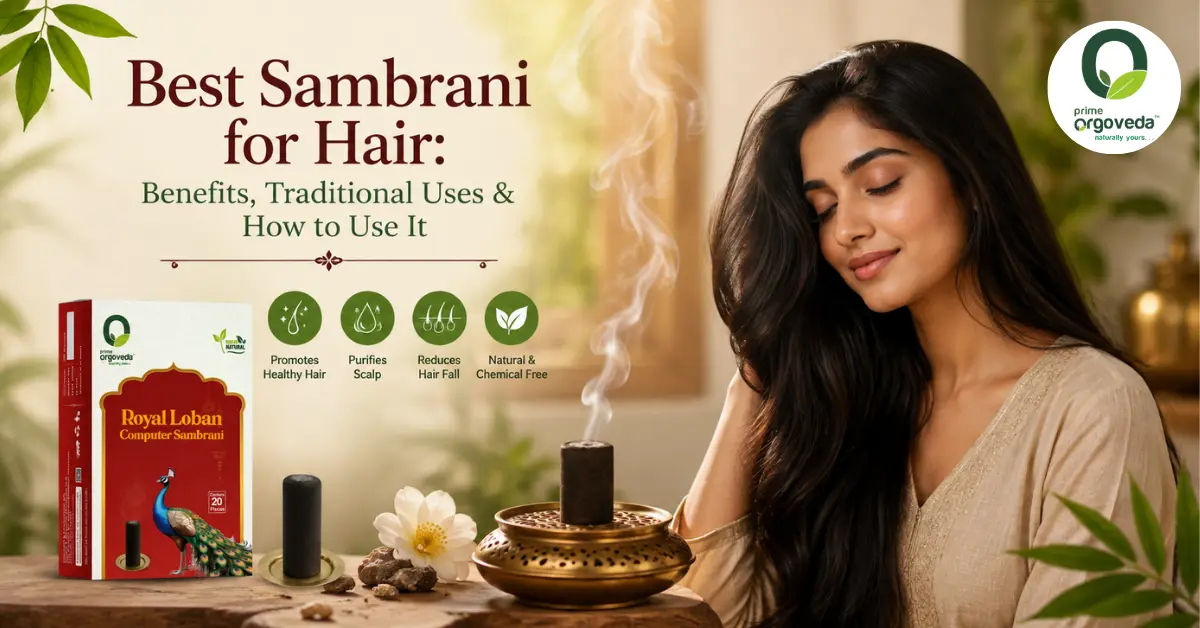
For generations, natural ingredients have played an important role in traditional Indian personal-care practices. Among these, Sambrani has a distinctive place because of its aromatic qualities and long-standing association with household rituals, wellness traditions, and traditional hair-care practices.
Sambrani is commonly known for its rich, warm fragrance when gently heated. In some traditional routines, its fragrant smoke is allowed to come into contact with freshly washed or damp hair. This practice is valued primarily for the sensory experience, pleasant aroma, and connection to traditional self-care.
Today, interest in natural and traditional hair-care routines has encouraged many people to explore Sambrani as part of their personal-care practices. However, it is important to distinguish traditional use from scientifically proven hair treatments. Sambrani should not be considered a medically established treatment for hair loss, baldness, or scalp disorders.
So, what is the best Sambrani for hair? How is it traditionally used? And what should you consider before adding it to your hair-care routine?
This guide explores everything you need to know about Sambrani for hair, from its traditional uses and varieties to practical usage tips and precautions.
What Is Sambrani?
Sambrani is a traditional aromatic resin that is commonly burned to release a distinctive fragrance. Depending on the region and product, the term may refer to natural resin, processed Sambrani, powder, or specially prepared aromatic blends.
It has been used in Indian households for generations, particularly during traditional ceremonies and spiritual practices. Its pleasant, characteristic aroma has also made it popular in traditional personal-care routines.
Sambrani products available today can vary significantly in composition. Some contain natural resin, while others may be blended with herbs or aromatic ingredients.
When choosing Sambrani for hair-related use, it is therefore important to understand what the product contains, how it is processed, and whether it is specifically intended for the particular use you have in mind.
What Makes Sambrani Popular in Indian Hair Care?
Traditional hair care in India often focuses on simple routines involving natural ingredients, oils, herbs, flowers, and aromatic substances. Sambrani fits into this broader tradition because of its fragrance and cultural history.
One traditional practice involves exposing hair to the gentle fragrance of Sambrani after bathing. The warm aromatic smoke is traditionally believed to help leave the hair pleasantly scented.
Its popularity can be attributed to several factors:
- Long-standing traditional use
- Distinctive natural fragrance
- Association with post-bath hair-care rituals
- Simple traditional application
- Growing interest in natural personal-care practices
- Cultural familiarity across different parts of India
While these qualities explain its popularity, they should not be interpreted as proof that Sambrani can directly stimulate hair growth or cure hair loss.
Types of Sambrani Used for Traditional Hair Care
Sambrani products can come in different forms. Understanding these varieties can help you choose a product that fits your intended use.
Sambrani Resin
Natural Sambrani resin is the traditional raw form. When heated appropriately, it produces a characteristic aromatic smoke.
For traditional hair-fragrance practices, resin is often preferred by people who want a more authentic experience.
Sambrani Powder
Sambrani powder is a processed form that is easier to measure and use. Depending on the product, it may contain powdered resin or a mixture of aromatic natural ingredients.
Always check the ingredient list before using a powder directly around the hair or scalp.
Herbal Sambrani Blends
Some products combine Sambrani with herbs and other aromatic botanical ingredients. These blends are marketed for a more elaborate traditional experience.
The composition can differ considerably between products, so reading the label is especially important.
Natural Aromatic Blends
Certain Sambrani products are formulated with multiple natural aromatic materials to create a particular fragrance profile.
For hair-related use, avoid assuming that a product is suitable simply because it is described as “natural.” Natural does not automatically mean suitable for direct skin or scalp application.
Best Sambrani for Hair: How to Choose the Right Type
Choosing the best Sambrani for hair is less about selecting the strongest fragrance and more about selecting a clean, appropriately processed, clearly labelled product from a reliable source.
Consider the following factors:
1. Check the Ingredients
Look for products with clearly stated ingredients. Avoid products with undisclosed compositions, particularly if you intend to use them around your scalp.
2. Prefer Quality Natural Materials
If your goal is a traditional Sambrani experience, choose a product made with quality aromatic ingredients rather than one selected solely because it produces a large amount of smoke.
3. Consider the Fragrance
A strong fragrance is not necessarily a sign of better quality. Choose an aroma that feels pleasant and comfortable to you.
4. Look for Clear Usage Instructions
A trustworthy product should provide appropriate directions for use. Follow the manufacturer’s instructions rather than experimenting with concentrated smoke or direct application.
5. Avoid Unnecessary Additives
If you have sensitive skin or scalp, simpler formulations may be preferable. Avoid products containing ingredients that you already know irritate you.
6. Choose a Reputable Brand
Product quality and formulation can vary widely. Buy from a reputable manufacturer that provides transparent product information.
Traditional Benefits of Sambrani for Hair
Sambrani has several traditional associations with hair care, but it is important to describe these benefits accurately.
Pleasant Hair Fragrance
One of the primary reasons Sambrani is traditionally used around hair is its distinctive aroma. After bathing, exposure to its fragrance may leave the hair smelling pleasantly aromatic.
Traditional Post-Bath Hair Ritual
In some households, Sambrani forms part of a traditional post-bath routine. The practice is valued as a cultural and sensory ritual rather than as a clinically proven hair treatment.
A Relaxing Aromatic Experience
Fragrance can contribute to a pleasant self-care experience. For some people, traditional aromatic practices may make their hair-care routine feel more relaxing and enjoyable.
Cultural Connection
Sambrani has a strong connection with Indian traditions and household rituals. Incorporating it into personal care can preserve and continue practices passed down through generations.
Important: There is currently insufficient high-quality clinical evidence to conclude that Sambrani directly increases hair growth, reverses hair loss, or treats scalp diseases.
Sambrani for Hair Growth: What You Should Know
“Does Sambrani help hair growth?” is one of the most common questions people have when exploring Sambrani for hair care.
The answer requires some caution.
Although Sambrani has a long history of traditional use, traditional use alone does not establish that it stimulates new hair growth. Hair growth is influenced by genetics, hormones, nutrition, age, stress, medications, and scalp health.
There is not enough reliable clinical evidence to recommend Sambrani as a proven hair-growth treatment.
If you are experiencing persistent thinning or noticeable hair loss, identifying the underlying cause is more important than relying on a traditional aromatic practice.
Sambrani may be incorporated into a personal-care routine for its fragrance and cultural value, but it should not replace professional evaluation or evidence-based treatment when hair loss is significant.
Sambrani for Hair Fall: Traditional Uses & Considerations
Hair fall is a common concern, and people often explore traditional ingredients before considering other options.
Sambrani is sometimes associated with traditional hair-care routines intended to maintain clean, fresh-smelling hair. However, there is no strong clinical evidence establishing Sambrani as a treatment for hair fall.
Hair shedding can occur for many reasons, including:
- Nutritional deficiencies
- Stress
- Hormonal changes
- Genetic factors
- Certain illnesses
- Scalp conditions
- Medication-related effects
- Excessive chemical or heat treatments
If hair fall is sudden, severe, persistent, or accompanied by scalp irritation, it is advisable to consult a qualified healthcare professional or dermatologist.
A traditional Sambrani routine can be viewed as a complementary personal-care practice—not a substitute for diagnosing the cause of hair loss.
How to Use Sambrani for Hair
Traditional methods of using Sambrani generally focus on its aromatic smoke rather than applying burning material directly to the hair or scalp.
Traditional Sambrani Smoke Method
- Wash your hair according to your normal routine.
- Allow excess water to drain naturally.
- Prepare the Sambrani using a suitable heat-resistant holder according to the product instructions.
- Keep the Sambrani at a safe distance from your hair.
- Allow the gentle fragrance to surround the hair briefly.
- Avoid exposing the hair or scalp to excessive heat or dense smoke.
- Stop immediately if you experience discomfort, coughing, burning, itching, or irritation.
An Important Safety Point
Never bring burning Sambrani, hot embers, or a heated container directly against your hair or scalp.
Hair is flammable, and excessive heat can damage the hair shaft or cause burns. Always use a stable heat-resistant vessel and keep combustible materials away from the burning source.
Sambrani smoke should also be used in a well-ventilated area, particularly because smoke can irritate the eyes and respiratory system.
How Often Can You Use Sambrani for Hair?
There is no scientifically established frequency that can be recommended specifically for promoting hair growth or preventing hair fall.
If you use Sambrani as a traditional aromatic hair-care practice, moderation is sensible.
You may consider using it occasionally rather than exposing your hair and scalp to smoke frequently. Pay attention to how your hair, scalp, eyes, and breathing respond.
If you experience:
- Scalp dryness
- Itching
- Burning
- Eye irritation
- Headache
- Coughing
- Breathing discomfort
Stop using the practice.
The ideal frequency depends on individual tolerance and the specific product instructions.
Sambrani for Different Hair Types
Different hair types can respond differently to heat, smoke, fragrances, and hair-care products.
Dry Hair
If your hair is already dry or brittle, avoid excessive heat and prolonged exposure to smoke. Focus on moisturizing and conditioning practices alongside any traditional aromatic routine.
Oily Hair
People with oily hair may enjoy Sambrani primarily for its fragrance after washing. However, Sambrani should not be considered a replacement for appropriate scalp cleansing.
Normal Hair
Those with relatively balanced hair and scalp conditions may incorporate occasional Sambrani use into a traditional post-bath routine if they tolerate the fragrance comfortably.
Sensitive Scalp
Extra caution is recommended for sensitive scalps. Avoid direct application of Sambrani products unless the product is specifically formulated and labelled for that purpose.
A patch test may be appropriate for products designed for topical use, following the manufacturer’s instructions.
Sambrani for Scalp Care: Traditional Practices
A healthy scalp is an important foundation for healthy-looking hair. Traditional Indian hair care often combines cleansing, oiling, herbal ingredients, and aromatic practices.
Sambrani can be incorporated into such routines primarily as an aromatic element.
However, smoke should not be considered a substitute for scalp hygiene.
A simple scalp-care routine can include:
- Regular cleansing appropriate for your scalp type
- Gentle handling of wet hair
- Avoiding excessive heat
- Maintaining a balanced diet
- Limiting unnecessary chemical treatments
- Keeping combs and hair accessories clean
- Seeking professional advice for persistent scalp problems
If you have dandruff, persistent itching, redness, sores, or other scalp concerns, it is better to identify the underlying issue rather than relying solely on traditional smoke-based practices.
Sambrani vs. Other Traditional Hair-Care Ingredients
Sambrani is different from many traditional hair-care ingredients because its primary role is aromatic rather than nutritional or conditioning.
| Sambrani | Aromatic hair-care rituals | Distinctive fragrance |
| Coconut Oil | Hair oiling and conditioning | Emollient and moisturizing feel |
| Amla | Traditional hair care | Fruit-based botanical ingredient |
| Fenugreek | Traditional hair masks | Commonly used in herbal routines |
| Hibiscus | Traditional hair masks | Botanical hair-care ingredient |
| Neem | Traditional scalp-care practices | Traditionally associated with cleansing |
Each ingredient serves a different purpose. Sambrani should therefore not necessarily be compared with oils or herbal hair masks as though they perform the same function.
Precautions When Using Sambrani for Hair
Although Sambrani is traditionally used in many households, burning aromatic materials requires appropriate care.
Keep It Away from Hair and Skin
Never place hot Sambrani, embers, or burning material directly on the head.
Avoid Excessive Smoke
More smoke does not mean greater benefit. Excessive smoke can irritate the eyes, nose, throat, and lungs.
Ensure Proper Ventilation
Use Sambrani in an adequately ventilated environment.
Keep Away from Children and Pets
Hot charcoal, burning resin, and heated containers can cause serious burns.
Be Careful Around Flammable Materials
Keep curtains, clothing, paper, hair products, and other combustible materials away from the burning source.
Stop If Irritation Occurs
Discontinue use if you notice scalp irritation, eye discomfort, coughing, dizziness, or breathing difficulties.
Follow Product Instructions
Different Sambrani products may have different formulations and usage recommendations. Always follow the instructions supplied with the specific product.
Common Mistakes to Avoid When Using Sambrani
Using Sambrani incorrectly can turn a traditional practice into an uncomfortable or unsafe experience.
Mistake 1: Holding Burning Sambrani Too Close to Hair
Excessive heat can damage hair and create a fire hazard.
Mistake 2: Using Too Much Sambrani
A larger quantity does not necessarily provide greater benefit. Excess smoke may simply increase irritation.
Mistake 3: Using It in a Closed Room
Poor ventilation can cause smoke to accumulate.
Mistake 4: Applying Ordinary Sambrani Directly to the Scalp
Not every Sambrani product is designed for topical application. Follow the product’s intended use.
Mistake 5: Expecting It to Cure Hair Loss
Sambrani is not a clinically established treatment for genetic hair loss, severe shedding, or scalp disease.
Mistake 6: Ignoring Scalp Problems
Persistent itching, inflammation, excessive dandruff, or sudden hair loss should not be ignored.
Final Thoughts
Sambrani represents an interesting connection between traditional Indian practices, natural fragrance, and personal care. For many people, its value lies in the sensory experience and cultural tradition associated with its use.
When choosing the best Sambrani for hair, prioritize quality, clear ingredients, appropriate formulation, responsible usage, and safety rather than simply choosing the strongest-smelling product.
Sambrani can be incorporated into an occasional traditional hair-care ritual, particularly for those who appreciate its characteristic aroma. However, claims surrounding hair growth and hair-fall prevention should be viewed carefully because scientific evidence supporting these specific benefits remains limited.
Ultimately, healthy-looking hair depends on a combination of appropriate hair care, scalp hygiene, nutrition, lifestyle factors, and—when necessary—professional guidance.
Frequently Asked Questions (FAQs)
1. Is Sambrani good for hair?
Sambrani has a long history of traditional use in Indian hair-care rituals, particularly for its fragrance. However, there is insufficient scientific evidence to establish it as a treatment for hair growth or hair loss.
2. Which Sambrani is best for hair?
A good choice is a quality product with clearly listed ingredients and appropriate usage instructions. Choose based on product quality and intended use rather than fragrance strength alone.
3. Can Sambrani help with hair growth?
There is currently insufficient clinical evidence to confirm that Sambrani directly promotes hair growth. It is better regarded as a traditional aromatic hair-care practice.
4. Can Sambrani reduce hair fall?
Sambrani has not been scientifically established as a treatment for hair fall. Persistent or excessive hair shedding may have an underlying cause that requires professional evaluation.
5. Can I apply Sambrani powder directly to my scalp?
Do not assume that all Sambrani powders are suitable for direct scalp application. Only use a product topically if the manufacturer specifically indicates that it is intended for such use.
6. How do I traditionally use Sambrani for hair?
A traditional approach involves gently exposing freshly washed hair to Sambrani’s fragrance from a safe distance. Avoid excessive smoke, heat, and direct contact with burning material.
7. Can Sambrani be used on all hair types?
People with different hair types may tolerate occasional aromatic use differently. Those with dry, damaged, or sensitive hair and scalp should be particularly cautious about heat and smoke exposure.
8. Is Sambrani smoke safe for hair?
Excessive heat and smoke can irritate the scalp, eyes, and respiratory system. Use Sambrani cautiously, maintain a safe distance, and ensure adequate ventilation.
9. Can I use Sambrani every day for hair?
Daily use is not necessary based on established evidence. Occasional use is more appropriate for a traditional aromatic routine, provided you tolerate it well and follow the product instructions.
10. Does Sambrani permanently stop hair fall?
No. Sambrani should not be promoted as a permanent solution for hair fall. Hair loss can have many causes, and persistent shedding should be professionally assessed.
11. Can Sambrani make hair smell good?
Its distinctive aromatic smoke can leave hair pleasantly scented, which is one reason it has traditionally been incorporated into post-bath hair-care practices.
12. What should I look for when buying Sambrani?
Look for clearly labelled ingredients, reliable sourcing, appropriate usage instructions, and a reputable manufacturer. Avoid products with unclear formulations, especially when they are intended for use around the scalp.


 Agarbatti
 Computer Loban
 Dhoop Sticks
 Dhoop Cones
 Loban Powder
 Dhoop Cups
 Soap
Soap Facewash
 Shampoo