
Blog
Best Shampoo for Hair Fall: A Complete Guide to Healthier, Stronger Hair

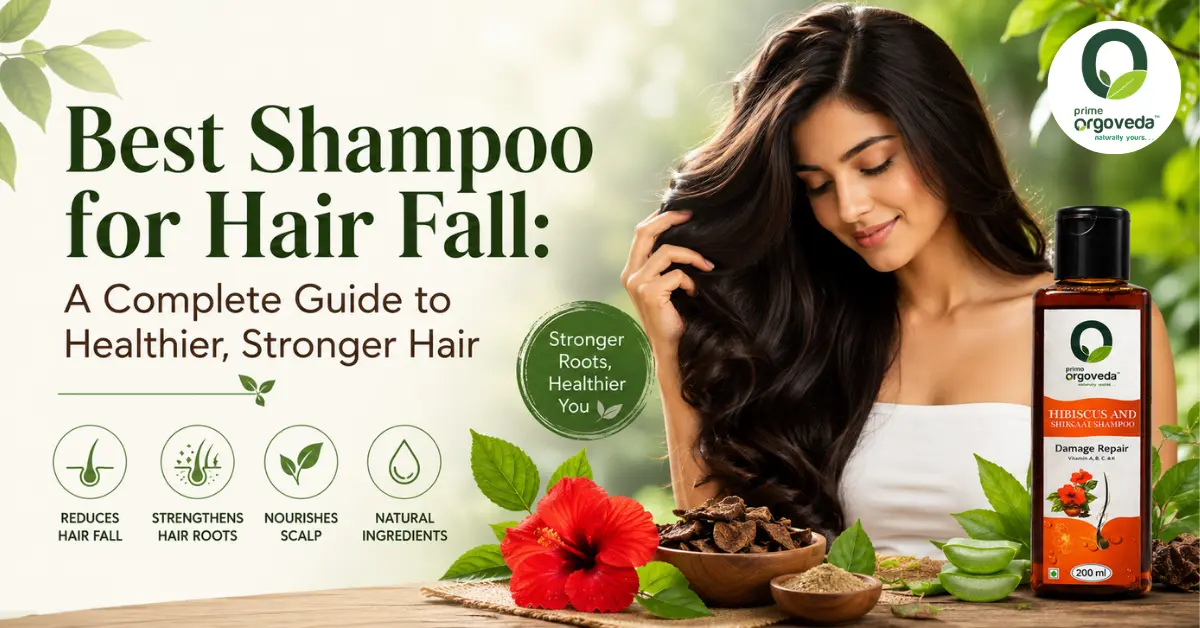
Hair fall is one of the most common hair concerns faced by both men and women. Seeing more hair on your comb, pillow, bathroom floor, or shower drain can be worrying, especially when it becomes a regular occurrence. While some amount of daily hair shedding is normal, excessive shedding or increased hair breakage may indicate that your hair or scalp needs more attention.
Choosing the best shampoo for hair fall can be an important part of a healthy hair-care routine. A suitable shampoo can help cleanse the scalp, remove excess oil and buildup, maintain scalp hygiene, and keep the hair feeling clean and manageable. However, shampoo is only one part of overall hair care. Hair fall can have many different causes, including lifestyle factors, nutritional deficiencies, hormonal changes, stress, scalp conditions, genetics, and certain health conditions.
This complete guide explains how to choose a suitable shampoo for hair fall, which ingredients to look for, how to wash your hair correctly, common mistakes to avoid, and how to build a simple routine for healthier-looking, stronger hair.
Understanding Hair Fall and Hair Care
Hair naturally goes through different stages of growth, rest, and shedding. Losing some hair every day is therefore a normal part of the hair-growth cycle. However, noticeable changes in shedding, thinning, or breakage may require closer attention.
Hair fall and hair breakage are not always the same thing. Hair shedding occurs when a hair naturally leaves the scalp, while hair breakage happens when the hair shaft becomes weak and breaks along its length.
A good hair-care routine should focus on both the scalp and the hair strands. The right shampoo can help maintain a clean and comfortable scalp while removing excess oil, sweat, dirt, and product buildup.
When searching for the best shampoo for hair fall, it is important to look beyond marketing claims. Consider your scalp type, hair condition, ingredients, cleansing strength, and how frequently you wash your hair.
A shampoo should ideally complement your overall hair-care routine rather than be viewed as a standalone solution for every type of hair loss.
What Causes Hair Fall?
Hair fall can occur for many reasons, and the cause can vary from person to person. Understanding possible contributing factors can help you choose an appropriate hair-care routine.
Common Causes of Hair Fall
Some common factors associated with increased hair shedding or thinning include:
- Hereditary or genetic factors
- Stress and emotional strain
- Poor dietary habits
- Certain nutritional deficiencies
- Hormonal changes
- Illness or recovery from illness
- Certain medications
- Scalp conditions
- Excessive heat styling
- Frequent chemical treatments
- Tight hairstyles
- Rough brushing or combing
- Excessive hair manipulation
- Poor scalp hygiene
Lifestyle and Environmental Factors
Everyday habits can also influence the appearance and condition of your hair. Pollution, dust, sun exposure, excessive heat, inadequate sleep, dehydration, and an unbalanced diet may contribute to hair looking dry, dull, or weak.
Regular cleansing and gentle hair care can help minimize unnecessary buildup and reduce avoidable damage.
Stress, Diet, and Hair Health
Stress can affect the normal hair-growth cycle in some people. Similarly, consistently inadequate nutrition can affect the availability of nutrients needed for normal hair growth and maintenance.
A balanced diet containing adequate protein, vitamins, minerals, healthy fats, fruits, vegetables, and whole grains can support overall hair health.
If hair fall is sudden, severe, persistent, or accompanied by other symptoms, it is better to seek professional advice rather than relying only on shampoo.
Can Shampoo Help Reduce Hair Fall?
One of the most common questions is whether shampoo can actually reduce hair fall.
The answer depends on the reason behind the hair concern.
A suitable shampoo can support scalp cleanliness and hair condition. It may help remove excess oil, sweat, dirt, and product buildup while providing a comfortable cleansing experience. A gentle formula can also help reduce unnecessary dryness and friction that may contribute to hair breakage.
However, shampoo cannot address every underlying cause of hair loss.
For example, hair thinning caused by hereditary factors, hormonal changes, nutritional deficiencies, medical conditions, or certain medications may require professional evaluation and treatment.
Therefore, the best shampoo for hair fall should be considered as part of a broader hair-care routine rather than a guaranteed treatment for hair loss.
Shampoo Can Help With:
- Maintaining scalp hygiene
- Removing excess oil and buildup
- Keeping hair clean and manageable
- Supporting a healthy scalp environment
- Reducing avoidable hair breakage when used gently
- Improving the overall feel and appearance of hair
Shampoo Cannot Guarantee:
- Permanent prevention of hair loss
- Treatment of every cause of hair thinning
- Instant hair regrowth
- A cure for an underlying medical condition
The key is to choose a shampoo that suits your scalp and hair type and use it consistently as part of appropriate hair care.
What to Look for in the Best Shampoo for Hair Fall
Selecting a shampoo can be confusing because there are countless products available. Instead of choosing solely based on attractive packaging or bold claims, pay attention to the formula and how it suits your individual needs.
1. Gentle Cleansing
A shampoo should effectively cleanse the scalp without leaving it feeling excessively dry or uncomfortable.
If your scalp becomes tight, itchy, or unusually dry after washing, the formula may be too harsh for your needs.
2. Scalp-Friendly Ingredients
Look for ingredients that are appropriate for your scalp condition and hair type. Botanical ingredients, conditioning agents, and moisturizing ingredients may be useful depending on the formulation.
3. Hair-Strengthening Support
Ingredients designed to condition and protect the hair shaft can help improve manageability and reduce the likelihood of avoidable breakage caused by rough handling.
4. Suitable for Your Hair Type
The best shampoo for one person may not be the best choice for another. Dry hair may need a more moisturizing formula, while an oily scalp may require effective cleansing without excessive stripping.
5. A Formula You Can Use Comfortably
A shampoo that fits naturally into your routine is more useful than one that leaves your scalp uncomfortable. Consider fragrance, texture, cleansing strength, and your individual preferences when selecting a product.
Best Ingredients to Look for in a Hair Fall Shampoo
Ingredients are an important consideration when choosing a shampoo for hair fall. Different ingredients serve different purposes, and their effects depend on the overall formulation.
Rosemary
Rosemary is a popular botanical ingredient in modern hair-care products. It is commonly used in formulations designed to support scalp and hair care.
When included in a shampoo, rosemary can contribute to a refreshing botanical hair-care experience.
Ginseng
Ginseng is traditionally valued in personal-care and wellness practices. In hair-care formulations, it is commonly included in products designed to nourish and condition the scalp and hair.
Aloe Vera
Aloe vera is widely used in skincare and hair-care products because of its soothing and moisturizing properties. It can be particularly appealing for hair-care formulas intended to provide a gentle cleansing experience.
Biotin
Biotin is an important nutrient involved in normal metabolic processes. It is frequently featured in hair-care products, although topical biotin in shampoo should not be viewed as a guaranteed solution for hair loss.
A balanced diet and adequate nutrition remain important for overall health.
Caffeine
Caffeine is used in a variety of scalp and hair-care formulations. It is often included in products marketed for hair-strengthening and scalp-care purposes.
Neem and Other Botanical Ingredients
Neem and other plant-based ingredients are traditionally used in personal care. Depending on the formulation, they may contribute to scalp cleansing and overall hair-care benefits.
Important Note About Ingredients
An ingredient list alone does not determine whether a shampoo will work for everyone. The concentration, formulation, combination of ingredients, frequency of use, and individual scalp condition all matter.
Best Shampoo for Different Hair Types
There is no single shampoo that is universally the best shampoo for hair fall. Your scalp condition and hair type should influence your choice.
Shampoo for Dry and Damaged Hair
Dry or damaged hair may benefit from a gentle cleansing formula containing conditioning and moisturizing ingredients.
Avoid excessive washing and harsh handling, particularly if your hair is already brittle.
Shampoo for Oily Scalp
An oily scalp may require regular cleansing to remove excess sebum and buildup. Choose a shampoo that provides effective cleansing without leaving your scalp excessively dry.
Shampoo for Normal Hair
If your scalp is neither excessively oily nor dry, a balanced everyday shampoo may be sufficient.
Look for a formula that cleanses comfortably while maintaining good hair manageability.
Shampoo for Thin and Weak Hair
If your hair appears thin or fragile, focus on gentle cleansing and minimizing mechanical damage.
Avoid vigorous scrubbing, aggressive towel drying, and excessive heat styling.
Shampoo for Dandruff-Prone Scalp
If you experience persistent dandruff, flakes, redness, or itching, a shampoo specifically formulated for dandruff may be more appropriate than a general hair-fall shampoo.
Persistent scalp symptoms should be discussed with a healthcare professional.
How to Choose the Best Shampoo for Hair Fall
Choosing the right shampoo becomes easier when you follow a few simple steps.
Step 1: Identify Your Scalp Type
Determine whether your scalp is:
- Oily
- Dry
- Normal
- Sensitive
- Dandruff-prone
Your scalp type is often more important than your hair length when choosing a shampoo.
Step 2: Consider Your Hair Condition
Think about whether your hair is:
- Dry
- Rough
- Frizzy
- Chemically treated
- Damaged
- Thin-looking
- Prone to breakage
Step 3: Read the Ingredient List
Look for ingredients that match your hair-care goals. Avoid choosing a product simply because an ingredient is trending.
Step 4: Consider Your Washing Frequency
Someone who washes their hair frequently may prefer a gentler cleansing formula, while someone with a very oily scalp may need a formula designed for more effective cleansing.
Step 5: Pay Attention to How Your Scalp Responds
Your scalp can tell you a lot. If a shampoo consistently causes discomfort, excessive dryness, irritation, or increased flaking, consider changing your routine and seeking professional advice if symptoms persist.
How to Use Shampoo Correctly to Support Healthy Hair
Even a good shampoo may not deliver the best experience if it is used incorrectly.
Follow these steps for a gentle and effective hair-washing routine.
Step 1: Wet Your Hair Thoroughly
Use lukewarm or comfortably warm water to completely wet the scalp and hair.
Step 2: Use an Appropriate Amount of Shampoo
You do not necessarily need a large amount of shampoo. Start with a moderate quantity and adjust according to your hair length and scalp needs.
Step 3: Apply Mainly to the Scalp
Gently massage the shampoo into the scalp using your fingertips.
Avoid scratching the scalp with your fingernails.
Step 4: Massage Gently
Use gentle circular movements rather than aggressive rubbing. Excessive friction can contribute to hair tangling and breakage.
Step 5: Rinse Thoroughly
Make sure the shampoo is completely rinsed out.
Step 6: Condition the Hair When Appropriate
Apply conditioner mainly to the mid-lengths and ends if your hair needs additional softness and manageability.
Step 7: Dry Gently
Avoid vigorous towel rubbing. Instead, gently squeeze excess water from the hair and allow it to dry naturally when possible.
Common Hair Washing Mistakes That May Affect Hair Health
Sometimes the problem is not the shampoo itself but the way it is being used.
Mistake 1: Using Too Much Shampoo
More shampoo does not necessarily mean cleaner hair. Excessive product can be wasteful and may leave the hair feeling dry.
Mistake 2: Scrubbing Aggressively
Strong rubbing can create unnecessary friction and may contribute to breakage.
Mistake 3: Using Very Hot Water
Very hot water may leave the scalp and hair feeling dry. Lukewarm water is generally a more comfortable option.
Mistake 4: Washing the Hair Too Frequently
The ideal washing frequency depends on your scalp type, lifestyle, hair texture, and product use.
Mistake 5: Skipping Conditioner When Hair Needs It
Shampoo cleanses; conditioner helps improve softness and manageability. If your hair is dry or prone to tangling, conditioner can be an important part of your routine.
Mistake 6: Rubbing Wet Hair With a Towel
Wet hair can be more vulnerable to mechanical damage. Handle it gently after washing.
Mistake 7: Brushing Wet Hair Roughly
If you need to detangle wet hair, use a gentle technique and an appropriate wide-tooth comb or suitable detangling tool.
Natural Ways to Support Healthy Hair and Reduce Hair Breakage
Healthy-looking hair is influenced by more than shampoo. Your everyday lifestyle and hair-care habits also matter.
Maintain a Balanced Diet
Include a variety of nutritious foods such as:
- Vegetables
- Fruits
- Whole grains
- Pulses and legumes
- Nuts and seeds
- Eggs or other protein sources
- Dairy or suitable alternatives
- Other protein-rich foods
Adequate protein and overall nutrition are important for normal hair growth and maintenance.
Stay Hydrated
Drinking sufficient fluids supports overall health. While hydration alone cannot prevent every type of hair loss, it is an important part of a healthy lifestyle.
Manage Stress
Long-term stress can affect overall wellbeing and may influence the hair-growth cycle in some people.
Regular physical activity, adequate rest, relaxation practices, and maintaining a balanced daily routine can support general wellbeing.
Protect Hair From Excessive Heat
Frequent exposure to high temperatures from straighteners, curling irons, and blow dryers may contribute to hair damage and breakage.
Use heat carefully and avoid unnecessary high-temperature styling.
Avoid Excessive Chemical Processing
Frequent colouring, bleaching, straightening, or other chemical treatments can weaken the hair shaft.
Give your hair adequate time between intensive treatments whenever possible.
Choose Gentle Hairstyles
Very tight ponytails, buns, braids, or extensions can place repeated tension on hair.
Choose comfortable hairstyles that minimize pulling on the scalp and hair.
Best Hair Care Routine for Hair Fall and Weak Hair
A simple and consistent routine can help maintain healthier-looking hair.
Morning Routine
- Handle hair gently while combing.
- Avoid excessive pulling.
- Use a suitable hairstyle that does not create unnecessary tension.
- Protect hair from excessive environmental exposure when appropriate.
Pre-Wash Care
If your hair is dry or prone to breakage, a suitable pre-wash conditioning or oiling routine may help with manageability.
However, heavy oiling is not necessary for everyone, particularly if you have an oily or dandruff-prone scalp.
Shampooing
Choose a shampoo suitable for your scalp type.
Massage gently rather than aggressively scrubbing.
Conditioning
Apply conditioner to the lengths and ends when needed.
Avoid unnecessarily applying large amounts of conditioner directly to the scalp unless the product is specifically designed for scalp use.
Post-Wash Care
- Avoid vigorous towel rubbing.
- Detangle gently.
- Minimize high-heat styling.
- Allow the hair to dry naturally when possible.
Weekly Hair Care
Depending on your hair type, you may incorporate suitable conditioning treatments or other hair-care products into your routine.
Consistency is more important than using a large number of products.
Shampoo vs. Other Hair Care Products: What Does Your Hair Need?
Shampoo is primarily designed to cleanse the scalp and hair. However, a complete hair-care routine may include several different products.
| Shampoo | Cleanses scalp and hair |
| Conditioner | Improves softness and manageability |
| Hair Oil | Provides conditioning and helps with hair care rituals |
| Hair Mask | Provides intensive conditioning depending on formulation |
| Leave-In Conditioner | Helps improve manageability between washes |
| Scalp Treatment | Targets specific scalp-care needs |
| Heat Protectant | Helps reduce heat-related styling damage |
Not everyone needs every product.
For most people, a basic routine of suitable shampoo + conditioner + gentle hair-care practices can provide a practical foundation.
Additional products should be selected according to individual hair and scalp needs rather than following every trend.
When Should You See a Hair Care Professional?
While everyday hair shedding can be normal, certain changes should not be ignored.
Consider seeking professional advice if you notice:
- Sudden or excessive hair shedding
- Rapidly increasing hair thinning
- Visible bald patches
- Persistent scalp itching or redness
- Severe dandruff or scaling
- Pain or tenderness of the scalp
- Hair loss accompanied by other unusual symptoms
- Hair loss that continues for an extended period
- Significant changes in hair density
A dermatologist or qualified healthcare professional can help identify possible underlying causes and recommend appropriate treatment when necessary.
A shampoo may support scalp and hair care, but persistent or unexplained hair loss may require a more comprehensive evaluation.
Conclusion
Finding the best shampoo for hair fall is not simply about choosing the product with the most attractive claims or the longest ingredient list. The right choice depends on your scalp type, hair condition, washing habits, ingredients, and overall hair-care routine.
A suitable shampoo can help maintain scalp cleanliness, remove buildup, improve hair manageability, and support healthier-looking hair. Ingredients such as rosemary, ginseng, aloe vera, caffeine, biotin, and other botanical extracts are commonly found in modern hair-care products, but their benefits depend on the complete formulation and individual use.
Remember that shampoo is only one part of the solution. A balanced diet, gentle hair handling, appropriate washing habits, stress management, adequate rest, and protection from excessive heat and chemical treatments can all contribute to better hair care.
If you are experiencing persistent, sudden, or significant hair loss, consult a qualified healthcare professional to identify the underlying cause.
Ultimately, the best shampoo for hair fall is one that suits your scalp, complements your hair type, and fits consistently into a gentle and effective hair-care routine.
Frequently Asked Questions (FAQs)
1. Which shampoo is best for hair fall?
The best shampoo for hair fall depends on your scalp type, hair condition, and the reason behind your hair concerns. Choose a gentle, scalp-friendly formula with ingredients appropriate for your specific needs.
2. Can shampoo stop hair fall completely?
No shampoo can guarantee that it will stop every type of hair loss. Shampoo primarily supports scalp cleansing and hair care. Hair loss caused by genetics, hormonal changes, nutritional deficiencies, medical conditions, or other factors may require professional evaluation.
3. How often should I use a hair fall shampoo?
Washing frequency depends on your scalp type, hair texture, lifestyle, and product use. An oily scalp may need more frequent washing, while dry or textured hair may require less frequent cleansing.
4. Is herbal shampoo good for hair fall?
Herbal shampoos can be a suitable option for people who prefer botanical ingredients. However, “herbal” does not automatically mean that a product will prevent hair loss. Always consider the complete formulation and whether it suits your scalp and hair.
5. Which ingredients are good for weak hair?
Ingredients such as aloe vera, rosemary, ginseng, conditioning agents, and other botanical extracts are commonly used in hair-care products designed for healthier-looking hair. The effectiveness of a product depends on its complete formulation and individual use.
6. Can the wrong shampoo cause hair breakage?
A shampoo that is too harsh for your hair may contribute to dryness, tangling, or roughness, which can make breakage more likely. Choosing a suitable cleansing formula and handling the hair gently can help minimize unnecessary damage.
7. Is shampoo for hair fall suitable for both men and women?
Yes. Hair-care shampoos can generally be used by both men and women when the formulation is appropriate for their scalp and hair type. The underlying cause of hair loss, rather than gender alone, is important when deciding on appropriate care.
8. Is hair fall the same as hair breakage?
No. Hair fall generally refers to hair shedding from the scalp, while hair breakage occurs when the hair shaft breaks. The causes and appropriate approaches can therefore be different.
9. Can changing shampoo reduce hair fall?
Changing to a shampoo that better suits your scalp may improve scalp comfort, cleansing, and hair manageability. However, changing shampoo alone may not address underlying causes of persistent hair loss.
10. What is the best way to care for hair affected by hair fall?
Use a suitable shampoo, cleanse the scalp gently, condition the hair when needed, avoid excessive heat and chemical processing, maintain a balanced diet, and handle the hair carefully. If hair loss is persistent or severe, seek professional advice.


 Agarbatti
 Computer Loban
 Dhoop Sticks
 Dhoop Cones
 Loban Powder
 Dhoop Cups
 Soap
Soap Facewash
 Shampoo