
Blog
Best Face Wash for Oily Skin: A Complete Guide to Choosing the Right One

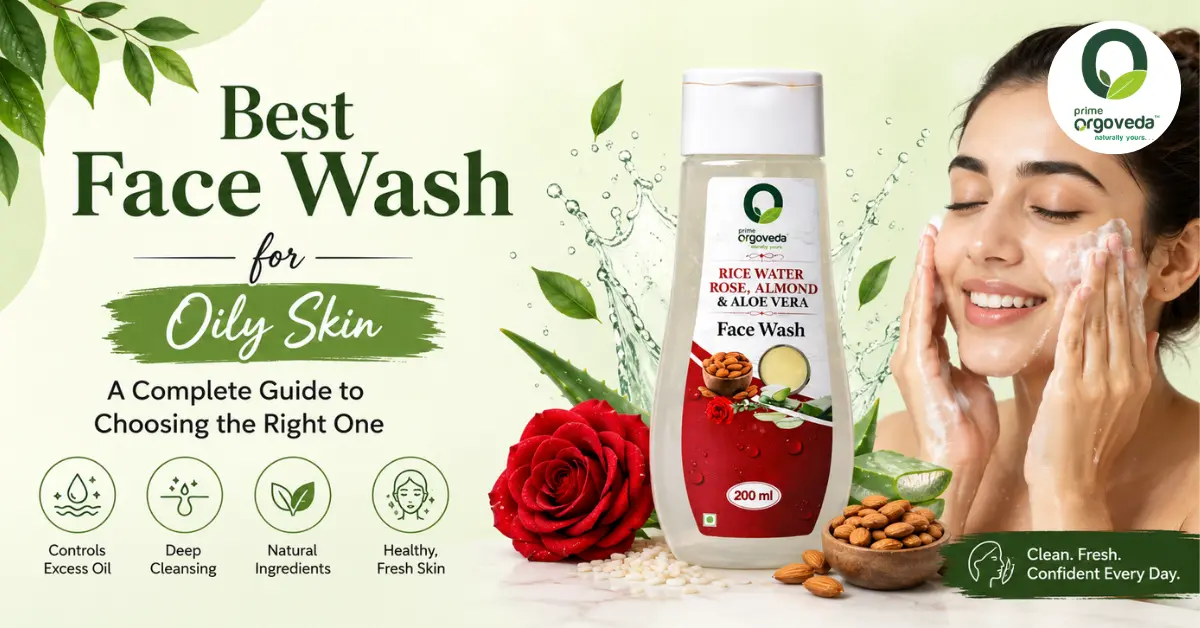
Oily skin is one of the most common skin types, and finding the right face wash can make a significant difference to your daily skincare routine. Excess sebum can leave the skin looking shiny and greasy, while improper cleansing may make the skin feel uncomfortable or unbalanced.
Choosing the best face wash for oily skin is not simply about finding a product that removes as much oil as possible. A good cleanser should effectively remove excess oil, dirt, sweat, and impurities while helping the skin maintain a comfortable, healthy-looking appearance.
In this comprehensive guide, we will explore what causes oily skin, how to choose a suitable face wash, ingredients to look for and avoid, proper cleansing techniques, and simple skincare practices that can help you care for oily skin every day.
Understanding Oily Skin
Oily skin occurs when the sebaceous glands produce more sebum than the skin needs. Sebum is a natural oil that helps protect the skin and prevent excessive moisture loss. However, when produced in excess, it can contribute to a greasy appearance and may make pores appear more noticeable.
People with oily skin may experience:
- Excess shine, especially on the forehead, nose, and chin
- A greasy or heavy feeling on the skin
- Enlarged or more noticeable-looking pores
- Frequent buildup of oil and impurities
- Occasional blemishes or clogged pores
Oily skin can be influenced by several factors, including genetics, hormones, environmental conditions, stress, and skincare habits.
A suitable face wash for oily skin can help remove excess oil and daily impurities without unnecessarily stripping the skin.
What Causes Oily Skin?
Understanding the causes of oily skin can help you build a more appropriate skincare routine.
Genetics
Your skin type is partly influenced by genetics. If oily skin runs in your family, you may naturally produce more sebum.
Hormonal Changes
Hormonal fluctuations can influence sebum production. Changes during adolescence and other hormonal stages may make the skin feel oilier.
Climate and Humidity
Hot and humid weather can make the skin appear more oily because heat and perspiration can contribute to a greasy feeling.
Stress
Stress can affect various processes in the body and may influence the way your skin behaves.
Skincare Habits
Using harsh cleansers, washing your face excessively, or using products that do not suit your skin may leave the skin feeling dry or uncomfortable. In response, some people may notice increased oiliness.
Incorrect Product Selection
Heavy or unsuitable skincare products may make oily skin feel greasy. Choosing lightweight, skin-compatible products is generally a better approach.
Why Choosing the Right Face Wash Matters for Oily Skin
Cleansing is an important part of any skincare routine, particularly for oily skin. Throughout the day, the skin can accumulate sebum, sweat, dust, environmental impurities, sunscreen, and other product residues.
The right cleanser can help remove this buildup while maintaining a comfortable skin feel.
However, more cleansing does not necessarily mean better cleansing. A face wash that is excessively harsh may leave the skin feeling tight and dry. Instead, look for a cleanser that provides effective cleansing without making your skin feel stripped.
The best face wash for oily skin should ideally provide a balance between:
- Removing excess oil
- Cleansing dirt and impurities
- Maintaining skin comfort
- Supporting a simple daily skincare routine
- Being appropriate for your individual skin needs
Key Benefits of Using a Face Wash for Oily Skin
A properly selected face wash can provide several benefits as part of a consistent skincare routine.
Helps Remove Excess Oil
A suitable cleanser can remove surface-level excess sebum and reduce the greasy feeling that may develop throughout the day.
Removes Dirt and Impurities
Regular cleansing helps wash away accumulated sweat, dirt, and other everyday impurities.
Leaves Skin Feeling Fresh
Cleansing can provide a fresh and clean feeling, particularly after exposure to heat, pollution, or physical activity.
Helps Prepare Skin for Other Products
Clean skin provides a better starting point for applying moisturizers, sunscreens, and other skincare products.
Supports a Consistent Skincare Routine
A simple cleansing routine can make it easier to maintain healthy-looking skin over time.
It is important to remember that a face wash is a cleansing product, not a substitute for a complete skincare routine.
What to Look for in the Best Face Wash for Oily Skin
When choosing a face wash for oily skin, consider the formula, ingredients, texture, and how your skin feels after cleansing.
Gentle Yet Effective Cleansing
Look for a cleanser that removes excess oil and impurities without leaving your skin feeling excessively dry or tight.
Lightweight Formula
A lightweight cleanser can be comfortable for people who dislike heavy or greasy skincare products.
Skin-Friendly Ingredients
Depending on your skin needs, ingredients such as aloe vera, green tea, neem, or other botanical extracts may complement an oily-skin skincare routine.
Suitable for Regular Use
If you plan to use the face wash every day, choose a formula designed for regular cleansing and suitable for your skin type.
Avoid Overly Harsh Formulas
A cleanser that leaves your skin feeling extremely tight immediately after washing may not be the best choice for your routine.
Consider Your Overall Skin Condition
Oily skin can also be sensitive, combination, or blemish-prone. Your face wash should match your complete skin profile rather than focusing only on oiliness.
Ingredients to Avoid When Choosing a Face Wash for Oily Skin
Not every ingredient will suit every person. Instead of assuming that an ingredient is universally bad, consider how your skin responds to the complete formula.
Some people with oily skin may prefer to avoid products that contain:
Excessively Harsh Cleansing Agents
Very aggressive cleansing formulas may leave the skin feeling stripped or uncomfortable.
Heavy, Greasy Formulas
If a product feels excessively heavy on your skin, it may not be comfortable for regular use.
Strong Fragrance
Fragrance is not automatically harmful, but individuals with sensitive skin may prefer fragrance-free or lightly fragranced products.
Excessive Alcohol Content
Some alcohol-based formulations can feel drying or irritating for certain skin types.
The most important factor is how your skin responds to the product over time.
Natural Ingredients That Support Oily Skin Care
Natural and botanical ingredients are popular choices in modern skincare. However, “natural” does not automatically mean suitable for everyone. Individual skin tolerance should always be considered.
Neem
Neem is traditionally used in Indian personal-care practices and is commonly included in cleansing formulations designed for oily or blemish-prone skin.
Aloe Vera
Aloe vera is widely used in skincare for its refreshing and soothing properties. It can be a useful ingredient in formulas intended to provide a comfortable cleansing experience.
Green Tea
Green tea contains naturally occurring compounds that make it a popular botanical ingredient in skincare products.
Turmeric
Turmeric has a long history of traditional use in Indian beauty and personal-care practices.
Tea Tree
Tea tree is commonly found in skincare products formulated for oily and blemish-prone skin. Because concentrated essential oils may irritate some people, properly formulated products are preferable.
When choosing a natural face wash for oily skin, look beyond individual ingredients and consider the overall formulation and your skin’s sensitivity.
How to Choose the Best Face Wash Based on Your Skin Type
Oily skin is not identical for everyone. Your additional skin characteristics should influence your product selection.
Oily Skin
Choose a gentle cleanser that effectively removes excess oil without leaving the skin excessively dry.
Oily and Blemish-Prone Skin
Look for a cleanser formulated specifically for blemish-prone skin. Avoid aggressively scrubbing the skin, as this can cause irritation.
Oily and Sensitive Skin
Choose a gentle, fragrance-free or low-fragrance formula when appropriate, and avoid products that cause burning, redness, or discomfort.
Combination Skin
If your T-zone is oily but your cheeks feel normal or dry, select a balanced cleanser rather than an extremely oil-stripping formula.
Oily Skin in Hot and Humid Weather
A lightweight cleanser can be particularly comfortable when heat and humidity make the skin feel greasy.
How Often Should You Wash Oily Skin?
For most people, cleansing the face twice a day—morning and evening—is a practical routine.
You may also want to cleanse after activities that cause significant sweating.
However, repeatedly washing your face throughout the day is not necessarily better. Excessive cleansing may leave the skin feeling dry or irritated.
A simple routine is often more sustainable:
Morning: Cleanse → Moisturize → Sunscreen
Evening: Cleanse → Moisturize
If your skin feels persistently tight, dry, irritated, or uncomfortable after cleansing, reconsider the cleanser or frequency of use.
How to Use Face Wash Correctly for Oily Skin
Even the best face wash may not perform well if it is used incorrectly.
Step 1: Wet Your Face
Use clean, comfortable-temperature water to wet your face.
Step 2: Apply a Small Amount of Cleanser
Take an appropriate amount of face wash and gently spread it across your face.
Step 3: Massage Gently
Use your fingertips and gentle circular movements. There is no need to scrub aggressively.
Step 4: Rinse Thoroughly
Rinse your face properly to remove the cleanser and loosened impurities.
Step 5: Pat Dry
Use a clean, soft towel and gently pat your skin dry.
Step 6: Follow With Moisturizer
Oily skin still needs hydration. Choose a lightweight moisturizer that feels comfortable on your skin.
During the daytime, finish your routine with sunscreen.
Morning and Night Skincare Routine for Oily Skin
A simple skincare routine can help you care for oily skin without overwhelming it with too many products.
Morning Routine
- Face Wash
Start with a gentle face wash for oily skin to remove overnight oil and buildup.
- Lightweight Moisturizer
Apply a suitable moisturizer to help maintain skin comfort.
- Sunscreen
Use a broad-spectrum sunscreen appropriate for your skin type and daily activities.
Night Routine
- Cleanse
Wash away accumulated oil, sweat, sunscreen, makeup, and daily impurities.
- Targeted Skincare, If Needed
If you use a specific skincare treatment, apply it according to its instructions.
- Moisturizer
Finish with a lightweight moisturizer.
A consistent routine is generally more useful than frequently changing products.
Common Face-Washing Mistakes People with Oily Skin Should Avoid
People with oily skin sometimes make the mistake of trying to remove every trace of oil from their face.
Here are some common mistakes to avoid:
Washing Your Face Too Frequently
Repeated cleansing can cause dryness and irritation.
Scrubbing Too Hard
Aggressive scrubbing can irritate the skin and may make it feel uncomfortable.
Using Very Hot Water
Very hot water can be drying for some people. Comfortable-temperature water is usually a better choice.
Skipping Moisturizer
Oily skin still requires hydration. Skipping moisturizer is not necessarily the best solution for controlling oiliness.
Using Too Many Products
A complicated routine can make it difficult to identify which products work well for your skin.
Changing Products Too Often
Give a skincare routine reasonable consistency unless you experience irritation or another clear problem.
Can Face Wash Help Control Excess Oil?
Yes, a suitable face wash can help remove excess surface oil and provide a cleaner, fresher skin feel.
However, face wash cannot permanently change your natural skin type or completely stop sebum production.
Oil production can be influenced by genetics, hormones, climate, stress, and other factors.
The goal should therefore be balanced cleansing rather than trying to eliminate every trace of natural oil.
If excessive oiliness is accompanied by persistent or severe acne, irritation, or other skin concerns, consider consulting a qualified dermatologist.
Natural vs. Chemical Face Wash for Oily Skin
The choice between natural and synthetic ingredients is often presented as a simple competition, but skincare is more nuanced.
Natural Face Wash
Natural or botanical face washes may contain ingredients such as neem, aloe vera, green tea, turmeric, or plant-derived extracts.
Potential advantages include:
- Botanical ingredients
- Appeal to people who prefer plant-based formulations
- Traditional skincare inspiration
- A gentle, refreshing cleansing experience when properly formulated
Conventional or Synthetic Formulations
Modern cleansers may use carefully selected cleansing agents and supporting ingredients to create specific textures and cleansing properties.
The important factor is not whether every ingredient is “natural” or “chemical.” Everything is made of chemicals, including water and plant extracts.
Instead, focus on:
- Formula quality
- Skin compatibility
- Ingredient safety
- Cleansing performance
- Your individual skin response
The best face wash for oily skin is ultimately the one that cleans effectively and feels comfortable without causing unnecessary dryness or irritation.
How to Maintain Healthy-Looking Skin After Cleansing
Cleansing is only one part of oily skin care. Consider these simple habits:
Keep Your Routine Consistent
A manageable routine is easier to maintain than an overly complicated one.
Moisturize Regularly
Choose a lightweight moisturizer that suits your skin.
Use Sunscreen
Daily sun protection is an important part of maintaining healthy-looking skin.
Keep Your Hands Away From Your Face
Frequent touching can transfer dirt and oils to your skin.
Clean Makeup Tools Regularly
If you use makeup brushes or sponges, clean them regularly according to their care instructions.
Stay Hydrated
Adequate fluid intake supports overall health and complements a balanced lifestyle.
Maintain a Balanced Lifestyle
Adequate sleep, nutritious food, physical activity, and stress management can all contribute to overall well-being and healthy-looking skin.
Best Face Wash for Oily Skin: Factors to Consider Before Buying
Before purchasing a face wash, consider the following checklist:
1. Know Your Skin Type
Confirm whether your skin is oily, combination, sensitive, or oily and blemish-prone.
2. Check the Ingredient List
Look for ingredients that are appropriate for your needs and avoid ingredients you know your skin does not tolerate.
3. Consider the Formula
Gel-based and lightweight cleansers are often preferred by people who dislike a heavy skin feel.
4. Think About Daily Use
If you need a cleanser for everyday use, choose something that feels comfortable as part of your regular routine.
5. Don’t Choose Based Only on Marketing Claims
Terms such as “natural,” “herbal,” or “oil control” do not tell you everything about a product. Consider the complete formulation.
6. Patch Test When Appropriate
If you have sensitive skin or are trying a new product, patch testing can help you assess your individual response.
7. Choose a Trusted Brand
Look for transparent product information, clear ingredient details, appropriate packaging, and responsible product claims.
Conclusion
Finding the best face wash for oily skin does not have to be complicated. The right cleanser should help remove excess oil, sweat, dirt, and everyday impurities while leaving your skin feeling clean and comfortable.
Rather than choosing the strongest oil-removing product available, focus on a balanced and gentle cleansing approach. Consider your complete skin type, examine the ingredients, avoid unnecessary irritation, and maintain a consistent skincare routine.
Whether you prefer a botanical formulation or a conventional cleanser, the most important consideration is how well the product suits your individual skin.
A thoughtful routine combining gentle cleansing, lightweight moisturization, and daily sun protection can help you maintain fresh, balanced, and healthy-looking skin.
Frequently Asked Questions (FAQs)
What is the best face wash for oily skin?
The best face wash for oily skin is one that effectively removes excess oil and impurities without leaving the skin excessively dry or tight. Choose a gentle formula suited to your individual skin type.
Is face wash good for oily skin?
Yes. A suitable face wash can help remove excess surface oil, sweat, dirt, and daily impurities. The key is choosing a cleanser that does not unnecessarily strip the skin.
How many times should I wash my oily face?
For most people, cleansing twice daily—once in the morning and once in the evening—is a practical routine. Additional cleansing may be appropriate after heavy sweating.
Can oily skin use moisturizer?
Absolutely. Oily skin still needs hydration. Choose a lightweight moisturizer that is comfortable and appropriate for your skin.
Should I use a natural face wash for oily skin?
You can choose a natural or botanical face wash if its overall formulation suits your skin. Ingredients such as neem, aloe vera, and green tea are commonly used in skincare, but individual tolerance is important.
Does washing your face frequently reduce oily skin?
Frequent washing may temporarily remove surface oil, but it does not permanently change your skin’s natural oil production. Over-cleansing may also cause dryness or irritation.
Is a gel face wash good for oily skin?
A lightweight gel cleanser can be a comfortable option for many people with oily skin. However, the complete formulation matters more than the texture alone.
Can oily skin use face wash every day?
Yes. A suitable face wash can generally be used as part of a daily skincare routine. Follow the product directions and adjust your routine if your skin becomes dry or irritated.
What ingredients are good for oily skin?
Ingredients commonly found in products for oily skin include botanical extracts such as neem and green tea, as well as other ingredients selected for cleansing and skin-care purposes. The complete formulation and your skin’s individual needs should guide your choice.
Can face wash remove all excess oil from the skin?
A face wash can remove excess surface oil, but it cannot permanently stop natural sebum production. Some natural oil is important for maintaining the skin’s protective barrier.
What should I avoid when washing oily skin?
Avoid aggressive scrubbing, very hot water, excessive cleansing, and products that consistently leave your skin feeling excessively dry or irritated.
How can I maintain healthy-looking oily skin?
Follow a consistent routine that includes gentle cleansing, suitable moisturization, and daily sun protection. Avoid over-cleansing and choose products according to your skin’s individual needs.


 Agarbatti
 Computer Loban
 Dhoop Sticks
 Dhoop Cones
 Loban Powder
 Dhoop Cups
 Soap
Soap Facewash
 Shampoo