
Blog

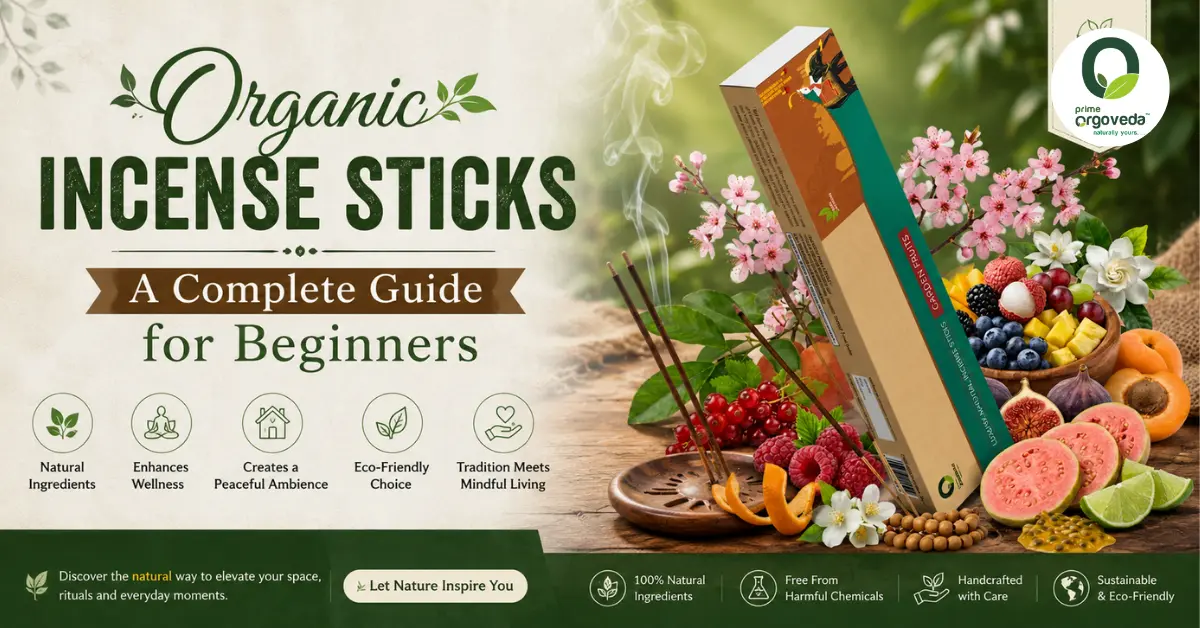
There is something timeless about the gentle fragrance of incense. A single incense stick can transform the atmosphere of a room, create a sense of warmth, and become part of a meaningful daily ritual. From traditional prayer and meditation to modern relaxation routines, incense has been used for generations to make everyday spaces feel more inviting.
Today, organic incense sticks are gaining attention among people who prefer products inspired by natural ingredients and mindful living. Unlike simply choosing an incense based on its fragrance, understanding the ingredients, manufacturing process, burning characteristics, and proper usage can help you make a more informed choice.
Whether you are completely new to incense or looking for a more natural addition to your home, this guide explains everything you need to know about organic incense sticks.
What Are Organic Incense Sticks?
Organic incense sticks are aromatic sticks made using ingredients derived from natural or plant-based sources, depending on the product’s formulation and certification. Common ingredients may include herbs, aromatic woods, resins, botanical powders, natural gums, essential oils, and other plant-derived materials.
When an incense stick is lit, the aromatic ingredients release fragrance as they smoulder. The resulting aroma can add character to a room and complement activities such as meditation, yoga, prayer, reading, or quiet relaxation.
It is important to understand that the term “organic” can have different meanings depending on how a product is manufactured and labelled. If certified organic status is important to you, look for appropriate certification and review the manufacturer’s ingredient and product information.
Organic Incense vs. Conventional Incense
The main difference generally relates to the ingredients and formulation. Conventional incense products may use synthetic fragrances or other manufactured ingredients, while products marketed as organic or natural may focus on botanical, plant-based, or naturally derived materials.
However, not every product labelled “natural” or “organic” has the same formulation. Checking the ingredient list and manufacturer’s claims is therefore essential.
How Are Organic Incense Sticks Made?
The quality and character of an incense stick depend greatly on its ingredients and manufacturing process. Although techniques vary between manufacturers, a typical process may involve several important stages.
1. Selection of Ingredients
The process begins with carefully selected aromatic and supporting materials. These may include herbs, flowers, wood powders, resins, gums, botanical extracts, and natural fragrance materials.
2. Preparation of Botanical Materials
Natural materials are cleaned, dried, and processed into suitable forms. Certain ingredients may be ground into fine powders so that they can be incorporated evenly into the incense mixture.
3. Preparing the Incense Mixture
The powdered ingredients are combined in carefully measured proportions. Natural binding materials may be added to help the mixture maintain its shape.
4. Shaping the Sticks
The prepared mixture is formed around a bamboo stick or shaped into a suitable incense format, depending on the product. Consistent shaping helps provide a more uniform burning experience.
5. Drying
The shaped incense sticks are dried thoroughly. Proper drying is important because excess moisture can affect burning performance and storage stability.
6. Quality Checking
Finished incense sticks may be checked for appearance, fragrance, moisture, consistency, packaging quality, and burning performance before being packed.
7. Packaging
Finally, the incense sticks are packed in suitable packaging designed to help protect the product from moisture, contamination, and loss of fragrance.
Key Ingredients Used in Organic Incense Sticks
One of the most important things to understand when selecting incense is what goes into the formulation.
Depending on the product, organic or naturally inspired incense sticks may contain:
Herbal Ingredients
Herbs and botanical powders can contribute distinctive aromas and traditional character to incense formulations.
Aromatic Woods
Woods such as sandalwood are traditionally valued for their warm, smooth, and woody fragrance.
Natural Resins and Gums
Resins and gums have a long history in incense-making. They can contribute fragrance, texture, and binding properties.
Flowers and Botanicals
Rose, jasmine, lavender, and other botanical ingredients can provide floral and refreshing fragrance profiles.
Essential Oils
Some incense formulations incorporate essential oils or naturally derived aromatic materials to create distinctive fragrance experiences.
Natural Binding Materials
Binding ingredients help hold the incense mixture together and allow it to maintain its shape during production.
Because formulations vary significantly, always check the product label or manufacturer’s ingredient information before purchasing.
Benefits of Using Organic Incense Sticks
Organic incense sticks can become a simple and enjoyable part of your everyday environment. Their benefits are primarily associated with fragrance, ambience, and traditional rituals.
1. Creates a Pleasant Ambience
A carefully selected fragrance can make your home feel more welcoming. Incense can add a distinctive aromatic layer to living rooms, meditation spaces, prayer areas, and other suitable spaces.
2. Supports Relaxation Rituals
Lighting incense can become a signal to slow down and create a few moments of personal time. Pairing a pleasant fragrance with quiet breathing, reading, or meditation can make your routine feel more intentional.
3. Complements Meditation and Yoga
Many people incorporate incense into meditation and yoga routines because fragrance can help establish a familiar and peaceful environment.
4. Adds Natural-Inspired Fragrance
For people who enjoy botanical and woody aromas, incense offers an alternative way to introduce fragrance into a space.
5. Enhances Traditional Practices
Incense has a longstanding association with prayer, meditation, ceremonies, and cultural traditions. Using it can help maintain meaningful rituals while creating a pleasant atmosphere.
6. Supports Mindful Living
The simple process of lighting an incense stick, observing the smoke, and taking a moment to pause can become part of a mindful daily routine.
Note: Incense smoke is still smoke. “Organic” or “natural” does not automatically mean smoke-free or harmless to everyone. Always use incense responsibly, ensure adequate ventilation, and follow the product’s safety instructions.
Organic Incense Sticks vs. Regular Incense Sticks
Choosing between different types of incense becomes easier when you understand the major differences.
| Ingredient focus | Often botanical or naturally derived materials | May include synthetic fragrance materials |
| Fragrance profile | Frequently herbal, woody, floral, or resinous | Can include both natural and synthetic fragrance profiles |
| Product positioning | Often associated with natural and mindful living | Primarily focused on fragrance and everyday use |
| Ingredient transparency | Depends on the manufacturer | Depends on the manufacturer |
| Certification | Some products may have certification | Certification varies |
| Best approach | Check ingredients and certifications | Check ingredients and product information |
The important point is that “organic,” “natural,” and “conventional” are not interchangeable terms. Rather than relying solely on marketing language, examine the product details and choose a formulation that suits your preferences.
Popular Types of Organic Incense Sticks
Organic and natural-inspired incense sticks are available in many fragrances. The best choice ultimately depends on your personal preference and intended use.
Sandalwood Incense Sticks
Known for a warm, smooth, and woody aroma, sandalwood is one of the most familiar traditional incense fragrances.
Rose Incense Sticks
Rose offers a soft, romantic, and floral fragrance that can complement relaxing home environments.
Jasmine Incense Sticks
Jasmine has a rich floral aroma and is often chosen by people who enjoy expressive floral fragrances.
Lavender Incense Sticks
Lavender is commonly associated with calming and relaxing fragrance experiences, making it a popular choice for evening rituals.
Oudh Incense Sticks
Oudh-inspired fragrances are known for their deep, rich, woody, and luxurious character.
Herbal Incense Sticks
Herbal blends combine different botanical ingredients to create earthy, green, fresh, or traditional fragrance profiles.
How to Choose the Best Organic Incense Sticks
With so many options available, selecting the right incense can initially seem difficult. Consider the following factors before buying.
1. Check the Ingredients
Look for clear ingredient information. If you specifically want certified organic products, verify the relevant certification rather than relying solely on the word “organic.”
2. Choose a Fragrance You Enjoy
Consider whether you prefer floral, woody, earthy, fresh, sweet, or traditional aromas.
3. Consider Burning Time
Different incense sticks have different burning durations. Choose a product that fits the length of your intended ritual.
4. Look at Product Quality
Well-made sticks should have consistent construction and should be appropriately dried and packaged.
5. Check the Packaging
Good packaging helps protect incense from moisture and preserves its fragrance during storage.
6. Buy from a Trusted Brand
Choose manufacturers that provide transparent product information, usage instructions, ingredient details, and appropriate safety guidance.
How to Use Organic Incense Sticks Correctly
Using incense is simple, but proper handling is essential.
Step 1: Choose a Stable Incense Holder
Place the incense stick in a suitable, heat-resistant holder positioned on a stable, non-flammable surface.
Step 2: Light the Tip
Light the tip of the incense stick carefully using a match or lighter.
Step 3: Allow the Tip to Glow
Let the flame burn briefly, then gently extinguish the flame. The tip should continue to smoulder and release fragrance.
Step 4: Enjoy the Fragrance
Allow the incense to burn in a suitable, ventilated area while maintaining a safe distance from people, pets, curtains, paper, and other combustible materials.
Step 5: Extinguish It Safely
Never leave burning incense unattended. Once you are finished, ensure the incense is completely extinguished and cool before disposing of the remains.
Best Places to Use Organic Incense Sticks
The ideal location depends on the purpose and the ventilation available.
Living Room
A suitable fragrance can create a welcoming atmosphere when entertaining guests or enjoying quiet time.
Meditation Space
A familiar fragrance can help establish a consistent environment for meditation or mindfulness practices.
Yoga Space
Some people enjoy incorporating incense into their yoga environment before beginning their practice.
Prayer or Pooja Space
Incense has traditionally been used in many forms of prayer and spiritual practice.
Bedroom
If you choose to use incense in a bedroom, ensure adequate ventilation and never leave it burning while sleeping or when the room is unattended.
Workspace
A subtle fragrance may make a workspace feel more pleasant, provided the smoke does not cause discomfort and the area is adequately ventilated.
Organic Incense Sticks for Different Occasions
Different moments can call for different fragrance profiles.
| Meditation | Sandalwood, lavender, herbal |
| Yoga | Herbal, woody, fresh |
| Prayer/Pooja | Sandalwood, traditional aromatic blends |
| Relaxation | Lavender, rose, jasmine |
| Festive occasions | Oudh, sandalwood, floral blends |
| Everyday home fragrance | Floral, woody, herbal |
| Quiet evening | Lavender, sandalwood, rose |
There is no universal “best” fragrance. Your personal preference should be the deciding factor.
How to Create a Relaxing Ritual with Organic Incense
Using incense can become more meaningful when it is incorporated into a simple routine.
1. Choose Your Fragrance
Select an aroma that matches your mood and activity.
2. Prepare Your Space
Keep the area clean and comfortable. Reduce unnecessary distractions and ensure proper ventilation.
3. Light the Incense
Place the incense securely in its holder and light it carefully.
4. Slow Down
Take a few slow breaths while allowing the fragrance to become part of the environment.
5. Focus on the Moment
Use the time for meditation, journaling, reading, prayer, gentle stretching, or simply sitting quietly.
6. End the Ritual Mindfully
Extinguish the incense safely and leave the area clean.
Over time, this simple routine can become a recognizable transition between a busy day and a quieter period.
Common Mistakes to Avoid When Using Incense Sticks
Even a simple product requires responsible use.
Leaving Incense Unattended
Never leave a burning incense stick unattended.
Using an Unstable Holder
A poorly positioned holder can increase the risk of the incense falling over.
Burning Incense Near Flammable Materials
Keep incense away from curtains, paper, fabrics, furniture, and other combustible objects.
Using Too Many Sticks at Once
Burning multiple sticks simultaneously can create excessive smoke and an overpowering fragrance.
Burning Incense in a Poorly Ventilated Space
Adequate ventilation helps prevent smoke from accumulating.
Ignoring Personal Sensitivity
Some people may be sensitive to fragrance or smoke. Stop using incense if it causes discomfort.
Leaving Incense Burning While Sleeping
Always extinguish incense before sleeping or leaving the area.
How to Store Organic Incense Sticks
Proper storage helps maintain fragrance and product quality.
Keep Them Dry
Moisture can affect the texture, fragrance, and burning performance of incense.
Avoid Direct Sunlight
Store incense away from prolonged exposure to direct sunlight and excessive heat.
Use an Airtight or Well-Sealed Package
A properly sealed package can help preserve the fragrance and protect the sticks from moisture.
Keep Away from Strong Odours
Incense can absorb surrounding smells, so store it away from strong-smelling substances.
Keep Away from Children and Pets
Store incense and lighting materials in a safe location that is inaccessible to children and pets.
Final Thoughts
Organic incense sticks can be much more than a source of fragrance. When selected thoughtfully and used safely, they can become part of a personal ritual that adds warmth, character, and a sense of intention to everyday spaces.
From the rich aroma of sandalwood to the floral character of rose and jasmine, there is an extensive variety of fragrances to explore. Understanding the ingredients, manufacturing process, product information, and safe-burning practices allows beginners to make more informed choices.
Whether you want to create a peaceful meditation corner, complement your yoga practice, enhance a traditional prayer ritual, or simply enjoy a beautiful fragrance at home, the right incense can make an ordinary moment feel a little more special.
Explore Natural Incense Sticks from Orgoveda
At Orgoveda, we believe everyday self-care can be inspired by the timeless connection between nature, fragrance, and mindful living.
Our collection of incense and aromatic products is created for people who appreciate traditional fragrances and thoughtfully crafted everyday rituals. From woody and earthy aromas to floral and rich aromatic blends, explore fragrances that complement different moods, spaces, and occasions.
Discover the Orgoveda collection and find an incense fragrance that fits your everyday ritual.
👉 Explore Orgoveda Natural Incense & Aromatic Products
Frequently Asked Questions (FAQs)
1. What are organic incense sticks?
Organic incense sticks are incense products formulated with natural, plant-based, botanical, or naturally derived ingredients, depending on the specific product. If certified organic status is important, check for recognized certification and product documentation.
2. Are organic incense sticks better than regular incense sticks?
“Better” depends on your preferences. People who prioritize botanical or naturally derived ingredients may prefer organic or natural-inspired formulations. Always check the ingredient list and product information before purchasing.
3. What ingredients are commonly used in organic incense sticks?
Common ingredients may include herbs, aromatic woods, resins, natural gums, flowers, botanical powders, essential oils, and other naturally derived aromatic materials.
4. Which organic incense fragrance is best for relaxation?
Lavender, sandalwood, rose, and other soft floral or woody fragrances are popular choices for relaxation-oriented rituals. Fragrance preference is subjective, so choose an aroma you personally enjoy.
5. Can organic incense sticks be used during meditation?
Yes. Many people incorporate incense into meditation spaces to create a familiar and pleasant aromatic environment. Always use incense safely and ensure adequate ventilation.
6. How long does an organic incense stick burn?
Burning time varies depending on the size, thickness, ingredients, and formulation of the incense stick. Check the manufacturer’s product specifications for the expected burning duration.
7. Can I use organic incense sticks every day?
Incense can be used as part of a daily ritual if used responsibly. Always follow the product’s instructions, maintain adequate ventilation, and avoid prolonged exposure to smoke.
8. How should organic incense sticks be stored?
Store incense sticks in a cool, dry place away from direct sunlight, moisture, strong odours, children, and pets. Properly sealed packaging can help preserve fragrance and quality.
9. Are organic incense sticks completely smoke-free?
No. Incense sticks burn or smoulder and therefore produce smoke. Being described as organic or natural does not mean an incense product is smoke-free.
10. How can I choose the right organic incense stick?
Start by checking the ingredients, fragrance profile, burning time, packaging, manufacturer information, and any relevant certifications. Most importantly, choose a fragrance that suits your personal preference and intended use.


 Agarbatti
 Computer Loban
 Dhoop Sticks
 Dhoop Cones
 Loban Powder
 Dhoop Cups
 Soap
Soap Facewash
 Shampoo