
Blog
Best Agarbatti for Home: Benefits, Types, Fragrances & How to Choose the Right One

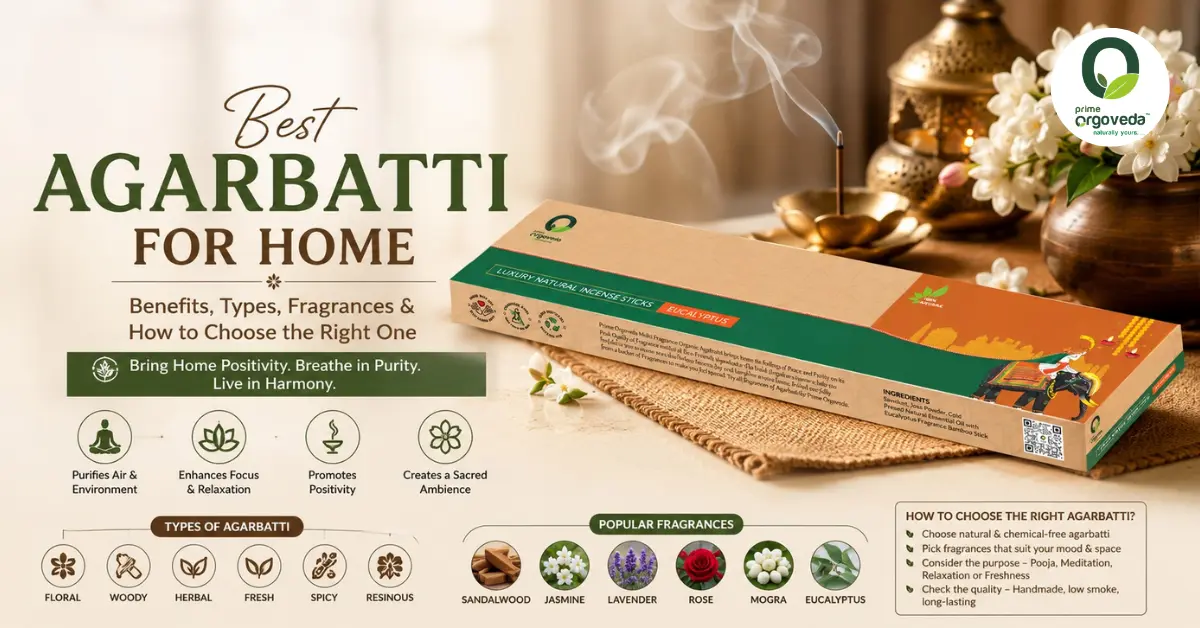
A pleasant fragrance can completely change the atmosphere of a home. Whether you want to create a peaceful environment after a busy day, prepare your home for prayer and meditation, welcome guests, or simply enjoy a refreshing aroma, agarbatti, also known as incense sticks, has been a popular choice for generations.
Agarbatti holds a special place in Indian homes because it combines fragrance with long-standing cultural and traditional practices. From the rich aroma of sandalwood to the floral notes of jasmine and rose, there are countless fragrances available to suit different preferences and occasions.
Today, homeowners are increasingly looking for quality incense made with carefully selected ingredients and fragrances. Choosing the best agarbatti for home is therefore about more than selecting a pleasant scent. Factors such as ingredients, fragrance intensity, burning time, smoke, quality, and intended use can all influence your experience.
In this guide, we explore the benefits, types, fragrances, selection tips, usage methods, and safety considerations to help you choose the right agarbatti for your home.
What Is Agarbatti?
Agarbatti is a type of incense stick designed to release fragrance when burned. It is traditionally made using a bamboo stick coated with a mixture of aromatic materials, natural binders, wood powders, herbs, resins, spices, and fragrance compounds.
When an agarbatti is lit, the coated material slowly smoulders and releases aromatic smoke into the surrounding environment. Different formulations produce different fragrance profiles, burning times, and levels of smoke.
Traditional Indian agarbatti-making has evolved considerably over the years. Modern incense products may include natural aromatic ingredients, herbal materials, essential-oil-inspired fragrances, resins, and carefully developed fragrance blends.
A high-quality agarbatti should generally burn evenly and provide a balanced fragrance without an unnecessarily harsh or overpowering aroma.
Benefits of Using Agarbatti at Home
Agarbatti is primarily used to create a pleasant fragrance and ambience. Its appeal also comes from its connection with traditional rituals and everyday relaxation.
Creates a Pleasant Fragrance
One of the main reasons people use agarbatti is to make their surroundings smell inviting. A suitable fragrance can help mask unwanted household odours and introduce a more pleasant aroma.
Enhances the Home Atmosphere
Fragrance plays an important role in how a space feels. Floral, woody, herbal, and traditional fragrances can each create a different atmosphere, allowing you to choose an aroma according to your mood and occasion.
Supports Relaxation
Many people associate fragrances such as sandalwood, lavender, and jasmine with peaceful environments. Using a preferred fragrance as part of a quiet evening routine can contribute to a relaxing sensory experience.
Suitable for Prayer and Meditation
Agarbatti has a long-standing role in prayer rooms, temples, meditation spaces, and traditional ceremonies. Its fragrance can become part of a familiar ritual and help establish a calm setting for these activities.
Complements Traditional Practices
In many Indian households, lighting incense is part of daily worship and cultural traditions. Agarbatti can therefore serve both a functional and traditional purpose.
Important: Fragrance should not be considered a treatment for medical conditions. If you have respiratory sensitivity or another health concern, choose products and usage practices appropriate for your individual needs.
How Agarbatti Can Enhance Your Home Ambience
The right fragrance can make a room feel more welcoming and comfortable. However, choosing the appropriate fragrance for a particular setting is important.
A soft floral fragrance may work well in a bedroom or personal relaxation area, while a traditional fragrance such as sandalwood or javadhu may be preferred for a prayer space.
For living rooms, versatile fragrances can create a welcoming atmosphere when guests arrive. In meditation areas, many people prefer subtle woody or herbal aromas rather than very strong fragrances.
The key is balance. A fragrance that is pleasant at a moderate intensity may become overwhelming if too many incense sticks are burned simultaneously.
Different Types of Agarbatti for Home
There is no single type of agarbatti that is ideal for every household. Different varieties are formulated for different fragrance preferences and experiences.
1. Traditional Agarbatti
Traditional agarbatti is commonly associated with classic Indian fragrances and household rituals. These incense sticks may feature aromas such as sandalwood, jasmine, rose, champa, or other familiar fragrance combinations.
They are particularly suitable for people who appreciate conventional Indian incense aromas.
2. Herbal Agarbatti
Herbal agarbatti incorporates aromatic herbs or botanical-inspired ingredients into its formulation. These products may appeal to consumers who prefer earthy and naturally inspired fragrance profiles.
3. Natural Agarbatti
Natural agarbatti may use ingredients such as wood powders, herbs, resins, plant-based materials, and naturally derived aromatic ingredients, depending on the product formulation.
When choosing a natural incense product, it is useful to check the manufacturer’s ingredient information rather than relying only on the word “natural” on the packaging.
4. Masala Agarbatti
Masala agarbatti is traditionally made using a blend of aromatic materials and spices, often producing a richer and more complex fragrance.
It can be an excellent choice for people who enjoy deep, warm, and traditional incense aromas.
5. Charcoal-Free Agarbatti
Some incense sticks are formulated without charcoal. These products may be preferred by consumers looking for a particular burning profile or formulation.
As with any incense, the amount of smoke and fragrance can vary considerably between products, so checking product information is important.
Best Agarbatti Fragrances for Home
The “best” fragrance depends largely on personal preference, room, occasion, and desired ambience. Here are some popular options.
Sandalwood Agarbatti
Sandalwood is one of the most recognised traditional incense fragrances in India. Its warm, woody, and soothing aroma makes it suitable for prayer rooms, meditation spaces, living areas, and everyday use.
Jasmine Agarbatti
Jasmine offers a sweet and distinctly floral fragrance. It can be a good option for people who enjoy fresh and expressive floral aromas.
Lavender Agarbatti
Lavender is commonly associated with a soft, calming fragrance. It can be suitable for evening routines, bedrooms, and personal relaxation spaces when used with adequate ventilation.
Rose Agarbatti
Rose provides a familiar floral aroma with a sweet and refreshing character. It is often chosen for homes, festive occasions, prayer, and everyday fragrance.
Nag Champa Agarbatti
Nag Champa is a distinctive incense fragrance known for its rich, warm, slightly sweet, and earthy character. It is popular among people who prefer a deeper traditional incense experience.
Javadhu Agarbatti
Javadhu is a traditional Indian fragrance with a rich and distinctive aromatic profile. It is especially popular among those who enjoy classic South Indian-inspired fragrance traditions.
Mattipal Agarbatti
Mattipal is another traditional fragrance option that can provide a distinctive and rich aromatic experience. It can be considered by those who want to explore fragrances beyond commonly available floral varieties.
How to Choose the Best Agarbatti for Home
Choosing the right agarbatti requires more than simply selecting your favourite fragrance. Consider the following factors.
Check the Ingredients
Look for clear ingredient information and choose products from manufacturers that provide transparent product details.
Consider Fragrance Strength
Some people prefer subtle aromas, while others enjoy stronger fragrances. If you are using incense in a smaller room, a mild fragrance may be more comfortable.
Consider Burning Time
Burning time varies depending on the size, formulation, and density of the incense stick. If you want incense for a short ritual, a shorter-burning product may be suitable. For longer use, consider products specifically designed for extended burning.
Look at Smoke Levels
Different incense formulations produce different amounts of smoke. If you prefer a less smoky experience, look for products specifically formulated to produce a lighter smoke profile.
Choose According to the Room
Consider where you plan to use the incense. A fragrance suitable for a prayer room may not necessarily be your first choice for a bedroom or workspace.
Buy from a Reliable Brand
Quality and consistency matter when selecting incense. Look for brands that provide accurate product information, clear packaging, usage instructions, and customer support.
Consider Your Personal Preference
Ultimately, fragrance is subjective. The best agarbatti for your home is one that you enjoy using and that suits your intended environment.
Natural vs. Synthetic Agarbatti: What Should You Choose?
The difference between natural and synthetic incense generally relates to the materials used to create the fragrance and burning composition.
Natural or naturally derived incense products may use botanical materials, wood powders, herbs, resins, and naturally derived aromatic ingredients. Synthetic fragrance compounds, on the other hand, can be used to create consistent and specific fragrance profiles.
Neither category should be judged solely by its label. Quality depends on the complete formulation, manufacturing practices, fragrance concentration, burning characteristics, and intended use.
When choosing an agarbatti, consider:
- Ingredient transparency
- Fragrance quality
- Smoke characteristics
- Burning consistency
- Manufacturing quality
- Packaging and storage
- Brand reputation
- Your personal fragrance preference
If natural ingredients are important to you, read the ingredient information carefully and choose a product whose formulation matches your expectations.
Best Agarbatti for Different Areas of Your Home
Different rooms can benefit from different fragrance styles.
Living Room
Choose versatile fragrances such as sandalwood, rose, jasmine, or Nag Champa. These can create a welcoming atmosphere when used moderately.
Prayer Room
Traditional fragrances such as sandalwood, javadhu, sambrani-inspired aromas, and other classic Indian incense fragrances can complement prayer and worship routines.
Bedroom
Soft and subtle fragrances may be more suitable for bedrooms. Lavender or gentle floral fragrances are popular choices for those who prefer a relaxing atmosphere.
Meditation Space
Woody, herbal, and subtle traditional fragrances can complement meditation and quiet personal routines.
Entrance Area
A pleasant but not overpowering fragrance can make the entrance feel welcoming. Use incense carefully and ensure adequate ventilation.
Home Office
If you enjoy fragrance while working, choose a mild aroma that does not become distracting. A subtle woody or floral fragrance may be preferable to an intensely concentrated scent.
How to Use Agarbatti Correctly at Home
Using agarbatti properly can help you enjoy its fragrance while reducing unnecessary smoke and fire-related risks.
- Place the incense stick securely in a suitable incense holder.
- Keep the holder on a stable, heat-resistant surface.
- Light the tip of the agarbatti carefully.
- Allow the flame to develop briefly, then gently extinguish the flame so the stick smoulders.
- Ensure the burning incense is positioned away from curtains, paper, furniture, fabrics, and other combustible materials.
- Keep it away from children and pets.
- Use incense in a reasonably ventilated area.
- Never leave burning incense unattended.
- Extinguish the incense completely after use.
Avoid placing an incense stick directly on furniture or other surfaces that could be damaged by heat or ash.
How Long Does Agarbatti Fragrance Last?
The fragrance experience from an agarbatti depends on several factors, including:
- Length and thickness of the incense stick
- Fragrance formulation
- Ingredient composition
- Burning time
- Room size
- Air circulation
- Number of sticks used
- Surface area of the room
The fragrance may remain noticeable for some time after the incense has stopped burning, but the duration can vary significantly.
A larger, well-ventilated room may disperse the fragrance more quickly than a smaller room. Similarly, a strong fragrance formulation may remain noticeable longer than a subtle one.
For the most accurate information, check the product packaging or manufacturer’s recommended burning time.
Tips for Getting the Best Fragrance from Agarbatti
To enjoy a more balanced fragrance experience, follow these simple tips:
Use the Right Number of Sticks
One incense stick may be sufficient for a small room. Burning multiple sticks at once can create an overly strong fragrance and more smoke.
Choose the Right Location
Place the incense where air can circulate gently without creating excessive airflow that causes the incense to burn too quickly.
Use a Proper Holder
A good incense holder catches falling ash and provides a stable base for the burning stick.
Store Incense Properly
Keep unused agarbatti in a dry, cool place away from direct sunlight and moisture. Proper storage helps preserve the fragrance.
Match the Fragrance to the Occasion
Use floral fragrances for a fresh atmosphere, woody fragrances for a traditional setting, and subtle fragrances for relaxation or quiet routines.
Maintain Ventilation
Adequate airflow helps prevent smoke from accumulating indoors.
Safety Tips When Burning Agarbatti Indoors
Although incense sticks are designed to burn safely when used correctly, they involve an open flame and glowing embers and therefore require care.
- Never leave burning agarbatti unattended.
- Keep incense away from curtains, bedding, paper, clothing, and other flammable materials.
- Keep burning incense out of reach of children and pets.
- Always use a stable, heat-resistant incense holder.
- Avoid placing incense near fans or strong air currents.
- Do not burn excessive amounts of incense in a closed room.
- Ensure reasonable ventilation.
- Extinguish the incense completely before leaving the room or going to sleep.
- Do not place burning incense near smoke-sensitive individuals.
- Follow the manufacturer’s instructions on the product packaging.
If incense causes discomfort, irritation, coughing, breathing difficulty, headache, or other unwanted symptoms, stop using it and move to fresh air. People with respiratory sensitivities should be particularly cautious with smoke-producing products.
Common Mistakes to Avoid When Using Agarbatti
Burning Too Many Sticks
Using several sticks simultaneously may make the fragrance excessively strong and increase indoor smoke.
Choosing Only by Fragrance Name
A beautiful fragrance name does not necessarily indicate product quality. Consider ingredients, manufacturing quality, burning characteristics, and brand transparency.
Ignoring Ventilation
Using incense in a completely closed room can allow smoke to accumulate. Appropriate ventilation is important.
Using an Unstable Holder
A poorly positioned incense stick can create a fire hazard. Always use a suitable holder.
Storing Incense in Damp Places
Moisture can affect the quality and fragrance of incense sticks. Store them properly in a dry environment.
Leaving Burning Incense Unattended
Even a small incense stick involves heat and combustion. Never leave it burning without supervision.
Using an Overpowering Fragrance
The strongest fragrance is not always the best choice. A balanced aroma can provide a more pleasant experience, especially in smaller rooms.
Conclusion
Choosing the best agarbatti for home ultimately depends on your fragrance preference, intended use, room size, ingredients, burning characteristics, and overall product quality.
From traditional sandalwood and javadhu to floral jasmine and rose, relaxing lavender, rich Nag Champa, and distinctive Mattipal, there are many fragrances to explore. Different types of agarbatti can also suit different preferences, from traditional and masala incense to herbal, natural, and charcoal-free formulations.
When purchasing agarbatti, look beyond fragrance alone. Consider ingredient transparency, burning time, smoke level, product quality, packaging, and the reputation of the brand. Most importantly, use incense responsibly with adequate ventilation and appropriate fire safety precautions.
With the right fragrance and responsible usage, agarbatti can become a simple and enjoyable part of your home’s daily ambience, traditional rituals, meditation routines, or moments of relaxation.
Frequently Asked Questions (FAQs)
1. Which is the best agarbatti for home?
The best agarbatti depends on your personal fragrance preference and intended use. Sandalwood, jasmine, rose, lavender, Nag Champa, javadhu, and other traditional fragrances are popular choices for homes.
2. What is the best fragrance for agarbatti at home?
There is no single best fragrance for everyone. Sandalwood is popular for its warm woody aroma, jasmine and rose for floral notes, lavender for a softer fragrance, and Nag Champa for a rich traditional aroma.
3. Is agarbatti good for home ambience?
Agarbatti can enhance the ambience of a home by introducing a pleasant fragrance. Using an appropriate amount and maintaining ventilation can help create a more comfortable fragrance experience.
4. Which agarbatti is suitable for daily use?
A mild or moderately scented agarbatti can be suitable for daily use. Choose a product based on your preferred fragrance, room size, burning time, and smoke characteristics.
5. Which agarbatti is best for a prayer room?
Traditional fragrances such as sandalwood, javadhu, and other classic Indian incense fragrances are commonly chosen for prayer rooms and worship routines.
6. Which agarbatti fragrance is suitable for the bedroom?
Many people prefer softer fragrances such as lavender or gentle floral aromas for bedrooms. Use incense moderately and maintain appropriate ventilation.
7. How do I choose a good-quality agarbatti?
Look for clear ingredient information, consistent fragrance, even burning, appropriate packaging, reliable manufacturing, and transparent product information from a reputable brand.
8. Is natural agarbatti better than synthetic agarbatti?
The choice depends on your preferences and the specific formulation. If natural ingredients are important to you, check the ingredient information carefully rather than relying only on marketing terms.
9. How many agarbatti sticks should I burn at once?
One stick may be sufficient for many rooms. The ideal amount depends on room size, fragrance strength, ventilation, and personal preference.
10. How long does one agarbatti stick burn?
Burning time varies according to the length, thickness, density, and formulation of the incense stick. Check the manufacturer’s product information for the specific product.
11. Can I use agarbatti every day?
Agarbatti can be incorporated into a daily routine if used responsibly. Ensure adequate ventilation, avoid excessive quantities, and never leave burning incense unattended.
12. How should I store agarbatti?
Store incense sticks in a cool, dry place away from direct sunlight and moisture. Keeping them properly sealed can help preserve their fragrance.
13. Why does my agarbatti produce too much smoke?
Smoke levels can vary depending on the formulation, ingredients, burning conditions, airflow, and quality of the incense. Using fewer sticks and ensuring reasonable ventilation can help reduce smoke accumulation.
14. Can agarbatti be used in every room?
Agarbatti can be used in different areas of a home, but the fragrance and quantity should be appropriate for each space. Always consider ventilation and fire safety, particularly in bedrooms and smaller rooms.
15. What should I look for when buying the best agarbatti for home?
Consider fragrance, ingredients, burning time, smoke characteristics, quality, packaging, brand reputation, and intended use. Choose an agarbatti that provides a pleasant fragrance while matching your personal preferences and usage requirements.


 Agarbatti
 Computer Loban
 Dhoop Sticks
 Dhoop Cones
 Loban Powder
 Dhoop Cups
 Soap
Soap Facewash
 Shampoo