
Blog
Shri Kedarnath Jyotirlinga Temple: Experience Divine Blessings at Kedarnath Dham

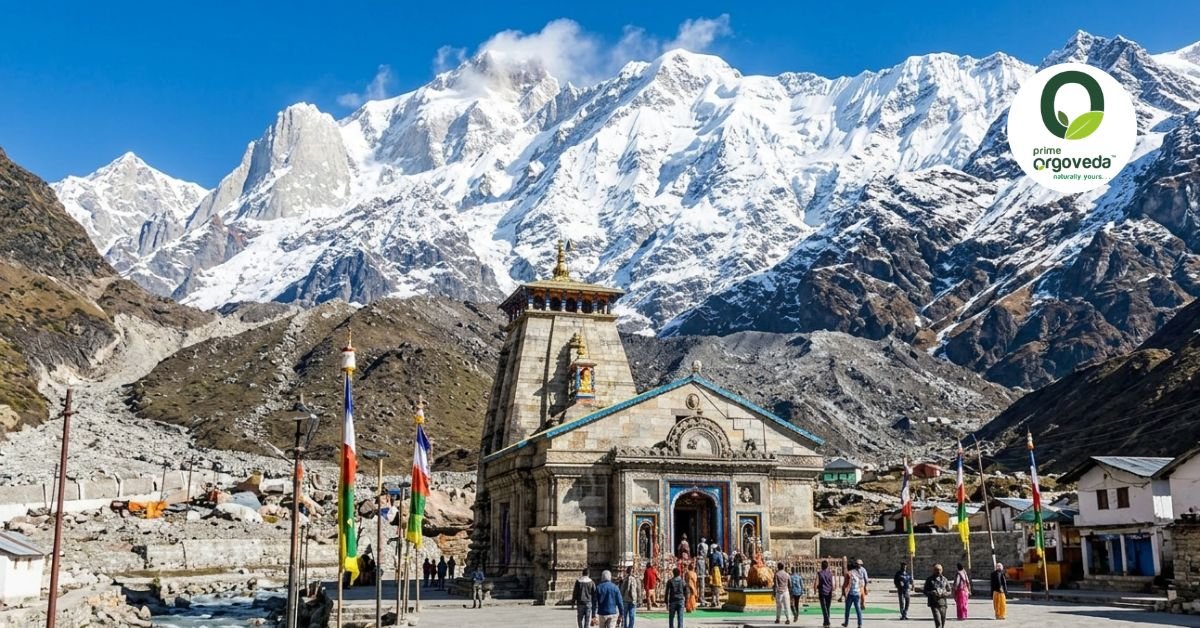
Nestled in the majestic Garhwal Himalayas of Uttarakhand, Kedarnath Temple stands as one of the most sacred pilgrimage sites dedicated to Lord Shiva. Revered as one of the twelve Jyotirlingas, this divine shrine attracts millions of devotees every year who seek spiritual peace and divine blessings amidst breathtaking natural beauty.
The Kedarnath temple is not just a place of worship but a symbol of unwavering faith and devotion. Surrounded by snow-capped peaks and the serene flow of the Mandakini River, the temple offers a deeply spiritual atmosphere that connects devotees with the divine.
Often referred to as the Kedar Nath Temple, this holy destination holds immense significance in Hindu mythology and is believed to be the place where Lord Shiva granted salvation to the Pandavas. The spiritual aura and mythological importance make it a must-visit for pilgrims and travelers alike.
The sacred Kedarnath Dham Mandir is part of the revered Char Dham Yatra and remains open only for a limited period each year due to extreme weather conditions. Despite the challenging journey, thousands undertake this pilgrimage to experience divine energy and inner transformation.
Located in the northern region of the country, kedarnath temple india represents the perfect blend of spirituality, history, and nature. Whether you are a devotee or a traveler seeking peace, Kedarnath offers an unforgettable journey into the heart of devotion and the lap of the Himalayas.
Spiritual Significance of Kedarnath Temple
The spiritual importance of Kedarnath Temple is deeply rooted in Hindu beliefs, mythology, and centuries of devotion. Known as one of the twelve Jyotirlingas of Lord Shiva, it is believed that the divine presence here radiates immense spiritual energy, capable of cleansing one’s soul and guiding devotees toward liberation (moksha).
The sacred kedarnath temple kedarnath uttarakhand holds a special place among pilgrims as it represents Lord Shiva in his most powerful and benevolent form. Devotees believe that visiting this holy shrine helps in dissolving past karmas and attaining inner peace.
Situated in the serene Himalayan region, the Kedarnath temple location itself adds to its spiritual aura. Surrounded by towering mountains and untouched natural beauty, the temple creates an atmosphere ideal for meditation, devotion, and self-reflection.
The divine presence at the Kedarnath temple, Uttarakhand, is closely associated with the legend of the Pandavas, who sought forgiveness from Lord Shiva after the Mahabharata war. It is believed that Lord Shiva appeared here in the form of a Jyotirlinga, blessing devotees who undertake the कठिन pilgrimage with pure intentions.
In the sacred land of Kedarnath, Uttarakhand, every stone, river, and breeze is said to carry spiritual vibrations. The journey to Kedarnath is not just physical but deeply transformative, allowing devotees to disconnect from worldly distractions and reconnect with divine consciousness.
Visiting Kedarnath is often described as a once-in-a-lifetime spiritual experience—one that fills the heart with devotion, the mind with peace, and the soul with eternal blessings.
Mythological Story of Lord Shiva at Kedarnath
The sacred origins of Kedarnath Temple are deeply connected to powerful legends of Lord Shiva and the Pandavas from the Mahabharata era. It is believed that after the Kurukshetra war, the Pandavas sought forgiveness from Lord Shiva for the sins of killing their own kin.
As part of their penance, they traveled to the Himalayas in search of Shiva. However, Lord Shiva, unwilling to forgive them easily, disguised himself as a bull and tried to avoid them. Eventually, he disappeared into the ground, and his body is believed to have reappeared in different places, forming the sacred Panch Kedar.
Among these sacred sites, the Kedarnath mandir holds the most significant position, as it is believed that Lord Shiva’s hump appeared here, forming the divine Jyotirlinga that devotees worship today.
The story of the Kedarnath Mandir highlights the power of devotion, repentance, and divine grace. It teaches that sincere repentance and unwavering faith can lead to spiritual liberation and forgiveness from the divine.
Located in the divine land of the Himalayas, the kedarnath mandir uttarakhand continues to be a powerful spiritual center where millions of devotees come every year seeking blessings, peace, and salvation.
Kedarnath is also an important part of the Panch Kedarnath, a group of five sacred temples dedicated to Lord Shiva in Uttarakhand. Each temple represents a different part of Shiva’s divine manifestation, making the entire region a spiritually charged pilgrimage circuit for devotees.
History of Kedarnath Temple
The sacred history of Kedarnath Temple dates back thousands of years and is deeply rooted in Hindu mythology and ancient spiritual traditions. It is believed that the temple was originally built by the Pandavas, as part of their journey to seek forgiveness from Lord Shiva after the Kurukshetra war.
Over time, the temple became one of the most important pilgrimage sites in India, especially associated with Lord Shiva’s divine form as a Jyotirlinga. The significance of Jyotirlinga Kedarnath makes it one of the holiest shrines dedicated to Shiva, attracting devotees from across the world.
According to historical accounts and legends, Adi Shankaracharya played a key role in reviving and restructuring the temple in the 8th century. His spiritual mission helped establish Kedarnath as a major center of Hindu pilgrimage in the Himalayas.
Pilgrims often undertake the challenging journey from Badrinath to Kedarnath, as both shrines are part of the sacred Char Dham circuit, symbolizing the ultimate spiritual journey in Hinduism.
Another important route in the region is Gupt Kashi to Kedarnath, which serves as a key stop for devotees traveling towards the holy shrine, adding to the spiritual significance of the entire valley.
The Kedar Nath Mandir has stood through centuries of harsh weather, natural calamities, and changing times, yet it continues to remain a powerful symbol of faith, resilience, and divine presence in the Himalayas.
Architecture of Kedarnath Temple
The architectural brilliance of Kedarnath Temple reflects ancient Himalayan engineering and deep spiritual symbolism. Built using massive, interlocking stone slabs, the temple stands strong against extreme weather conditions, earthquakes, and centuries of natural challenges without the use of mortar.
The sacred Kedarnath Dham is designed in a traditional North Indian stone style, with a simple yet powerful structure that emphasizes devotion over decoration. Its durability in the harsh Himalayan environment is considered nothing less than a divine miracle.
Located in the high-altitude region of Uttarakhand, the Kedarnath Dham showcases how ancient builders adapted architecture to extreme climatic conditions, ensuring that the shrine remains stable even under heavy snowfall and freezing temperatures.
Commonly referred to as the Kedarnath ka mandir, the structure features a large rectangular assembly hall (mandap) and a conical-shaped sanctum that houses the sacred Jyotirlinga of Lord Shiva. Despite its simplicity, the design radiates immense spiritual energy and timeless elegance.
Dedicated to Lord Shiva in his form as Kedarnath Mahadev, the temple architecture symbolizes strength, permanence, and divine presence. Every stone of the temple is believed to carry spiritual vibrations, making it not just an architectural marvel but also a powerful center of faith and devotion.
Kedarnath Temple Location & Surroundings
The sacred Kedarnath Temple is located in the Garhwal Himalayan range, surrounded by breathtaking snow-clad peaks, dense valleys, and the flowing Mandakini River. This divine setting enhances the spiritual atmosphere of the shrine, making it one of the most serene pilgrimage destinations in India.
The revered Kedarnath Shiva temple stands at an altitude of over 3,500 meters, offering devotees a unique blend of spirituality and natural beauty. The remote Himalayan location makes the journey challenging but deeply rewarding for pilgrims seeking Lord Shiva’s blessings.
One of the key travel routes is Sonprayag to Kedarnath, which serves as an important base point for pilgrims. From here, devotees either begin the trek or take local transport up to Gaurikund before continuing their journey toward the temple.
The experience of travelling to Kedarnath is both physically demanding and spiritually uplifting. Pilgrims walk through rugged mountain paths, scenic landscapes, and sacred rivers, which together create a transformative journey of faith and devotion.
To manage the heavy influx of devotees, Kedarnath temple booking and registration are required before starting the Yatra. This system ensures safety, smooth travel arrangements, and better crowd management for all pilgrims visiting the holy shrine.
How to Reach Kedarnath Temple
The holy Kedarnath Temple is located in the Garhwal Himalayas and can be reached through a combination of air, rail, road, and trekking routes. The journey is considered a key part of the spiritual experience for devotees.
By Air
The nearest airport is Jolly Grant Airport in Dehradun. From here, pilgrims travel by road to reach base points like Sonprayag before continuing the journey toward the temple.
The journey to the Himalayas often begins with a deep spiritual reflection on Kedarnath, as devotees prepare for the challenging pilgrimage ahead.
By Train
The nearest railway stations are Rishikesh and Haridwar. From these stations, buses and taxis are available to reach the Kedarnath base areas via Rudraprayag and Sonprayag.
Many travelers begin learning about the Kedarnath temple here, understanding its significance before starting the trek.
By Road
Kedarnath is not directly connected by road. The motorable route goes up to Sonprayag or Gaurikund. From there, pilgrims must continue by trekking or using local transport services.
Devotees often chant Baba Kedarnath Dham during the journey, seeking strength and blessings throughout the rugged mountain roads.
Trek from Gaurikund
The final stretch begins at Gaurikund, from where a trek of around 16–18 km leads to the temple. Ponies, palanquins, and helicopter services are also available for those unable to trek.
This sacred path is often referred to with devotion as Baba Kedarnath Mandir, symbolizing the divine destination that awaits at the end of the spiritual climb.
Kedarnath Trek Guide
The sacred journey to Kedarnath Temple is not just a pilgrimage but a transformative trekking experience through the majestic Himalayas.
Trek Distance & Route
The trek to Kedarnath begins from Gaurikund and covers approximately 16–18 km of steep mountain terrain. Pilgrims pass through scenic valleys, waterfalls, and resting points before reaching the holy shrine.
Along this divine route lies the sacred significance of the Badrinath and Kedarnath temples, both forming part of the Char Dham pilgrimage circuit that represents spiritual liberation for devotees.
Difficulty Level
The trek is considered moderate to difficult due to steep climbs, high altitude, and unpredictable weather conditions. However, thousands of devotees complete it every year with strong faith and devotion.
Many pilgrims refer to this spiritual journey as Badrinath Kedarnath Dham, symbolizing the combined power and blessing of both sacred shrines in Uttarakhand.
Facilities on the Route
Along the trekking path, basic facilities like tea stalls, medical aid centers, rest shelters, and pony/palanquin services are available to support pilgrims.
These services are part of the broader pilgrimage experience often associated with Badrinath Kedarnath Mandir, ensuring devotees can complete their journey safely while focusing on their spiritual goals.
The entire trekking experience leading to the shrine is often described as the Badrinath Kedarnath temple, representing the divine Himalayan circuit that tests endurance while rewarding faith with unmatched spiritual peace.
Best Time to Visit Kedarnath Dham
The sacred journey to Kedarnath Temple is highly dependent on weather conditions, as the temple remains open only for a limited period each year due to the extreme Himalayan climate.
The ideal visiting season is generally from May to June and September to October when the weather is relatively stable, and pilgrims can comfortably complete their journey. During this time, devotees often combine visits to other holy shrines like badrinath temple kedarnath as part of the Char Dham Yatra.
Another important pilgrimage connection is Gangotri Kedarnath, which forms a spiritually significant circuit in Uttarakhand, attracting thousands of devotees seeking blessings from different forms of Lord Shiva and divine rivers.
The distance and travel planning are crucial, especially for those researching the Haridwar to Kedarnath km, as Haridwar serves as a major starting point for most pilgrims beginning their Himalayan journey.
For those seeking deeper spiritual clarity, it is helpful to understand basic information about Kedarnath, including weather updates, route conditions, and temple opening/closing dates, before planning the trip.
During winter (November to April), the region receives heavy snowfall, and the temple remains closed as the deity is moved to Ukhimath for worship.
Kedarnath Temple Opening & Closing Dates
The sacred Kedarnath Temple follows a strict seasonal schedule due to extreme Himalayan weather conditions, remaining open only for a few months each year for devotees.
The temple typically opens in late April or early May on the auspicious occasion of Akshaya Tritiya, and closes around October–November after Diwali, depending on weather conditions and religious traditions.
For pilgrims seeking information about the Kedarnath Temple, it is important to check official announcements each year, as the exact dates are decided by temple authorities and weather conditions in the region.
Many devotees plan their pilgrimage starting from sacred routes like Kainchi Dham to Kedarnath, combining spiritual visits across Uttarakhand’s holy destinations before reaching the Jyotirlinga shrine.
Long-distance travelers often plan journeys such as Kanpur to Kedarnath, which involve rail or road travel to Haridwar/Rishikesh, followed by the mountain route toward the temple.
The pilgrimage circuit is also spiritually connected with the Kashi Kedarnath Temple, symbolizing the deep mythological link between Kashi (Varanasi) and Kedarnath as powerful centers of Lord Shiva’s divine presence.
Darshan Timings & Aarti Details
The sacred Kedarnath Temple follows a structured daily ritual schedule where devotees can experience darshan and various aartis dedicated to Lord Shiva during the pilgrimage season.
Morning darshan usually begins early after the temple doors open, allowing devotees to witness the divine energy of the shrine in a peaceful Himalayan setting. Evening darshan continues until sunset, offering a deeply spiritual experience amidst chanting and prayers.
The sacred connection of Kedarnath and Badrinath temples highlights the importance of visiting both shrines as part of the Char Dham Yatra, where devotees seek blessings from Lord Shiva and Lord Vishnu in their most divine Himalayan abodes.
Many pilgrims also include extended journeys like Kedarnath, Badrinath, and Amarnath, forming a powerful spiritual circuit that connects some of the most revered Shiva shrines across India.
For highly devoted seekers, the pilgrimage concept of Kedarnath, Badrinath, Amarnath, and Somnath represents the ultimate spiritual journey across the four major Jyotirlinga and holy shrines, symbolizing liberation and divine connection.
Inside the temple sanctum, the Kedarnath idol (Jyotirlinga) is worshipped with flowers, bilva leaves, and sacred chants, creating a powerful atmosphere of devotion that attracts millions of pilgrims every year.
Pooja, Abhishekam & Rituals
The sacred rituals at Kedarnath Temple are deeply spiritual practices dedicated to Lord Shiva, performed with devotion, Vedic chants, and traditional offerings during the pilgrimage season.
The Kedarnath is a Jyotirlinga. The belief holds that this shrine is one of the most powerful manifestations of Lord Shiva, where devotees perform Abhishekam with water, milk, bilva leaves, and sacred chants to seek purification of the soul and liberation from karma.
Devotees lovingly refer to Lord Shiva as Kedarnath Ji, and every ritual, from morning aarti to evening prayers, is performed with deep respect, creating a divine atmosphere filled with devotion and spiritual energy.
The sacred Kedarnath ke mandir rituals follow ancient Vedic traditions, where priests perform detailed ceremonies including Rudrabhishek, Maha Aarti, and mantra chanting to honor Lord Shiva in his Himalayan abode.
Located in the serene Himalayas, the Kedarnath mandir location enhances the spiritual intensity of these rituals, as the chanting echoes through the mountains, creating an unforgettable divine experience for every pilgrim.
Places to Visit Near Kedarnath
The sacred surroundings of Kedarnath Temple offer several spiritually and naturally significant places that enhance the pilgrimage experience in the Himalayas.
One of the most important nearby sites is the Bhairavnath Temple, which is believed to be the guardian deity of the Kedarnath valley. Pilgrims often visit this shrine after darshan, and a small sacred structure known as the Kedarnath miniature can also be seen in some temple vicinity displays representing the divine shrine.
Another significant attraction is located at Kedarnath near the temple region, where devotees can experience panoramic views of snow-covered peaks and the Mandakini Valley, making it a peaceful spot for meditation and reflection.
The revered Kedarnath Shiva statue found in nearby shrines and temple areas symbolizes Lord Shiva’s divine presence, attracting devotees who seek blessings and spiritual connection.
Similarly, the Kedarnath statue installations around the pilgrimage route and nearby temples serve as reminders of the sacred energy of Lord Shiva and the deep mythological significance of the Kedarnath region.
Accommodation Options at Kedarnath
The sacred destination of Kedarnath Temple offers limited but essential accommodation options due to its high-altitude Himalayan location and strict environmental conditions.
Basic stays near the shrine often include GMVN guest houses, tents, and simple lodges designed to support pilgrims during the short pilgrimage season. These accommodations focus on comfort, safety, and accessibility rather than luxury.
Many spiritual travelers also keep devotional items like the Kedarnath temple idol in their accommodations or travel kits as a symbol of divine presence and protection throughout the journey.
Pilgrims often purchase souvenirs such as Kedarnath temple gift items, including miniature replicas, religious artifacts, and prayer accessories, which are available at various points along the route.
The significance of the Kedarnath temple jyotirlinga makes the entire region spiritually powerful, encouraging devotees to stay close to the temple and participate in early morning and evening rituals.
Some travelers also collect Kedarnath temple miniature models as a remembrance of their sacred journey, symbolizing the divine experience of visiting one of Lord Shiva’s holiest shrines.
Food & Facilities for Pilgrims
The sacred journey to Kedarnath Temple offers very basic but essential food and facility arrangements due to its remote Himalayan location and limited accessibility.
Near the shrine, simple vegetarian meals, tea, and snacks are available at small stalls and temporary dhabas, designed to support pilgrims during their spiritual journey at this high altitude.
Many devotees consider the entire pilgrimage route itself a divine experience through the Kedarnath temple, where every stop feels spiritually charged and connected to Lord Shiva.
Inside and around the temple premises, the sacred Kedarnath temple statue (Jyotirlinga form) is worshipped with devotion, creating a deeply spiritual atmosphere for pilgrims seeking blessings and peace.
The temple structure, built from massive Kedarnath temple stone, reflects ancient Himalayan craftsmanship and adds to the awe-inspiring experience of visiting this holy shrine.
Overall, a complete Kedarnath temple tour includes not just darshan but also understanding the basic facilities, weather challenges, and spiritual discipline required to complete this sacred pilgrimage successfully.
Important Travel Tips for Kedarnath Yatra
The pilgrimage to Kedarnath Temple requires careful planning, physical preparation, and awareness of Himalayan conditions to ensure a safe and meaningful spiritual journey.
The Kedarnath temple trek is steep and high-altitude, so pilgrims should maintain good fitness, carry warm clothing, and acclimatize properly before beginning the journey from Gaurikund.
Many devotees also extend their spiritual journey to nearby shrines like Kedarnath and Tungnath, which are considered the highest Shiva temples in the world and offer a serene trekking experience through Chopta’s scenic trails.
Travelers often choose combined packages such as the Kedarnath, Tungnath, and Badrinath tour package, which covers major Himalayan temples in one itinerary, making the pilgrimage more organized and convenient.
Long-distance travelers planning Mumbai to Kedarnath should prepare for multiple transport modes, including flights, trains, road travel, and trekking, as the final stretch is only accessible on foot or by pony/helicopter services.
Always check weather updates, carry essentials like medicines and rain gear, and respect local guidelines to ensure a safe and spiritually fulfilling Yatra.
Packing List for Kedarnath Trip
The journey to Kedarnath Temple requires smart packing due to unpredictable Himalayan weather, high altitude conditions, and limited availability of resources along the route.
For pilgrims traveling via Mumbai to Kedarnath packages, it is important to carry layered warm clothing, thermals, gloves, woolen caps, and waterproof jackets to handle sudden weather changes.
Those planning a Pune to Kedarnath trip should also include essential medicines, energy snacks, ID proof, and sturdy trekking shoes to ensure safety and comfort during the long journey.
Devotees often carry symbolic items like the Shiva statue in Kedarnath as a reminder of Lord Shiva’s divine presence and spiritual protection throughout their pilgrimage.
The sacred destination of Shri Kedarnath Dham inspires devotees to travel with devotion, so packing should also include prayer items like Rudraksha, incense sticks, and small puja essentials for personal worship during the Yatra.
Registration Process for Kedarnath Yatra
The pilgrimage to Kedarnath Temple requires mandatory registration to ensure safety, crowd management, and smooth travel for all devotees visiting the sacred shrine.
To begin the journey, pilgrims must complete registration for the Shri Kedarnath Mandir, which can be done online through official Uttarakhand tourism portals or at designated offline registration centers.
During the Yatra, many pilgrims choose options for staying at Kedarnath, which include basic tents, GMVN guest houses, and temporary shelters arranged for devotees during the limited pilgrimage season.
Along the route, devotees often visit a temple near Kedarnath, such as small shrines and resting points that provide spiritual comfort and scenic breaks during the challenging trek.
Many spiritual travelers also extend their pilgrimage to Tungnath and Kedarnath, combining visits to both sacred Shiva temples as part of a more fulfilling Himalayan Yatra experience.
Kedarnath Yatra Budget & Cost Breakdown
The pilgrimage to Kedarnath Temple can vary in cost depending on travel mode, accommodation choice, and duration of stay, making budget planning an essential part of the journey.
Travelers coming via the Tungnath to Kedarnath route often combine multiple temple visits, which may slightly increase transportation and trekking expenses due to extended itineraries and local transfers.
Those traveling from Ukhimath to Kedarnath usually incur moderate costs for road transport, shared taxis, and basic stay options, as Ukhimath serves as a key winter abode for Lord Kedarnath.
For long-distance pilgrims, a Mumbai to Kedarnath tour package typically includes flights or trains to Uttarakhand, road transfers, accommodation, and sometimes helicopter booking assistance, making it a convenient but higher-cost option.
Many devotees also prefer a Kedarnath temple package that bundles transportation, lodging, meals, and Yatra registration, helping manage expenses efficiently while ensuring a smooth and spiritually focused pilgrimage experience.
Helicopter Services for Kedarnath
The sacred pilgrimage to Kedarnath Temple becomes more accessible through helicopter services, which help devotees reduce trekking time and reach the shrine comfortably, especially during peak season or for elderly pilgrims.
Many travelers booking a Kedarnath trip package from Mumbai often include helicopter tickets as part of their itinerary, ensuring a smoother journey from metropolitan cities to the Himalayan shrine.
Those planning a trip to Kedarnath from Mumbai can choose helicopter services from key helipads like Phata, Guptkashi, and Sersi after reaching Uttarakhand by air or rail.
For devotees seeking deeper spiritual understanding, learning about the Kedarnath temple helps them appreciate its significance as one of the 12 Jyotirlingas dedicated to Lord Shiva.
Overall, getting all about Kedarnath—including travel routes, helicopter options, and darshan planning—helps pilgrims prepare better for a safe, comfortable, and spiritually fulfilling journey.
Safety Guidelines & Weather Conditions
The journey to Kedarnath Temple requires careful attention to weather conditions and safety measures due to its high-altitude Himalayan location, unpredictable climate, and challenging trekking routes.
For a better understanding of the journey, many pilgrims first explore all about the Kedarnath temple, including weather updates, trekking conditions, and emergency facilities, before planning their pilgrimage.
Travelers coming from long-distance routes like Asansol to Kedarnath should plan extra travel days, stay flexible with weather delays, and ensure proper acclimatization before starting the trek.
Devotees often refer to the shrine as Baba Kedarnath ka mandir, highlighting the spiritual devotion and respect associated with the temple while emphasizing the need to follow safety rules during the Yatra.
The entire Char Dham circuit, including Badrinath, Amarnath, and Kedarnath, experiences extreme weather variations, so pilgrims should always check forecasts, carry warm clothing, and avoid trekking during heavy rain or snowfall warnings.
Kedarnath Yatra Experience & Devotee Stories
The spiritual journey to Kedarnath Temple is often described by devotees as a life-changing experience filled with faith, endurance, and divine connection amidst the majestic Himalayas.
Many pilgrims share that visiting Badrinath Dham and Kedarnath together creates a powerful sense of spiritual completion, as both shrines represent deep devotion to Lord Vishnu and Lord Shiva in the sacred Himalayan region.
For countless devotees, the Badrinath Kedarnath Char Dham journey becomes a once-in-a-lifetime pilgrimage that tests physical strength but rewards inner peace, devotion, and a profound sense of liberation.
Some travelers also speak about the combined spiritual circuit of Badrinath Kedarnath Devasthan, where the energy of both temples is believed to purify the soul and remove karmic burdens.
A popular and emotionally powerful experience is the journey from Badrinath Temple to Kedarnath Temple, where pilgrims travel through rugged mountain landscapes, sacred rivers, and spiritually significant stops, feeling closer to divinity at every step.
Devotee stories often highlight that despite the challenges, the moment they reach the temple and witness the divine presence of Lord Shiva, every hardship feels worthwhile, leaving them with lifelong memories of faith, gratitude, and transformation.
Conclusion
The sacred journey to Kedarnath Temple is not just a pilgrimage but a profound spiritual awakening that stays with devotees for a lifetime. Surrounded by the divine silence of the Himalayas, the experience teaches humility, faith, and surrender to Lord Shiva.
Many pilgrims begin their journey from Bangalore to the Kedarnath Temple, traveling across cities, mountains, and challenging terrains, driven by devotion and the desire to witness the divine Jyotirlinga.
For those preferring faster routes, the Bangalore to Kedarnath Temple flight option allows devotees to reach Uttarakhand quickly before continuing the final leg of the journey through the Himalayan foothills.
Similarly, travelers from South India often plan the Chennai to Kedarnath temple flight, making the pilgrimage more accessible while still preserving the spiritual essence of the journey.
The final approach from the mountains is often completed via Dehradun to Kedarnath Dham, which serves as a major gateway route through road travel, helicopter services, and trekking paths leading to the holy shrine.
In the end, Kedarnath is not just a destination—it is a divine experience that transforms every devotee, filling their heart with peace, devotion, and the eternal blessings of Lord Shiva.


 Agarbatti
 Computer Loban
 Dhoop Sticks
 Dhoop Cones
 Loban Powder
 Dhoop Cups
 Soap
Soap Facewash
 Shampoo