
Blog
Why Singapore Divine Sambrani Powder Is a Must for Every Hindu Ritual?

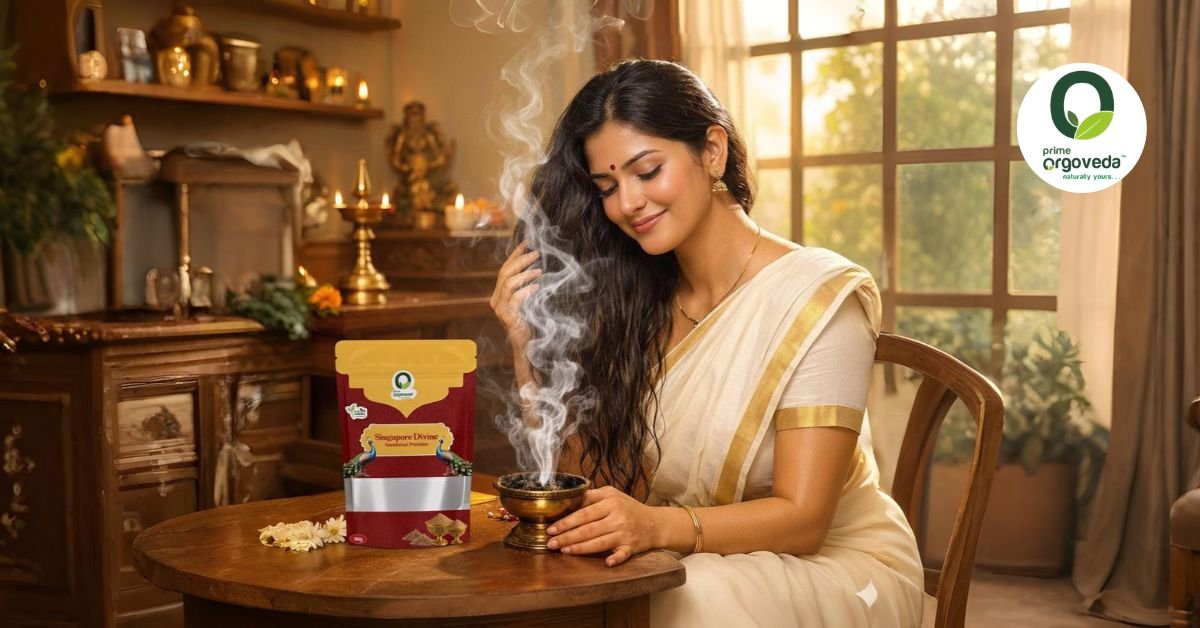
In Hindu culture, fragrance has long held a profound spiritual significance. From the gentle aroma of incense sticks to the purifying smoke of sacred herbs, scent is believed to connect the physical world with the divine. Among these sacred elements, sambrani (benzoin resin) occupies a special place in daily pooja, temple rituals, and traditional ceremonies. When burned, sambrani releases a rich, soothing fragrance that is not only pleasing to the senses but is also considered a powerful purifier of negative energies.
For centuries, sambrani has been used in Hindu households to sanctify the prayer room before offering prayers to deities. The rising smoke symbolizes the elevation of thoughts, carrying devotees’ prayers toward the divine. It is also used after lighting lamps and incense, completing the ritual by creating a spiritually charged atmosphere that promotes focus, devotion, and inner calm.
In temples, sambrani smoke is often waved before the deity as part of the dhoopam offering, signifying respect, surrender, and the removal of impurities from the surroundings. During festivals, homams, and auspicious occasions, its presence is considered essential because it enhances the sanctity of the space and invites positive vibrations.
Beyond its spiritual value, sambrani also reflects the wisdom of traditional living. It has been used to purify living spaces, freshen the home naturally, and even in post-bath rituals for hair fumigation—especially in South Indian customs. This unique combination of spiritual symbolism, cultural heritage, and practical benefits is why sambrani remains an indispensable part of Hindu traditions across generations.
In today’s world, where many seek natural and meaningful ways to maintain sacred rituals at home, Singapore Divine Sambrani Powder offers a convenient and authentic way to uphold this timeless practice while preserving its divine essence.
What Is Singapore Divine Sambrani Powder?
Singapore Divine Sambrani Powder is a refined and easy-to-use form of traditional sambrani (benzoin resin) that is specially processed for modern pooja practices. Unlike raw sambrani lumps, which can be sticky and difficult to handle, this powdered form is finely blended to ensure smooth burning, consistent fragrance, and convenient daily use.
It is typically made by combining high-quality benzoin resin with natural herbal ingredients that enhance its aroma and burning properties. When placed on hot charcoal or in a dhoop burner, the powder produces thick, white, fragrant smoke that spreads quickly across the space, creating a sacred and calming atmosphere ideal for prayer and meditation.
The term “Singapore” in Singapore Divine Sambrani Powder generally refers to the traditional trade name and quality standard associated with premium sambrani products that are known for their strong, long-lasting fragrance and clean smoke. It does not necessarily mean the product is manufactured in Singapore, but rather indicates a superior grade that has been widely trusted in temples and households for pooja purposes.
This powdered form is especially popular because it:
- Burns more evenly than raw resin
- Produces instant and dense aromatic smoke
- Is easy to measure and use daily
- Leaves a pleasant lingering fragrance in the home
- Is suitable for both pooja rituals and traditional hair fumigation
By combining the authenticity of ancient sambrani with the convenience of modern preparation, Singapore Divine Sambrani Powder has become an essential spiritual product for households that wish to maintain purity, positivity, and devotion in their daily rituals.
Historical and Spiritual Significance in Hindu Rituals
The use of sambrani in Hindu rituals dates back to ancient Vedic times, when aromatic resins and herbs were offered into sacred fire as part of yajnas and homams. These fragrant offerings were believed to purify the environment, please the deities, and elevate the spiritual energy of the ritual space. Sambrani, with its rich and calming aroma, gradually became an essential component of daily worship in homes and temples.
In traditional temple practices, sambrani is used during dhoopam, one of the important upacharas (ritual offerings) made to the deity. The rising smoke symbolizes the devotee’s prayers ascending toward the divine and represents the transformation of the material into the spiritual. It is also believed to remove negative vibrations and prepare the surroundings for divine presence.
Spiritually, sambrani is associated with purity and sanctity. Before beginning pooja, many households wave sambrani smoke around the altar, idols, and the entire home to cleanse the space. This act signifies the removal of impurities not only from the environment but also from the mind of the devotee, helping create a focused and devotional state.
Sambrani also plays an important role during festivals, vratams, and auspicious ceremonies such as weddings, naming rituals, and housewarming functions. Its fragrance is considered a sign of divine blessing and positive energy. In many South Indian traditions, it is used after the morning bath and during evening prayers, reinforcing its place in daily spiritual life.
Beyond ritual use, sambrani reflects the holistic wisdom of Hindu culture, where fragrance, fire, and smoke are seen as mediums that connect the physical body, the surrounding space, and the inner soul with higher consciousness. This deep historical and spiritual relevance is why Sambrani continues to be regarded as a sacred and indispensable element in Hindu worship across generations.
Symbol of Purification and Removal of Negative Energy
In Hindu spiritual practice, purification is the first and most important step before any pooja or sacred ritual. Sambrani has long been regarded as a powerful medium for cleansing both the physical space and the subtle energy surrounding it. When the sambrani powder is placed on burning charcoal, the thick, fragrant smoke that rises is believed to dispel negative vibrations and restore spiritual harmony within the home.
The act of carrying sambrani smoke around the prayer room, living spaces, and entrances is more than a cultural custom—it symbolizes the removal of unseen impurities. Just as water cleanses the body, sambrani smoke is said to purify the atmosphere, making it suitable for divine presence and worship. This practice helps devotees transition from daily worldly activities into a calm and sacred state of mind.
Spiritually, the upward movement of the smoke represents the transformation of negative thoughts into positive intentions. It encourages mental clarity, emotional balance, and a deeper sense of devotion. Many households use sambrani during the early morning and evening hours because these times are considered ideal for clearing stagnant energy and inviting peace and positivity.
In addition to its symbolic value, sambrani is also known for its natural antibacterial and air-purifying properties, which further reinforce its role as a cleansing agent. This combination of spiritual meaning and practical benefit is why it is used before lighting lamps, chanting prayers, or performing meditation.
By purifying the surroundings and uplifting the mind, Sambrani creates an environment where devotion can flourish. This is why it continues to be seen as a sacred tool for removing negativity and establishing a pure, divine atmosphere in every Hindu ritual.
Enhancing the Divine Atmosphere During Pooja
A serene and spiritually charged atmosphere is essential for meaningful pooja, and sambrani plays a vital role in creating this sacred environment. The moment the fragrant smoke begins to spread, it transforms the prayer space into a calm and divine setting, helping devotees shift their focus from worldly thoughts to spiritual contemplation.
The rich, lingering aroma of sambrani stimulates the senses in a gentle and soothing way. Unlike artificial fragrances, its natural scent promotes mental clarity, emotional balance, and a deep sense of peace. This makes it easier to chant mantras, perform aarti, and meditate with full concentration and devotion. The presence of this sacred fragrance also enhances the feeling of reverence toward the deity, making the entire ritual more immersive and heartfelt.
In traditional practice, sambrani is offered after lighting the lamp and incense, completing the sequence of pooja rituals. The glowing charcoal and rising smoke symbolize the presence of divine energy, while the fragrance signifies purity and devotion. Many devotees believe that the pleasant aroma invites positive vibrations and creates a welcoming atmosphere for the deity.
Sambrani is especially significant during special occasions such as festivals, vratams, and homams, where a spiritually uplifting environment is essential. Its use helps unify the senses—sight through the lamp’s flame, sound through the ringing bell, and smell through the sacred fragrance—resulting in a holistic devotional experience.
By filling the space with purity, calmness, and positive energy, sambrani not only enhances the external atmosphere but also prepares the mind and heart for sincere worship. This is why it remains an indispensable element in pooja, helping devotees experience a deeper connection with the divine.
Essential for Daily Pooja and Special Occasions
Sambrani holds a unique place in both daily worship and special Hindu ceremonies, making it an indispensable part of spiritual practice. In many households, the day begins and ends with pooja, and the gentle wafting of sambrani smoke helps establish a pure and peaceful environment for offering prayers. Its fragrance signals the transition from routine activities to a sacred time dedicated to devotion and inner reflection.
During daily pooja, sambrani is typically used after lighting the lamp and incense. The smoke is waved around the altar, idols, and the entire prayer room to cleanse the space and invite positive energy. This simple act enhances concentration during mantra chanting and creates a calm atmosphere that supports meditation and gratitude.
Its importance becomes even more prominent during special occasions such as festivals, vratams, homams, housewarming ceremonies, weddings, and naming rituals. On these auspicious days, the presence of sambrani is believed to attract divine blessings and protect the home from negative influences. The rich fragrance adds a sense of celebration and sanctity, making the ritual feel complete and spiritually fulfilling.
In many South Indian traditions, sambrani is also used in the evening after sunset, a time considered ideal for removing accumulated negative energy from the day. The practice of carrying the sambrani burner throughout the home symbolizes the spreading of positivity and harmony to every corner.
Because it serves both spiritual and cultural purposes—purifying the environment, enhancing devotion, and marking sacred moments—sambrani continues to be an essential element in daily pooja as well as in life’s most important ceremonies.
Traditional Use After Bath and for Hair Fumigation
In many South Indian households, sambrani is not only used for pooja but also as an important part of post-bath rituals, especially for women and children. After washing the hair, the gentle fumigation of sambrani smoke is believed to help dry the scalp naturally while leaving behind a pleasant, long-lasting fragrance.
Traditionally, a small piece of burning charcoal is placed in a sambrani holder, and a pinch of sambrani powder is added to produce thick, aromatic smoke. The person then allows the smoke to pass through the hair by covering it loosely with a basket or cloth. This method helps absorb excess moisture from the scalp, which is particularly beneficial for those with long or thick hair.
Beyond its practical use, this ritual carries cultural and wellness significance. Sambrani smoke is believed to have natural antimicrobial properties that help maintain scalp hygiene and reduce the chances of infections caused by dampness. It also imparts a fresh, temple-like fragrance to the hair without the use of chemical products.
Elders have long recommended this practice for strengthening hair roots, preventing colds that may occur from a wet scalp, and promoting overall comfort after bathing. For children, it was often part of weekly oil-bath traditions, combining care, protection, and a sense of warmth.
This time-honored custom reflects the holistic nature of traditional living, where spiritual elements and daily self-care are beautifully interconnected. By using sambrani for hair fumigation, households continue to preserve a natural, aromatic, and culturally rich practice that has been followed for generations.
Health and Ayurvedic Benefits of Sambrani Smoke
Sambrani has been valued not only for its spiritual importance but also for its traditional health and wellness benefits. In Ayurveda and folk practices, the aromatic smoke of sambrani is believed to support a clean, balanced, and harmonious living environment.
One of the key benefits attributed to sambrani smoke is its natural air-purifying quality. When burned, it releases a dense fragrance that helps reduce unpleasant odors and is traditionally believed to cleanse the surroundings of airborne impurities. This is why it has been widely used in homes after cleaning, during seasonal changes, and in sick rooms to maintain a fresh atmosphere.
Sambrani is also known for its calming effect on the mind. The warm, resinous aroma helps reduce stress, anxiety, and mental fatigue, making it ideal for use during meditation, prayer, or relaxation. Its soothing scent promotes emotional balance and helps create a peaceful environment that supports better focus and inner clarity.
In traditional Ayurvedic thinking, pleasant natural fragrances are associated with balancing the senses and uplifting the mood. Sambrani smoke is considered grounding and stabilizing, which may help in reducing restlessness and promoting a sense of well-being. This is one of the reasons it is used during evening hours, when the body and mind need to transition into a state of rest.
Additionally, the use of sambrani for post-bath fumigation is believed to help keep the scalp dry, maintain hygiene, and protect against discomfort caused by excess moisture. Its warming nature is traditionally thought to help prevent colds that may result from damp hair, especially in cooler environments.
While these benefits are rooted in traditional knowledge and cultural practices, they continue to be valued in modern homes as a natural alternative to synthetic air fresheners. By combining aromatic therapy, environmental cleansing, and mental relaxation, sambrani smoke contributes to a holistic sense of health and spiritual well-being.
How to Use Singapore Sambrani Powder Correctly in Rituals
Using Singapore Divine Sambrani Powder in the proper way ensures maximum fragrance, effective purification, and a safe pooja experience. Though the process is simple, following the traditional method helps create a more sacred and spiritually uplifting atmosphere.
Step 1: Prepare the Sambrani Burner or Dhoop Holder
Use a heat-resistant sambrani holder, dhoop cup, or a small metal/earthen burner. Place it on a stable surface in your pooja room to ensure safety.
Step 2: Light the Charcoal
Take a small piece of charcoal and light it using a matchstick or lamp flame. Allow it to burn until it becomes red-hot and is covered with a light layer of ash. This indicates that the charcoal is ready for use.
Step 3: Add the Sambrani Powder
Sprinkle a small pinch of Singapore Sambrani Powder onto the hot charcoal. Immediately, thick, fragrant smoke will begin to rise. Only a small quantity is needed to produce a rich aroma.
Step 4: Offer the Dhoop in Pooja
Gently wave the burner in clockwise circles before the deity as part of the dhoopam offering. This act symbolizes devotion, purification, and respect. You may also move the smoke around the altar, idols, and pooja items to sanctify them.
Step 5: Purify the Entire Home
After the main offering, carefully carry the sambrani burner to different rooms of the house, especially entrances and corners. This traditional practice is believed to remove negative energy and spread positive vibrations throughout the home.
Step 6: Use at the Right Time
Sambrani is most effective when used during morning pooja, evening prayers, and on special occasions such as festivals, vratams, and homams. It can also be used after cleaning the house to refresh the environment.
Safety Tips
- Always use a heat-proof holder.
- Keep away from children and flammable materials.
- Use only a small quantity of powder at a time.
- Ensure proper ventilation while allowing the fragrance to spread.
By following these steps, Singapore Sambrani Powder can be used safely and effectively to enhance spiritual rituals, purify the surroundings, and create a divine atmosphere that supports devotion and inner peace.
Conclusion
Sambrani has remained an integral part of Hindu traditions for generations because it beautifully unites spirituality, culture, and daily living. From purifying the prayer space and enhancing the divine atmosphere during pooja to its traditional use in homes for positivity and wellness, its significance goes far beyond fragrance. The sacred smoke symbolizes the removal of negativity, the elevation of thoughts, and the welcoming of divine blessings into the home.
Singapore Divine Sambrani Powder makes this timeless practice more convenient while preserving its authenticity. Its easy-to-use powdered form, rich aroma, and consistent burning quality allow devotees to incorporate it effortlessly into daily pooja, special ceremonies, and traditional rituals. Whether used in the morning to begin the day with purity or in the evening to restore peace and harmony, it helps create a spiritually uplifting environment.
In today’s fast-paced world, where maintaining sacred routines can be challenging, sambrani serves as a simple yet powerful way to reconnect with tradition. It prepares the mind for prayer, purifies the surroundings, and fills the home with a temple-like fragrance that nurtures devotion and inner calm.
By making Singapore Divine Sambrani Powder a part of your daily rituals, you are not only following an ancient custom but also inviting divine energy, positivity, and spiritual balance into every aspect of life.


 Agarbatti
 Computer Loban
 Dhoop Sticks
 Dhoop Cones
 Loban Powder
 Dhoop Cups
 Soap
Soap Facewash
 Shampoo