
Blog
Why Amla, Tulsi & Aloe Vera Shampoo Is Trending in Natural Hair Care?

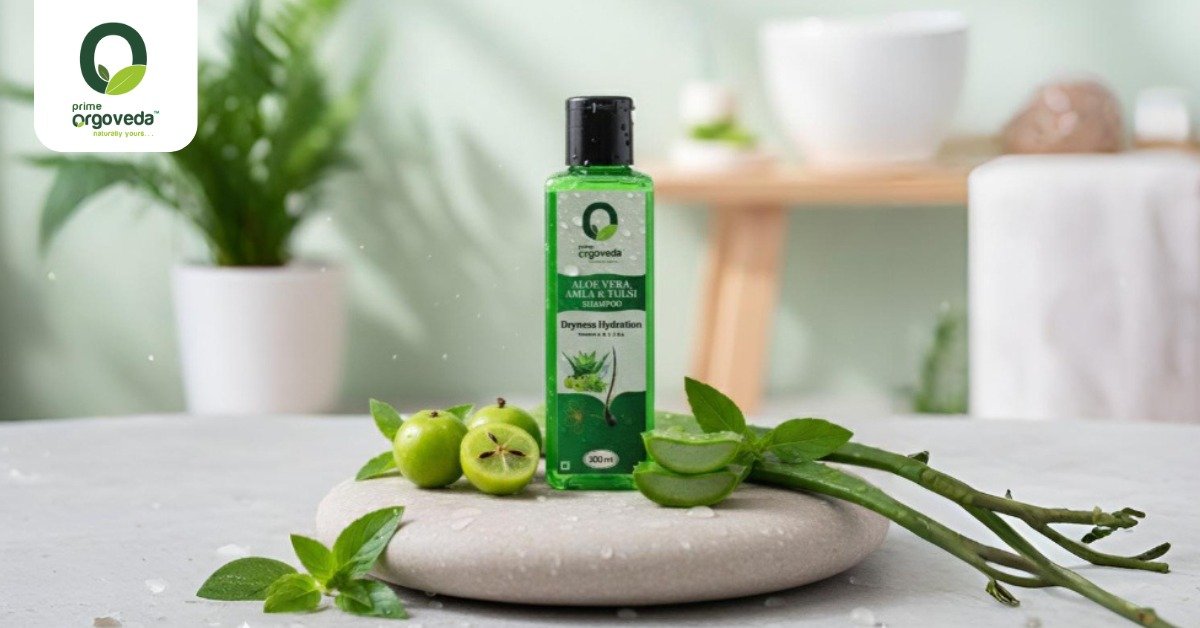
In recent years, the beauty industry has witnessed a powerful shift toward clean, conscious, and ingredient-focused products. Consumers are no longer satisfied with shampoos that simply promise shine and smoothness—they want formulas that are safe, transparent, and rooted in nature. This growing awareness has fueled the rise of natural hair care solutions, especially those inspired by Ayurveda and time-tested herbal remedies.
Modern lifestyles expose our hair to pollution, heat styling, chemical treatments, and stress. At the same time, many conventional shampoos contain sulfates, parabens, and synthetic fragrances that may strip the scalp of its natural oils. As a result, more people are turning to plant-based alternatives that cleanse gently while nourishing the scalp and strengthening the roots.
Ingredients like amla, tulsi, and aloe vera have been trusted in traditional wellness systems for centuries. Their resurgence in modern formulations reflects a broader movement toward holistic self-care—where hair health begins at the scalp and is supported by natural, botanical ingredients rather than harsh chemicals.
The rise of natural hair care isn’t just a trend—it’s a conscious lifestyle choice. Consumers today value sustainability, transparency, and long-term benefits over quick cosmetic fixes. This evolving mindset has made herbal shampoos one of the fastest-growing segments in the personal care market, redefining how we approach everyday hair cleansing.
As awareness continues to grow, natural solutions are no longer considered alternatives—they are becoming the preferred standard for healthy, resilient, and beautiful hair.
Benefits of Amla for Stronger & Healthier Hair
For centuries, Amla has been celebrated in traditional hair care rituals for its powerful nourishing properties. Scientifically known as Phyllanthus emblica, this small green fruit is rich in Vitamin C, antioxidants, and essential nutrients that support overall scalp and hair health. Its resurgence in modern herbal shampoos is no surprise—Amla delivers visible, long-term results naturally.
1. Promotes Stronger Hair Roots
Amla is packed with antioxidants that help strengthen hair follicles from the root. Regular use in shampoos can reduce hair breakage and improve the overall resilience of strands, making hair feel thicker and healthier over time.
2. Reduces Hair Fall
One of the most popular benefits of Amla is its ability to minimize hair fall. By improving scalp circulation and nourishing hair follicles, it supports healthier growth cycles and reduces excessive shedding.
3. Encourages Natural Hair Growth
The high Vitamin C content in Amla boosts collagen production, which is essential for healthy hair growth. Stronger follicles mean improved hair density and faster regrowth when used consistently.
4. Prevents Premature Greying
Amla has traditionally been used to maintain natural hair pigmentation. Its rich antioxidant profile helps combat oxidative stress, one of the key causes of premature greying.
5. Enhances Shine & Smoothness
Beyond strengthening, Amla also improves hair texture. It helps seal moisture into the strands, leaving hair smoother, shinier, and more manageable without the need for synthetic conditioners.
6. Balances the Scalp
A healthy scalp is the foundation of healthy hair. Amla’s natural properties help maintain scalp balance, reducing dryness and irritation while supporting a clean, refreshed feel.
In herbal shampoos, Amla works as a foundational ingredient—nourishing, strengthening, and revitalizing hair from root to tip. Its ability to address multiple concerns naturally is one of the key reasons Amla-based shampoos continue to trend in the natural hair care movement.
Tulsi – The Scalp Detoxifier & Dandruff Fighter
Known as the “Queen of Herbs” in Ayurveda, Tulsi has long been valued for its powerful healing and purifying properties. Scientifically called Ocimum tenuiflorum, Tulsi is widely used in herbal hair care formulations for its ability to cleanse, balance, and protect the scalp naturally.
1. Deep Scalp Detoxification
Tulsi acts as a natural detoxifier. It helps remove excess oil, product buildup, and environmental impurities that accumulate on the scalp. A clean scalp creates the ideal foundation for stronger and healthier hair growth.
2. Fights Dandruff Effectively
One of Tulsi’s standout benefits is its anti-fungal and antibacterial properties. These help combat dandruff-causing microbes, reduce flakes, and prevent recurring scalp infections without the harshness of chemical treatments.
3. Soothes Itchy & Irritated Scalp
If you struggle with scalp itchiness or redness, Tulsi can help calm inflammation. Its natural soothing properties reduce irritation and provide a refreshing, cooling sensation.
4. Controls Excess Oil Production
An imbalanced scalp often leads to either excessive dryness or oiliness. Tulsi helps regulate sebum production, making it especially beneficial for people with oily or acne-prone scalps.
5. Strengthens Hair from the Roots
By improving blood circulation in the scalp, Tulsi supports healthier follicles. Stronger roots mean reduced hair fall and improved overall hair density over time.
6. Promotes a Fresh, Herbal Fragrance
Apart from its therapeutic benefits, Tulsi leaves behind a naturally fresh and uplifting aroma, enhancing the overall hair-washing experience.
In Amla, Tulsi & Aloe Vera shampoos, Tulsi plays the crucial role of scalp purifier and protector. By detoxifying the scalp and keeping dandruff at bay, it ensures that hair grows in a clean, balanced, and healthy environment—naturally and effectively.
Aloe Vera – Nature’s Deep Conditioner
When it comes to natural hydration and scalp soothing, Aloe Vera stands out as one of the most trusted botanical ingredients in hair care. Scientifically known as Aloe vera, this succulent plant is packed with vitamins, enzymes, amino acids, and antioxidants that deeply nourish both scalp and strands.
1. Intense Hydration for Dry Hair
Aloe Vera is composed largely of water, making it a powerful natural moisturizer. It penetrates the hair shaft to lock in hydration, helping dry and brittle hair regain softness and elasticity.
2. Soothes & Calms the Scalp
Its cooling and anti-inflammatory properties help relieve scalp irritation, redness, and itchiness. This makes Aloe Vera especially beneficial for sensitive scalps or those exposed to pollution and heat styling.
3. Improves Hair Texture & Smoothness
Aloe Vera naturally smooths the hair cuticle, reducing frizz and enhancing shine. Hair feels silkier and more manageable without the heavy buildup often caused by synthetic conditioners.
4. Supports Healthy Hair Growth
By nourishing hair follicles and maintaining a balanced scalp pH, Aloe Vera creates an optimal environment for consistent and healthy hair growth.
5. Strengthens & Reduces Breakage
Rich in vitamins A, C, and E, Aloe Vera helps repair damaged strands and strengthen weak hair, minimizing split ends and breakage over time.
6. Gentle Yet Effective Cleansing
Unlike harsh chemical conditioners, Aloe Vera conditions hair without clogging pores or weighing it down, making it suitable for all hair types—including oily and fine hair.
In Amla, Tulsi & Aloe Vera shampoos, Aloe Vera acts as the natural deep conditioner that balances cleansing with hydration. While other herbs purify and strengthen, Aloe ensures hair remains soft, nourished, and smooth—making it an essential component in modern natural hair care.
Chemical-Free Formula vs. Conventional Shampoos
When choosing a shampoo, the biggest difference lies in the ingredient list. While conventional shampoos focus on instant results like heavy lather and quick smoothness, chemical-free formulas prioritize long-term scalp health and natural nourishment.
Understanding this difference helps explain why more consumers are switching to herbal blends like Amla, Tulsi, and Aloe Vera shampoos.
1. Harsh Cleansers vs. Gentle Cleansing
Many conventional shampoos contain sulfates such as SLS (Sodium Lauryl Sulfate), which create rich foam but can strip the scalp of its natural oils. This often leads to dryness, irritation, and increased oil production as the scalp tries to rebalance itself.
Chemical-free shampoos, on the other hand, use milder plant-based cleansers that remove dirt and buildup without disturbing the scalp’s natural moisture barrier.
2. Synthetic Additives vs. Herbal Nourishment
Traditional shampoos may include parabens (preservatives), silicones (for temporary smoothness), and artificial fragrances. While these ingredients provide short-term shine and softness, they can cause buildup and scalp sensitivity over time.
Herbal formulas enriched with ingredients like:
- Phyllanthus emblica
- Ocimum tenuiflorum
- Aloe vera
offer nourishment, scalp care, and hydration naturally—without synthetic residue.
3. Short-Term Cosmetic Results vs. Long-Term Hair Health
Conventional shampoos often deliver instant smoothness due to silicone coatings that temporarily mask damage. However, once washed off, hair may return to its original condition or even become weaker with repeated chemical exposure.
Chemical-free shampoos focus on strengthening roots, improving scalp health, and enhancing natural shine over time—resulting in healthier hair from within.
4. Environmental Impact
Many chemical-heavy shampoos contain non-biodegradable ingredients that may harm aquatic ecosystems. Herbal formulations are generally more eco-friendly, using biodegradable plant extracts and sustainable sourcing practices.
5. Suitable for Sensitive Scalps
People with dandruff, itchiness, or scalp sensitivity often find relief with chemical-free options. The absence of harsh detergents and artificial fragrances makes herbal shampoos gentler and safer for regular use.
In today’s clean beauty movement, chemical-free shampoos are no longer an alternative—they are becoming the preferred choice for consumers who value scalp health, sustainability, and natural results over quick cosmetic fixes.
Suitable for All Hair Types – A Universal Herbal Solution
One of the biggest reasons Amla, Tulsi & Aloe Vera shampoos are trending is their versatility. Unlike many conventional shampoos that are formulated for a single concern—like dry hair, oily scalp, or dandruff—this herbal combination works holistically, making it suitable for almost every hair type.
The secret lies in the natural balance of the ingredients: strengthening, detoxifying, and hydrating—all in one formula.
1. Ideal for Dry & Frizzy Hair
Dry hair needs moisture without heaviness. Aloe Vera provides deep hydration, while Amla helps improve texture and shine. Together, they reduce frizz and restore softness naturally—without silicone buildup.
2. Perfect for Oily Scalp
An oily scalp requires cleansing without over-drying. Tulsi acts as a natural detoxifier, helping regulate excess sebum production while keeping the scalp fresh and balanced. Unlike harsh shampoos, it doesn’t trigger rebound oiliness.
3. Effective for Dandruff-Prone Hair
Tulsi’s purifying properties and Amla’s scalp-nourishing benefits work together to reduce flakes and irritation. Aloe Vera adds soothing comfort, making this trio especially beneficial for people struggling with recurring dandruff.
4. Safe for Chemically Treated or Damaged Hair
Hair exposed to coloring, straightening, or heat styling becomes weak and brittle. Amla strengthens roots, Aloe Vera repairs moisture loss, and Tulsi supports scalp recovery—making the formula gentle enough for treated hair.
5. Suitable for Curly & Textured Hair
Curly and textured hair types often require extra hydration and reduced frizz. Aloe Vera enhances curl definition naturally, while Amla supports elasticity and shine without weighing curls down.
6. Gentle for Sensitive Scalps
Because it avoids harsh chemicals and synthetic additives, a herbal shampoo enriched with:
- Phyllanthus emblica
- Ocimum tenuiflorum
- Aloe vera
is typically milder and more scalp-friendly than conventional alternatives.
A Balanced Formula for Everyone
Instead of targeting just one issue, this herbal blend supports overall scalp balance and hair strength. Whether your hair is dry, oily, curly, straight, damaged, or normal, the formula adapts to your scalp’s needs—making it a truly universal herbal solution.
This flexibility is one of the key reasons why Amla, Tulsi & Aloe Vera shampoos continue to gain popularity in modern natural hair care routines.
Ayurvedic Science Behind the Ingredient Combination
The power of Amla, Tulsi, and Aloe Vera shampoo isn’t just based on trends—it’s deeply rooted in Ayurvedic science. Ayurveda, the ancient Indian system of holistic healing, focuses on balancing the body’s energies (Doshas) and addressing the root cause of problems rather than just symptoms. When applied to hair care, this philosophy emphasizes scalp health, nourishment, and long-term strength.
Understanding Hair Through Ayurveda
According to Ayurveda, hair health is connected to overall body balance, especially the Pitta Dosha (associated with heat and metabolism). Excess Pitta is often linked to hair fall, premature greying, and scalp irritation. Herbal ingredients are carefully selected to cool, nourish, and restore balance.
Amla – Cooling & Strengthening
Phyllanthus emblica is considered a powerful Rasayana (rejuvenating herb) in Ayurveda. It helps:
- Cool excess heat in the scalp
- Strengthen hair roots
- Support natural pigmentation
- Improve overall scalp vitality
Its high antioxidant content aligns with Ayurveda’s principle of protecting tissues from damage and promoting regeneration.
Tulsi – Purifying & Balancing
Ocimum tenuiflorum is revered as a sacred and healing herb. In Ayurvedic terms, Tulsi helps:
- Detoxify the scalp
- Balance excess oil production
- Protect against microbial buildup
- Stimulate circulation for healthier follicles
It works as a natural purifier, creating a clean and balanced environment for hair growth.
Aloe Vera – Soothing & Hydrating
Aloe vera is valued for its cooling and moisturizing properties. Ayurveda recognizes its ability to:
- Soothe inflammation
- Maintain scalp hydration
- Support tissue repair
- Restore pH balance
It complements Amla and Tulsi by preventing dryness while enhancing softness and elasticity.
The Power of Synergy
Ayurveda rarely relies on a single herb. Instead, it combines ingredients that enhance each other’s effects.
- Amla strengthens and rejuvenates
- Tulsi purifies and protects
- Aloe Vera hydrates and soothes
Together, they create a balanced formula that addresses multiple hair concerns—hair fall, dandruff, dryness, and scalp imbalance—without disrupting the body’s natural harmony.
A Holistic Approach to Hair Care
Unlike conventional products that focus only on surface-level results, the Ayurvedic combination works from the roots upward. By nurturing the scalp, improving circulation, and maintaining moisture balance, this trio supports healthier, stronger hair over time.
This scientific synergy rooted in ancient wisdom is one of the main reasons Amla, Tulsi & Aloe Vera shampoo continues to trend in the natural hair care movement.
How to Choose a High-Quality Amla, Tulsi & Aloe Vera Shampoo
With the surge in natural hair care products, the market is now filled with countless shampoos claiming to be “herbal” or “Ayurvedic.” But not all formulations are created equal. To truly benefit from the goodness of Amla, Tulsi & Aloe Vera, it’s important to choose a high-quality shampoo that delivers results without hidden chemicals or misleading claims.
Here’s a practical guide to help you pick the best one for your hair:
1. Check the Ingredient List
Look for shampoos that list Amla (Phyllanthus emblica), Tulsi (Ocimum tenuiflorum), and Aloe Vera (Aloe barbadensis) near the top of the ingredient list. Ingredients are typically listed in order of concentration, so the earlier they appear, the more potent the formulation.
Avoid products where these plant extracts appear at the bottom or are listed without specifics—these may contain minimal amounts and rely more on fillers.
2. Avoid Harsh Chemicals
Even some products marketed as “natural” may still include:
- Sulfates (SLS, SLES) – can strip natural oils
- Parabens – potential hormone disruptors
- Silicones (e.g., dimethicone) – cause buildup
- Synthetic fragrances & artificial colors
Choose shampoos labeled sulfate-free, paraben-free, and silicone-free for a truly clean experience.
3. Look for Genuine Herbal Extracts
Not all “herbal” tags are legitimate. Verify whether the brand uses real botanical extracts rather than just fragrance or “essence.” Certifications like organic, Ayurvedic formulation, or plant-based can add credibility.
4. Check for pH Balance
A scalp-friendly shampoo should have a balanced pH (usually between 4.5–6.5). pH-balanced formulas help maintain the scalp’s natural acidity, preventing dryness, irritation, and breakage.
5. Avoid Heavy Fillers & Artificial Thickeners
Some shampoos use synthetic thickeners or microplastics to mimic a rich texture. These do not contribute to hair health and can cause buildup over time. Natural thickening agents like guar gum, xanthan gum, or plant-derived polymers are preferable.
6. Consider Brand Transparency
Trustworthy brands often provide:
- Detailed sourcing information
- Third-party testing results
- Clear explanations of herbal benefits
- No vague marketing claims
Transparency shows confidence in product quality.
7. Look for Additional Supportive Ingredients
While Amla, Tulsi, and Aloe Vera are powerful on their own, supportive botanicals can enhance results. Ingredients like Brahmi, Bhringraj, Neem, Coconut oil, or Fenugreek add extra nourishment and strengthening properties.
8. Read User Reviews & Feedback
Real-world feedback can reveal how a shampoo performs over time—especially for concerns like dandruff, hair fall, dryness, or scalp sensitivity. Look for long-term reviews rather than just instant results.
9. Consider Hair Type & Needs
While Amla, Tulsi & Aloe Vera shampoos are generally versatile, some formulations are tailored for specific concerns like:
- Oily scalp
- Dry or frizzy hair
- Sensitive scalp
- Dandruff-prone hair
Choose a variant that aligns with your hair goals.
10. Price vs Quality – Find the Balance
Natural and high-quality herbal shampoos may cost more due to genuine botanicals and ethical sourcing. However, avoid overpriced products with minimal herbal content. Focus on value—not just price tag.
Conclusion
The growing popularity of Amla, Tulsi & Aloe Vera shampoo reflects more than just a beauty trend—it signals a shift toward mindful, holistic self-care. As consumers become more aware of what they apply to their hair and scalp, natural formulations rooted in tradition are gaining well-deserved attention.
The powerful trio of
- Phyllanthus emblica for strength and nourishment,
- Ocimum tenuiflorum for purification and scalp balance, and
- Aloe vera for deep hydration and soothing care
creates a formula that supports hair health from the roots upward. Instead of masking problems with temporary fixes, these botanical ingredients work gently and consistently to improve scalp condition, reduce hair fall, control dandruff, and enhance natural shine.
In a world filled with quick cosmetic solutions, choosing herbal hair care represents a commitment to long-term wellness. It aligns with sustainable living, clean beauty principles, and the timeless wisdom of Ayurveda.
By embracing nature-backed ingredients, you’re not just caring for your hair—you’re investing in healthier, stronger strands for the future


 Agarbatti
 Computer Loban
 Dhoop Sticks
 Dhoop Cones
 Loban Powder
 Dhoop Cups
 Soap
Soap Facewash
 Shampoo