
Blog
Guggal Agarbatti Uses in Daily Pooja – Benefits & Traditions

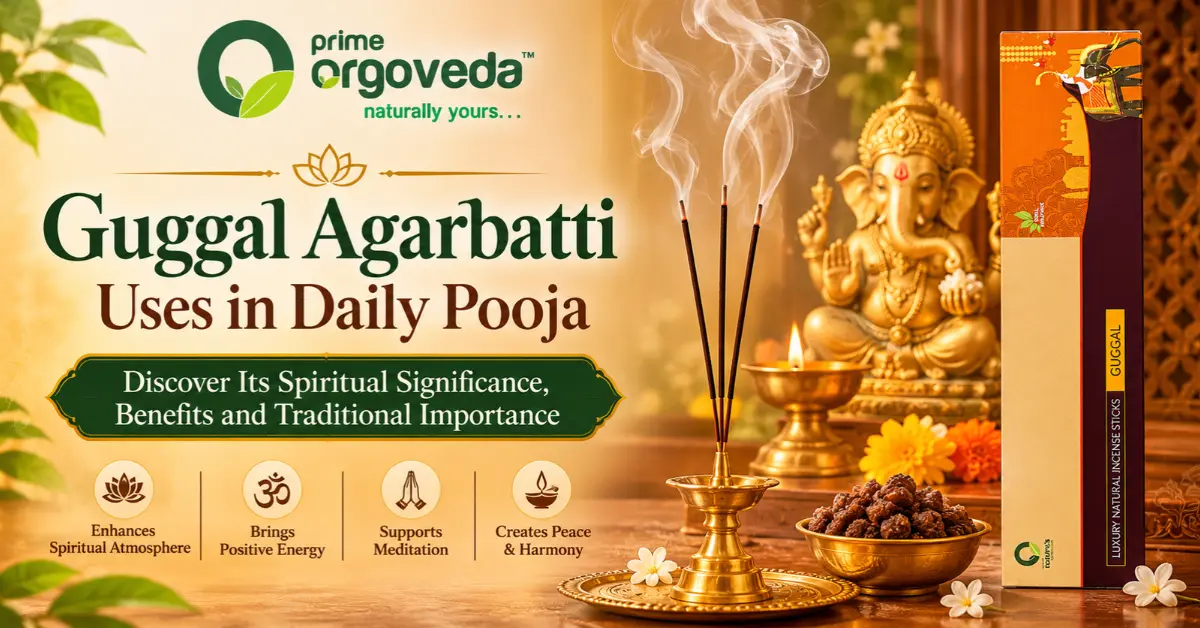
In Indian households, the beginning of the day often carries a beautiful tradition: lighting an incense stick, offering prayers, and welcoming the morning with devotion. The gentle fragrance that fills the prayer room creates a special atmosphere where faith, tradition, and peaceful moments come together. Among the many traditional fragrances used in Indian worship, Guggal holds a distinctive place because of its deep, warm, and aromatic character.
Guggal Agarbatti is more than just an incense product for many families. It represents a connection with age-old Indian customs, spiritual practices, and the beauty of everyday worship. Its characteristic fragrance makes it a meaningful addition to morning pooja, evening aarti, meditation, and other devotional rituals.
Whether you are beginning your day with a simple prayer or preparing your home temple for a special occasion, Guggal incense can help create an inviting atmosphere for your spiritual routine.
At Orgoveda, we appreciate the timeless beauty of traditional Indian fragrances and their place in modern mindful living. Our approach celebrates the connection between heritage, fragrance, and everyday rituals, helping you make ordinary moments feel more meaningful.
2. What Is Guggal Agarbatti? Understanding Its Traditional Significance
Guggal, also known as Guggul, is an aromatic resin traditionally obtained from the Commiphora wightii plant, which is native to parts of the Indian subcontinent and surrounding regions. This natural resin has been valued in traditional Indian practices for generations and is associated with aromatic, cultural, and ritual uses.
Guggal Agarbatti is an incense stick inspired by the distinctive aroma of this traditional resin. It is used in many households during pooja, prayer, and other spiritual activities.
The fragrance of Guggal is generally described as warm, rich, earthy, and resinous. Unlike some lighter floral fragrances, it offers a deeper aromatic experience that complements traditional prayer settings.
What makes Guggal Agarbatti special?
- Traditional Heritage: Inspired by an aromatic ingredient with a long history in Indian customs.
- Distinctive Fragrance: Known for its characteristic warm and earthy aromatic profile.
- Pooja Companion: Commonly incorporated into daily worship and devotional practices.
- Versatile Use: Suitable for prayer rooms, home temples, meditation spaces, and traditional ceremonies.
- Cultural Connection: Reflects the importance of fragrance in Indian spiritual traditions.
Its lasting cultural significance makes Guggal a familiar choice for people who appreciate traditional incense fragrances.
3. The Spiritual Importance of Guggal in Indian Hindu Traditions
Fragrance has an important place in Hindu worship. From offering flowers and lighting diyas to burning incense, every ritual carries symbolic meaning and reflects devotion.
In many Indian traditions, aromatic substances are used as offerings to deities. Incense is associated with purity, reverence, and the preparation of a sacred environment for prayer.
Guggal has traditionally been used in certain devotional and havan-related practices. Its distinctive aroma is valued in households and religious settings where traditional resin fragrances form part of the worship experience.
The use of Guggal during pooja represents more than an aromatic choice. It reflects the desire to preserve familiar customs and maintain a meaningful connection with generations of spiritual heritage.
For many families, lighting Guggal Agarbatti is a simple yet meaningful way to begin their prayers and bring traditional fragrance into their homes.
4. Why Is Guggal Agarbatti Used in Daily Pooja?
Daily pooja is an opportunity to pause, express gratitude, and reconnect with one’s spiritual beliefs. Even a few minutes of prayer can become a cherished part of everyday life.
Guggal Agarbatti is used during daily worship because of its traditional association with devotional practices and its distinctive fragrance.
Here are some reasons why people include it in their daily pooja routines:
- Traditional Aromatic Offering
Incense is traditionally offered during worship as a gesture of devotion and reverence.
- A Distinctive Prayer Atmosphere
Its warm, earthy aroma adds a traditional fragrance to the prayer room.
- A Meaningful Daily Ritual
Lighting incense can become a familiar and comforting part of morning and evening prayers.
- Suitable for Different Worship Occasions
Guggal-inspired fragrances are commonly associated with daily pooja, special ceremonies, and festive worship.
- A Connection with Indian Heritage
Using traditional incense helps families continue customs that have been part of Indian household worship for generations.
Ultimately, the value of Guggal Agarbatti lies in the meaning people attach to their daily rituals and the atmosphere they wish to create during prayer.
5. Top 10 Uses of Guggal Agarbatti in Daily Pooja
Guggal Agarbatti can be incorporated into different moments of worship and everyday devotional routines. Here are ten traditional and practical ways to use it.
5.1 Creating a Sacred and Peaceful Prayer Environment
A prayer room is a special place where families gather to express gratitude and devotion. Lighting Guggal Agarbatti before beginning pooja introduces a traditional aromatic element into this space.
Its rich fragrance complements the spiritual atmosphere and makes the prayer experience feel more intentional and meaningful.
5.2 Beginning the Day with Positive Rituals
Many people begin their mornings by cleaning the home temple, lighting a diya, and offering prayers.
Adding Guggal Agarbatti to this routine creates a familiar sensory experience that marks the beginning of the day with devotion and mindfulness.
A simple morning ritual can become a beautiful habit that brings consistency and meaning to everyday life.
5.3 Offering Fragrance During Daily Worship
In Hindu traditions, offering incense is one of the familiar elements of devotional worship.
Guggal Agarbatti can be used as an aromatic offering during prayers, alongside flowers, water, and other traditional pooja essentials.
It adds a distinctive fragrance to the ritual and reflects the traditional importance of fragrance in worship.
5.4 Enhancing the Spiritual Atmosphere of the Home Temple
The home temple is often the heart of daily worship.
Lighting Guggal Agarbatti before prayer helps introduce a warm, traditional aroma into the surroundings. It can make the prayer area feel more inviting and create a familiar environment for family members.
5.5 Supporting Meditation and Mantra Chanting
Meditation and mantra chanting are practices that encourage concentration and mindful attention.
Some people prefer using traditional incense fragrances while meditating because familiar aromas can become part of their personal relaxation routine.
Guggal Agarbatti can be used before meditation or mantra chanting to introduce a traditional fragrance into the space.
5.6 Observing Morning and Evening Aarti
Morning and evening aarti are important devotional moments in many Indian households.
Lighting incense before or during these rituals adds another traditional element to the worship experience.
The fragrance of Guggal can accompany the sounds of bells, devotional songs, and prayers, making these moments especially memorable for families.
5.7 Traditional Use During Festivals and Special Poojas
Indian festivals such as Diwali, Navratri, Ganesh Chaturthi, and other religious occasions are celebrated with special prayers and rituals.
During these celebrations, families often use incense, diyas, flowers, and traditional offerings to prepare their worship spaces.
Guggal Agarbatti can be included as part of these devotional arrangements, bringing a familiar traditional fragrance to festive celebrations.
5.8 Creating a Welcoming Atmosphere for Guests
In Indian culture, welcoming guests is considered an expression of warmth and hospitality.
Some households use incense before family gatherings, festive occasions, and religious visits to introduce a pleasant fragrance into their surroundings.
The distinctive aroma of Guggal can complement a traditional home environment when used thoughtfully.
5.9 Incorporating Traditional Fragrance into Daily Rituals
Daily spiritual practices do not always require elaborate arrangements.
A simple combination of a clean prayer space, a diya, flowers, and incense can make everyday worship feel special.
Guggal Agarbatti offers a traditional aromatic option for families who appreciate heritage-inspired fragrances.
5.10 Bringing a Sense of Calmness to Prayer Time
Prayer is often a personal moment of reflection, gratitude, and devotion.
For some people, familiar incense fragrances help establish a consistent prayer routine and create a pleasant sensory setting.
The warm aroma of Guggal can become part of these cherished moments, helping make daily worship feel more personal and meaningful.
6. Benefits of Burning Guggal Agarbatti During Pooja
The appeal of Guggal Agarbatti comes from its traditional significance, distinctive fragrance, and suitability for different devotional occasions.
Here are some of the reasons people enjoy including it in their worship routines.
- Preserves Traditional Worship Practices
Using Guggal-inspired incense helps continue familiar aromatic customs associated with Indian religious traditions.
- Adds a Rich Aromatic Experience
Its characteristic earthy and resinous fragrance provides an alternative to floral, fruity, and lighter incense aromas.
- Complements Daily Pooja
It can be incorporated into morning prayers, evening aarti, and other household devotional rituals.
- Creates a Familiar Prayer Setting
For families accustomed to traditional incense, its fragrance can become a meaningful part of their worship environment.
- Suitable for Special Occasions
Guggal Agarbatti can accompany festive pooja, religious ceremonies, and family celebrations.
- Complements Meditation Spaces
Its traditional aroma can be included in personal meditation and mindfulness routines, according to individual fragrance preferences.
- Supports a Meaningful Daily Habit
Lighting incense before prayer can become a simple daily practice that encourages consistency and mindful attention.
Important note: These are traditional, cultural, and sensory uses. Burning incense should not be considered a proven medical treatment, air purifier, or substitute for ventilation.
7. Morning vs. Evening Pooja: When Should You Burn Guggal Agarbatti?
One of the common questions among incense users is whether Guggal Agarbatti is more suitable for morning or evening worship.
The simple answer is that it can be used during either time, depending on personal preference and household traditions.
Morning Pooja
Begin the day by cleaning the prayer area, lighting a diya, and offering incense. Guggal Agarbatti adds a traditional fragrance to the morning worship routine.
Evening Pooja
During evening aarti, Guggal Agarbatti can accompany devotional songs, prayers, and lighting of the diya, creating a familiar traditional atmosphere.
Which is better?
There is no universal rule that Guggal Agarbatti must be used only in the morning or evening. Choose the time that suits your daily worship schedule and religious customs.
8. How to Use Guggal Agarbatti in Your Daily Pooja Ritual
Using Guggal Agarbatti is simple. You can incorporate it into your daily worship routine by following these steps.
Step 1: Prepare Your Prayer Space
Clean your home temple or prayer area and arrange the necessary pooja items.
Step 2: Place the Incense Holder
Choose a stable, heat-resistant incense holder and position it away from curtains, flowers, paper, and other flammable objects.
Step 3: Light the Agarbatti
Light the coated tip of the incense stick until it catches fire briefly. Gently extinguish the flame and allow the incense to smoulder.
Step 4: Offer Your Prayers
Place the incense securely in its holder and begin your regular pooja, prayer, or devotional practice.
Step 5: Enjoy the Traditional Fragrance
Allow the aroma to complement your worship while ensuring adequate ventilation.
Step 6: Extinguish Safely
Never leave burning incense unattended. Ensure the stick and its embers are completely extinguished after use.
A simple ritual performed with devotion can make everyday worship a cherished experience.
9. Traditional Significance of Guggal Fragrance in Indian Households
India has a rich history of aromatic traditions. From sandalwood and rose to jasmine, camphor, and Guggal, different fragrances have been associated with religious ceremonies, household customs, and personal rituals.
Guggal holds a special place among traditional resin-based aromatic ingredients.
In many households, incense is more than a way to introduce fragrance. It is connected with memories of morning prayers, evening aarti, festive preparations, and moments spent with family.
The familiar aroma of traditional incense can remind people of childhood experiences, visits to temples, and the devotional practices followed by earlier generations.
As modern lifestyles become increasingly busy, these simple traditions continue to offer families an opportunity to reconnect with their cultural roots.
Guggal Agarbatti represents this beautiful relationship between fragrance and heritage, bringing a traditional aromatic experience into contemporary homes.
10. Guggal Agarbatti vs. Regular Incense Sticks: What’s the Difference?
Not all incense sticks offer the same aromatic experience. Different ingredients, fragrance compositions, and manufacturing methods influence their scent profiles.
Here is a simple comparison.
| Feature | Guggal Agarbatti | Regular Incense Sticks |
| Fragrance profile | Warm, earthy, resinous | Varies by fragrance |
| Aromatic inspiration | Traditional Guggal resin | Floral, woody, herbal, and other notes |
| Common use | Pooja and traditional rituals | Pooja, meditation, and home fragrance |
| Fragrance character | Deep and distinctive | Light, sweet, fresh, or intense |
| Popular choices | Traditional fragrance lovers | Depends on individual preference |
Which one should you choose?
If you appreciate traditional resin-inspired aromas and prefer a warm, earthy fragrance during worship, Guggal Agarbatti may be a suitable choice.
If you enjoy floral, sweet, or refreshing fragrances, you may prefer other incense varieties.
The best fragrance ultimately depends on your personal preference and the atmosphere you want to create.
11. How to Choose Premium Quality Guggal Agarbatti
Choosing the right incense stick can make a difference to your everyday fragrance experience.
Before purchasing Guggal Agarbatti, consider the following factors.
- Fragrance Quality
Look for a fragrance that offers a pleasant, balanced, and recognisable Guggal-inspired aroma.
- Ingredient Transparency
Check the packaging for ingredient information and avoid assuming that every Guggal-scented product contains only natural Guggal resin.
- Consistent Burning
Choose incense sticks designed to burn steadily when used according to the manufacturer’s instructions.
- Quality of Manufacturing
Look for properly finished sticks without excessive breakage, uneven coating, or loose material.
- Packaging and Storage
Select well-packed products that protect the incense from moisture and preserve their fragrance.
- Brand Reliability
Choose brands that provide clear product information, appropriate usage instructions, and reliable customer support.
- Personal Fragrance Preference
Traditional Guggal fragrances can vary between formulations. Choose one that suits your taste and prayer environment.
A good incense experience begins with selecting a product that matches your expectations for fragrance, quality, and everyday use.
12. Safety Tips for Burning Guggal Agarbatti at Home
Although incense is commonly used in Indian homes, it is important to follow basic safety precautions whenever burning an incense stick.
- Always use a stable, heat-resistant incense holder.
- Keep burning incense away from children and pets.
- Maintain sufficient ventilation while burning incense.
- Never leave a burning incense stick unattended.
- Keep it away from curtains, bedding, paper, and other combustible materials.
- Avoid placing incense near electrical appliances or open windows where it could fall.
- Do not touch the burning tip or hot ash.
- Extinguish the incense completely after use.
- Avoid prolonged exposure to incense smoke, particularly if you are sensitive to smoke or fragrances.
A gentle reminder: Incense smoke can affect indoor air quality. Use it in moderation and maintain good airflow, especially in smaller rooms.
13. Common Mistakes to Avoid When Using Guggal Agarbatti
To enjoy a better and safer incense experience, avoid these common mistakes.
- Burning Too Many Sticks at Once
Using several incense sticks in a small room may produce excessive smoke. One stick may be sufficient for an ordinary prayer session.
- Ignoring Ventilation
Always ensure that the room has adequate airflow.
- Using an Unstable Holder
An unsuitable holder can cause hot ash or burning incense to fall onto nearby surfaces.
- Placing Incense Near Flammable Items
Keep incense away from decorative fabrics, flowers, paper, and wooden objects that may catch fire.
- Purchasing Without Checking Product Information
Read the packaging and understand the ingredients, fragrance description, and usage instructions before purchasing.
- Leaving Incense Burning After Pooja
Never leave a smouldering incense stick unattended, even after completing your prayers.
Following these simple precautions helps make incense use more responsible and convenient.
14. Why Choose Orgoveda Guggal Agarbatti for Your Daily Pooja?
At Orgoveda, we believe that fragrance is an essential part of meaningful everyday experiences. Inspired by India’s aromatic heritage and timeless traditions, our brand brings together traditional fragrance inspiration and the preferences of modern households.
Our philosophy is rooted in creating aromatic experiences that complement prayer, meditation, relaxation, and mindful living.
When choosing Guggal Agarbatti for your daily pooja, look for the fragrance character and product details that match your expectations.
Why explore Orgoveda?
- Inspired by Indian Heritage: Celebrating the fragrance traditions and cultural richness of India.
- Aromatic Lifestyle Focus: Fragrances designed to complement everyday rituals and home fragrance preferences.
- Traditional Fragrance Choices: Products inspired by familiar Indian aromatic traditions.
- Mindful Living: Encouraging meaningful moments through fragrance and everyday rituals.
- Convenient Online Shopping: Explore Orgoveda products through our official website.
Whether you are preparing for morning pooja, evening aarti, or a special religious occasion, discover aromatic products that complement your personal traditions.
Explore our collection: Orgoveda Official Website.
15. Bring Home the Sacred Fragrance of Guggal – Make Every Prayer Special
Every day brings an opportunity to pause, offer gratitude, and reconnect with the traditions that make life meaningful.
The gentle glow of a diya, the sound of a prayer bell, fresh flowers in the home temple, and the distinctive fragrance of incense together create moments that families cherish.
Guggal Agarbatti brings the warmth of traditional Indian fragrance into these devotional experiences. Whether used during morning worship, evening aarti, meditation, or festive celebrations, it offers a familiar aromatic connection to India’s rich cultural heritage.
At Orgoveda, we celebrate these meaningful traditions through our nature-inspired luxury wellness philosophy.
Let your daily prayers begin with devotion, continue with gratitude, and be accompanied by the timeless fragrance of tradition.
Discover the aromatic world of Orgoveda today.
16. Frequently Asked Questions (FAQs) About Guggal Agarbatti
1. What is Guggal Agarbatti used for?
Guggal Agarbatti is commonly used during daily pooja, morning prayers, evening aarti, traditional ceremonies, and meditation. It is appreciated for its distinctive warm and earthy fragrance.
2. Can I burn Guggal Agarbatti every day during pooja?
Yes. Many households include Guggal-inspired incense in their daily worship routines. Use it in moderation and ensure proper ventilation.
3. Is Guggal Agarbatti suitable for morning and evening prayers?
Yes. It can be used during both morning and evening prayers, depending on your personal preferences and household traditions.
4. What makes Guggal fragrance special in Hindu traditions?
Guggal is a traditional aromatic resin associated with Indian cultural and devotional practices. Its distinctive resinous fragrance makes it a familiar choice for certain religious rituals.
5. Can Guggal Agarbatti be used during meditation?
Yes. People who enjoy its warm aroma may include it in their meditation or mindfulness routines. Ensure adequate ventilation while using it.
6. How many Guggal Agarbatti sticks should I burn during pooja?
One incense stick is generally sufficient for an ordinary household prayer session. The quantity depends on the room size, ventilation, and personal preference.
7. Is Guggal Agarbatti suitable for home temples?
Yes. Guggal Agarbatti is commonly used in home temples as part of daily worship. Always place it in a suitable incense holder and keep it away from flammable objects.
8. How long does Guggal Agarbatti fragrance last?
The fragrance duration depends on the product formulation, stick size, ingredients, and room conditions. Refer to the manufacturer’s product information for specific details.
9. Can Guggal Agarbatti be used during festivals?
Yes. It can be included in traditional worship during festivals, special poojas, and religious ceremonies.
10. How should I store Guggal Agarbatti?
Store incense sticks in their original packaging in a cool, dry place, away from direct sunlight and moisture. Keep the packaging properly closed to help preserve the fragrance.


 Agarbatti
 Computer Loban
 Dhoop Sticks
 Dhoop Cones
 Loban Powder
 Dhoop Cups
 Soap
 Facewash
 Shampoo