
Blog
Camel Milk for Skin Whitening: Natural Secret to Bright and Glowing Skin

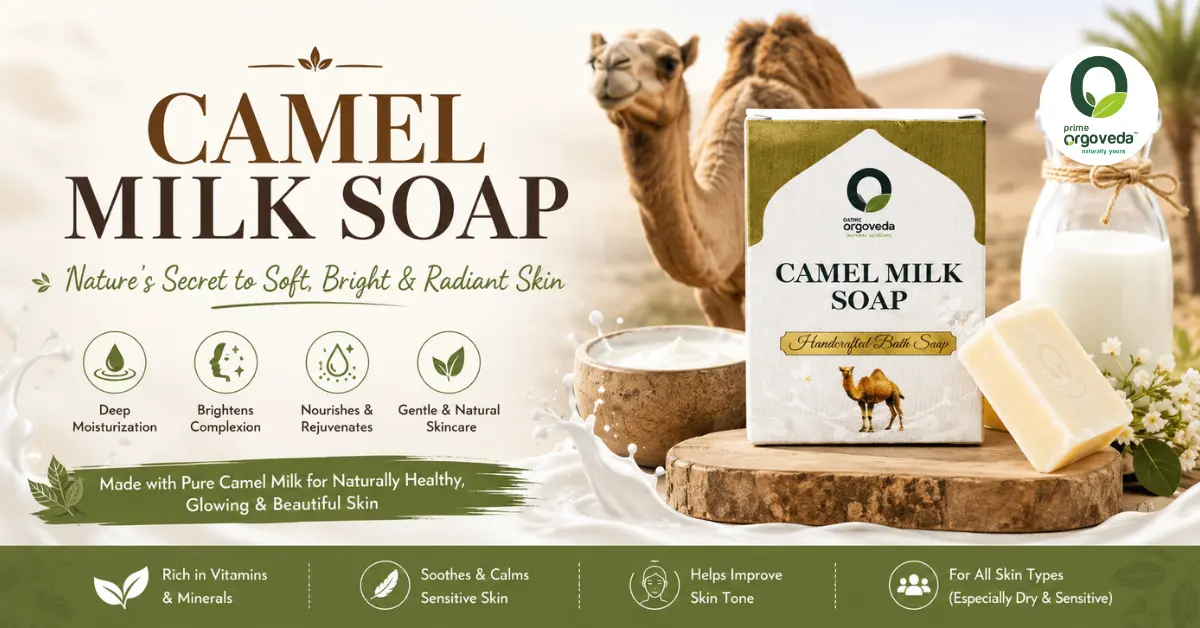
In recent years, Camel Milk for Skin Whitening has gained significant attention in the natural skincare industry for its powerful skin-enhancing properties. Once primarily consumed as a nutritious drink in desert regions, it is now being widely used in beauty and personal care products such as soaps, face creams, and masks. Its rising popularity is driven by its rich nutrient profile and gentle nature on the skin.
Camel milk is packed with essential vitamins like Vitamin C, Vitamin B1, B2, B12, and minerals such as zinc, iron, and magnesium. These nutrients play a key role in improving skin health, boosting hydration, and supporting natural skin repair. Unlike many synthetic skincare ingredients, camel milk is known for being mild, making it suitable even for sensitive skin types.
One of the main reasons camel milk is trending in skincare is its ability to help improve skin tone and promote a natural glow. It contains alpha-hydroxy acids (AHAs) that gently exfoliate dead skin cells, revealing fresher and brighter-looking skin underneath. This makes it a preferred natural option for those seeking a more even complexion without harsh chemicals.
Additionally, Camel Milk for Skin Whitening is rich in antioxidants that help protect the skin from environmental damage, pollution, and early signs of aging. As more people shift toward organic and chemical-free skincare solutions, camel milk continues to stand out as a powerful yet gentle ingredient for achieving healthy, radiant skin naturally.
What Is Camel Milk and Why It’s Unique for Skin Care
Camel milk is the nutrient-rich milk produced by female camels, traditionally consumed in desert regions of Africa, the Middle East, and parts of Asia. In recent years, it has gained global attention not only as a functional food but also as a powerful natural ingredient in skincare. Its unique composition makes it especially beneficial for maintaining healthy, glowing skin.
What sets camel milk apart from other types of milk is its rich concentration of bioactive compounds. It contains high levels of Vitamin C, which is several times higher than cow’s milk, along with essential vitamins like B1, B2, B12, and A. These nutrients support skin repair, improve elasticity, and help maintain a youthful appearance. It also contains important minerals such as zinc, magnesium, and potassium that nourish the skin from within.
Camel milk is naturally rich in alpha-hydroxy acids (AHAs), which gently exfoliate dead skin cells without causing irritation. This process helps reveal smoother, brighter, and more even-toned skin over time. Unlike harsh chemical exfoliants, camel milk provides a mild and skin-friendly way to improve texture and radiance.
Another unique feature is its high level of protective proteins and immunoglobulins, which help soothe inflammation and support skin healing. This makes it particularly beneficial for sensitive or acne-prone skin types. It also contains natural antioxidants that protect the skin from free radical damage, one of the main causes of premature aging.
Because of this powerful combination of hydration, nourishment, and gentle exfoliation, camel milk is increasingly being used in soaps, creams, and face masks as a natural solution for brighter, healthier-looking skin.
Nutritional Profile of Camel Milk for Skin Health
Camel milk is widely valued in skincare because of its dense and balanced nutritional composition. It contains a unique combination of vitamins, minerals, proteins, and bioactive compounds that directly contribute to healthier, brighter, and more youthful-looking skin.
One of the standout nutrients in camel milk is Vitamin C, which is significantly higher than in many other types of milk. Vitamin C is a powerful antioxidant that helps protect the skin from free radical damage, supports collagen production, and promotes a more even skin tone. This makes it especially important for natural skin brightening and whitening effects.
Camel milk is also rich in B-complex vitamins such as B1 (thiamine), B2 (riboflavin), B12, and niacin. These vitamins play a key role in improving skin metabolism, enhancing cell regeneration, and maintaining overall skin health. Riboflavin, in particular, supports skin repair and helps maintain a smooth texture.
Another important component is Vitamin A, which is known for its role in skin renewal and reducing signs of aging. It helps in reducing dryness, improving skin elasticity, and promoting a fresh and youthful glow.
In terms of minerals, camel milk contains zinc, iron, potassium, and magnesium. Zinc is especially beneficial for acne-prone skin as it helps control oil production and supports healing. Magnesium contributes to skin hydration and reduces inflammation, while iron helps improve blood circulation, giving the skin a healthier appearance.
Camel milk also contains natural alpha-hydroxy acids (AHAs), which gently exfoliate dead skin cells and promote smoother, brighter skin. Additionally, its immunoglobulins and protective proteins help soothe irritation and support the skin’s natural defense system.
Together, this powerful nutritional profile makes camel milk a highly effective natural ingredient for improving skin tone, texture, hydration, and overall radiance.
How Camel Milk Helps in Skin Whitening and Brightening
Camel milk supports skin whitening and brightening by working gently on multiple layers of the skin to improve tone, texture, and overall radiance. Rather than acting as a harsh bleaching agent, it enhances the skin’s natural glow through nourishment, repair, and mild exfoliation.
One of the key ways camel milk helps is through its natural alpha-hydroxy acids (AHAs). These compounds gently remove dead skin cells from the surface, allowing fresh, healthier skin to emerge. This regular exfoliation reduces dullness and gradually improves skin brightness and clarity.
Camel milk is also rich in Vitamin C, a powerful antioxidant that plays a major role in reducing pigmentation and dark spots. Vitamin C helps slow down melanin production, which is responsible for uneven skin tone and dark patches. With consistent use, it can contribute to a more even and luminous complexion.
Another important factor is its ability to deeply hydrate the skin. Dry and dehydrated skin often appears dull and uneven. Camel milk provides intense moisture, helping the skin look plumper, softer, and naturally brighter. Well-hydrated skin reflects light better, which enhances its glow.
The presence of zinc and other minerals supports skin healing and reduces inflammation, which can help fade acne marks and blemishes over time. This contributes to a clearer and more uniform skin tone.
Camel milk also contains antioxidants and protective proteins that fight free radicals caused by pollution and sun exposure. These environmental factors often lead to premature darkening and pigmentation. By protecting the skin barrier, camel milk helps maintain a healthier and brighter appearance.
Overall, camel milk works gradually and naturally by exfoliating, nourishing, and protecting the skin—leading to a visible improvement in skin brightness and an even-toned, glowing complexion with regular use.
Key Benefits of Using Camel Milk on the Skin
Camel milk offers a wide range of skincare benefits thanks to its rich blend of vitamins, minerals, and natural bioactive compounds. Regular use can help improve overall skin health, making it look brighter, smoother, and more youthful.
1. Deep Hydration and Moisturization
Camel milk is highly effective in keeping the skin hydrated. Its natural fats and proteins help lock in moisture, preventing dryness and flakiness. This makes the skin feel soft, supple, and refreshed.
2. Improves Skin Brightness and Glow
The presence of Vitamin C and natural alpha-hydroxy acids (AHAs) helps gently exfoliate dead skin cells and improve skin radiance. Over time, this leads to a more glowing and revitalized complexion.
3. Reduces Dark Spots and Pigmentation
Camel milk supports the reduction of dark spots, blemishes, and uneven pigmentation. Its antioxidants help repair damaged skin cells and promote a more even skin tone.
4. Anti-Aging Properties
Rich in antioxidants and vitamins, camel milk helps fight free radical damage that causes fine lines and wrinkles. It supports skin elasticity, keeping the skin looking youthful and firm.
5. Soothes Sensitive and Irritated Skin
Camel milk has natural anti-inflammatory properties that help calm redness, irritation, and skin sensitivity. It is gentle enough for daily use, even on delicate skin types.
6. Helps in Acne Control
The zinc content in camel milk helps regulate oil production and supports skin healing, making it beneficial for acne-prone skin. It may also help reduce acne scars over time.
7. Promotes Even Skin Tone
By encouraging cell renewal and improving hydration, camel milk helps balance skin tone and reduce dullness, giving the skin a more uniform appearance.
Overall, camel milk acts as a complete natural skincare solution that nourishes, protects, and enhances the skin’s natural beauty with consistent use.
How Camel Milk Works on Different Skin Types
Camel milk is considered a versatile skincare ingredient because of its gentle nature and balanced nutrient profile. It adapts well to different skin types, providing targeted benefits without causing irritation or imbalance.
1. Dry Skin
For dry skin, camel milk acts as a deep moisturizer. Its natural fats, proteins, and lactic acid help restore lost hydration and strengthen the skin barrier. Regular use reduces flakiness, rough patches, and tightness, leaving the skin soft, smooth, and well-nourished.
2. Oily Skin
Camel milk can also benefit oily skin due to its lightweight texture and balancing properties. The zinc content helps regulate excess sebum production, which can reduce greasiness and minimize clogged pores. Its gentle exfoliating action also helps keep the skin fresh and clear without over-drying.
3. Sensitive Skin
Sensitive skin often reacts to harsh chemicals, but camel milk is known for its soothing and calming properties. Its anti-inflammatory compounds help reduce redness, irritation, and discomfort. Because it is mild and natural, it can be safely used on easily reactive skin types.
4. Acne-Prone Skin
For acne-prone skin, camel milk helps in multiple ways. Zinc supports healing and reduces breakouts, while its antibacterial properties help control acne-causing bacteria. It also gently exfoliates the skin, preventing clogged pores and reducing the chances of new acne formation.
5. Combination Skin
Combination skin benefits from camel milk’s balancing effect. It hydrates dry areas while controlling excess oil in the T-zone. This helps maintain an overall balanced and even skin texture without making any area too oily or too dry.
6. Mature Skin
For aging or mature skin, camel milk provides antioxidants and vitamins that support skin elasticity and repair. It helps reduce the appearance of fine lines, improves firmness, and enhances natural glow, making the skin look healthier and more youthful.
Overall, camel milk is a well-rounded skincare ingredient that adapts to different skin needs, making it suitable for nearly all skin types when used consistently.
Ways to Use Camel Milk for Skin Whitening
Camel milk can be used in several simple yet effective ways to improve skin brightness, reduce dullness, and promote a more even skin tone. Its natural nutrients work best when used consistently as part of a skincare routine.
1. Raw Camel Milk as a Face Cleanser
Fresh camel milk can be used directly on the skin as a gentle cleanser. Apply it with a cotton pad, massage lightly, and rinse after 10–15 minutes. This helps remove dirt, oil, and dead skin cells while improving skin clarity.
2. Camel Milk Face Mask
A camel milk face mask is one of the most effective methods for skin whitening. Mix camel milk with natural ingredients like honey, turmeric, or sandalwood powder. Apply evenly, leave for 15–20 minutes, and wash off with lukewarm water. This helps brighten skin and reduce pigmentation.
3. Camel Milk Soap or Cleanser
Using camel milk soap daily is a convenient way to enjoy its benefits. It gently cleanses the skin while providing hydration and mild exfoliation. Regular use can improve skin tone and texture over time.
4. Camel Milk and Honey Treatment
Mix camel milk with raw honey to create a nourishing treatment. Honey enhances moisture retention while camel milk improves brightness. This combination helps achieve a soft, glowing complexion.
5. Camel Milk and Multani Mitti Pack (For Oily Skin)
For oily or acne-prone skin, camel milk can be mixed with Multani mitti (Fuller’s Earth). This helps absorb excess oil, tighten pores, and improve overall skin clarity.
6. Camel Milk Moisturizing Lotion (DIY or Product-Based)
Camel milk-based lotions help lock in moisture and maintain skin hydration throughout the day. This supports a brighter and smoother skin appearance over time.
7. Night Skincare Routine
Applying camel milk or camel milk-based products before bedtime allows the nutrients to work overnight. This supports skin repair, regeneration, and gradual improvement in skin tone.
With regular use in any of these forms, camel milk can help promote naturally brighter, smoother, and healthier-looking skin.
Best Time and Frequency to Use Camel Milk on Skin
Using camel milk at the right time and frequency can significantly improve its effectiveness for skin whitening, brightening, and overall skin health. Consistency is more important than heavy usage, as natural ingredients work gradually.
1. Best Time to Use Camel Milk
Night Time (Before Bed) – Most Effective
Night is the best time to apply camel milk or camel milk-based products because the skin naturally enters repair mode while you sleep. During this time:
- Skin cell regeneration is at its highest
- Absorption of nutrients is better
- Repair of pigmentation and damage is enhanced
Using camel milk before bedtime helps it work deeply without exposure to sun, dust, or pollution.
Morning Use (Optional)
Camel milk can also be used in the morning as a gentle cleanser. It helps remove overnight oil buildup and prepares the skin for the day. However, moisturizing and sunscreen should follow.
2. Recommended Frequency of Use
For Normal Skin:
- 3 to 4 times per week
- Maintains glow and improves skin tone gradually
For Dry Skin:
- Daily use is beneficial
- Helps restore moisture and prevent flakiness
For Oily or Acne-Prone Skin:
- 2 to 3 times per week
- Prevents excess oil buildup without over-drying
For Sensitive Skin:
- Start with 2 times per week
- Increase gradually based on skin response
For Best Whitening Results:
- Consistent use for at least 4–6 weeks is recommended
- Combine with sunscreen during the day for better results
3. Pro Tips for Better Results
- Always apply on clean skin for better absorption
- Use camel milk face packs at night for deeper repair
- Avoid mixing with harsh chemicals or strong exfoliants
- Follow up with a light moisturizer after application
With proper timing and consistent use, camel milk can gradually improve skin brightness, reduce dullness, and promote a naturally glowing and even-toned complexion.
Possible Side Effects and Precautions
Although camel milk is generally considered a gentle and natural skincare ingredient, it may still cause mild reactions in some individuals depending on skin type, sensitivity, and usage method. Understanding possible side effects and precautions helps ensure safe and effective use.
Possible Side Effects
- Skin Irritation or Redness (Rare)
Some people with highly sensitive skin may experience mild redness, itching, or irritation, especially when using raw camel milk for the first time.
- Allergic Reactions
Individuals allergic to milk or dairy products may develop reactions such as rashes, bumps, or discomfort. A patch test is strongly recommended before full application.
- Breakouts in Oily Skin (If Overused)
Although camel milk helps balance oil, excessive use or leaving it on too long may clog pores in some oily or acne-prone skin types, leading to minor breakouts.
- Temporary Skin Sensitivity
Because camel milk contains natural alpha-hydroxy acids (AHAs), it may increase skin sensitivity to sunlight if used without sunscreen during the day.
Precautions for Safe Use
- Always Do a Patch Test
Apply a small amount on the inner arm or behind the ear and wait 24 hours to check for any reaction before applying to the face.
- Use Fresh and Hygienic Product
Ensure camel milk or camel milk-based products are fresh and stored properly to avoid bacterial contamination.
- Avoid Overuse
Stick to recommended frequency (2–4 times per week depending on skin type). Overuse may disrupt the skin’s natural balance.
- Apply Sunscreen During the Day
Since camel milk has mild exfoliating properties, always use sunscreen to protect newly revealed skin from UV damage.
- Avoid Mixing with Harsh Ingredients
Do not combine camel milk with strong chemical peels, alcohol-based products, or harsh exfoliants in the same routine.
- Consult a Dermatologist if Needed
If you have chronic skin conditions like eczema or severe acne, consult a skincare professional before regular use.
When used correctly and consistently, camel milk is generally safe and beneficial for most skin types, helping to improve brightness, hydration, and overall skin health naturally.
Camel Milk vs Other Natural Skin Brightening Ingredients
Camel milk is often compared with other popular natural skin-brightening ingredients like turmeric, aloe vera, honey, and sandalwood. Each has unique benefits, but camel milk stands out due to its multi-functional properties that combine nourishment, hydration, and gentle exfoliation in one ingredient.
Camel Milk vs Turmeric
- Turmeric: Strong anti-inflammatory and helps reduce pigmentation and acne scars.
- Camel Milk: Provides gentle exfoliation (AHAs), deep hydration, and vitamin-rich nourishment.
Key Difference: Turmeric works more as a targeted treatment for spots, while camel milk offers overall skin tone improvement and hydration.
Camel Milk vs Aloe Vera
- Aloe Vera: Excellent for soothing irritation, sunburn, and calming redness.
- Camel Milk: Hydrates deeply while also improving brightness and skin texture.
Key Difference: Aloe vera focuses more on soothing, while camel milk combines soothing with skin brightening and renewal.
Camel Milk vs Honey
- Honey: Strong natural humectant that locks in moisture and has antibacterial properties.
- Camel Milk: Moisturizes while also gently exfoliating and improving pigmentation.
Key Difference: Honey is mainly for hydration and healing, while camel milk offers hydration plus skin whitening benefits.
Camel Milk vs Sandalwood
- Sandalwood: Helps cool the skin, reduce acne, and improve complexion over time.
- Camel Milk: Works at a deeper level by nourishing skin cells and promoting regeneration.
Key Difference: Sandalwood is more surface-level calming and clarifying, while camel milk works on skin renewal from within.
Why Camel Milk Stands Out
Camel milk is unique because it combines multiple skincare benefits in one ingredient:
- Gentle exfoliation (AHAs)
- Deep hydration
- Rich vitamins and antioxidants
- Skin repair and brightening
Unlike single-function ingredients, camel milk provides a complete skincare solution that improves glow, tone, texture, and overall skin health simultaneously.
While other natural ingredients are highly effective in specific areas, camel milk offers a more balanced and holistic approach to skin whitening and brightening, making it a powerful addition to natural skincare routines.
Tips to Maximize Results for Brighter and Glowing Skin
To get the best skin whitening and glow-enhancing benefits from camel milk, consistency and proper skincare habits are essential. When combined with the right routine, camel milk can deliver faster and more visible results.
1. Use Camel Milk Consistently
Regular use is key for visible improvement. Apply camel milk or camel milk-based products 2–4 times per week depending on your skin type. Natural ingredients work gradually, so avoid expecting instant results.
2. Always Start with Clean Skin
Wash your face with a gentle cleanser before applying camel milk. Clean skin allows better absorption of nutrients and improves overall effectiveness.
3. Prefer Night-Time Application
Use camel milk at night when the skin is in repair mode. This helps nutrients penetrate deeper and supports better regeneration, leading to improved glow and brightness.
4. Follow with a Light Moisturizer
After using camel milk, apply a mild moisturizer to lock in hydration. This helps maintain softness and enhances skin radiance.
5. Never Skip Sunscreen During the Day
Camel milk contains natural AHAs that may increase sun sensitivity. Always apply sunscreen in the morning to protect your skin from UV damage and prevent pigmentation.
6. Combine with Natural Ingredients
For better results, mix camel milk with skin-friendly ingredients like:
- Honey (for hydration and glow)
- Turmeric (for pigmentation control)
- Sandalwood (for complexion improvement)
7. Stay Hydrated and Eat Skin-Friendly Foods
Drink enough water and include fruits rich in Vitamin C and antioxidants in your diet. Healthy skin starts from within and supports external skincare results.
8. Avoid Harsh Skincare Products
Do not use strong chemical peels or alcohol-based products alongside camel milk, as they may irritate the skin or reduce its effectiveness.
9. Be Patient and Consistent
Visible skin brightening usually takes 4–6 weeks of regular use. Natural skincare works gradually, so patience is important for long-term results.
For best glow results, combine a simple routine:
Cleanse → Camel Milk Treatment → Moisturize → Sunscreen (daytime only)
This balanced approach helps maximize brightness, improve skin texture, and maintain a healthy natural glow.
Frequently Asked Questions (FAQs)
1. Is camel milk really effective for skin whitening?
Camel milk does not “whiten” skin in a chemical sense, but it helps brighten the complexion naturally. Its vitamins, antioxidants, and alpha-hydroxy acids (AHAs) reduce dullness, fade dark spots, and promote an even skin tone.
2. How long does it take to see results from camel milk?
Visible improvements usually take 4 to 6 weeks of consistent use. Skin may start feeling softer and more hydrated within the first week, while brightness and tone improvement take longer.
3. Can camel milk be used daily on the face?
Yes, camel milk can be used daily for dry or normal skin. For oily or sensitive skin, it is better to use it 2–3 times per week to avoid overuse.
4. Is camel milk safe for sensitive skin?
Yes, camel milk is generally safe for sensitive skin because of its soothing and anti-inflammatory properties. However, a patch test is recommended before full application.
5. Can camel milk help with acne and dark spots?
Yes, camel milk contains zinc and natural healing compounds that help reduce acne, calm inflammation, and gradually fade acne marks and dark spots.
6. Should camel milk be applied at night or in the morning?
Night application is best because the skin repairs itself while you sleep. However, it can also be used in the morning as a gentle cleanser.
7. Can I use camel milk with other skincare products?
Yes, camel milk can be combined with natural ingredients like honey, turmeric, or sandalwood. Avoid mixing it with harsh chemical exfoliants or alcohol-based products.
8. Are there any side effects of using camel milk on skin?
Side effects are rare but may include mild irritation or breakouts if overused. People with dairy allergies should avoid it or perform a patch test first.
9. Is camel milk better than other natural ingredients for skin brightening?
Camel milk is unique because it offers multiple benefits—hydration, exfoliation, and nourishment—while ingredients like turmeric or aloe vera focus on specific concerns.
10. Can camel milk be used on all skin types?
Yes, camel milk is suitable for most skin types, including dry, oily, combination, sensitive, and mature skin when used appropriately.
Conclusion
Camel milk has emerged as a powerful natural skincare ingredient due to its rich combination of vitamins, minerals, antioxidants, and gentle exfoliating properties. Unlike harsh chemical-based treatments, it works gradually by nourishing the skin, improving hydration, and supporting natural cell renewal.
Its ability to reduce dullness, fade dark spots, and promote an even skin tone makes it a strong option for those seeking a natural glow. The presence of Vitamin C, AHAs, zinc, and protective proteins helps improve overall skin health, making it suitable for a wide range of skin types when used correctly and consistently.
However, it is important to understand that camel milk is not a quick-fix “whitening” solution. Instead, it supports natural brightening and radiance enhancement over time. With regular use, proper skincare habits, and sun protection, it can significantly improve skin texture and glow.
In conclusion, camel milk can be considered a natural secret to radiant skin, especially for those who prefer gentle, chemical-free skincare solutions. Its multi-functional benefits make it a valuable addition to a daily skincare routine focused on healthy, glowing, and balanced skin.


 Agarbatti
 Computer Loban
 Dhoop Sticks
 Dhoop Cones
 Loban Powder
 Dhoop Cups
 Soap
Soap Facewash
 Shampoo