
Blog
Sandalwood Incense Sticks: Benefits, Uses, and Fragrance Guide

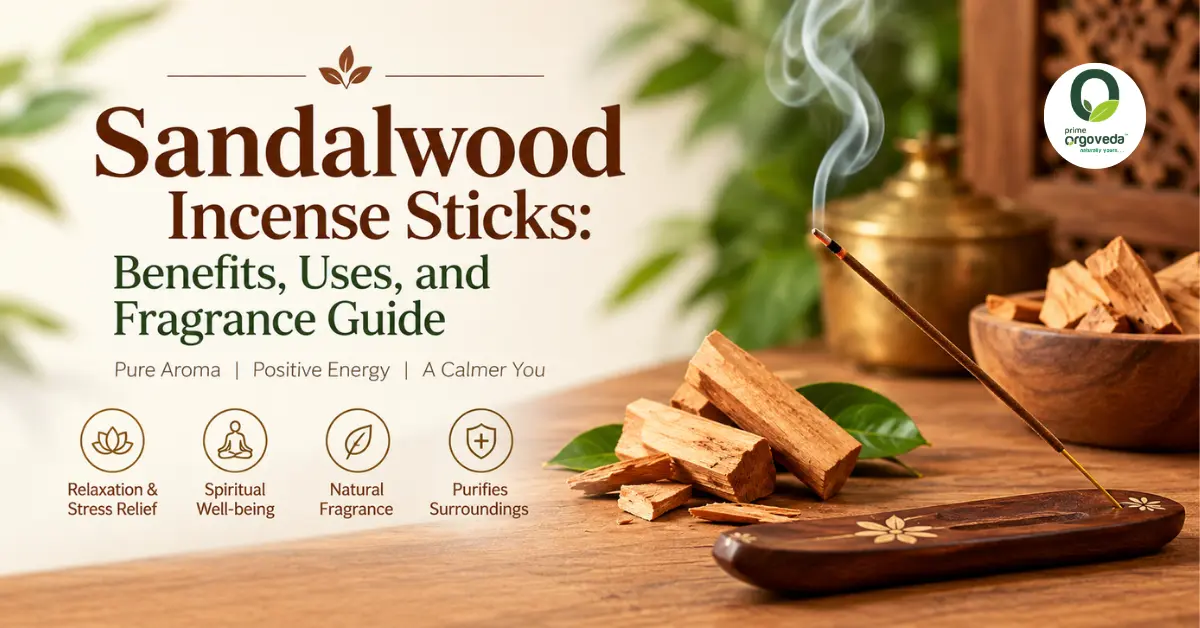
Sandalwood incense sticks have been cherished for generations for their distinctive woody fragrance, cultural significance, and role in everyday spiritual rituals. From morning pooja to evening prayers, meditation, and moments of quiet reflection, sandalwood agarbatti adds a warm and traditional fragrance to a variety of settings.
Known for its soft, rich, and comforting aroma, sandalwood is a popular choice among people who appreciate traditional Indian fragrances. Whether you want to create a welcoming atmosphere at home, enhance your prayer routine, or explore different incense fragrances, sandalwood incense sticks offer a timeless option.
In this comprehensive guide, we will explore the fragrance of sandalwood incense sticks, their traditional benefits and uses, their spiritual significance, tips for choosing the right product, and essential safety practices for everyday use.
Introduction to Sandalwood Incense Sticks
Sandalwood incense sticks, commonly known as sandalwood agarbatti in India, are fragrant sticks designed to release an aromatic scent when burned. Sandalwood is traditionally associated with spirituality, prayer, and auspicious occasions, making it a familiar fragrance in many Indian households.
The characteristic aroma of sandalwood is often described as warm, woody, smooth, and subtly sweet. Unlike sharper or more intense fragrances, sandalwood offers a rounded scent that many people enjoy during daily rituals and quiet moments at home.
Sandalwood incense sticks are used in different settings, including:
- Daily pooja and prayer rituals.
- Meditation and mindfulness practices.
- Traditional ceremonies and festive celebrations.
- Creating a pleasant atmosphere in living spaces.
- Personal relaxation routines and quiet evenings.
Today, sandalwood incense is available in different formats and fragrance blends. The scent, intensity, burning time, and ingredients can vary depending on the manufacturer and formulation.
Understanding these differences can help you choose sandalwood incense sticks that suit your preferences and intended use.
What Makes Sandalwood Incense Fragrance Special?
Sandalwood has a distinctive fragrance that has remained popular across generations. Its appeal comes from its warm, woody character and its association with traditional rituals, natural materials, and Indian cultural heritage.
A Warm and Woody Aroma
One of the most recognisable characteristics of sandalwood fragrance is its smooth, woody scent. Depending on the formulation, it may also have subtle creamy, earthy, or sweet notes.
This fragrance profile makes sandalwood a versatile choice for people who prefer understated aromas over sharp or overpowering scents.
A Timeless Traditional Fragrance
Sandalwood has a long-standing place in Indian religious and cultural traditions. Its fragrance is associated with prayer, ceremonial practices, and welcoming environments.
Sandalwood incense carries this traditional fragrance into everyday routines, allowing people to incorporate a familiar aroma into their homes.
Suitable for Different Occasions
Sandalwood incense is versatile enough for daily prayer, special pooja occasions, meditation sessions, and evening rituals. Its warm fragrance can complement both traditional prayer spaces and contemporary home interiors.
A Fragrance That Blends with Different Environments
Depending on its intensity, sandalwood incense can complement a pooja room, meditation corner, or living area. It can also be combined with other fragrance profiles when exploring different incense varieties.
However, the exact scent experience depends on the quality of the ingredients, the fragrance composition, and the incense-making process.
Benefits of Sandalwood Incense Sticks
Sandalwood incense sticks are valued for their aromatic qualities, traditional associations, and versatility. While individual experiences vary, incorporating a familiar fragrance into daily rituals can make ordinary moments feel more intentional and meaningful.
Here are five popular reasons people choose sandalwood incense sticks.
1. Creates a Calm and Peaceful Atmosphere
Fragrance can influence how people experience their surroundings. The warm, woody aroma of sandalwood may help create an atmosphere that feels comfortable, peaceful, and welcoming.
Lighting a sandalwood incense stick before prayer or during a quiet evening can serve as a simple ritual that marks a transition from busy activities to a more settled part of the day.
Individual responses to fragrance differ, so sandalwood should be viewed as an aromatic choice rather than a guaranteed method of reducing stress or anxiety.
2. Supports Meditation and Mindfulness Rituals
Meditation often involves creating a consistent environment that encourages attention and concentration. For some people, a familiar fragrance becomes a useful sensory cue for beginning a meditation session.
Sandalwood incense can be incorporated into a mindfulness routine in several ways:
- Light incense before beginning a quiet sitting practice.
- Establish a consistent meditation space with minimal distractions.
- Use the fragrance as a reminder to pause and focus on the present moment.
- Combine meditation with gentle breathing and comfortable surroundings.
The fragrance itself does not guarantee improved concentration or meditation results. Instead, it can form part of a personal routine that supports a consistent practice.
For people sensitive to smoke or fragrances, a flameless alternative may be more appropriate.
3. Enhances Daily Pooja and Prayer
In many Indian households, incense is an integral part of daily pooja. Lighting agarbatti is a traditional way to introduce fragrance into a prayer space and mark the beginning of a devotional ritual.
Sandalwood incense is a popular option because of its association with Indian spiritual traditions and its warm, familiar aroma.
It can be used during:
- Morning and evening pooja.
- Personal prayer and devotional practices.
- Festival celebrations.
- Traditional ceremonies.
- Special occasions involving family worship.
The precise customs and materials used during pooja vary across families, regions, and religious traditions. Sandalwood incense is one of several fragrance options that can complement these practices.
4. Adds a Warm, Woody Fragrance to Your Home
A pleasant home environment is influenced by many elements, including lighting, cleanliness, ventilation, and fragrance.
Sandalwood incense introduces a distinctive woody aroma that may complement a clean and welcoming space. It can be used occasionally before guests arrive or during a personal evening routine, provided the fragrance is comfortable for everyone present.
Choose a fragrance intensity appropriate for the room. A strong scent may become overwhelming in a small or poorly ventilated area.
Remember that incense adds fragrance; it does not replace regular cleaning or remove the underlying causes of unpleasant odours.
5. Helps Create a Relaxing Evening Ambience
Evenings can be an opportunity to slow down and step away from the demands of the day. Some people establish simple routines involving soft lighting, prayer, reading, or quiet reflection.
Sandalwood incense can become part of this ritual by adding a familiar fragrance to the environment.
For example, you might light an incense stick before reading a book, spend a few minutes in prayer, or sit quietly after completing your daily responsibilities.
The value of such a routine lies in the overall experience. Sandalwood fragrance may make the setting more enjoyable for some people, but it should not be considered a treatment for sleep problems or other health conditions.
Traditional Uses of Sandalwood Incense Sticks
Sandalwood incense has a strong association with Indian cultural and spiritual practices. Its uses extend beyond daily prayer to various ceremonies, personal rituals, and occasions where fragrance forms part of the atmosphere.
Daily Worship
Many households light incense during morning or evening pooja. Sandalwood is one of the traditional fragrance choices used to accompany devotional practices.
Festivals and Celebrations
During festivals such as Diwali, Navaratri, and other auspicious occasions, incense may be used as part of household worship and ceremonial preparations.
Sandalwood’s familiar fragrance can complement the traditional atmosphere created by flowers, lamps, and other pooja essentials.
Meditation and Quiet Reflection
Some people use sandalwood incense while meditating, chanting, or practising other forms of quiet reflection. The familiar scent can help establish a consistent environment for these activities.
Welcoming Guests
In some homes, incense is used before guests arrive to create a fragrant and welcoming atmosphere. Sandalwood is one option for those who enjoy warm, woody scents.
Personal and Cultural Rituals
Incense is used differently across households and communities. Sandalwood may be incorporated into personal routines or cultural ceremonies according to individual preferences and family traditions.
These traditional uses reflect cultural practices and personal preferences; they should not be interpreted as evidence of specific medical benefits.
The Spiritual Significance of Sandalwood Agarbatti
Sandalwood occupies a recognised place in Indian spiritual and cultural traditions. It is associated with auspiciousness, devotion, and ceremonial practices, although customs differ across regions and religious communities.
An Association with Purity and Devotion
In many traditional settings, sandalwood is valued as a fragrance associated with sacred rituals. Sandalwood incense is often used during prayer as part of creating a dedicated devotional environment.
A Part of Everyday Spiritual Routines
For many families, lighting agarbatti is a familiar daily practice. Repeating this ritual can provide a sense of continuity and connection with family customs.
The fragrance becomes part of the experience of preparing for prayer, reciting devotional verses, or spending a few quiet moments in reflection.
A Traditional Choice for Auspicious Occasions
Sandalwood fragrance is used in various cultural and ceremonial settings. Its long-standing association with traditional rituals makes it a familiar option for pooja rooms and festive occasions.
Creating a Dedicated Prayer Space
A designated prayer area can help establish a regular devotional routine. Sandalwood incense may complement the setting alongside a clean altar, flowers, and appropriate lighting.
The spiritual meaning of incense ultimately depends on personal beliefs and cultural traditions. For many people, its value lies in the intention and devotion with which it is used.
How to Use Sandalwood Incense Sticks at Home
Using sandalwood incense sticks is straightforward, but proper placement and safe handling are important.
Follow these steps for a practical and responsible incense routine.
Step 1: Choose a suitable location.
Select a stable, heat-resistant incense holder. Place it away from curtains, paper, bedding, furniture, and other combustible materials.
Step 2: Prepare the space.
Keep the area tidy and ensure adequate ventilation. Avoid burning incense in a small, enclosed room where smoke can accumulate.
Step 3: Light the incense stick.
Light the coated tip using a suitable flame. Allow the tip to catch fire briefly, then gently extinguish the flame so that the incense smoulders and releases its fragrance.
Step 4: Place it securely in the holder.
Position the incense stick so that ash falls into the holder rather than onto surrounding surfaces. Ensure the holder cannot tip over easily.
Step 5: Enjoy the fragrance responsibly.
Use the incense for your intended activity, whether it is pooja, quiet reflection, or enjoying its aroma. Keep the area ventilated and avoid prolonged exposure to smoke.
Step 6: Extinguish and dispose of it safely.
Never leave burning incense unattended. Ensure the stick is completely extinguished and the ashes have cooled before disposal.
These simple steps help make incense use more convenient while reducing avoidable fire and smoke-related risks.
Sandalwood Incense Sticks for Pooja, Yoga, and Meditation
Sandalwood incense can be incorporated into several personal and traditional routines. The best way to use it depends on the activity, the size of the space, and individual fragrance preferences.
Sandalwood Incense for Pooja
For daily worship, sandalwood agarbatti can complement traditional pooja essentials such as lamps, flowers, and prayer accessories.
Choose a fragrance that suits your preferences without becoming overpowering. If incense is not permitted in a particular prayer space, follow the relevant rules and use a suitable alternative.
Sandalwood Incense for Meditation
A familiar fragrance may help some people establish a consistent meditation routine. If you choose to use incense, light it before beginning and maintain adequate ventilation.
People with asthma, fragrance sensitivity, or respiratory concerns should consider avoiding incense smoke.
Sandalwood Incense for Yoga
Some practitioners enjoy pleasant fragrances while preparing for yoga or gentle stretching. Sandalwood may complement a quiet practice space, but incense is not necessary for yoga.
For safety, keep burning incense away from yoga mats, clothing, towels, and other flammable items. Never leave it burning while you are moving around or practising poses.
Sandalwood Incense for Evening Rituals
An evening ritual might include prayer, journalling, reading, or quiet reflection. Sandalwood can add a familiar aromatic element to these activities.
You can also enjoy a similar fragrance experience without smoke by choosing a suitable non-burning fragrance product.
How to Choose the Best Sandalwood Incense Sticks
Not all sandalwood incense sticks smell or perform the same way. Ingredients, fragrance formulation, stick construction, and manufacturing quality can influence the overall experience.
Here are some factors to consider before buying.
1. Check the Fragrance Profile
Look for a sandalwood fragrance that suits your preferences. Some formulations are soft and creamy, while others may have stronger woody, earthy, or sweet notes.
If possible, sample the fragrance before purchasing a larger pack.
2. Review the Ingredients and Product Information
Read the product label to understand the ingredients and fragrance description. Sandalwood-scented incense does not necessarily contain natural sandalwood, so check the ingredient information if the source of the fragrance matters to you.
Choose products with clear labelling and appropriate manufacturer details.
3. Consider Burning Time
Burning time can vary according to stick length, thickness, composition, and environmental conditions.
If you prefer short rituals, a product with a suitable burning duration may be more convenient. Always follow the manufacturer’s directions and never leave incense burning unattended.
4. Evaluate Fragrance Intensity
Consider the size and ventilation of the space where you intend to use the incense.
A mild fragrance may be preferable for a small room, while a stronger fragrance may be more noticeable in a larger area. However, stronger fragrance does not automatically indicate better quality.
5. Look at Packaging and Storage
Well-sealed packaging can help protect incense sticks from moisture, dust, and the loss or alteration of their fragrance.
Store the product in a cool, dry place, away from direct sunlight, excessive humidity, and sources of heat.
6. Compare Value, Not Just Price
When comparing products, consider the number of sticks, pack size, fragrance consistency, ingredient transparency, packaging, and customer feedback.
The lowest-priced option may not necessarily offer the best overall value. Select a product that fits your requirements and budget.
Sandalwood Incense Sticks vs. Other Incense Fragrances
Different incense fragrances create different aromatic experiences. Sandalwood is often chosen for its warm, woody character, while other fragrances may be preferred for floral, fresh, earthy, or sweeter notes.
| Incense fragrance | Common scent characteristics | Often chosen for |
| Sandalwood | Warm, woody, creamy, subtly sweet | Daily pooja, quiet reflection, traditional rituals |
| Jasmine | Floral, sweet, rich | Floral fragrance preferences and home rituals |
| Rose | Soft, floral, sometimes powdery | Prayer spaces and floral fragrance settings |
| Lavender | Floral, herbal, fresh | People who enjoy herbal-floral aromas |
| Patchouli | Earthy, deep, woody | Those who prefer rich, earthy fragrances |
| Frankincense | Resinous, warm, balsamic | Traditional ceremonies and reflective settings |
These descriptions are general. The actual aroma varies by formulation, ingredients, and manufacturer.
Why Choose Sandalwood?
Sandalwood is a versatile choice for people who appreciate warm, woody fragrances and traditional Indian aromatic practices.
Its balanced fragrance profile may suit those who prefer something less floral than jasmine or rose. However, fragrance preference is personal, and there is no single scent that is best for everyone.
If you enjoy exploring fragrances, trying different varieties in small quantities can help you discover the options you prefer.
Tips for Burning Incense Sticks Safely
Incense sticks release smoke and involve an open flame during lighting. Following basic safety practices is essential for protecting people, pets, and property.
Keep these precautions in mind:
- Ensure adequate ventilation: Open a window or maintain suitable airflow to prevent smoke from accumulating indoors.
- Use a stable holder: Place incense in a heat-resistant holder designed to collect ash safely.
- Keep away from flammable materials: Position incense away from curtains, paper, furniture, bedding, and decorations.
- Never leave incense unattended: Extinguish it before leaving the room or going to sleep.
- Keep out of children’s reach: Store incense, matches, and lighters safely and supervise their use.
- Consider pets and sensitive individuals: Smoke and fragrances may irritate people with asthma, allergies, or respiratory sensitivities, as well as some animals.
- Avoid prolonged exposure: Burn incense sparingly, especially in small indoor spaces.
- Dispose of ashes carefully: Allow the stick and ashes to cool completely before handling or discarding them.
Incense smoke contains airborne particles and combustion by-products. Burning incense does not purify indoor air and can reduce air quality. If anyone experiences coughing, eye irritation, breathing difficulty, or discomfort, extinguish the incense, move to fresh air, and avoid further exposure.
For fragrance without combustion, consider a suitable non-burning alternative.
Why Choose Orgoveda Sandalwood Incense Sticks?
Choosing incense is about finding a fragrance that fits your preferences, traditions, and everyday routines. For customers exploring traditional Indian fragrances, Orgoveda offers an opportunity to discover aromatic products suited to different occasions.
When considering Orgoveda sandalwood incense sticks, customers should look for the product’s fragrance description, ingredient information, pack size, usage instructions, and other details provided on the official product listing.
A Fragrance for Everyday Traditions
Sandalwood is a familiar fragrance in Indian homes and prayer spaces. Its warm, woody character makes it an option for customers who enjoy traditional aromas during daily rituals.
Suitable for Different Occasions
Depending on the product’s intended use, sandalwood incense may complement morning pooja, evening prayers, festive preparations, or moments of quiet reflection.
An Opportunity to Explore Traditional Fragrances
Orgoveda customers can explore the brand’s available incense and aromatic product range to find fragrances that suit their preferences.
Before purchasing, check the official website for current product availability, ingredients, packaging details, and pricing.
Discover Orgoveda: Visit https://orgoveda.com/ to explore the available products and learn more about the brand.
Editorial note: Confirm that the specific sandalwood incense product is currently listed on the Orgoveda website before publishing product-specific claims or adding a direct product link.
Conclusion
Sandalwood incense sticks remain a popular choice for people who appreciate traditional fragrances, daily pooja rituals, and warm, woody aromas. Their cultural significance and versatility make them suitable for a range of personal and household practices.
From creating a familiar atmosphere during prayer to complementing meditation and quiet evening routines, sandalwood incense can add an aromatic element to everyday life.
Choosing the right product involves considering fragrance preferences, ingredients, burning time, packaging, and overall value. Equally important is using incense responsibly, ensuring adequate ventilation, and avoiding exposure when smoke or fragrance causes discomfort.
Whether you are exploring sandalwood agarbatti for the first time or looking to add another traditional fragrance to your collection, understanding its characteristics and uses can help you make an informed choice.
Explore the available aromatic products from Orgoveda and discover fragrances that complement your traditions and preferences.
Frequently Asked Questions (FAQs)
1. What are sandalwood incense sticks used for?
Sandalwood incense sticks are commonly used for daily pooja, prayer, traditional ceremonies, meditation routines, and adding a warm, woody fragrance to a space.
2. What does sandalwood incense smell like?
Sandalwood incense generally has a warm, woody, smooth, and subtly sweet aroma. Depending on its formulation, it may also have creamy or earthy notes.
3. Can sandalwood incense sticks be used for daily pooja?
Yes. Sandalwood incense sticks are commonly used during daily pooja and other devotional practices. Follow your family’s traditions and the product’s usage instructions.
4. Are sandalwood incense sticks suitable for meditation?
Some people enjoy sandalwood incense during meditation because its familiar fragrance can become part of a consistent routine. However, incense is not essential for meditation, and smoke-sensitive individuals should consider non-burning alternatives.
5. How long should you burn a sandalwood incense stick?
Burning time depends on the stick’s length, thickness, ingredients, and formulation. Follow the manufacturer’s directions, maintain adequate ventilation, and never leave a burning incense stick unattended.
6. Do sandalwood incense sticks contain natural sandalwood?
Not necessarily. Some products use sandalwood-derived ingredients, while others use fragrance compositions designed to reproduce a sandalwood aroma. Check the ingredient list and product description to understand what a particular product contains.
7. Can sandalwood incense be used in a bedroom?
Incense can be burned in a bedroom only with appropriate precautions, including ventilation and a stable, heat-resistant holder. It should never be left burning while sleeping. Because incense smoke can affect indoor air quality, avoiding combustion in bedrooms is a safer option, especially for sensitive individuals.
8. Is sandalwood incense suitable for yoga?
Sandalwood incense may be used to add fragrance to a yoga space if the environment is well ventilated and the smoke is comfortable for everyone present. It is not necessary for yoga, and it should be kept away from mats, clothing, and other flammable materials.
9. How should sandalwood incense sticks be stored?
Store incense sticks in their packaging or another suitable sealed container in a cool, dry place away from direct sunlight, moisture, and heat.
10. Where can I buy sandalwood incense sticks online?
You can explore Orgoveda’s official website to check the available incense products. Confirm that the specific sandalwood fragrance is listed before purchasing, and review the product details, ingredients, pack size, and price.
Experience the timeless appeal of sandalwood fragrance with Orgoveda. Explore traditional aromatic choices for your daily rituals, special occasions, and moments of reflection.


 Agarbatti
 Computer Loban
 Dhoop Sticks
 Dhoop Cones
 Loban Powder
 Dhoop Cups
 Soap
 Facewash
 Shampoo