
Blog
Lavender Incense Sticks: The Complete Guide to Aroma, Quality, Benefits & Everyday Uses

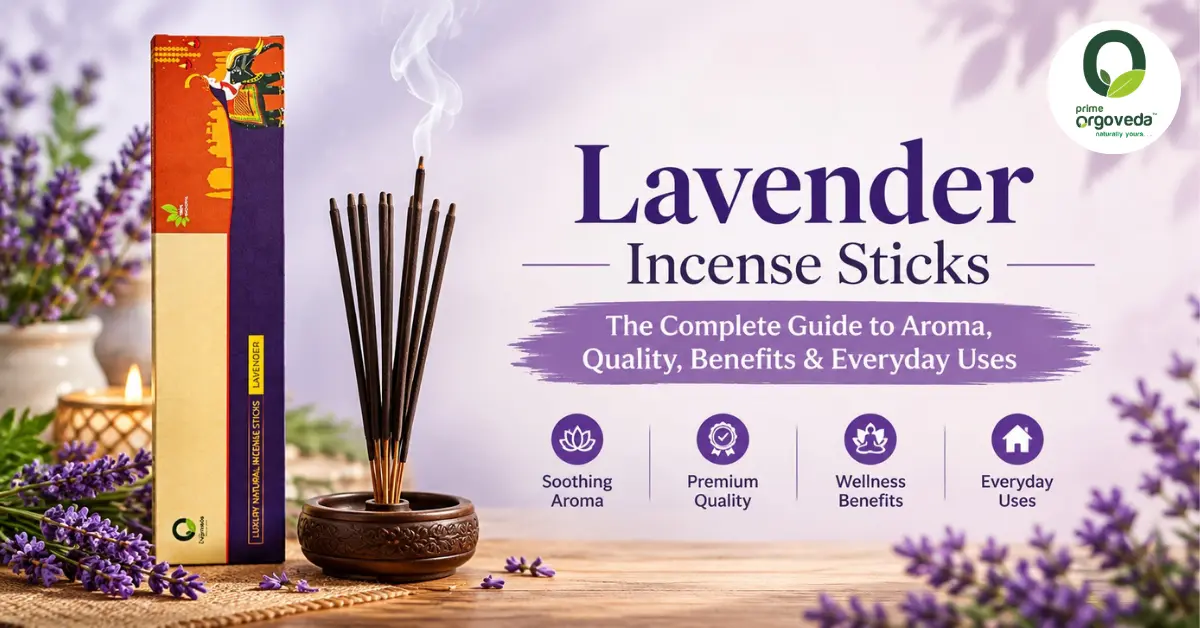
Lavender incense sticks are a popular choice for people who enjoy soft, floral fragrances in their homes, meditation spaces, prayer areas, and everyday surroundings. Known for its distinctive aromatic character, lavender has long been associated with calm, freshness, and relaxing sensory experiences.
When lavender fragrance is combined with a carefully crafted incense stick, it can transform an ordinary space into a more pleasant and inviting environment. Whether used during an evening routine, meditation session, prayer, yoga practice, or simply to add fragrance to a room, lavender incense offers a versatile way to enjoy an aromatic atmosphere.
However, not all incense sticks are made in the same way. The quality of ingredients, fragrance composition, base materials, craftsmanship, burning time, smoke characteristics, and storage conditions can all influence the overall experience.
This complete guide explores lavender incense sticks, including their fragrance, ingredients, manufacturing process, benefits, everyday uses, quality considerations, burning techniques, safety practices, and tips for choosing the right product.
What Are Lavender Incense Sticks?
Lavender incense sticks are scented incense products designed to release a lavender-inspired fragrance when burned. They generally consist of a combustible base, aromatic materials or fragrance compounds, and a supporting stick or bamboo core, depending on the manufacturing method.
When the tip of an incense stick is lit, it begins to smoulder rather than burn like a candle flame. The heat gradually releases aromatic compounds into the surrounding air, creating the characteristic fragrance associated with incense.
Lavender incense can be used in different settings, including:
- Homes and living rooms
- Bedrooms and personal spaces
- Meditation areas
- Yoga studios
- Prayer rooms
- Reception areas
- Wellness spaces
- Evening relaxation routines
The actual composition can vary considerably between products. Some incense sticks may use botanical materials or essential oils, while others use fragrance blends specifically formulated to reproduce or complement the aroma of lavender.
Therefore, checking the ingredient and product information is important when selecting an incense product.
Understanding the Fragrance of Lavender Incense
Lavender is recognised for its distinctive floral and aromatic profile. Its fragrance can be described as soft, fresh, herbaceous, and slightly sweet, although the exact character can vary depending on the lavender variety, fragrance formulation, and other ingredients used.
A well-formulated lavender incense fragrance should ideally feel balanced rather than excessively strong. The fragrance may develop gradually as the incense burns, allowing different aromatic notes to become noticeable throughout the experience.
Several factors influence how lavender incense smells:
Fragrance quality
Higher-quality fragrance materials can provide a more balanced and refined aroma.
Ingredient composition
The combination of lavender-derived materials, natural ingredients, fragrance oils, herbs, woods, and other components can change the final scent profile.
Burning conditions
Ventilation, room size, humidity, and airflow can influence how the fragrance spreads.
Incense formulation
The base material and manufacturing process can affect both the fragrance release and burning characteristics.
For people who prefer subtle fragrances, a mild lavender incense may be more suitable. Those looking for a stronger room fragrance may prefer a formulation designed for greater aromatic diffusion.
How Lavender Incense Sticks Are Made
The manufacturing process can differ between manufacturers, but traditional incense production generally involves combining combustible materials with aromatic ingredients and forming them into sticks.
A typical process may involve several stages:
1. Preparing the base materials
Materials such as wood powders, plant-based powders, charcoal, gums, or other combustible ingredients may be prepared according to the desired formulation.
2. Adding aromatic ingredients
Lavender fragrance, botanical ingredients, essential oils, fragrance oils, or specially developed aromatic blends may be incorporated into the mixture.
3. Mixing
The ingredients are carefully blended to achieve a consistent composition and fragrance distribution.
4. Forming the incense
The mixture may be rolled, extruded, coated around a bamboo stick, or shaped using another manufacturing technique.
5. Drying
The incense sticks are dried under controlled conditions to reduce moisture and achieve appropriate burning characteristics.
6. Quality inspection
Finished incense may be checked for appearance, fragrance, consistency, burning performance, and packaging quality before being prepared for sale.
The manufacturing method plays an important role in determining the final quality and overall user experience.
Key Ingredients Used in Lavender Incense Sticks
The ingredients used in lavender incense sticks vary according to the formulation and manufacturer. Common categories can include:
- Bamboo sticks or other supporting materials
- Wood powders
- Natural plant powders
- Binding agents
- Aromatic herbs
- Lavender-derived materials
- Essential oils
- Fragrance oils
- Resins
- Natural gums
- Other botanical ingredients
Not every lavender incense stick contains actual lavender flowers or lavender essential oil. Some products use specially formulated fragrances to create a lavender aroma.
For consumers who prefer particular ingredients, it is advisable to read the product description and packaging information carefully.
A transparent ingredient description can help customers understand what they are purchasing and choose a product that matches their preferences.
Benefits of Using Lavender Incense Sticks
Lavender incense sticks are primarily valued for their fragrance and their ability to create a pleasant atmosphere. Their benefits are best understood as sensory, environmental, and ritual benefits, rather than as medical treatments.
Creates a Pleasant Atmosphere
The floral aroma of lavender can make a room feel more welcoming and comfortable. Burning incense can be especially useful when preparing a space for relaxation or quiet personal time.
Supports Relaxation Rituals
Many people incorporate pleasant fragrances into their evening routines. Lavender incense can become part of a simple ritual involving reading, breathing exercises, stretching, meditation, or quiet reflection.
Complements Meditation
A consistent fragrance can help establish a dedicated environment for meditation and mindfulness practices. Lavender’s soft aromatic profile is particularly suitable for people who enjoy floral scents.
Enhances Yoga Spaces
Lavender incense can add an aromatic element to yoga and stretching sessions. It can help create a distinctive sensory environment before or during a personal practice, provided the smoke does not cause discomfort.
Refreshes Indoor Spaces
Incense can introduce fragrance into an indoor environment and help create a more inviting atmosphere.
Adds Sensory Value to Daily Rituals
From morning prayer to evening relaxation, lavender incense can become a simple part of everyday routines.
It is important to remember that incense is primarily an aromatic product. It should not be considered a substitute for medical treatment or professional healthcare.
Everyday Uses of Lavender Incense Sticks
One of the advantages of lavender incense is its versatility.
It can be used during:
Morning routines
A mild fragrance can create a pleasant beginning to the day.
Evening relaxation
Many people enjoy floral fragrances during quiet evening routines.
Meditation
Lavender incense can help establish a consistent sensory environment for meditation.
Yoga
It can add fragrance to a yoga or stretching space when used with suitable ventilation.
Prayer and spiritual routines
Incense has a long association with prayer, worship, and ceremonial practices across different cultures.
Home fragrance
Lavender incense can be used to introduce a floral aroma into living areas.
Special occasions
It can also be incorporated into gatherings, festive preparations, and other meaningful occasions.
Lavender Incense Sticks for Home Fragrance
Home fragrance is one of the most common applications of incense sticks.
Lavender’s floral character can work well in areas where a soft and recognizable fragrance is desired. Depending on the product’s intensity, lavender incense may be suitable for living rooms, personal spaces, prayer areas, and other well-ventilated rooms.
For smaller rooms, using one incense stick at a time may be sufficient. Larger rooms may require a different approach depending on the fragrance strength.
Avoid using excessive amounts of incense simply to make the fragrance stronger. A balanced aroma is generally more comfortable than an overpowering one.
Good ventilation is also important whenever incense is burned indoors.
Using Lavender Incense for Meditation and Relaxation
Fragrance can play an important role in creating a consistent environment for personal rituals.
For meditation, a lavender incense stick can be lit several minutes before beginning the session. Once the fragrance becomes noticeable, you can settle into your preferred meditation position.
A simple routine could include:
- Choose a clean and quiet space.
- Place the incense in a stable, heat-resistant holder.
- Light the incense carefully.
- Allow the flame to establish briefly before extinguishing it.
- Ensure adequate ventilation.
- Sit comfortably and begin your meditation.
- Keep the incense away from clothing, curtains, paper, and other combustible materials.
If smoke causes irritation, discomfort, coughing, or breathing difficulties, extinguish the incense and move to fresh air.
Lavender Incense in Spiritual and Traditional Practices
Incense has been used in religious, spiritual, cultural, and ceremonial traditions for centuries.
Depending on the culture and tradition, aromatic materials may be used during prayer, meditation, ceremonies, offerings, or rituals. Lavender incense can be incorporated into personal spiritual practices when its fragrance is compatible with the tradition being followed.
However, the specific meaning and significance of incense differ across cultures and religions. It is therefore better to appreciate lavender incense as an aromatic product without assigning a single universal spiritual meaning to it.
For personal rituals, the fragrance can simply contribute to a peaceful and focused environment.
How to Burn Lavender Incense Sticks Correctly
Using incense correctly helps improve the overall experience and reduces unnecessary risks.
Step 1: Select a suitable holder
Place the incense stick in a stable, heat-resistant incense holder designed to catch ash.
Step 2: Choose a suitable location
Keep the holder on a stable, non-flammable surface away from curtains, paper, furniture, children, and pets.
Step 3: Light the tip
Use a lighter or match to ignite the tip of the incense stick.
Step 4: Allow it to glow
Let the tip burn briefly until a small glowing ember forms.
Step 5: Extinguish the flame
Gently blow out the flame. The incense should continue to smoulder and release fragrance.
Step 6: Maintain ventilation
Keep the room appropriately ventilated while the incense is burning.
Step 7: Extinguish completely
Never leave burning incense unattended. Make sure the ember is completely extinguished after use.
How Long Do Lavender Incense Sticks Burn?
The burning time of lavender incense sticks depends on their size, thickness, formulation, density, and manufacturing method.
Some incense sticks may burn relatively quickly, while thicker or longer sticks may provide a longer fragrance experience.
When comparing products, look for the manufacturer’s stated approximate burn time rather than assuming that all incense sticks have the same duration.
Burning time can also be affected by:
- Airflow
- Humidity
- Stick thickness
- Density of the incense
- Composition of the base
- Storage conditions
For example, strong airflow can cause an incense stick to burn faster than expected.
How to Choose High-Quality Lavender Incense Sticks
Choosing quality incense involves more than simply selecting a fragrance name.
Consider the following factors:
Fragrance quality
Look for an aroma that is balanced and pleasant rather than excessively sharp or overpowering.
Ingredient transparency
Products with clear ingredient and product information make it easier to understand what you are buying.
Burning performance
A good incense stick should burn consistently without repeatedly going out under normal conditions.
Fragrance consistency
The aroma should remain reasonably consistent throughout the burning process.
Packaging
Proper packaging helps protect incense from moisture and preserve its fragrance.
Manufacturing quality
Look for products made with consistent workmanship and appropriate quality-control practices.
Brand transparency
Information about the product, manufacturer, ingredients, usage instructions, and customer support can help build confidence when purchasing.
Natural vs. Artificial Lavender Fragrance
The terms natural and artificial can refer to different types of fragrance ingredients, so consumers should examine product information carefully.
Natural lavender fragrance may involve lavender essential oil or other botanical-derived materials. Synthetic fragrance compounds, on the other hand, can be formulated to reproduce specific aromatic characteristics.
Neither term alone tells you everything about the overall quality of an incense stick.
A high-quality product should be evaluated based on its complete formulation, fragrance balance, burning characteristics, ingredient transparency, and manufacturing standards.
If natural ingredients are important to you, check whether the manufacturer specifically states which botanical ingredients or essential oils are used.
What Makes Premium Lavender Incense Sticks Different?
Premium incense is generally distinguished by attention to formulation, fragrance quality, consistency, craftsmanship, and presentation.
Several characteristics may contribute to a premium experience:
- Carefully selected ingredients
- Balanced fragrance composition
- Consistent manufacturing
- Smooth and controlled burning
- Pleasant fragrance diffusion
- Thoughtful packaging
- Clear product information
- Quality-focused production practices
Premium does not necessarily mean that every person will prefer the same fragrance. Personal preference remains an important part of choosing incense.
For some consumers, a natural botanical profile may be most appealing. Others may prefer a stronger, longer-lasting lavender aroma.
Tips for Getting the Best Fragrance Experience
A few simple practices can make your incense experience more enjoyable.
Use the right amount
One incense stick may be sufficient for a small or moderately sized room.
Consider room size
Larger spaces may require more fragrance, while small rooms can become strongly scented quickly.
Maintain ventilation
Fresh airflow helps prevent excessive smoke accumulation.
Use a proper holder
A stable holder helps contain ash and reduces the risk of accidental contact with hot surfaces.
Store incense properly
Protect unused sticks from moisture, direct sunlight, and strong competing odours.
Experiment with timing
Try using lavender incense during different parts of your routine to determine when you enjoy the fragrance most.
Avoid mixing too many fragrances
Combining multiple strong fragrances can make the overall aroma confusing or overwhelming.
Safety Tips When Burning Incense Sticks Indoors
Incense involves an open flame and produces smoke, so basic safety precautions are essential.
- Never leave burning incense unattended.
- Keep incense away from curtains, paper, bedding, clothing, and other flammable materials.
- Use a stable, heat-resistant incense holder.
- Keep incense away from children and pets.
- Avoid placing incense near fans or strong air currents.
- Maintain appropriate ventilation.
- Do not touch the burning end.
- Make sure the incense is completely extinguished after use.
- Avoid excessive incense use in small, poorly ventilated rooms.
- If smoke causes irritation or discomfort, stop using the incense and move to fresh air.
People who are particularly sensitive to smoke should consider whether burning incense indoors is suitable for them.
How to Store Lavender Incense Sticks
Proper storage helps preserve fragrance quality and burning performance.
Keep lavender incense sticks:
- In a cool, dry location
- Away from direct sunlight
- Protected from moisture
- In their original packaging or an airtight container where appropriate
- Away from strong-smelling products
- Out of reach of children and pets
Moisture can affect the burning characteristics of incense, while exposure to strong external fragrances can alter its aroma.
Proper storage is particularly important in humid environments.
Conclusion
Lavender incense sticks offer a simple way to introduce a distinctive floral aroma into everyday spaces. From home fragrance and meditation to yoga, prayer, relaxation, and personal routines, their versatility makes them suitable for a wide range of uses.
The overall experience depends on several factors, including fragrance quality, ingredients, manufacturing methods, burning performance, storage, and how the incense is used.
When choosing lavender incense, focus on transparent product information, consistent craftsmanship, a fragrance profile that suits your preferences, and responsible usage practices.
Used thoughtfully and safely, lavender incense can become a meaningful part of an everyday fragrance or mindfulness ritual, adding an aromatic touch to moments of quiet, reflection, and relaxation.
Frequently Asked Questions (FAQs)
1. What are lavender incense sticks used for?
Lavender incense sticks are primarily used to add a floral fragrance to indoor spaces. They are commonly used during relaxation routines, meditation, yoga, prayer, and home-fragrance rituals.
2. Do lavender incense sticks contain real lavender?
It depends on the product. Some may contain lavender-derived ingredients or essential oils, while others use fragrance compositions designed to create a lavender aroma. Always check the manufacturer’s ingredient information.
3. How do you use lavender incense sticks?
Place the incense stick securely in a suitable holder, light the tip, allow it to form a glowing ember, and extinguish the flame. Let it smoulder while maintaining appropriate ventilation.
4. Can lavender incense be used for meditation?
Yes. Many people use pleasant fragrances as part of their meditation environment. Lavender incense can provide a consistent floral aroma during a meditation routine.
5. How long does a lavender incense stick burn?
Burning time varies according to the stick’s length, thickness, formulation, density, and manufacturing process. Check the product packaging for the manufacturer’s approximate burn time.
6. How should lavender incense sticks be stored?
Store them in a cool, dry place away from direct sunlight, moisture, strong odours, and heat. Proper storage can help maintain their fragrance and burning quality.
7. Can lavender incense be used as a home fragrance?
Yes. Lavender incense is commonly used to introduce a floral aroma into living spaces, prayer rooms, meditation areas, and other suitable indoor environments.
8. Is natural lavender fragrance better than synthetic fragrance?
There is no single answer based on the word “natural” alone. The overall formulation, fragrance quality, ingredient transparency, manufacturing process, and personal preference should all be considered.
9. Can I burn lavender incense in a small room?
It is important to maintain appropriate ventilation and avoid excessive incense use in small or poorly ventilated spaces. If the smoke causes discomfort or irritation, extinguish the incense and move to fresh air.
10. What should I look for when buying lavender incense sticks?
Consider the fragrance profile, ingredient information, burn time, manufacturing quality, packaging, brand transparency, and customer reviews. Choose a product that matches your preferred fragrance intensity and intended use.


 Agarbatti
 Computer Loban
 Dhoop Sticks
 Dhoop Cones
 Loban Powder
 Dhoop Cups
 Soap
Soap Facewash
 Shampoo