
Blog
Loban Dhoop Batti: Benefits, Uses, Fragrance & How to Use It

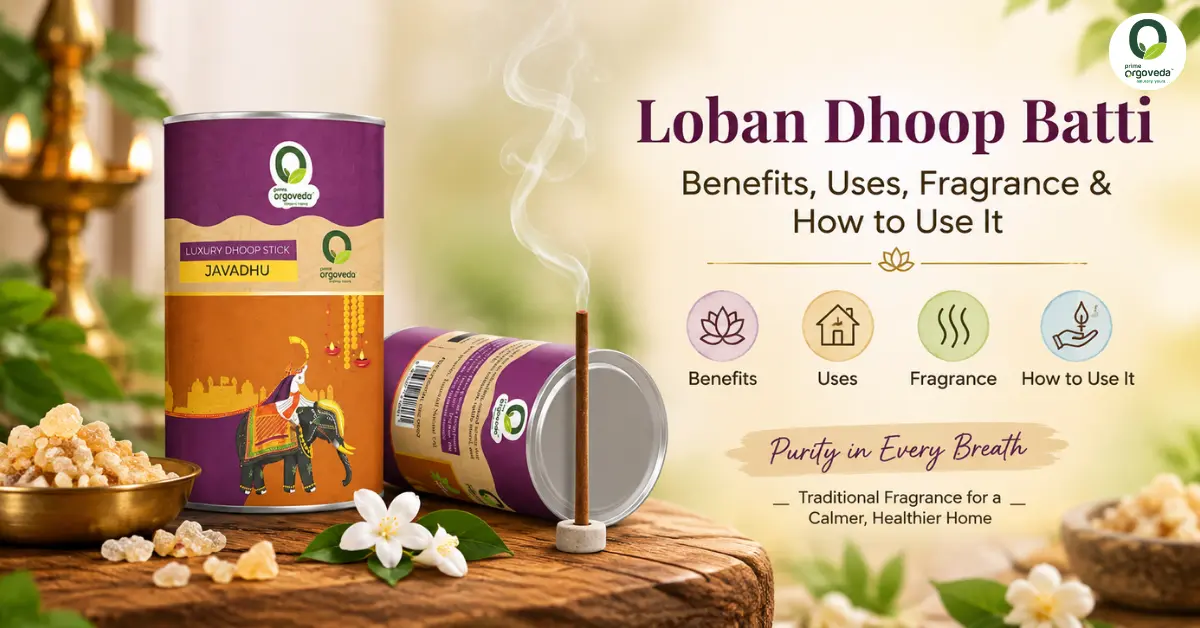
Loban dhoop batti is a traditional aromatic product widely used in Indian homes, pooja rooms, temples, meditation spaces, and other environments where fragrance plays an important role in creating a peaceful atmosphere. Known for its distinctive resinous aroma and rich smoky character, loban has been part of traditional incense practices for generations.
Burning dhoop is more than simply adding fragrance to a room. For many people, it forms an important part of daily rituals, prayer, meditation, and moments of quiet reflection. The warm and earthy aroma of loban can make a space feel more inviting and connected to traditional practices.
Today, Loban Dhoop Batti combines this traditional fragrance experience with the convenience of an easy-to-use incense format. It can be used during pooja, meditation, relaxation, festive occasions, or whenever you want to introduce a traditional aromatic touch to your surroundings.
In this guide, we will explore what Loban Dhoop Batti is, its traditional uses, fragrance profile, potential benefits, how to use it safely, and important factors to consider when choosing and storing it.
What Is Loban Dhoop Batti?
Loban Dhoop Batti is an aromatic dhoop product made using loban, a fragrant natural resin, along with other ingredients that help create a consistent-burning and aromatic formulation.
The term “dhoop batti” generally refers to a stick-shaped incense product designed to produce fragrance through controlled burning. Compared with conventional incense sticks, dhoop products often have a denser formulation and can provide a richer, more pronounced aromatic experience.
Loban Dhoop Batti is particularly appreciated for its deep, warm, woody, balsamic, and slightly sweet fragrance. Its distinctive aroma makes it suitable for traditional rituals as well as everyday home fragrance.
Depending on the formulation and manufacturer, the ingredients, fragrance intensity, burning time, smoke level, and appearance of Loban Dhoop Batti can vary. Therefore, checking the product label and ingredient information is important when selecting a product.
What Is Loban and Where Does It Come From?
Loban is a fragrant resin traditionally obtained from certain trees belonging to the Styrax genus. It is commonly associated with benzoin-type resins and has a long history of use in incense, perfumery, and traditional aromatic practices.
The resin is collected from trees and processed for various applications. When heated or burned, it releases a characteristic sweet, balsamic, warm, and slightly vanilla-like aroma, depending on the type and quality of the resin.
Across different cultures, aromatic resins have been used for centuries in religious ceremonies, traditional rituals, meditation practices, and fragrance preparation. In India, loban is especially familiar in pooja and dhoop traditions.
It is worth noting that “loban” can refer to different aromatic resins in different regional contexts. The exact botanical source and composition can therefore vary between products. Consumers should refer to the manufacturer’s ingredient information for the specific product they are purchasing.
Key Ingredients Used in Loban Dhoop Batti
The formulation of Loban Dhoop Batti can differ from one manufacturer to another. A typical product may contain a combination of aromatic materials, binding agents, combustible ingredients, and fragrance components.
Commonly used components may include:
Loban Resin
Loban provides the characteristic warm, balsamic, and resinous fragrance associated with this type of dhoop.
Natural Aromatic Materials
Some formulations may include herbs, woods, plant powders, or other aromatic materials to create a distinctive fragrance profile.
Binding Ingredients
Binding agents help hold the formulation together and give the dhoop batti its required shape and consistency.
Combustible Materials
Combustible ingredients allow the batti to burn steadily and release fragrance.
Fragrance Ingredients
Depending on the product, additional natural or formulated fragrance ingredients may be used to enhance or balance the aroma.
Because formulations vary, it is always advisable to read the packaging and manufacturer’s ingredient information before use, especially if you prefer a particular type of formulation.
How Loban Dhoop Batti Is Made
The manufacturing process can vary depending on the formulation and production method, but the basic process generally involves preparing aromatic and combustible materials before shaping them into dhoop battis.
First, the selected raw materials are prepared and processed to achieve the desired consistency. Loban and other aromatic ingredients may then be blended with the base materials and suitable binding components.
The mixture is carefully combined to achieve a uniform texture. It is subsequently formed into stick-shaped battis using an appropriate manufacturing process.
After shaping, the battis are dried under controlled conditions to reduce excess moisture and help them maintain their form. Once sufficiently dried, the finished products are inspected, packed, and prepared for use.
Quality manufacturing is important because the formulation influences fragrance, burning consistency, smoke production, and overall user experience.
Benefits of Loban Dhoop Batti
Loban Dhoop Batti is valued primarily for its aromatic and traditional uses. While individual experiences can differ, several practical and cultural benefits make it a popular choice.
Creates a Traditional Aroma
Loban offers a distinctive resinous and warm fragrance that can give a room a traditional aromatic character.
Supports a Peaceful Ambience
The familiar aroma of incense can contribute to a calm and pleasant atmosphere, particularly during quiet personal routines such as prayer or meditation.
Suitable for Ritual Practices
Loban has a long-standing association with Indian religious and cultural practices, making Loban Dhoop Batti a popular choice for pooja and other traditional rituals.
Enhances Home Fragrance
Its rich fragrance can be used to introduce a traditional aromatic note into living spaces, pooja rooms, entryways, or other suitable areas.
Complements Meditation and Relaxation
For people who associate incense with relaxation, the aroma can become part of a personal meditation or mindfulness routine.
Adds a Sensory Element to Daily Rituals
Fragrance can play an important role in creating familiar sensory associations. Burning dhoop at a regular time can make prayer, meditation, or other routines feel more intentional.
Important: These benefits primarily relate to fragrance, ambience, tradition, and personal experience. Loban Dhoop Batti should not be considered a treatment for medical conditions or a substitute for professional healthcare.
Uses of Loban Dhoop Batti
Loban Dhoop Batti is versatile and can be incorporated into several traditional and everyday routines.
Pooja and Prayer
It can be burned during daily pooja, prayer, and other devotional activities to introduce a traditional fragrance into the ritual space.
Meditation
The aroma can become part of a personal meditation environment, helping create a consistent sensory setting for quiet practice.
Home Fragrance
Loban Dhoop Batti can be used to add a warm, traditional fragrance to suitable indoor spaces.
Festive Occasions
Dhoop is commonly associated with celebrations and religious occasions. Loban fragrance can complement the atmosphere during festivals and family gatherings.
Spiritual and Cultural Practices
People may use loban dhoop as part of customary spiritual or cultural routines passed down through generations.
Personal Relaxation
Some individuals enjoy incense as part of their evening relaxation routine, particularly when they appreciate warm and earthy fragrances.
Loban Dhoop Batti for Pooja and Spiritual Rituals
Fragrance has traditionally been an important element of Indian pooja and spiritual practices. Alongside flowers, lamps, camphor, and other ritual elements, dhoop is often used to create a distinctive sensory environment.
Loban Dhoop Batti is particularly suited to these practices because of its rich and traditional aroma. Its fragrance can help distinguish the pooja environment from the rest of the home and create a dedicated atmosphere for prayer and reflection.
Many families have their own customs regarding when and how dhoop should be used. Some may burn it during morning pooja, while others may include it in evening prayers or special ceremonies.
When using Loban Dhoop Batti for spiritual rituals, the focus should be on the cultural and personal significance of the practice rather than making health-related claims about the fragrance.
Loban Dhoop Batti for Home Fragrance
A pleasant fragrance can significantly influence how a living space feels. Loban Dhoop Batti provides an earthy, warm, resinous aroma that can be used when you want something more traditional than a conventional air freshener.
It can be particularly suitable for:
- Living rooms
- Pooja rooms
- Meditation spaces
- Entry areas
- Prayer spaces
- Other well-ventilated areas
Because dhoop produces smoke during burning, it should be used thoughtfully. Avoid burning it continuously in small or poorly ventilated rooms.
For everyday home fragrance, using a suitable quantity for the size of the space can provide a more comfortable experience while avoiding excessive smoke.
Understanding the Fragrance of Loban Dhoop Batti
The fragrance of loban is one of its most distinctive characteristics.
Depending on the resin, formulation, and additional fragrance ingredients, Loban Dhoop Batti may offer notes that can be described as:
- Warm
- Resinous
- Balsamic
- Woody
- Earthy
- Slightly sweet
- Rich and smoky
When the batti begins to burn, the fragrance gradually develops as the aromatic materials are heated. The resulting aroma can feel deeper and more intense than that of lighter incense fragrances.
Fragrance preferences are highly personal. Someone who enjoys sandalwood or floral incense may prefer a different experience from someone who appreciates deep resinous aromas. If you are purchasing Loban Dhoop Batti for the first time, starting with a smaller pack can be a practical way to discover whether its fragrance suits your preference.
How to Use Loban Dhoop Batti Safely
Since Loban Dhoop Batti is a burning product, proper handling is essential.
Step 1: Choose a Suitable Holder
Place the dhoop batti in a stable, heat-resistant incense holder designed to safely collect ash.
Step 2: Keep It on a Stable Surface
Place the holder on a flat, non-flammable surface away from curtains, paper, furniture, and other combustible materials.
Step 3: Light the Tip
Use a suitable lighter or match to ignite the tip of the batti.
Step 4: Allow It to Catch Fire
Let the tip burn briefly until it is properly ignited.
Step 5: Extinguish the Flame
Gently extinguish the visible flame according to the product instructions, allowing the batti to smoulder and release fragrance.
Step 6: Maintain Ventilation
Use dhoop in a well-ventilated area. Avoid excessive smoke accumulation.
Step 7: Never Leave It Unattended
A burning dhoop batti should never be left unattended, especially around children, pets, or flammable materials.
Always follow the specific safety instructions provided on the product packaging.
Best Time and Place to Burn Loban Dhoop Batti
There is no single universally required time to use Loban Dhoop Batti. The best time depends on your personal routine and cultural practice.
Morning
Many people enjoy using dhoop during morning pooja or meditation as part of the beginning-of-day routine.
Evening
Evening prayer and relaxation can be another suitable time for enjoying the aroma.
During Pooja
Loban Dhoop Batti can be incorporated into daily or occasional devotional practices according to individual customs.
During Meditation
Those who enjoy incense during meditation may use it shortly before beginning their practice.
Suitable Locations
Choose a stable and well-ventilated area where the burning product can be monitored safely. A dedicated incense holder placed away from flammable objects is ideal.
Avoid using burning dhoop in enclosed spaces with poor ventilation or near materials that could catch fire.
Loban Dhoop Batti vs. Incense Sticks
Although both products are used to create fragrance, their formulation, appearance, and burning characteristics can differ.
| Fragrance | Typically rich, resinous and warm | Available in a wide variety of fragrances |
| Form | Usually denser dhoop formulation | Fragrance-coated or formulated around a stick |
| Traditional use | Commonly associated with pooja and dhoop rituals | Widely used for pooja, home fragrance and relaxation |
| Aroma profile | Often deeper and more intense | Can range from light and floral to woody and spicy |
| Variety | Often focused on traditional dhoop aromas | Very broad fragrance selection |
| Experience | Suitable for people who prefer rich traditional aromas | Suitable for varied fragrance preferences |
Neither option is universally better. The right choice depends on your preferred fragrance, intended use, smoke tolerance, and personal ritual.
How to Choose the Best Loban Dhoop Batti
With many dhoop products available, selecting the right one requires attention to quality and formulation.
Check the Ingredients
Look for clear ingredient information and choose a formulation that matches your preferences.
Consider the Fragrance
Loban has a distinctive aroma. Choose a product that offers the fragrance intensity you enjoy.
Look at Burning Characteristics
Check the manufacturer’s information regarding burning time and usage instructions.
Choose Reliable Packaging
Good packaging helps protect dhoop from moisture and maintains its quality during storage.
Consider Your Intended Use
A product intended primarily for pooja may have different characteristics from one designed for everyday home fragrance.
Check Product Information
Look for details such as quantity, manufacturer information, usage instructions, storage instructions, and safety precautions.
Start With a Smaller Pack
If you have never used loban dhoop before, trying a smaller quantity can help you understand whether you enjoy the fragrance.
Tips for Storing Loban Dhoop Batti
Proper storage helps maintain the fragrance and physical quality of dhoop products.
Follow these simple tips:
- Store Loban Dhoop Batti in a cool and dry place.
- Keep it away from direct sunlight and excessive heat.
- Protect it from moisture and humidity.
- Keep the packaging properly closed when not in use.
- Store it away from food items and strong-smelling materials.
- Keep it out of reach of children and pets.
- Do not store unused dhoop near open flames or other heat sources.
Moisture can affect the texture, fragrance, and burning characteristics of incense products, so dry storage is particularly important.
Conclusion
Loban Dhoop Batti brings together the traditional appeal of aromatic resins and the convenience of a modern dhoop format. With its warm, earthy, balsamic, and resinous fragrance, it can become a meaningful addition to pooja, meditation, relaxation, festive occasions, and everyday home fragrance routines.
From its traditional connection with Indian rituals to its distinctive aromatic character, loban continues to hold a special place in incense culture. Choosing a quality product, following appropriate burning practices, and storing it correctly can help you enjoy the experience safely and comfortably.
Whether you are looking to enhance your pooja routine, create a traditional ambience, or simply explore a rich and distinctive incense fragrance, Loban Dhoop Batti offers a timeless aromatic experience rooted in tradition.
Frequently Asked Questions (FAQs)
1. What is Loban Dhoop Batti?
Loban Dhoop Batti is an aromatic incense product made using loban or loban-based fragrance materials along with other ingredients that help create a slow-burning and fragrant dhoop product.
2. What does Loban Dhoop Batti smell like?
Loban Dhoop Batti generally has a warm, resinous, balsamic, earthy, woody, and slightly sweet fragrance. The exact aroma can vary depending on the formulation.
3. What is Loban Dhoop Batti used for?
It is commonly used for pooja, prayer, meditation, traditional rituals, festive occasions, relaxation routines, and home fragrance.
4. Can Loban Dhoop Batti be used during pooja?
Yes. Loban has a long association with traditional incense and pooja practices, and Loban Dhoop Batti can be incorporated into such rituals according to personal or family customs.
5. How do you burn Loban Dhoop Batti?
Place the batti in a suitable heat-resistant holder, light the tip, allow it to catch fire briefly, and extinguish the flame so that it can smoulder. Always follow the manufacturer’s instructions.
6. Can I use Loban Dhoop Batti indoors?
Yes, but it should be used responsibly in a well-ventilated area and kept away from flammable materials. Avoid excessive smoke accumulation.
7. Is Loban Dhoop Batti the same as incense sticks?
No. Although both are used for fragrance, their formulations, appearance, burning characteristics, and fragrance profiles can differ.
8. How long does Loban Dhoop Batti burn?
Burning time varies according to the product’s size, formulation, and manufacturer. Always check the product packaging for the specific burning-time information.
9. How should Loban Dhoop Batti be stored?
Store it in a cool, dry place away from moisture, direct sunlight, heat, and open flames. Keep the packaging closed when the product is not being used.
10. Can Loban Dhoop Batti be used for meditation?
Yes. Many people incorporate incense into their meditation routines because they enjoy the sensory experience and consistent fragrance it provides.
11. How do I choose a good Loban Dhoop Batti?
Look for clear ingredient information, reliable packaging, a fragrance that suits your preference, appropriate burning characteristics, and clear safety and usage instructions.
12. Is Loban Dhoop Batti suitable for everyday use?
It can be incorporated into an everyday fragrance, pooja, or relaxation routine when used responsibly, with appropriate ventilation and according to the product’s safety instructions.


 Agarbatti
 Computer Loban
 Dhoop Sticks
 Dhoop Cones
 Loban Powder
 Dhoop Cups
 Soap
Soap Facewash
 Shampoo