
Blog
Best Smelling Agarbatti: Top Fragrances for a Fresh and Peaceful Home

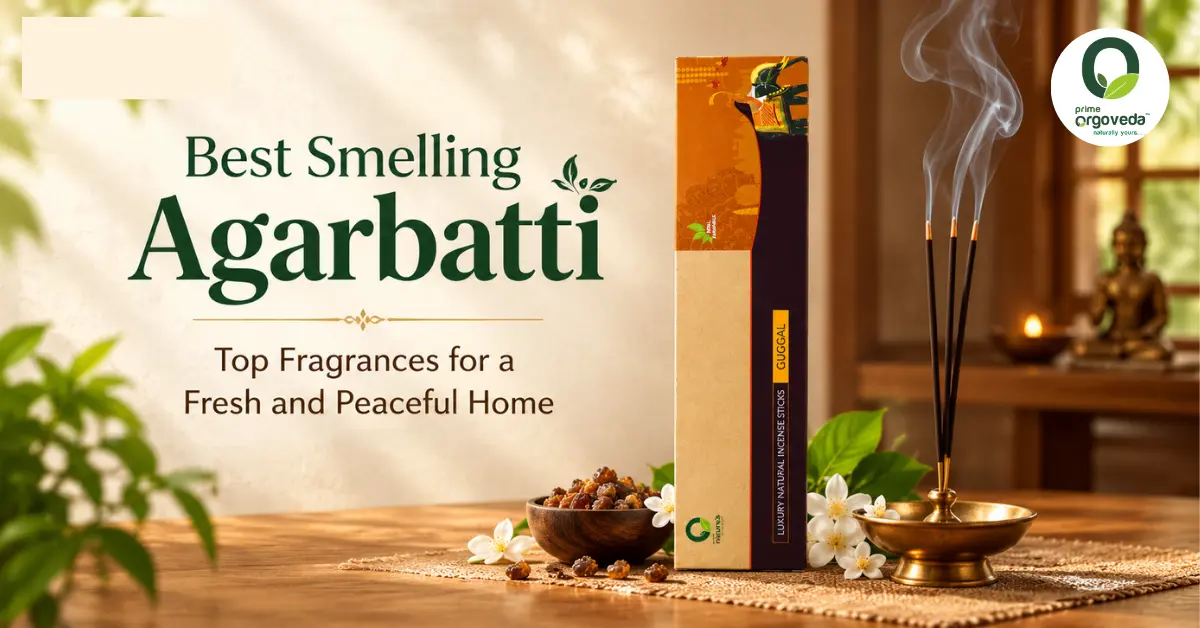
A pleasant fragrance can completely transform the atmosphere of a home. From creating a welcoming environment to supporting moments of prayer, meditation, relaxation, and self-care, fragrance has an important place in everyday living. Among traditional home fragrances, agarbatti, or incense sticks, remains one of the most popular choices for adding a beautiful aroma to indoor spaces. With countless fragrances available today, choosing the best smelling agarbatti can sometimes be overwhelming. Sandalwood, jasmine, rose, lavender, oud, champa, and herbal blends each offer a different fragrance experience.
The right agarbatti is not simply about how strong the fragrance is. Factors such as the quality of ingredients, fragrance balance, burning time, smoke, and the overall character of the aroma can influence your experience.
In this guide, we explore some of the best agarbatti fragrances, how to choose the right scent for your home, and simple ways to enjoy a better incense experience.
Why Fragrance Matters in Your Home?
Our sense of smell is closely connected with our emotions, memories, and surroundings. A carefully selected fragrance can make a room feel warmer, more inviting, and comfortable.
Agarbatti has been used for generations in Indian households as part of traditional rituals, prayer, meditation, and everyday home fragrance. Today, incense sticks are also used to create a pleasant ambience during yoga, reading, relaxation, and quiet evening routines.
The best smelling agarbatti for your home depends largely on your personal preferences and the atmosphere you want to create.
For example:
- Sandalwood can provide a warm and traditional aroma.
- Jasmine offers a floral and refreshing fragrance.
- Rose creates a soft and familiar floral ambience.
- Lavender is often preferred for calm evening routines.
- Oud delivers a deeper, richer fragrance experience.
- Champa offers a distinctive traditional floral aroma.
- Herbal fragrances can provide a fresh and earthy character.
Instead of choosing an incense stick simply because it has a powerful scent, consider selecting a fragrance that complements the purpose and mood of your space.
What Makes an Agarbatti Smell Good?
The fragrance quality of an agarbatti depends on several factors. A pleasant incense experience usually comes from the balance between the fragrance composition, base materials, burning characteristics, and overall quality.
Quality of Fragrance
A good agarbatti should have a well-balanced aroma rather than an overpowering scent. The fragrance should remain pleasant throughout the burning process.
Choice of Ingredients
Ingredients used in the incense formulation can significantly influence its aroma. Traditional materials such as sandalwood, resins, herbs, flowers, and aromatic woods have long been associated with incense making.
Fragrance Balance
The best smelling incense is not necessarily the strongest. A balanced fragrance can be more enjoyable, particularly when used indoors.
Burning Characteristics
How an agarbatti burns can influence the fragrance experience. A consistent burn can help release the aroma more evenly.
Freshness and Storage
Even a high-quality agarbatti can lose some of its fragrance if stored improperly. Keeping incense sticks away from moisture, direct sunlight, and excessive heat helps preserve their aroma.
Top Best-Smelling Agarbatti Fragrances
Different fragrances suit different preferences and occasions. Here are some popular agarbatti scents to consider for your home.
Sandalwood Agarbatti
Sandalwood is one of the most recognizable traditional incense fragrances. Its warm, woody, and smooth aroma makes it a popular choice for prayer spaces, meditation, and everyday use.
Best for: Pooja, meditation, relaxation, and traditional ambience.
Jasmine Agarbatti
Jasmine is known for its rich floral character. Its familiar fragrance can make a room feel fresh and inviting.
Best for: Living rooms, evening routines, and special occasions.
Rose Agarbatti
Rose offers a soft, sweet, and floral fragrance. It is a versatile choice for people who enjoy classic floral aromas.
Best for: Daily home use, celebrations, and welcoming guests.
Lavender Agarbatti
Lavender has a fresh and soothing floral-herbal character. Many people prefer it during quiet evening routines and relaxation.
Best for: Meditation, yoga, reading, and evening relaxation.
Oud Agarbatti
Oud is a deep, rich, woody fragrance that creates a luxurious atmosphere. It can be especially appealing to those who prefer bold and sophisticated aromas.
Best for: Special occasions, entertaining, and premium home ambience.
Champa Agarbatti
Champa is a classic incense fragrance associated with traditional Indian incense culture. Its distinctive floral aroma makes it a popular choice among incense enthusiasts.
Best for: Prayer, meditation, spiritual spaces, and everyday use.
Mogra Agarbatti
Mogra offers an intense and recognizable floral fragrance. It is particularly suitable for those who enjoy rich Indian floral scents.
Best for: Evening use, festivals, and home fragrance.
Frankincense Agarbatti
Frankincense has a resinous, warm, and slightly earthy aroma. It has a long association with traditional aromatic and ceremonial practices.
Best for: Prayer, meditation, and peaceful spaces.
Patchouli Agarbatti
Patchouli has a distinctive earthy and woody fragrance. It can be a good choice for individuals who prefer deeper, natural-smelling aromas.
Best for: Relaxation, meditation, and quiet spaces.
Herbal Agarbatti
Herbal incense blends can combine aromatic plants, herbs, and natural-inspired fragrance profiles to create a fresh and earthy experience.
Best for: Everyday use, wellness routines, and nature-inspired spaces.
Best Smelling Agarbatti for Different Occasions
The ideal fragrance can vary depending on the occasion and atmosphere you want to create.
For Daily Home Use
Choose versatile fragrances such as sandalwood, jasmine, rose, or mild herbal blends. These scents can complement everyday routines without overwhelming the space.
For Pooja and Spiritual Practices
Traditional fragrances such as sandalwood, champa, frankincense, and other woody or resinous aromas are popular choices for prayer spaces.
For Meditation and Yoga
Consider softer and balanced fragrances such as sandalwood, lavender, or selected herbal blends.
For Relaxation
Floral and soothing fragrance profiles such as lavender, jasmine, and rose can complement a quiet evening routine.
For Festivals and Special Occasions
Richer fragrances such as oud, sandalwood, champa, and mogra can create a more distinctive and celebratory ambience.
For Welcoming Guests
Fresh floral fragrances or elegant woody aromas can make the home feel warm and inviting.
How to Choose the Best Agarbatti Fragrance for Your Home?
Choosing the best smelling agarbatti is ultimately a personal decision. However, a few simple factors can make your selection easier.
Consider the Room
A fragrance that works well in a prayer room may not necessarily be your preferred choice for a bedroom or living room.
Think About Your Fragrance Preference
Do you prefer floral, woody, earthy, sweet, fresh, or rich fragrances? Identifying your preferred fragrance family can help narrow your options.
Consider Fragrance Strength
A very strong fragrance may not be suitable for everyone. For regular indoor use, a balanced aroma may provide a more comfortable experience.
Check the Ingredients
If ingredients are important to you, look for products that clearly communicate their materials and fragrance composition.
Consider Burning Time
A longer burning time can be useful for extended prayer or meditation sessions, while shorter-burning sticks may be convenient for quick fragrance routines.
Choose According to the Occasion
Selecting fragrances based on the purpose can make your incense experience more enjoyable.
Natural vs. Synthetic Agarbatti Fragrances
One of the common considerations when choosing incense is whether the fragrance is derived from natural aromatic materials, fragrance compounds, or a combination of ingredients.
Natural-Inspired Fragrances
Natural-inspired incense may use aromatic woods, herbs, flowers, resins, essential oils, or botanical materials depending on the formulation.
These fragrances can offer earthy, woody, floral, or herbal profiles.
Synthetic Fragrance Compounds
Modern incense manufacturing can also use fragrance compounds designed to create specific scent profiles. These can provide consistency and allow manufacturers to develop a wide variety of fragrances.
Which One Should You Choose?
There is no single fragrance type that is best for everyone. The important considerations are product quality, ingredient transparency, fragrance balance, personal preference, and responsible use.
If you prefer nature-inspired products, you may want to explore incense made with carefully selected botanical and aromatic ingredients.
How to Use Agarbatti for a Long-Lasting Fragrance
Using incense correctly can help you enjoy its fragrance more effectively.
Step 1: Choose a Suitable Holder
Always place the agarbatti in a stable, heat-resistant incense holder designed to collect ash.
Step 2: Light the Tip
Light the end of the incense stick carefully and allow a small flame to form.
Step 3: Extinguish the Flame
Gently blow out the flame so that the incense stick continues to smoulder and release fragrance.
Step 4: Position It Properly
Place the incense holder on a stable, non-flammable surface away from curtains, paper, furniture, and other combustible materials.
Step 5: Allow Air Circulation
Good ventilation helps prevent excessive smoke from accumulating indoors while allowing the fragrance to spread.
Step 6: Extinguish After Use
Never leave a burning incense stick unattended. Once you have finished using it, make sure it is completely extinguished.
Tips for Getting the Best Fragrance Experience
A few simple habits can make your incense routine more enjoyable.
- Choose fragrances that match the mood and occasion.
- Use the appropriate number of sticks for the size of the room.
- Avoid overcrowding a small space with strong fragrances.
- Keep windows or doors slightly open for ventilation when appropriate.
- Use a proper incense holder.
- Keep incense away from children and pets.
- Do not place burning incense near flammable materials.
- Store unused incense in a cool, dry place.
- Experiment with different fragrance families to discover your favourites.
Remember, more fragrance does not always mean a better fragrance experience. Balance is often the key.
Common Mistakes to Avoid When Burning Agarbatti
Although using incense is simple, a few common mistakes can affect both safety and fragrance quality.
Burning Too Many Sticks
Using several strong incense sticks at once can make the fragrance overwhelming, especially in smaller rooms.
Poor Ventilation
Burning incense in a completely closed room can allow smoke to accumulate. Ensure adequate ventilation.
Using an Unstable Holder
Always use a suitable incense holder that can safely support the burning stick and collect falling ash.
Placing Incense Near Flammable Items
Keep burning incense away from curtains, paper, clothing, wooden objects, and other combustible materials.
Leaving Incense Unattended
Never leave a burning agarbatti unattended. Extinguish it when you leave the room.
Improper Storage
Exposure to moisture, heat, or direct sunlight can affect the fragrance and quality of unused incense.
How to Store Agarbatti to Preserve Its Fragrance
Proper storage can help maintain the aroma of your incense sticks for longer.
Keep It Dry
Moisture can affect incense materials and fragrance. Store your agarbatti in a dry environment.
Avoid Direct Sunlight
Direct sunlight and excessive heat may affect fragrance quality over time.
Keep It Properly Sealed
Whenever possible, keep incense in its original packaging or an airtight container to reduce exposure to moisture and surrounding odours.
Avoid Strong-Smelling Products
Do not store agarbatti next to perfumes, cleaning chemicals, spices, or other strongly scented products, as incense can absorb surrounding odours.
Store at a Moderate Temperature
A cool, dry storage area away from excessive heat is generally suitable for maintaining incense quality.
Conclusion
The best smelling agarbatti is ultimately the fragrance that suits your personal preferences, home environment, and purpose.
Whether you enjoy the warm aroma of sandalwood, the floral character of jasmine and rose, the soothing profile of lavender, the richness of oud, or the traditional appeal of champa, there is an incense fragrance for almost every mood and occasion.
When choosing agarbatti, look beyond fragrance strength. Consider the quality of ingredients, fragrance balance, burning characteristics, packaging, and how well the scent fits your lifestyle.
A thoughtfully chosen agarbatti can become a simple yet meaningful part of your daily routine—bringing fragrance, warmth, and a sense of calm to your surroundings.
Explore different fragrances, discover what resonates with you, and create a home environment that feels naturally welcoming and peaceful.
Frequently Asked Questions (FAQs)
1. Which is the best smelling agarbatti for home?
The best smelling agarbatti depends on personal preference. Sandalwood, jasmine, rose, lavender, champa, and herbal fragrances are popular choices for home use.
2. Which agarbatti fragrance is best for daily use?
Mild sandalwood, jasmine, rose, and herbal fragrances can be suitable for everyday use. Choose a balanced fragrance that is comfortable for your indoor space.
3. Which agarbatti smells the strongest?
Fragrance strength varies by formulation and product. Oud, mogra, jasmine, and some floral or woody blends can offer relatively rich fragrance profiles.
4. Is sandalwood agarbatti good for home?
Sandalwood is a popular traditional fragrance for homes because of its warm, woody, and familiar aroma. It is commonly used during prayer, meditation, and everyday routines.
5. How can I make agarbatti fragrance last longer?
Use the appropriate number of incense sticks for the room, maintain suitable ventilation, and store unused agarbatti in a cool, dry, well-sealed place.
6. Can I use agarbatti every day?
Agarbatti can be incorporated into a daily fragrance or ritual routine when used responsibly. Always follow the product instructions, maintain adequate ventilation, and never leave burning incense unattended.
7. How should I store incense sticks?
Store agarbatti in a cool, dry place away from direct sunlight, moisture, heat, and strong surrounding odours. Keeping the product properly sealed can help preserve its fragrance.
8. What is better for meditation: floral or woody agarbatti?
Both can work depending on personal preference. Sandalwood and other woody fragrances are popular for traditional meditation settings, while lavender and selected floral fragrances may appeal to those who prefer softer aromas.
9. How do I choose an agarbatti fragrance?
Start by identifying whether you prefer floral, woody, earthy, fresh, sweet, or rich fragrances. Then consider the room, occasion, fragrance strength, ingredients, and burning time.
10. Can different agarbatti fragrances be used at different times?
Yes. You can choose fragrances according to the occasion or mood—for example, sandalwood for prayer, lavender for an evening routine, floral fragrances for welcoming guests, and richer fragrances for special occasions.


 Agarbatti
 Computer Loban
 Dhoop Sticks
 Dhoop Cones
 Loban Powder
 Dhoop Cups
 Soap
Soap Facewash
 Shampoo