
Blog
Neem Homemade Soap: A Natural Solution for Clear and Healthy Skin

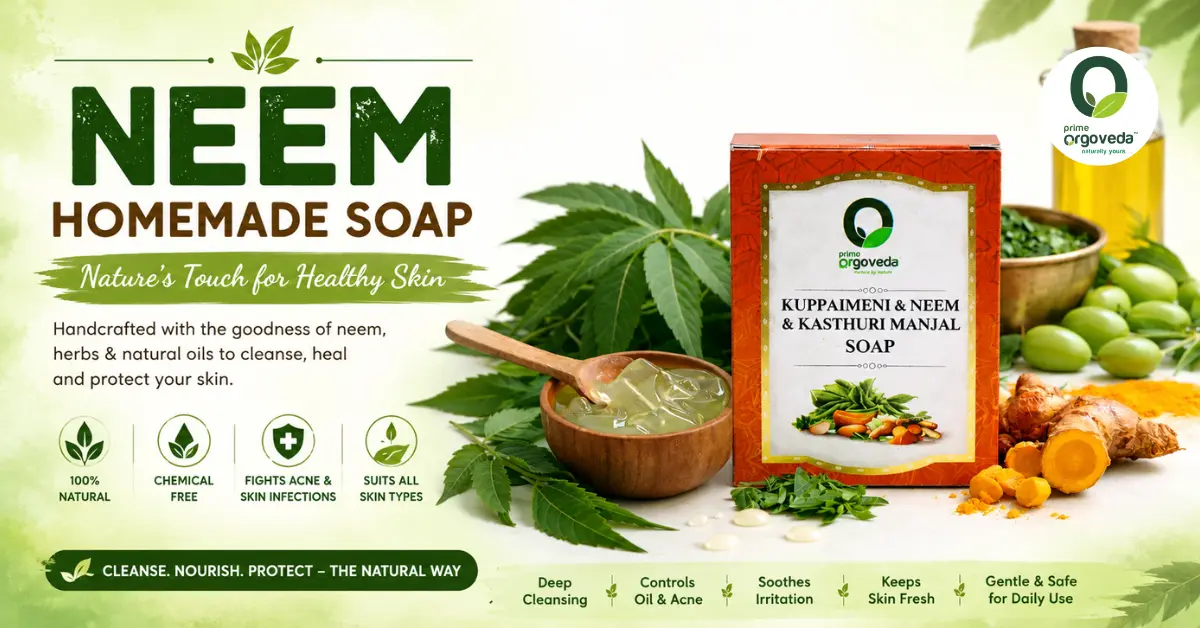
In recent years, people have started shifting toward natural and chemical-free skincare solutions, and Neem Homemade Soap has quickly become one of the most trusted choices. With growing awareness about the harmful effects of synthetic ingredients in commercial soaps, consumers are now looking for gentler, plant-based alternatives that support long-term skin health.
Neem, known for its powerful antibacterial and healing properties in traditional Ayurveda, has been used for centuries to treat various skin concerns. When infused into handmade soap, neem becomes even more effective in cleansing the skin deeply while maintaining its natural balance. Unlike harsh chemical soaps, neem homemade soap does not strip away essential moisture, making it suitable for daily use.
Another reason behind its rising popularity is its ability to address common skin issues such as acne, excess oil, irritation, and minor infections. People with sensitive or problem-prone skin especially prefer neem-based handmade soaps because they offer a natural way to purify and calm the skin without side effects.
Additionally, the demand for eco-friendly and sustainable products has contributed to its popularity. Neem homemade soaps are often crafted using natural oils and biodegradable ingredients, making them better for both skin and the environment.
As skincare trends continue to move toward simplicity and purity, neem homemade soap stands out as a reliable, time-tested solution for achieving clear, healthy, and naturally glowing skin.
What is Neem Homemade Soap?
Neem Homemade Soap is a natural, handcrafted skincare product made using neem extracts (from the leaves, oil, or powder of the neem tree) combined with skin-friendly base ingredients such as natural oils, butters, and glycerin.
Neem, scientifically known as Azadirachta indica, is widely valued in Ayurveda for its powerful cleansing, antibacterial, and skin-purifying properties. When used in soap-making, neem becomes a key active ingredient that helps support clearer and healthier skin without relying on harsh chemicals.
Unlike commercial soaps that often contain synthetic detergents and artificial fragrances, neem homemade soap is typically made in small batches using traditional or cold-process methods. This helps retain the natural goodness of the ingredients, ensuring a gentle yet effective cleansing experience.
The soap works by deeply cleansing the skin, removing dirt, excess oil, and impurities while helping to soothe irritation and prevent acne-causing bacteria. Because it is made from natural components, it is usually suitable for daily use and can be especially beneficial for oily, acne-prone, and sensitive skin types.
In simple terms, neem homemade soap is a natural alternative to chemical-based soaps, designed to purify the skin while maintaining its natural moisture and balance.
Key Natural Ingredients Used in Neem Soap
Neem Homemade Soap is crafted using a blend of natural, skin-nourishing ingredients that work together to cleanse, heal, and protect the skin. Each ingredient plays an important role in enhancing the soap’s effectiveness while keeping it gentle and chemical-free.
1. Neem (Leaves, Oil, or Powder)
Neem is the star ingredient of the soap. It is rich in antibacterial, antifungal, and anti-inflammatory properties that help fight acne, reduce skin infections, and purify the skin naturally. It also helps soothe irritation and calm redness.
2. Coconut Oil
Coconut oil is commonly used as a base oil in handmade soaps. It deeply moisturizes the skin, creates a rich lather, and helps remove dirt and impurities without stripping natural oils.
3. Olive Oil
Olive oil is known for its gentle and nourishing properties. It helps hydrate the skin, improve softness, and protect against dryness, making the soap suitable for sensitive skin.
4. Palm Oil or Shea Butter
These ingredients add firmness to the soap and provide long-lasting moisture. Shea butter, in particular, is rich in vitamins that support skin repair and smoothness.
5. Lye (Sodium Hydroxide)
Lye is essential in traditional soap-making. It reacts with oils through saponification to form soap. In the final cured product, no lye remains, making the soap safe for use.
6. Essential Oils (Optional)
Natural essential oils like tea tree, lavender, or eucalyptus may be added for fragrance and additional skin benefits. For example, tea tree oil enhances acne-fighting properties.
7. Natural Glycerin
Glycerin is a natural byproduct of the soap-making process. It helps attract moisture to the skin, keeping it soft, hydrated, and smooth.
Together, these ingredients make neem homemade soap a powerful yet gentle skincare solution that cleanses deeply while maintaining the skin’s natural balance.
How Neem Benefits Your Skin
Neem has been used in traditional skincare for centuries because of its powerful healing and purifying properties. When included in homemade soap, neem works as a natural skin treatment that helps improve overall skin health with regular use.
1. Fights Bacteria and Acne-Causing Germs
Neem contains strong antibacterial and antifungal compounds that help reduce acne-causing bacteria on the skin. This makes it especially effective for preventing pimples, breakouts, and infections.
2. Controls Excess Oil Production
For oily and combination skin types, neem helps balance sebum (oil) production. It cleans deep into the pores, removing excess oil without making the skin overly dry.
3. Soothes Irritated and Inflamed Skin
Neem has natural anti-inflammatory properties that help calm redness, itching, and skin irritation. It is often used for sensitive or allergy-prone skin.
4. Helps Reduce Acne and Blemishes
Regular use of neem soap can help gradually reduce acne marks, dark spots, and blemishes by purifying the skin and supporting natural healing.
5. Supports Skin Detoxification
Neem helps remove toxins and impurities from the skin, promoting a clearer and healthier complexion over time.
6. Protects Against Skin Infections
Due to its antifungal properties, neem helps protect the skin from infections such as fungal rashes and minor skin irritations.
7. Promotes Clear and Healthy Skin
By combining cleansing, healing, and protective properties, neem supports an overall improvement in skin texture, making it look fresher and more balanced.
In simple terms, neem works as a natural skin purifier, helping you achieve clearer, calmer, and healthier skin without harsh chemicals.
Why Choose Homemade Neem Soap Over Commercial Soaps
When it comes to skincare, the difference between homemade neem soap and commercial soaps is significant. While both are used for cleansing, their ingredients, processing methods, and effects on the skin vary greatly. Choosing homemade neem soap offers several long-term benefits for healthier skin.
1. Free from Harsh Chemicals
Most commercial soaps contain synthetic detergents, artificial fragrances, and preservatives that can strip the skin of its natural oils. Homemade neem soap is made from natural ingredients, making it gentler and safer for daily use.
2. Rich in Natural Nutrients
Homemade neem soap retains the goodness of plant-based oils, neem extracts, and natural glycerin. These nutrients help nourish, heal, and protect the skin instead of just cleansing it.
3. Better for Sensitive Skin
Commercial soaps can often trigger dryness, irritation, or allergies. Neem homemade soap is mild and soothing, making it ideal for sensitive, acne-prone, and problem skin.
4. Natural Healing Properties
Neem is known for its antibacterial and antifungal benefits. In homemade soap, these properties remain more effective, helping to fight acne, infections, and skin inflammation naturally.
5. Moisturizing Effect
Unlike many commercial soaps that leave the skin dry, homemade neem soap helps maintain moisture balance due to natural oils and glycerin content.
6. Eco-Friendly and Sustainable
Homemade soaps are often biodegradable and produced using environmentally conscious methods, reducing chemical pollution and plastic waste.
7. Fresh and Customizable
Homemade neem soaps can be customized with natural ingredients like essential oils, herbs, or butters based on skin needs, ensuring a more personalized skincare experience.
Choosing homemade neem soap over commercial options means choosing a gentler, more natural, and skin-friendly approach to daily cleansing that supports long-term skin health.
Best Skin Types for Neem Homemade Soap
Neem Homemade Soap is a versatile natural cleanser that suits a wide range of skin types. Thanks to neem’s antibacterial, antifungal, and soothing properties, it helps maintain skin health while addressing common concerns like acne, oiliness, and irritation.
1. Oily Skin
Neem soap is highly beneficial for oily skin as it helps regulate excess sebum production. It deeply cleanses pores, removes grease and impurities, and leaves the skin feeling fresh without over-drying.
2. Acne-Prone Skin
One of the best skin types for neem soap is acne-prone skin. Neem helps fight acne-causing bacteria, reduces inflammation, and supports faster healing of pimples and breakouts.
3. Sensitive Skin
Because of its natural and gentle composition, neem homemade soap is suitable for sensitive skin. It soothes redness, irritation, and minor allergic reactions without causing harsh side effects.
4. Combination Skin
For combination skin (oily in some areas and dry in others), neem soap helps balance the skin by controlling oil in the T-zone while gently cleansing other areas.
5. Problematic Skin (Rashes & Minor Infections)
Neem’s antifungal and antibacterial properties make it useful for skin prone to rashes, irritation, or minor infections. It helps purify the skin and supports natural healing.
6. Normal Skin
Even normal skin types can benefit from neem homemade soap as part of a daily cleansing routine. It helps maintain clarity, freshness, and overall skin hygiene.
Neem homemade soap is suitable for most skin types, especially those needing extra care and protection. Its natural healing properties make it a safe and effective choice for achieving balanced, healthy, and clear skin.
How to Use Neem Homemade Soap for Best Results
Using Neem Homemade Soap correctly can significantly improve your skincare results. When used consistently and in the right way, it helps cleanse deeply, control oil, and support clearer, healthier skin.
1. Wet Your Skin Thoroughly
Start by washing your face or body with lukewarm water. This helps open up the pores and prepares your skin for a deeper cleanse.
2. Lather the Soap Gently
Rub the neem homemade soap between your hands or directly on a soft washcloth or loofah to create a mild lather. Avoid harsh scrubbing, especially on the face.
3. Apply in Gentle Circular Motions
Massage the lather onto your skin using gentle circular motions. Focus on areas prone to oiliness, acne, or dirt buildup, such as the T-zone (forehead, nose, and chin).
4. Leave for a Few Seconds (Optional)
For acne-prone or oily skin, you may leave the lather on the skin for 20–30 seconds to allow neem’s antibacterial properties to work more effectively.
5. Rinse Thoroughly
Wash off completely with clean water, ensuring no soap residue remains on the skin, as leftover product can cause dryness or irritation.
6. Pat Dry Gently
Use a soft towel to pat your skin dry. Avoid rubbing, as it can cause irritation, especially on sensitive skin.
7. Moisturize After Use
Follow up with a natural moisturizer or light lotion to maintain skin hydration and balance.
Tips for Best Results
- Use once or twice daily, depending on your skin type
- For oily or acne-prone skin, twice daily use may be beneficial
- For dry or sensitive skin, start with once daily use
- Always perform a patch test if using for the first time
Regular and proper use of neem homemade soap helps maintain clear, fresh, and balanced skin. Consistency is key to experiencing its full natural benefits.
Possible Side Effects and Precautions
Although Neem Homemade Soap is generally safe and gentle for most skin types, it is still important to understand possible side effects and take proper precautions to ensure the best results.
1. Skin Dryness in Some Cases
Neem has strong cleansing properties that may remove excess oil effectively. However, for people with very dry skin, frequent use can sometimes lead to mild dryness or tightness.
Precaution:
Use a good natural moisturizer after washing and limit use to once daily if needed.
2. Mild Skin Irritation or Sensitivity
In rare cases, some individuals may experience mild redness, itching, or irritation, especially if they are sensitive to neem or essential oils added in the soap.
Precaution:
Always perform a patch test before full use, especially on sensitive skin.
3. Over-Cleansing Effect
Using neem soap too frequently or in combination with other strong cleansers may strip the skin of its natural oils, leading to imbalance.
Precaution:
Avoid over-washing. Stick to 1–2 times daily depending on your skin type.
4. Allergic Reactions (Rare)
Although uncommon, some people may be allergic to neem or other natural ingredients used in handmade soaps.
Precaution:
Discontinue use immediately if you notice persistent redness, swelling, or discomfort.
5. Eye Irritation
If the soap accidentally gets into the eyes, it may cause temporary burning or irritation.
Precaution:
Rinse thoroughly with clean water if contact occurs and avoid direct application near the eye area.
Neem homemade soap is safe for most users when used correctly. By following simple precautions and using it in moderation, you can enjoy its natural benefits without any issues while maintaining healthy, balanced skin.
Tips for Storing Neem Homemade Soap Properly
Proper storage of Neem Homemade Soap is important to maintain its quality, longevity, and effectiveness. Since it is made from natural ingredients, it requires a little extra care compared to commercial soaps.
1. Keep It in a Dry Place
Always store neem soap in a cool, dry area away from direct moisture. Excess humidity can cause the soap to become soft and dissolve quickly.
2. Use a Well-Drained Soap Dish
Place the soap on a soap dish with proper drainage. This allows water to flow away and helps the soap dry between uses, increasing its lifespan.
3. Avoid Direct Sunlight
Do not expose the soap to direct sunlight for long periods. Heat and UV rays can affect the natural oils and reduce the soap’s effectiveness.
4. Let It Dry Between Uses
After each use, allow the soap to air dry. Keeping it wet continuously will make it wear out faster and become mushy.
5. Store Unused Bars in Paper or Cotton Cloth
If you have extra bars, wrap them in breathable materials like paper or cotton cloth instead of plastic. This helps maintain their natural fragrance and texture.
6. Keep Away from Excess Heat and Steam
Avoid storing soap near bathrooms with constant steam or heat sources, as this can soften the soap prematurely.
7. Store in Airtight Containers for Long-Term Storage
For long-term storage, keep neem soap in an airtight box in a cool cupboard to preserve its natural aroma and properties.
With proper care and storage, neem homemade soap can last longer while retaining its natural benefits. Simple storage habits help maintain its quality, fragrance, and skin-friendly properties.
Frequently Asked Questions (FAQs)
1. What is Neem Homemade Soap used for?
Neem Homemade Soap is mainly used for cleansing and purifying the skin. It helps remove dirt, excess oil, and bacteria while supporting clearer and healthier skin.
2. Is neem soap good for acne-prone skin?
Yes, neem soap is highly beneficial for acne-prone skin. Its antibacterial properties help reduce acne-causing bacteria, prevent breakouts, and soothe inflammation.
3. Can I use neem homemade soap daily?
Yes, it can be used daily. Most skin types can use it once or twice a day depending on skin sensitivity and oil levels.
4. Is neem soap suitable for sensitive skin?
Yes, but it depends on individual sensitivity. Neem soap is generally gentle, but a patch test is recommended before regular use.
5. Does neem soap make skin dry?
In some cases, it may slightly reduce natural oil, especially for dry skin types. Using a moisturizer after washing helps maintain skin hydration.
6. Can neem soap remove dark spots and blemishes?
Neem soap can help gradually improve skin clarity and reduce blemishes by supporting skin cleansing and natural healing, but results vary from person to person.
7. Is neem homemade soap better than commercial soap?
Yes, neem homemade soap is often better because it is made from natural ingredients and does not contain harsh chemicals or synthetic detergents.
8. How long does it take to see results?
Visible improvements in skin clarity and acne reduction may be noticed within 2–4 weeks of regular use, depending on skin type.
9. Can neem soap be used on the body as well as the face?
Yes, it is suitable for both face and body cleansing. It helps maintain overall skin hygiene and freshness.
10. Does neem soap have any side effects?
Side effects are rare, but some people may experience mild dryness or irritation. A patch test is recommended before full use.
Conclusion
Neem Homemade Soap stands out as a simple yet powerful skincare solution rooted in nature and traditional wisdom. With its antibacterial, antifungal, and soothing properties, neem helps cleanse the skin deeply while supporting its natural balance.
Unlike chemical-based soaps that can strip away essential moisture, neem homemade soap works gently to purify, protect, and nourish the skin. Its ability to target common concerns like acne, excess oil, irritation, and minor infections makes it a reliable choice for everyday skincare.
By switching to neem homemade soap, you are not only choosing a healthier option for your skin but also embracing a more natural and eco-friendly lifestyle. With regular use, it can help you achieve clearer, calmer, and more radiant skin over time.
In the end, neem homemade soap is more than just a cleansing product—it is a natural step toward long-term skin wellness and confidence.


 Agarbatti
 Computer Loban
 Dhoop Sticks
 Dhoop Cones
 Loban Powder
 Dhoop Cups
 Soap
Soap Facewash
 Shampoo