
Blog
Best Herbal Soap Without Chemicals: Benefits, Ingredients, and Complete Buying Guide

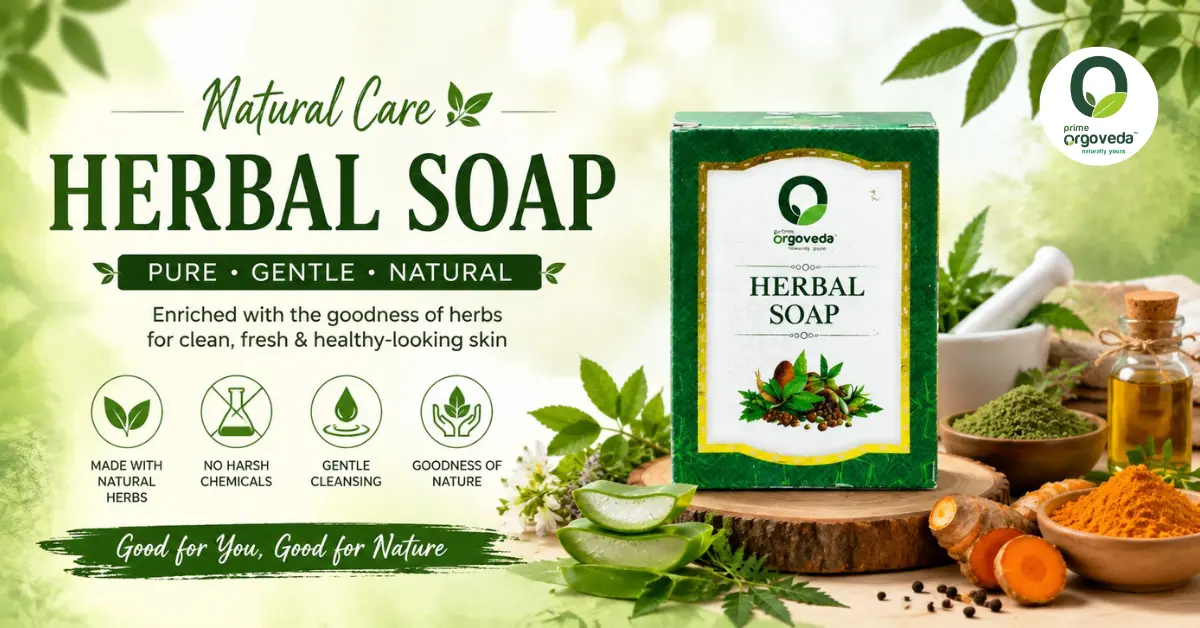
As more people become aware of the ingredients in their everyday skincare products, the demand for the best herbal soap without chemicals continues to grow. Unlike conventional soaps that may contain harsh detergents, artificial fragrances, synthetic colors, and preservatives, herbal soaps are typically made with naturally derived ingredients that gently cleanse while helping maintain your skin’s natural moisture balance.
Whether you have dry, oily, sensitive, or combination skin, choosing a chemical-free herbal soap can be a simple yet effective step toward a healthier skincare routine. Natural ingredients such as neem, aloe vera, turmeric, tulsi, sandalwood, coconut oil, and essential oils have been valued for generations for their cleansing, soothing, and nourishing properties.
However, not every product labeled “herbal” is truly free from harsh chemicals. Understanding ingredient lists, identifying beneficial botanical extracts, and knowing what to avoid can help you make an informed purchase.
In this complete buying guide, you’ll discover the benefits of using herbal soap without chemicals, the best natural ingredients to look for, ingredients to avoid, tips for selecting the right soap for your skin type, and answers to frequently asked questions. By the end of this guide, you’ll have all the information you need to confidently choose a herbal soap that supports naturally healthy, refreshed, and radiant skin.
What Is a Herbal Soap Without Chemicals?
A herbal soap without chemicals is a cleansing bar made primarily from naturally derived ingredients such as plant extracts, herbs, vegetable oils, essential oils, and natural butters. It is formulated to cleanse the skin gently while minimizing the use of harsh synthetic ingredients commonly found in many conventional soaps.
These soaps often contain nourishing ingredients like aloe vera, neem, turmeric, tulsi, sandalwood, coconut oil, olive oil, castor oil, shea butter, and essential oils, which help cleanse, moisturize, and refresh the skin naturally. Many herbal soaps are handcrafted using traditional soap-making methods that preserve the beneficial properties of these natural ingredients.
The term “without chemicals” is commonly used to mean that the soap is free from harsh synthetic additives such as parabens, sulfates (like SLS/SLES), artificial colors, synthetic fragrances, triclosan, and unnecessary preservatives. It’s worth noting that everything, including water and plant extracts, is made of chemicals in the scientific sense. In skincare, the phrase generally refers to avoiding harsh or unnecessary synthetic ingredients rather than being literally chemical-free.
Choosing a high-quality herbal soap can help maintain your skin’s natural protective barrier while providing a gentle cleansing experience suitable for daily use. It can be an excellent option for people looking for a more natural skincare routine, especially those with dry, sensitive, or easily irritated skin.
When buying a herbal soap, always read the ingredient list instead of relying solely on marketing claims. A genuine herbal soap should clearly list its natural ingredients and avoid excessive synthetic additives, helping you make a more informed choice for healthier-looking skin.
How Herbal Soaps Differ from Regular Soaps
Although both herbal soaps and regular soaps are designed to cleanse the skin, they differ significantly in their ingredients, formulation, and the way they care for your skin. Understanding these differences can help you choose the best option for your daily skincare routine.
1. Ingredients
Herbal soaps are typically made with plant-based oils, herbal extracts, essential oils, and natural ingredients such as aloe vera, neem, turmeric, tulsi, sandalwood, and coconut oil. These ingredients are selected for their cleansing, moisturizing, and skin-soothing properties.
Regular soaps, on the other hand, may include synthetic detergents, artificial fragrances, synthetic colors, preservatives, and other additives that focus primarily on cleansing and product longevity.
2. Gentle Cleansing
One of the biggest advantages of herbal soap is its gentle cleansing action. Natural oils and botanical ingredients help remove dirt, excess oil, and impurities while supporting the skin’s natural moisture barrier.
Some regular soaps can be more drying because they may strip away the skin’s natural oils, especially when formulated with stronger cleansing agents.
3. Skin-Nourishing Properties
Many herbal soaps contain ingredients rich in vitamins, antioxidants, and naturally occurring fatty acids that help nourish and condition the skin during cleansing.
Regular soaps generally prioritize cleaning performance and may not provide the same level of natural skin-conditioning benefits unless additional moisturizing ingredients are included.
4. Fragrance
Herbal soaps often derive their pleasant scent from essential oils and botanical extracts, offering a more natural aroma.
Regular soaps commonly use synthetic fragrances, which some people with sensitive skin may prefer to avoid.
5. Suitable for Different Skin Types
Because of their gentle formulations, herbal soaps are often suitable for a wide range of skin types, including dry, sensitive, and combination skin. However, choosing a soap that matches your specific skin type is still important.
Regular soaps can also work well, but some formulations may be better suited for normal or oily skin depending on their cleansing strength.
6. Environmental Considerations
Many handmade herbal soaps are produced using biodegradable ingredients and minimal packaging, making them a popular choice for people seeking a more environmentally conscious skincare routine.
Some commercial soaps may contain synthetic ingredients and packaging materials that have a greater environmental impact.
Herbal Soap vs. Regular Soap at a Glance
| Feature | Herbal Soap Without Harsh Chemicals | Regular Soap |
| Main Ingredients | Herbal extracts, natural oils, essential oils | Synthetic and natural ingredients |
| Cleansing | Gentle and moisturizing | Can range from gentle to strong |
| Fragrance | Usually from essential oils | Often synthetic fragrances |
| Skin Benefits | Cleanses while helping nourish and soothe | Primarily focuses on cleansing |
| Best For | Daily use and most skin types | Varies by formulation |
Ultimately, the best choice depends on your skin type and personal preferences. If you’re looking for a cleanser that combines effective cleansing with botanical ingredients and a gentler approach to skincare, a high-quality herbal soap without harsh synthetic additives can be an excellent addition to your daily routine.
Top Benefits of Using the Best Herbal Soap Without Chemicals
Choosing the best herbal soap without chemicals can do more than simply cleanse your skin. Formulated with plant-based oils, herbal extracts, and naturally derived ingredients, these soaps offer a gentle cleansing experience while helping maintain healthy-looking skin. Here are some of the top benefits of using herbal soap as part of your daily skincare routine.
1. Gently Cleanses the Skin
Herbal soaps effectively remove dirt, excess oil, sweat, and impurities without being overly harsh. Their mild cleansing action helps leave your skin feeling clean, fresh, and comfortable after every wash.
2. Helps Maintain the Skin’s Natural Moisture
Natural oils such as coconut oil, olive oil, castor oil, and shea butter help support the skin’s moisture barrier. This can reduce the feeling of dryness that some people experience after using stronger cleansing products.
3. Suitable for Most Skin Types
Whether you have dry, oily, combination, or sensitive skin, there are herbal soaps formulated to suit different skincare needs. Choosing ingredients that match your skin type can help improve your daily cleansing routine.
4. Rich in Botanical Ingredients
Many herbal soaps contain ingredients such as aloe vera, neem, turmeric, tulsi, sandalwood, and essential oils, which have long been valued in traditional skincare for their soothing, cleansing, and nourishing properties.
5. May Help Soothe Sensitive Skin
Herbal soaps made without harsh synthetic additives are often preferred by people with easily irritated skin. Fragrance-free or lightly scented formulations may be especially suitable for sensitive skin.
6. Supports a Healthy-Looking Complexion
Regular cleansing with a well-formulated herbal soap helps remove impurities and excess oil, contributing to skin that looks clean, refreshed, and naturally radiant.
7. Free from Many Harsh Synthetic Additives
Many herbal soaps are formulated without ingredients such as parabens, sulfates (SLS/SLES), artificial colors, triclosan, and strong synthetic fragrances. Always check the ingredient list, as formulations vary between brands.
8. Pleasant Natural Fragrance
Instead of relying solely on synthetic perfumes, many herbal soaps use essential oils and botanical extracts to provide a refreshing and natural scent during bathing.
9. Ideal for Daily Use
Because of their gentle formulation, many herbal soaps can be used every day on both the face and body, depending on the product’s intended use and your skin’s needs.
10. Encourages a More Natural Skincare Routine
Switching to herbal soap is a simple step toward a skincare routine that emphasizes naturally derived ingredients. It can complement other natural skincare products and support a mindful approach to personal care.
The best herbal soap without chemicals offers a balanced combination of effective cleansing and naturally derived ingredients. While no soap can solve every skin concern, choosing a high-quality herbal soap that suits your skin type can help keep your skin clean, comfortable, and healthy-looking as part of a consistent skincare routine.
Key Natural Ingredients to Look for in Herbal Soap
The quality of a herbal soap largely depends on its ingredients. The best herbal soap without chemicals is made with nourishing plant-based oils, herbal extracts, and botanical ingredients that cleanse the skin while helping maintain its natural moisture balance. Before purchasing a herbal soap, check the ingredient list for the following beneficial natural ingredients.
1. Aloe Vera
Aloe vera is widely known for its hydrating and soothing properties. It helps keep the skin feeling soft, refreshed, and moisturized, making it an excellent ingredient for dry and sensitive skin.
2. Neem
Neem has been used in traditional skincare for centuries because of its natural cleansing properties. It helps remove impurities and excess oil, making it a popular choice for oily and acne-prone skin.
3. Turmeric
Turmeric is rich in natural antioxidants and has long been valued in herbal skincare. It helps promote a brighter, healthier-looking complexion and supports overall skin wellness.
4. Tulsi (Holy Basil)
Tulsi is known for its purifying and refreshing qualities. It helps cleanse the skin while providing a cooling and revitalizing bathing experience.
5. Sandalwood
Sandalwood is appreciated for its calming aroma and skin-conditioning properties. It helps leave the skin feeling smooth, refreshed, and pleasantly scented.
6. Coconut Oil
Coconut oil is a popular base ingredient in many handmade soaps. It creates a rich lather while helping maintain the skin’s natural moisture, leaving it soft and clean.
7. Olive Oil
Olive oil is packed with nourishing fatty acids and antioxidants. It helps condition the skin and contributes to a creamy, moisturizing lather that is ideal for daily use.
8. Castor Oil
Castor oil enhances the richness and stability of a soap’s lather. It also helps keep the skin feeling soft and hydrated after cleansing.
9. Shea Butter
Shea butter is well known for its moisturizing properties. It nourishes the skin and helps reduce the feeling of dryness, making it especially beneficial for people with dry or rough skin.
10. Essential Oils
Essential oils such as lavender, tea tree, eucalyptus, lemongrass, peppermint, and rosemary provide a naturally pleasant fragrance while offering additional skin-conditioning benefits depending on the oil used.
11. Goat Milk
Goat milk is rich in vitamins and natural fats that help moisturize the skin. It is commonly included in herbal soaps designed for dry and sensitive skin.
12. Oatmeal
Finely ground oatmeal gently exfoliates the skin by removing dead skin cells while helping the skin feel smooth and comfortable. It is often used in soaps for sensitive or dry skin.
Tips for Reading the Ingredient List
When shopping for a herbal soap, keep these points in mind:
- Look for plant-based oils and herbal extracts near the top of the ingredient list.
- Choose soaps made with naturally derived fragrances from essential oils whenever possible.
- Prefer products that are free from parabens, sulfates (SLS/SLES), artificial colors, and unnecessary synthetic additives.
- Select a soap formulated for your specific skin type to achieve the best results.
- Buy from trusted brands that provide transparent ingredient information and clear labeling.
Choosing a herbal soap with high-quality natural ingredients helps ensure a gentle cleansing experience while supporting healthy, soft, and refreshed skin every day.
Ingredients to Avoid When Buying Herbal Soap
Not every product labeled as “herbal” is made entirely with gentle, naturally derived ingredients. Some soaps marketed as herbal may still contain harsh synthetic additives that can be unnecessary for many people. Reading the ingredient list carefully can help you choose the best herbal soap without chemicals for your skincare routine.
1. Sulfates (SLS and SLES)
Ingredients such as Sodium Lauryl Sulfate (SLS) and Sodium Laureth Sulfate (SLES) are commonly used to create a rich lather. While they cleanse effectively, they may strip away the skin’s natural oils, leaving some people with dry or irritated skin.
2. Parabens
Parabens are synthetic preservatives used to extend a product’s shelf life. Many people prefer herbal soaps that are free from parabens in favor of alternative preservation methods.
3. Artificial Fragrances
Synthetic fragrances can contain numerous chemical compounds and may cause irritation for some individuals, particularly those with sensitive skin. Herbal soaps scented with essential oils or natural botanical extracts are often a preferred choice.
4. Artificial Colors
Artificial dyes are added mainly to improve a soap’s appearance and do not provide skincare benefits. If you have sensitive skin, choosing soaps colored with natural ingredients or no added color may be a better option.
5. Triclosan
Triclosan is an antibacterial ingredient that has become less common in personal care products. Unless specifically recommended for a particular purpose, many consumers choose soaps without triclosan.
6. Formaldehyde-Releasing Preservatives
Some preservatives release small amounts of formaldehyde over time to prevent microbial growth. Many buyers prefer to avoid these ingredients when selecting herbal skincare products.
7. Mineral Oil and Petroleum-Based Ingredients
Mineral oil and petroleum-derived ingredients are sometimes used to improve texture or reduce moisture loss. Many herbal soap users prefer products made with nourishing plant oils instead.
8. PEG Compounds
Polyethylene Glycols (PEGs) are used to improve texture and stability in some cosmetic products. Those seeking a more natural formulation often look for soaps without PEG-based ingredients.
9. Phthalates
Phthalates are sometimes used in fragrance formulations to help scents last longer. Many consumers choose phthalate-free skincare products as part of a cleaner ingredient approach.
10. Excessive Synthetic Foaming Agents
A rich lather does not necessarily indicate a better soap. Herbal soaps made with natural oils can cleanse effectively without relying on strong synthetic foaming agents.
Quick Checklist Before You Buy
When selecting a herbal soap, look for products that:
- Contain plant-based oils, herbal extracts, and natural butters.
- Clearly list all ingredients on the packaging.
- Are free from SLS/SLES, parabens, artificial fragrances, artificial colors, triclosan, and unnecessary synthetic additives, if that aligns with your preferences.
- Use naturally derived fragrances such as essential oils.
- Are suitable for your skin type and daily skincare routine.
Marketing terms like “natural,” “herbal,” or “chemical-free” can be misleading if you rely only on the front label. The best way to identify a high-quality herbal soap is to read the full ingredient list, understand what each ingredient does, and choose products from trusted brands that are transparent about their formulations. This approach will help you find a herbal soap that cleanses gently while supporting healthy, refreshed skin.
How to Choose the Best Herbal Soap Without Chemicals
With so many products claiming to be “natural” or “herbal,” choosing the best herbal soap without chemicals can feel overwhelming. The key is to look beyond the packaging and evaluate the ingredients, formulation, and suitability for your skin type. Here are the most important factors to consider before making your purchase.
1. Read the Ingredient List Carefully
The ingredient list is the best indicator of a soap’s quality. Look for natural ingredients such as aloe vera, neem, turmeric, tulsi, sandalwood, coconut oil, olive oil, castor oil, shea butter, and essential oils. These ingredients help cleanse and nourish the skin naturally.
2. Avoid Harsh Synthetic Additives
Choose herbal soaps that are free from harsh ingredients such as SLS/SLES, parabens, artificial fragrances, artificial colors, triclosan, and unnecessary synthetic preservatives whenever possible. A simpler ingredient list is often a good sign of a thoughtfully formulated product.
3. Choose a Soap That Matches Your Skin Type
Different skin types have different needs. Selecting a soap formulated for your skin type can improve your overall skincare routine.
- Dry Skin: Look for moisturizing ingredients like shea butter, goat milk, olive oil, and aloe vera.
- Oily Skin: Neem, tea tree oil, tulsi, and activated charcoal can help cleanse excess oil.
- Sensitive Skin: Choose mild formulations with aloe vera, oatmeal, calendula, or fragrance-free options.
- Combination Skin: A balanced herbal soap with gentle plant oils works well for daily use.
4. Prefer Plant-Based Oils
High-quality herbal soaps are often made with nourishing vegetable oils such as coconut oil, olive oil, sunflower oil, castor oil, and rice bran oil. These oils help create a creamy lather while supporting the skin’s natural moisture barrier.
5. Check for Natural Fragrances
If you enjoy scented soaps, choose products fragranced with essential oils instead of synthetic perfumes. Essential oils like lavender, lemongrass, peppermint, eucalyptus, and rosemary provide a pleasant natural aroma.
6. Look for Transparent Labeling
Reputable brands clearly list every ingredient and provide accurate product information. Avoid products with vague claims such as “100% natural” or “chemical-free” unless they also include a complete ingredient list.
7. Consider Handmade or Artisan Soaps
Many handmade herbal soaps are produced in small batches using traditional methods and high-quality botanical ingredients. While handmade doesn’t automatically mean better, many artisan soaps emphasize simple formulations and natural ingredients.
8. Read Customer Reviews
Customer reviews can provide useful insights into a soap’s lather, fragrance, moisturizing properties, and overall user experience. Look for consistent feedback rather than relying on a single review.
9. Buy from Trusted Brands
Purchase herbal soaps from reputable manufacturers or authorized online stores that provide detailed product descriptions, ingredient transparency, and quality standards.
10. Perform a Patch Test
Even natural ingredients can cause sensitivity in some individuals. Before using a new herbal soap regularly, test it on a small area of skin and wait 24 hours to check for any signs of irritation.
Quick Buying Checklist
Before purchasing a herbal soap, make sure it:
- Contains natural herbal extracts and plant-based oils.
- Is suitable for your skin type.
- Uses essential oils or naturally derived fragrances.
- Avoids harsh synthetic additives whenever possible.
- Provides a complete and transparent ingredient list.
- Comes from a trusted and reputable brand.
Choosing the best herbal soap without chemicals isn’t about finding the product with the most marketing claims—it’s about selecting a well-formulated soap with high-quality natural ingredients that fits your skin’s unique needs. With the right choice, you can enjoy a gentle, refreshing cleansing experience that supports healthy-looking skin every day.
Best Herbal Soap for Different Skin Types
Not every herbal soap is suitable for every skin type. Choosing a soap with ingredients that match your skin’s specific needs can help you achieve the best results. Whether your skin is dry, oily, sensitive, combination, or acne-prone, selecting the right herbal soap without harsh chemicals can make your daily skincare routine more effective and comfortable.
Herbal Soap for Dry Skin
Dry skin benefits from ingredients that help lock in moisture and prevent tightness after cleansing.
Look for ingredients such as:
- Aloe vera
- Shea butter
- Goat milk
- Olive oil
- Coconut oil
- Cocoa butter
Benefits:
- Helps keep the skin soft and hydrated.
- Supports the skin’s natural moisture barrier.
- Reduces the feeling of dryness after washing.
Herbal Soap for Oily Skin
Oily skin requires a soap that removes excess oil without over-drying the skin.
Look for ingredients such as:
- Neem
- Tea tree oil
- Tulsi (Holy Basil)
- Activated charcoal
- Lemon extract
Benefits:
- Helps cleanse excess oil and impurities.
- Leaves the skin feeling fresh and clean.
- Supports a balanced-looking complexion.
Herbal Soap for Sensitive Skin
Sensitive skin needs mild, soothing ingredients with minimal additives and fragrances.
Look for ingredients such as:
- Aloe vera
- Oatmeal
- Calendula
- Chamomile
- Goat milk
Benefits:
- Cleanses gently without feeling harsh.
- Helps soothe and comfort delicate skin.
- Suitable for daily use when formulated for sensitive skin.
Herbal Soap for Combination Skin
Combination skin has both oily and dry areas, so a balanced formula works best.
Look for ingredients such as:
- Aloe vera
- Neem
- Olive oil
- Coconut oil
- Lavender essential oil
Benefits:
- Cleanses without excessive drying.
- Helps maintain the skin’s natural moisture balance.
- Leaves the skin feeling refreshed and comfortable.
Herbal Soap for Acne-Prone Skin
People with acne-prone skin often prefer herbal soaps that gently cleanse excess oil and impurities without being overly harsh.
Look for ingredients such as:
- Neem
- Tea tree oil
- Turmeric
- Tulsi
- Activated charcoal
Benefits:
- Helps remove excess oil, dirt, and impurities.
- Supports a clean and refreshed complexion.
- Can be part of a regular skincare routine alongside appropriate acne care.
The best herbal soap without chemicals is one that matches your individual skin type and contains high-quality natural ingredients. Instead of choosing a soap based solely on marketing claims, read the ingredient list, understand your skin’s needs, and select a product that provides gentle cleansing while helping maintain healthy, balanced, and refreshed skin. Using the right herbal soap consistently can be an important part of an effective daily skincare routine.
Can Herbal Soap Be Used on the Face and Body?
Yes, many herbal soaps can be used on both the face and body, but it depends on the soap’s formulation and your skin type. Some herbal soaps are specifically designed as multi-purpose cleansers, while others are intended only for body use. Always check the product label and follow the manufacturer’s recommendations before using a herbal soap on your face.
Benefits of Using Herbal Soap on the Face
A well-formulated herbal soap made with gentle, natural ingredients can help:
- Remove dirt, excess oil, and daily impurities.
- Cleanse without excessively stripping the skin’s natural moisture.
- Leave the skin feeling fresh, soft, and refreshed.
- Support a simple, natural skincare routine.
For facial use, choose soaps containing ingredients such as aloe vera, goat milk, oatmeal, chamomile, calendula, or shea butter, especially if you have dry or sensitive skin.
Benefits of Using Herbal Soap on the Body
Herbal soaps are an excellent choice for everyday body cleansing. They can help:
- Wash away sweat, dirt, and excess oil.
- Leave the skin feeling clean and moisturized.
- Provide a naturally refreshing bathing experience.
- Keep the skin soft with the help of nourishing plant oils and herbal extracts.
Ingredients like neem, turmeric, sandalwood, tulsi, coconut oil, and olive oil are commonly used in body soaps for their cleansing and skin-conditioning properties.
Choose the Right Soap for Your Skin Type
The best herbal soap for both the face and body depends on your skin’s needs.
- Dry Skin: Choose moisturizing ingredients like aloe vera, shea butter, goat milk, and olive oil.
- Oily Skin: Look for neem, tea tree oil, tulsi, or activated charcoal to help cleanse excess oil.
- Sensitive Skin: Select fragrance-free or mildly scented soaps with soothing ingredients such as oatmeal, calendula, or chamomile.
- Combination Skin: A balanced formula with gentle plant oils and herbal extracts is often a good choice.
Tips for Safe Use
To get the best results from your herbal soap:
- Check whether the soap is labeled as suitable for both the face and body.
- Avoid scrubbing the face aggressively, as facial skin is more delicate than the skin on the body.
- Rinse thoroughly with lukewarm water.
- Follow with a moisturizer if your skin feels dry after cleansing.
- Perform a patch test before using a new soap regularly, especially if you have sensitive skin.
Many herbal soaps are versatile enough for both the face and body when they are formulated with gentle, skin-friendly ingredients. The key is to choose a product that suits your skin type, read the ingredient list carefully, and use it as directed. With the right herbal soap, you can enjoy effective cleansing while helping your skin feel clean, soft, and naturally refreshed every day.
How to Use Herbal Soap for Maximum Benefits
Using the best herbal soap without chemicals correctly can help you get the most out of its natural ingredients. While herbal soaps are designed to cleanse gently, following a few simple steps can enhance their effectiveness and keep your skin feeling clean, soft, and refreshed.
1. Wet Your Skin with Lukewarm Water
Begin by rinsing your face or body with lukewarm water. This helps loosen dirt, excess oil, and impurities while preparing your skin for cleansing. Avoid very hot water, as it can strip away natural oils and leave the skin feeling dry.
2. Create a Rich Lather
Rub the herbal soap between your hands or on a soft washcloth to create a creamy lather. You can also apply the soap directly to the body if recommended by the manufacturer. A gentle lather is enough to cleanse the skin effectively.
3. Massage Gently
Apply the lather using gentle circular motions for about 20–30 seconds on the face and 1–2 minutes on the body. This helps remove dirt, sweat, sunscreen, and excess oil without causing unnecessary friction.
4. Focus on Areas That Need Extra Cleansing
Pay extra attention to areas that tend to accumulate more oil or sweat, such as:
- Face (especially the T-zone)
- Neck
- Underarms
- Back
- Feet
Avoid scrubbing too hard, as this may irritate the skin.
5. Rinse Thoroughly
Wash off all the soap with clean, lukewarm water. Leaving soap residue on the skin may cause dryness or discomfort, so ensure your skin is completely rinsed.
6. Pat Your Skin Dry
Use a clean, soft towel to gently pat your skin dry instead of rubbing it. Patting helps minimize irritation and preserves the skin’s natural moisture.
7. Apply a Moisturizer
After cleansing, apply a moisturizer that suits your skin type while the skin is still slightly damp. This helps lock in hydration and keeps the skin soft and comfortable.
8. Use Consistently
For most people, using herbal soap once or twice a day is sufficient, depending on skin type, activity level, and climate. Over-cleansing, even with a gentle soap, may lead to dryness in some individuals.
Tips for Getting the Best Results
- Choose a herbal soap that matches your skin type.
- Use a separate soap bar for the face if the product is formulated for facial use.
- Store the soap in a well-drained soap dish to keep it dry between uses.
- Replace the soap if it develops an unusual odor or changes significantly in appearance.
- Perform a patch test before using a new herbal soap regularly, especially if you have sensitive skin.
Common Mistakes to Avoid
- Using very hot water while bathing.
- Scrubbing the skin aggressively.
- Washing the face too frequently.
- Leaving soap residue on the skin.
- Skipping moisturizer after cleansing if your skin tends to be dry.
The best herbal soap without chemicals works most effectively when used as part of a consistent skincare routine. By cleansing gently, rinsing thoroughly, moisturizing afterward, and choosing a soap that suits your skin type, you can enjoy the natural benefits of herbal ingredients while helping your skin stay clean, soft, healthy-looking, and refreshed every day.
Common Mistakes to Avoid When Using Herbal Soap
Using the best herbal soap without chemicals can help keep your skin clean and refreshed, but certain habits may reduce its effectiveness or leave your skin feeling dry or irritated. Avoiding these common mistakes can help you get the most out of your herbal soap and maintain healthy-looking skin.
1. Choosing the Wrong Soap for Your Skin Type
Not all herbal soaps are suitable for every skin type. Using a soap formulated for oily skin when you have dry or sensitive skin may leave your skin feeling tight or uncomfortable. Always select a herbal soap that matches your skin’s specific needs.
2. Not Reading the Ingredient List
Many products marketed as “herbal” may still contain harsh synthetic additives. Instead of relying only on the front label, check the ingredient list and choose soaps made with natural oils, herbal extracts, and minimal unnecessary synthetic ingredients.
3. Using Very Hot Water
Hot water can strip away your skin’s natural oils, even when using a gentle herbal soap. Wash with lukewarm water to help maintain your skin’s natural moisture barrier.
4. Scrubbing Too Hard
Herbal soap does not require vigorous scrubbing to work effectively. Gentle circular motions are enough to remove dirt, sweat, and excess oil while minimizing irritation.
5. Washing Too Frequently
Cleansing too often can dry out the skin. For most people, using herbal soap once or twice a day is sufficient, depending on skin type, activity level, and environmental conditions.
6. Skipping Moisturizer
Even if your herbal soap contains moisturizing ingredients, applying a suitable moisturizer after cleansing can help lock in hydration and keep your skin soft and comfortable, especially if you have dry skin.
7. Leaving Soap in Standing Water
Allowing your soap to sit in water causes it to soften, dissolve more quickly, and may shorten its lifespan. Store it in a well-drained soap dish and let it dry between uses.
8. Sharing Personal Soap Bars
Sharing a soap bar with others may not be ideal for personal hygiene. Using your own soap bar helps maintain cleanliness and reduces unnecessary contamination.
9. Expecting Instant Results
Natural skincare products often require consistent use. While herbal soap can leave your skin feeling clean immediately, improvements in your skin’s overall appearance may take time and depend on factors such as your skin type, skincare routine, and lifestyle.
10. Ignoring Skin Reactions
Although herbal soaps are generally gentle, natural ingredients can still cause irritation or allergic reactions in some people. If you notice persistent redness, itching, or discomfort, stop using the product and consult a healthcare professional if symptoms continue.
Tips for the Best Experience
To make the most of your herbal soap:
- Choose a soap suitable for your skin type.
- Use lukewarm water for cleansing.
- Massage the lather gently without excessive scrubbing.
- Moisturize after washing when needed.
- Store the soap in a dry, well-ventilated soap dish.
- Perform a patch test before regular use if you have sensitive skin.
The effectiveness of the best herbal soap without chemicals depends not only on its ingredients but also on how you use and care for it. By avoiding these common mistakes and following a consistent skincare routine, you can enjoy gentle cleansing while helping your skin stay soft, balanced, and naturally refreshed.
How to Store Herbal Soap Properly
Proper storage is essential to maintain the quality, fragrance, and longevity of the best herbal soap without chemicals. Since many herbal soaps contain natural oils, botanical extracts, and fewer synthetic preservatives, they can soften or wear out more quickly if not stored correctly. Following a few simple storage practices will help your soap last longer and perform at its best.
1. Use a Well-Drained Soap Dish
Always place your herbal soap on a soap dish with drainage holes or raised ridges. This allows excess water to drain away and helps the soap dry completely between uses, preventing it from becoming soft or mushy.
2. Keep It Dry Between Uses
After each use, let the soap air-dry in a well-ventilated area. Avoid leaving it in standing water or on a flat surface where moisture can collect, as constant exposure to water will shorten the soap’s lifespan.
3. Store Away from Direct Water Spray
If possible, keep your soap away from the direct stream of the shower or faucet. Continuous exposure to water can cause the soap to dissolve faster, even when it is not being used.
4. Store Unused Soap in a Cool, Dry Place
Keep unopened or extra soap bars in a cool, dry location away from direct sunlight, heat, and humidity. A cupboard, drawer, or linen closet is usually an ideal place for storage.
5. Allow Air Circulation
Natural herbal soaps benefit from good airflow. Avoid storing them in airtight plastic containers while they are still damp, as trapped moisture can affect the soap’s texture and fragrance.
6. Separate Different Soap Varieties
If you have multiple herbal soaps with different natural fragrances, store them separately or wrap them individually. This helps preserve each soap’s unique scent and prevents fragrances from mixing.
7. Use a Soap Saver Bag
A natural fiber soap saver bag can help extend the life of smaller soap pieces. It also creates a gentle exfoliating effect while ensuring that no part of the soap goes to waste.
8. Rotate Your Soap Stock
If you purchase several bars at once, use the oldest ones first. Rotating your stock helps ensure you enjoy your herbal soaps while they are at their best quality.
Signs That Your Herbal Soap Has Been Stored Properly
A well-stored herbal soap should:
- Remain firm and easy to handle.
- Produce a rich, creamy lather.
- Retain its natural fragrance.
- Last longer with regular use.
- Show no signs of excessive softening or moisture damage.
Storage Mistakes to Avoid
Avoid these common mistakes that can reduce the quality and lifespan of your herbal soap:
- Leaving the soap in standing water.
- Storing it in a constantly damp or humid environment.
- Exposing it to direct sunlight or excessive heat.
- Keeping damp soap in a sealed container.
- Stacking wet soap bars together.
Proper storage is one of the easiest ways to maximize the value of the best herbal soap without chemicals. By keeping your soap dry, allowing good air circulation, and storing unused bars in a cool, dry place, you can preserve their natural ingredients, maintain their fragrance, and enjoy a longer-lasting, refreshing cleansing experience every day.
Signs of a High-Quality Herbal Soap Without Chemicals
With so many products marketed as “natural” or “herbal,” it can be challenging to identify a truly high-quality soap. The best herbal soap without chemicals is distinguished by its carefully selected ingredients, transparent labeling, and gentle formulation. Here are the key signs to look for before making your purchase.
1. Made with Natural, Plant-Based Ingredients
A high-quality herbal soap contains beneficial ingredients such as aloe vera, neem, turmeric, tulsi, sandalwood, coconut oil, olive oil, castor oil, shea butter, and essential oils. These ingredients help cleanse, moisturize, and nourish the skin naturally.
2. Transparent Ingredient List
Reputable brands clearly list all ingredients on the packaging. Avoid products with vague claims like “100% herbal” or “all-natural” if they do not provide a complete ingredient list.
3. Free from Harsh Synthetic Additives
Many premium herbal soaps are formulated without harsh ingredients such as:
- Sulfates (SLS/SLES)
- Parabens
- Artificial colors
- Synthetic fragrances
- Triclosan
- Unnecessary synthetic preservatives
Always verify these claims by reading the ingredient list.
4. Pleasant Natural Fragrance
A quality herbal soap typically has a mild, refreshing scent from essential oils or botanical extracts rather than an overpowering artificial perfume. Natural fragrances tend to be more subtle and authentic.
5. Rich and Creamy Lather
A good herbal soap produces a creamy, gentle lather that cleanses effectively without leaving the skin feeling overly dry or tight. Natural plant oils contribute to a smooth and luxurious cleansing experience.
6. Leaves Skin Feeling Soft and Comfortable
After use, your skin should feel clean, refreshed, and comfortable. A well-formulated herbal soap helps maintain the skin’s natural moisture instead of causing excessive dryness.
7. Suitable for Daily Use
High-quality herbal soaps are generally gentle enough for everyday cleansing when used as directed. Many are suitable for a variety of skin types, including dry, oily, combination, and sensitive skin.
8. Produced by a Trusted Brand
Choose products from reputable manufacturers that provide clear product information, quality standards, and responsive customer support. Trusted brands are more likely to maintain consistent product quality.
9. Positive Customer Reviews
Reading customer reviews can offer valuable insights into a soap’s performance, fragrance, lather, moisturizing properties, and overall satisfaction. Look for patterns in feedback rather than relying on individual reviews.
10. Proper Packaging and Storage Information
Quality herbal soaps are packaged to protect their natural ingredients and often include storage instructions, usage directions, and a complete ingredient list. This reflects attention to product quality and transparency.
Quick Checklist Before You Buy
Before choosing a herbal soap, make sure it:
- Contains natural herbal extracts and plant-based oils.
- Lists all ingredients clearly.
- Uses naturally derived fragrances when possible.
- Avoids harsh synthetic additives whenever possible.
- Matches your skin type.
- Comes from a trusted and reputable brand.
The best herbal soap without chemicals is more than just a product with attractive packaging or marketing claims. It combines high-quality natural ingredients, transparent labeling, gentle cleansing, and reliable manufacturing standards. By focusing on these signs, you can confidently choose a herbal soap that supports a healthy, refreshing, and natural skincare routine.
Handmade vs. Commercial Herbal Soap: Which Is Better?
When shopping for the best herbal soap without chemicals, you’ll often come across two main options: handmade herbal soaps and commercial herbal soaps. Both can effectively cleanse the skin, but they differ in their ingredients, production methods, and overall skincare experience. Understanding these differences can help you choose the right soap for your needs.
What Is Handmade Herbal Soap?
Handmade herbal soap is typically produced in small batches using traditional soap-making methods. It often contains plant-based oils, herbal extracts, natural butters, and essential oils, with a focus on simple, skin-friendly formulations.
Advantages:
- Often made with high-quality natural ingredients.
- Usually contains nourishing oils and herbal extracts.
- May retain naturally occurring glycerin, which helps keep the skin moisturized.
- Frequently made with fewer unnecessary synthetic additives.
- Available in unique herbal varieties and natural fragrances.
Things to Consider:
- May have a shorter shelf life due to fewer preservatives.
- Can vary slightly in appearance because it is handmade.
- Often costs more than mass-produced soaps.
What Is Commercial Herbal Soap?
Commercial herbal soap is manufactured on a larger scale to ensure consistency and wider availability. Many reputable brands also use herbal ingredients while maintaining strict quality control during production.
Advantages:
- Consistent quality and appearance.
- Easily available online and in retail stores.
- Often undergoes standardized quality testing.
- Usually has a longer shelf life.
- Available in a wide range of sizes and price points.
Things to Consider:
- Some products may include synthetic fragrances, colors, or preservatives.
- The amount of herbal ingredients can vary between brands.
- Marketing claims such as “natural” or “herbal” should always be verified by reading the ingredient list.
Which One Should You Choose?
The better choice depends on your personal preferences and skincare needs.
Choose handmade herbal soap if you:
- Prefer simple formulations with natural ingredients.
- Enjoy artisan or small-batch skincare products.
- Want soaps made with plant oils and herbal extracts.
Choose commercial herbal soap if you:
- Prefer consistent quality and wider availability.
- Want a product that is easy to repurchase.
- Value standardized manufacturing and longer shelf life.
There is no universal winner between handmade and commercial herbal soaps. A well-formulated product from either category can be an excellent choice. The most important factors are the quality of the ingredients, transparency of the ingredient list, suitability for your skin type, and the reputation of the brand. Instead of focusing solely on whether a soap is handmade or commercially produced, choose a herbal soap that provides gentle cleansing, uses high-quality natural ingredients, and fits your daily skincare routine.
Who Should Use Herbal Soap Without Chemicals?
The best herbal soap without chemicals is a versatile skincare product that can suit a wide range of people. Thanks to its gentle cleansing action and naturally derived ingredients, it is often chosen by those who want a simpler, more natural approach to daily skincare. While individual results vary, herbal soaps can be a good option for many skin types and lifestyles.
1. People Looking for a Natural Skincare Routine
If you prefer skincare products made with plant-based oils, herbal extracts, and botanical ingredients, a herbal soap can be a great addition to your daily routine. It offers effective cleansing while emphasizing naturally derived ingredients.
2. People with Dry Skin
Those with dry skin may benefit from herbal soaps containing moisturizing ingredients such as aloe vera, shea butter, goat milk, olive oil, and coconut oil. These ingredients help cleanse the skin while supporting its natural moisture barrier.
3. People with Oily Skin
Herbal soaps made with ingredients like neem, tea tree oil, tulsi, or activated charcoal can help remove excess oil and impurities, leaving the skin feeling fresh and clean.
4. People with Sensitive Skin
Individuals with sensitive skin often prefer mild herbal soaps that contain soothing ingredients such as aloe vera, oatmeal, calendula, or chamomile. Fragrance-free or lightly scented options may also be suitable for delicate skin.
5. People with Combination Skin
Combination skin requires a balanced cleanser that effectively removes excess oil without over-drying the skin. Herbal soaps with gentle plant oils and herbal extracts can help maintain this balance.
6. People Who Prefer Everyday Gentle Cleansing
Many herbal soaps are formulated for daily use, making them a practical choice for anyone who wants a cleanser that removes dirt, sweat, and impurities while helping the skin feel soft and refreshed.
7. People Interested in Traditional Herbal Ingredients
Herbal soaps often include time-tested ingredients such as turmeric, neem, tulsi, sandalwood, and aloe vera, which have been valued in traditional skincare practices for generations.
8. People Who Want to Avoid Certain Synthetic Additives
Many consumers choose herbal soaps because they prefer products formulated without parabens, sulfates (SLS/SLES), artificial colors, and strong synthetic fragrances. Always check the ingredient list, as formulations differ between brands.
When to Be Cautious
Although herbal soaps are generally gentle, they may not be suitable for everyone. Consider these precautions:
- Perform a patch test before using a new soap, especially if you have sensitive skin or known allergies.
- Stop using the product if you experience persistent irritation or discomfort.
- If you have a diagnosed skin condition or are under medical treatment for a skin concern, consult a dermatologist before introducing a new skincare product.
The best herbal soap without chemicals can be an excellent choice for anyone seeking gentle, effective cleansing with naturally derived ingredients. The key is to select a soap that matches your skin type, contains high-quality botanical ingredients, and comes from a trusted brand. By choosing the right herbal soap and using it consistently, you can enjoy a refreshing cleansing experience that supports healthy-looking skin every day.
How Long Does It Take to See Results?
One of the most common questions people ask before switching to the best herbal soap without chemicals is how quickly they can expect to notice a difference. The answer depends on several factors, including your skin type, the soap’s ingredients, your overall skincare routine, and how consistently you use the product.
What You Can Expect
While results vary from person to person, here’s a general timeline of what you may notice with regular use:
After the First Few Uses
- Skin feels clean, fresh, and refreshed.
- The skin may feel softer and more comfortable after cleansing.
- You may notice a naturally pleasant fragrance from herbal ingredients and essential oils.
After 2–4 Weeks of Regular Use
With consistent daily use, many people notice:
- Skin that feels smoother and better moisturized.
- A healthier-looking complexion.
- Improved comfort, especially if switching from a harsher cleanser.
- A skincare routine that feels gentler on the skin.
After 1–2 Months
Continued use as part of a regular skincare routine may help maintain:
- Clean, balanced, and refreshed skin.
- Better overall skin texture.
- Long-term support for the skin’s natural moisture barrier.
- Consistent daily cleansing without excessive dryness.
Factors That Affect Results
The time it takes to notice improvements can vary based on:
- Your skin type: Dry, oily, sensitive, and combination skin may respond differently.
- The soap’s ingredients: High-quality herbal ingredients and nourishing plant oils can influence how the skin feels after cleansing.
- Consistency: Using the soap regularly is more important than expecting immediate changes.
- Your skincare routine: Cleansing, moisturizing, sun protection, and healthy lifestyle habits all contribute to the appearance of your skin.
- Environmental factors: Weather, humidity, pollution, and seasonal changes can also affect your skin.
Tips for the Best Results
To get the most from your herbal soap:
- Use it consistently as directed.
- Choose a soap that matches your skin type.
- Moisturize after cleansing if your skin tends to be dry.
- Protect your skin with sunscreen during the day.
- Stay hydrated and maintain a balanced diet to support overall skin health.
Set Realistic Expectations
Herbal soap is designed to gently cleanse and support healthy-looking skin, not to provide instant or dramatic transformations. Improvements in the appearance and feel of your skin usually occur gradually with consistent use. If you have persistent skin concerns such as severe acne, eczema, or other medical skin conditions, consult a dermatologist for personalized advice.
The best herbal soap without chemicals can become an effective part of your daily skincare routine when used consistently. While you may notice cleaner and fresher skin after the first few washes, longer-term benefits such as improved skin texture and a healthier-looking complexion generally develop over several weeks of regular use. Patience, consistency, and choosing a soap suited to your skin type are the keys to achieving the best results.
Why Buy Herbal Soap Without Chemicals Online?
Buying the best herbal soap without chemicals online offers convenience, access to a wider range of products, and the ability to compare ingredients before making a purchase. Whether you’re looking for handmade herbal soaps or trusted natural skincare brands, online shopping makes it easier to find a product that suits your skin type and preferences.
1. Wider Selection of Herbal Soaps
Online stores typically offer a much larger variety of herbal soaps than local retail shops. You can explore soaps made with ingredients such as aloe vera, neem, turmeric, tulsi, sandalwood, goat milk, coconut oil, and essential oils all in one place.
2. Easy Ingredient Comparison
One of the biggest advantages of shopping online is the ability to read complete ingredient lists and product descriptions. This helps you identify soaps made with natural ingredients and avoid products containing harsh synthetic additives that don’t match your preferences.
3. Customer Reviews and Ratings
Verified customer reviews provide valuable insights into a soap’s fragrance, lather, moisturizing properties, packaging, and overall user experience. Reading multiple reviews can help you make a more informed buying decision.
4. Convenient Shopping Anytime
You can browse, compare, and order herbal soaps from the comfort of your home at any time. This saves time and gives you access to products that may not be available in nearby stores.
5. Better Deals and Exclusive Offers
Many online retailers offer seasonal discounts, bundle packs, subscription savings, and promotional offers, making it easier to purchase premium herbal soaps at competitive prices.
6. Access to Trusted Brands
Online marketplaces and official brand websites often provide detailed product information, ingredient transparency, usage instructions, and customer support, helping you buy with greater confidence.
7. Home Delivery
Your chosen herbal soap is delivered directly to your doorstep, eliminating the need to visit multiple stores in search of a specific product.
Tips for Buying Herbal Soap Online
Before placing your order, remember to:
- Read the complete ingredient list.
- Choose a soap suitable for your skin type.
- Check verified customer reviews and ratings.
- Buy from trusted brands or authorized sellers.
- Compare product sizes, prices, and value before purchasing.
- Review the return, exchange, and shipping policies if applicable.
Buying herbal soap without chemicals online gives you the flexibility to compare products, evaluate ingredients, and choose from a wide selection of trusted brands—all from the comfort of your home. By selecting a soap with high-quality natural ingredients and purchasing from a reliable seller, you can confidently invest in a product that supports a gentle, refreshing, and natural daily skincare routine.
Frequently Asked Questions (FAQs)
1. What is a herbal soap without chemicals?
A herbal soap without chemicals is generally understood to be a soap made with naturally derived ingredients such as herbal extracts, plant-based oils, and essential oils while avoiding many harsh synthetic additives like parabens, sulfates (SLS/SLES), artificial colors, and synthetic fragrances. Although the phrase “chemical-free” is commonly used in marketing, all substances—including natural ingredients—are made of chemicals, so the term usually refers to avoiding harsh or unnecessary synthetic ingredients.
2. Is herbal soap suitable for all skin types?
Many herbal soaps are suitable for dry, oily, combination, and sensitive skin. However, choosing a soap with ingredients that match your specific skin type can help you achieve the best results.
3. Can I use herbal soap on my face every day?
If the product is formulated for facial use, many herbal soaps can be used daily. Since facial skin is more delicate than the rest of the body, always follow the manufacturer’s instructions and discontinue use if irritation occurs.
4. Does herbal soap help keep skin moisturized?
Many herbal soaps contain moisturizing ingredients such as aloe vera, shea butter, goat milk, coconut oil, and olive oil that help support the skin’s natural moisture barrier while cleansing.
5. How often should I use herbal soap?
For most people, using herbal soap once or twice a day is sufficient. The ideal frequency depends on your skin type, activity level, and personal skincare routine.
6. How can I identify a genuine herbal soap?
Look for a complete ingredient list, natural plant-based oils, herbal extracts, transparent labeling, and a reputable brand. Avoid relying solely on marketing claims such as “100% natural” or “chemical-free.”
7. Can herbal soap replace my regular soap?
Yes. Many people use herbal soap as their everyday cleanser for the face or body, provided the product is suitable for their skin type and intended use.
8. How should I store herbal soap?
Keep the soap on a well-drained soap dish and allow it to dry completely between uses. Store unused bars in a cool, dry place away from direct sunlight and excessive moisture.
9. Are handmade herbal soaps better than commercial herbal soaps?
Both can be excellent choices. Handmade soaps often emphasize natural ingredients and traditional production methods, while commercial soaps usually offer consistent quality and wider availability. The quality of the ingredients and the formulation are more important than whether the soap is handmade or commercially produced.
10. Where can I buy the best herbal soap without chemicals?
You can purchase herbal soaps from trusted online stores, official brand websites, specialty natural skincare retailers, or reputable local shops. Before buying, compare ingredients, read customer reviews, and choose a product that matches your skin type.
11. How long does it take to notice results?
Many people notice cleaner and fresher-feeling skin after the first few uses. Improvements in skin texture and overall comfort may become more noticeable after several weeks of consistent use, depending on your skin type and routine.
12. Can herbal soap cause skin irritation?
Although herbal soaps are generally formulated to be gentle, natural ingredients can still cause sensitivity or allergic reactions in some individuals. If you have sensitive skin, perform a patch test before regular use and stop using the product if you experience persistent irritation.
Conclusion
Choosing the best herbal soap without chemicals is an important step toward a gentle and effective skincare routine. A high-quality herbal soap made with natural plant oils, herbal extracts, and botanical ingredients can cleanse your skin while helping maintain its natural moisture balance. By selecting a product that suits your skin type and avoiding harsh synthetic additives whenever possible, you can enjoy a refreshing cleansing experience every day.
When shopping for herbal soap, don’t rely solely on marketing claims such as “natural” or “chemical-free.” Instead, read the ingredient list carefully, look for nourishing ingredients like aloe vera, neem, turmeric, tulsi, sandalwood, coconut oil, olive oil, shea butter, and essential oils, and choose products from trusted brands that are transparent about their formulations.
Whether you have dry, oily, sensitive, combination, or acne-prone skin, there is a herbal soap designed to meet your skincare needs. Consistent use, proper storage, and following a simple skincare routine can help keep your skin feeling clean, soft, balanced, and refreshed over time.
Ultimately, the best herbal soap without chemicals is one that combines high-quality natural ingredients, gentle cleansing, and suitability for your skin type. By making an informed choice, you can enjoy the benefits of a more natural approach to skincare and support healthy-looking, naturally radiant skin every day.


 Agarbatti
 Computer Loban
 Dhoop Sticks
 Dhoop Cones
 Loban Powder
 Dhoop Cups
 Soap
Soap Facewash
 Shampoo